Moon Mining: NASA Takes Steps Toward Commercializing Lunar Resources

NASA Plans to Test Mining Resources on the Moon

NASA is planning to go back to the Moon after more than 50 years. When they do, they might do more than just leave footprints on the surface. They might also try to mine the Moon for resources, which could start early in the next decade.

NASA wants to send a drill rig to the Moon next month. By 2032, they want to start large-scale mining of lunar regolith using a test processing plant to get resources like water, iron, and rare metals. Reuters got this information from recent comments made by a NASA scientist.

Gerald Sanders, a rocket scientist at NASA’s Johnston Space Centre, spoke at the World Mining Congress this week in Brisbane. He said that NASA hopes to look into the possibility of mining on the moon within the next 10 years to “quantify potential resources,” as reported by Reuters.
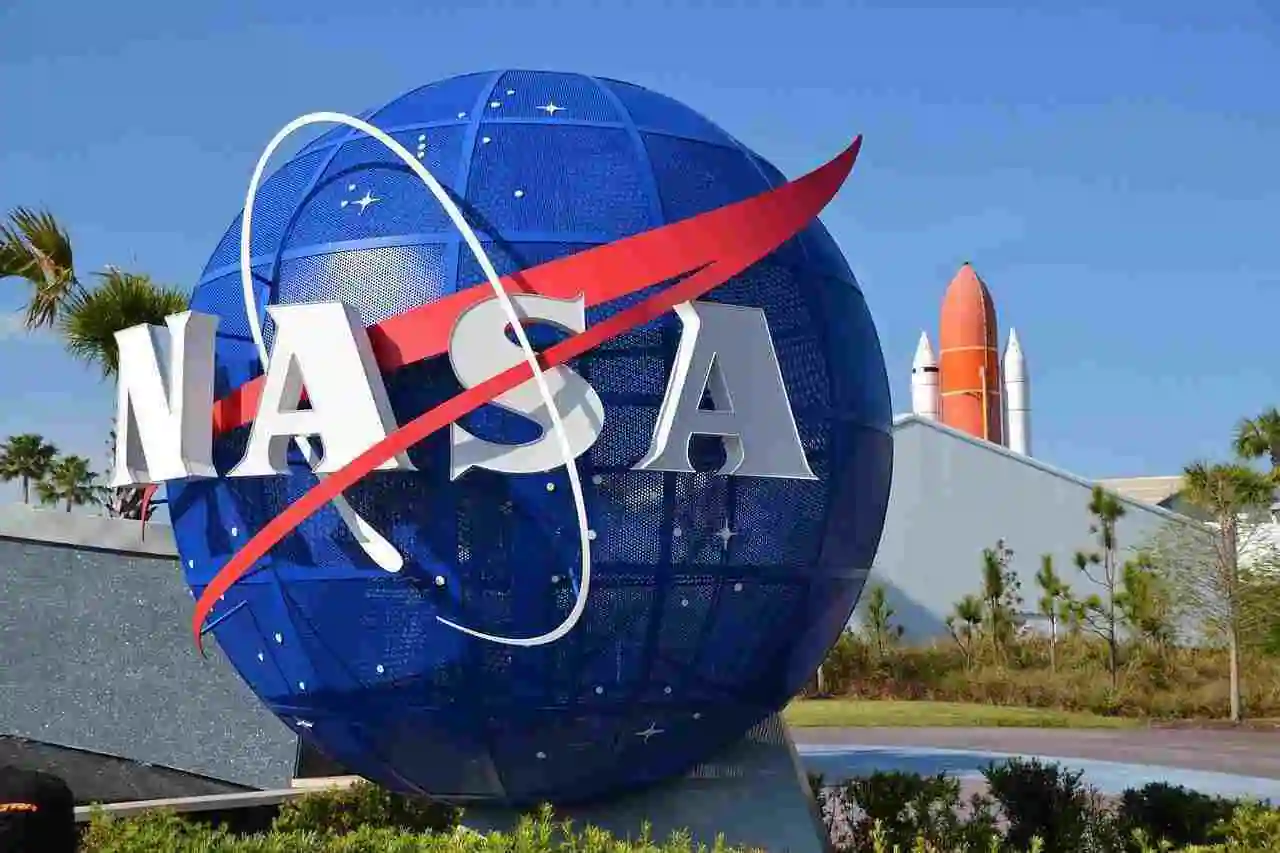
NASA
Photo Credit: FitzFox / 13 images from Pixabay

Previous study has shown that the Moon has natural resources that could be used, such as ice water reservoirs hidden in the shadows (which could be used to make rocket fuel) and valuable metals and minerals. In 2022, China’s Chang’e 5 mission brought back a sample of a new type of material from the Moon. The sample was said to contain helium-3, which could be used for nuclear fusion.

NASA’s plan is to gather resources that humans could use on the Moon, like water, and then move on to rare elements that could be used by businesses. This could help build a future business on the moon and help the space agency learn more about the moon’s environment. The first users are likely to be commercial rocket companies, which want to use the Moon’s resources to make fuel or oxygen. Sanders said that if NASA knew how much of each resource was on the Moon, it could attract commercial investment and improve business prospects.

Sanders was quoted at the conference as saying, “We are trying to invest in the exploration phase, understand the resources, and (lower) risk so that external investment makes sense and could lead to development and production.”

The first group of humans will go to the Moon through NASA’s Artemis program no sooner than 2025. From there, the space agency wants to set up a permanent presence on the Moon by sending a crew of humans to the lunar surface regularly and setting up the Lunar Gateway as an orbiting outpost to support the ongoing missions. With all of these big plans coming up, the space agency could use some help turning Moon resources into money.

Sanders said, “We haven’t even begun to scratch the surface.”


Subscribe to Our Newsletter

Related Articles

Top Trending

How to Teach Letters to Kids
8 Ways to Teach Letters to Kids Who Hate Sitting Still
Alphabet Magic vs 123 Magic Number Fun
Alphabet Magic vs 123 Magic Number Fun: Which Skill Does Each App Actually Target?
How to Promote a Blog Post After Publish
10 Best Ways to Promote a Blog Post After Hitting Publish
How to Help a Child Who Refuses to Count Aloud
Articleify 7th anniversary
Happy 7th Anniversary of ArticleIFY: The Journey from a Small Room to Global Horizons

Technology & AI

SEO Agency vs In-House SEO vs Freelancer
SEO Agency vs In-House SEO vs Freelancer: A Decision Framework for Small Teams
ImagineLab Voice Lab vs Murf AI
ImagineLab Voice Lab vs Murf AI: I Tried Multilingual Narration from the Same Script
Best Document Collaboration Tools
10 Best Online Document Collaboration Tools for Teams
Important Signs When Should Raise Prices on Your SaaS
10 Signs It's Time to Raise Prices on Your SaaS
Nostalgia economy
The Nostalgia Economy Is Selling Us a Past We Never Lived

GAMING

Intentional Screen Time
How to Spend Your Screen Time More Intentionally
Complete Guide on Game Programgeeks
Game Programgeeks: A Complete Guide on PC, Game Dev, and Tech
Online Color Game Philippines
Online Color Game Philippines: What Every Beginner Should Know Before Playing
Ways to Reduce Game Development Costs
12 Ways Studios Cut Game Development Costs
NFT game development cost
How Much Does NFT Game Development Cost? A Realistic Budget Breakdown

Business & Marketing

Email Marketing Agency vs DIY Platform
Email Marketing Agency vs DIY Platform: When Outside Help Adds Value
Critical Path Method
The Critical Path Method Explained in Plain English
Time to Value: How SaaS Teams Can Reach Results Faster
How to Onboard New Team Members With a Self-Serve Wiki
How to Document Team Processes for Better Teamwork

EdTech & E-Learning

How to Teach Letters to Kids
8 Ways to Teach Letters to Kids Who Hate Sitting Still
Alphabet Magic vs 123 Magic Number Fun
Alphabet Magic vs 123 Magic Number Fun: Which Skill Does Each App Actually Target?
Alphabet Magic vs ABC Kids: Which Offers Clearer Letter Practice
Alphabet Magic vs ABC Kids: Which Gives Clearer Uppercase and Lowercase Practice?
Alphabet Magic vs LetterSchool comparison review
Alphabet Magic vs LetterSchool: Letter-Tracing Accuracy on the Same Letters [A Hands-on Review]
Alphabet Magic Trace and Phonics vs Teach Your Monster to Read
Alphabet Magic Trace and Phonics vs Teach Your Monster to Read: Which Is Best?

Software & Apps

Best Document Collaboration Tools
10 Best Online Document Collaboration Tools for Teams
Important Signs When Should Raise Prices on Your SaaS
10 Signs It's Time to Raise Prices on Your SaaS
Best CRM Tools for Small Marketing Teams
10 CRM Tools for Small Marketing Teams Worth Using
SaaS partnership tools
10 Best Tools for Managing SaaS Partnerships and Integrations
White-Label SaaS Platform to Resell
8 Best White-Label SaaS Platforms to Resell