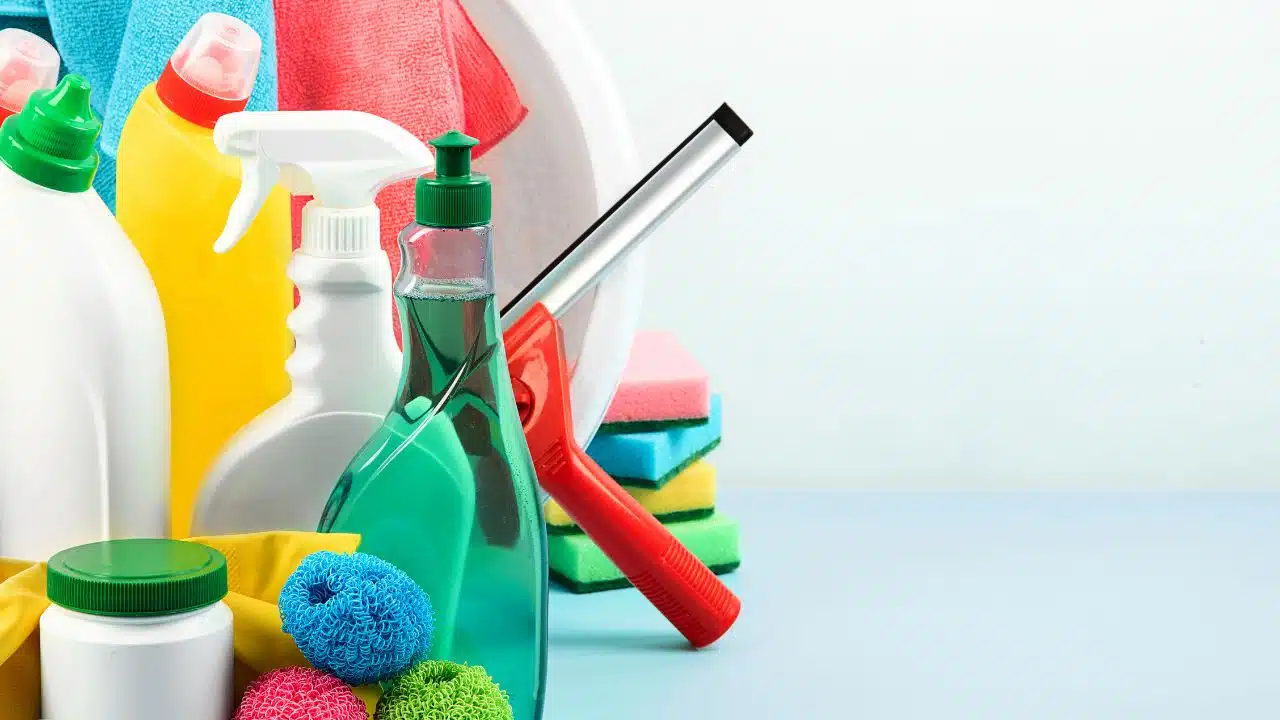
Non-toxic cleaning products have been gaining popularity in recent years as people look for safer, eco-friendly alternatives to traditional cleaners. However, despite their growing acceptance, many myths and misconceptions about these products persist.
Are non-toxic cleaning products really effective? Are they worth the cost? Can they truly clean tough stains and kill germs? These are just a few of the questions swirling around the topic.
In this article, we’ll break down the most common myths about non-toxic cleaning products and separate fact from fiction.
By understanding the truth, you can make informed decisions that benefit your health, your home, and the environment. Let’s dive in!
Why Understanding the Truth About Non-Toxic Cleaning Products Matters?
Switching to non-toxic cleaning products is more than just a trend—it’s a step toward healthier living. Traditional cleaners often contain harmful chemicals that can cause respiratory issues, skin irritation, and long-term health problems. Moreover, these chemicals can negatively impact the environment by polluting water sources and harming wildlife.
Unfortunately, myths surrounding non-toxic products prevent many people from adopting them. Believing these misconceptions can lead to missed opportunities for safer and greener cleaning options. By debunking these myths, you can confidently embrace non-toxic cleaning solutions that are both effective and eco-friendly.
The 10 Myths About Non-Toxic Cleaning Products
Let’s take a look
Myth #1: Non-Toxic Cleaning Products Aren’t Effective
One of the most common myths is that non-toxic cleaning products don’t work as well as traditional cleaners. This couldn’t be further from the truth. Non-toxic products use natural ingredients like vinegar, baking soda, and plant-based enzymes, which are highly effective at breaking down dirt, grease, and grime. For instance, vinegar’s acidity can tackle hard water stains, while baking soda’s abrasiveness scrubs away tough grime.
| Myth | Reality |
| Non-toxic cleaners aren’t effective. | They use natural, proven ingredients to clean efficiently. |
Myth #2: They’re Too Expensive
Another widespread misconception is that non-toxic products are overpriced. While some premium brands may cost more upfront, many affordable options exist. Additionally, DIY solutions using common household items like lemon juice and baking soda can significantly reduce costs.
| Myth | Reality |
| Non-toxic products are costly. | Affordable brands and DIY recipes make them accessible for any budget. |
Myth #3: Non-Toxic Means Chemical-Free
The term “non-toxic” often leads people to believe these products contain no chemicals, but this is misleading. Everything, including water and air, is made of chemicals. Non-toxic simply means the ingredients used are safe and don’t harm people, pets, or the planet when used as directed.
| Myth | Reality |
| Non-toxic equals chemical-free. | Non-toxic products use safe, natural, and biodegradable chemicals. |
Myth #4: DIY Cleaners Are Always Better
While DIY cleaners can be effective for many tasks, they’re not always the best choice. For example, some stains or surfaces require specific ingredients that only commercial non-toxic cleaners can provide. Moreover, improperly mixed DIY recipes can sometimes cause harm (e.g., mixing vinegar and bleach).
| Myth | Reality |
| DIY cleaners are always better. | Store-bought non-toxic products are often safer and more effective. |
Myth #5: They Can’t Handle Tough Stains or Grease
Non-toxic products are often underestimated when it comes to cleaning power. In reality, products with enzymes, essential oils, and plant-based surfactants are excellent for cutting through grease, removing stains, and disinfecting surfaces.
| Myth | Reality |
| Non-toxic cleaners lack power. | Enzyme-based and plant-derived ingredients make them highly effective. |
Myth #6: Non-Toxic Products Don’t Kill Germs
Many people believe that non-toxic products can’t disinfect properly. However, products with alcohol, hydrogen peroxide, or essential oils like tea tree oil are proven to kill bacteria and viruses effectively.
| Myth | Reality |
| Non-toxic products don’t disinfect. | Many non-toxic options have antibacterial and antiviral properties. |
Myth #7: All Non-Toxic Products Are Safe for Pets and Kids
While non-toxic products are generally safer, not all of them are automatically pet- or child-safe. For example, essential oils like tea tree oil can be harmful to pets. Always check the label and choose products specifically labeled as pet- and kid-friendly.
| Myth | Reality |
| All non-toxic products are safe. | Always verify product safety for pets and children by checking labels. |
Myth #8: They Don’t Impact the Environment
Some people assume that non-toxic cleaning products don’t harm the environment at all. While they’re much better than traditional cleaners, some still have a small environmental impact. For truly eco-friendly cleaning, look for biodegradable products with sustainable packaging.
| Myth | Reality |
| Non-toxic products are 100% eco-friendly. | Look for biodegradable and sustainably packaged products for minimal impact. |
Myth #9: If It’s Labeled “Green,” It’s Non-Toxic
Greenwashing is a common problem in the cleaning industry. Not all products labeled “green” or “ecological” are truly non-toxic. Always check for certifications like EPA Safer Choice, Leaping Bunny, or Green Seal.
| Myth | Reality |
| Green labels mean non-toxic. | Certifications ensure products meet safety and eco-friendly standards. |
Myth #10: Non-Toxic Cleaning Products Are Just a Trend
The shift toward non-toxic cleaning isn’t just a passing fad. With increasing awareness of health and environmental issues, more people are choosing safer, sustainable products.
| Myth | Reality |
| Non-toxic products are a trend. | They’re part of a long-term movement toward health and sustainability. |
How to Identify Legitimate Non-Toxic Cleaning Products
To ensure you’re choosing truly non-toxic cleaning products, follow these tips:
- Check Certifications: Look for certifications like EPA Safer Choice, Green Seal, or USDA Organic.
- Read Labels: Avoid products with harsh chemicals like ammonia, bleach, or synthetic fragrances.
- Research Brands: Look for brands with transparent ingredient lists and eco-friendly practices.
- Test Products: Try sample sizes to see if the product meets your cleaning needs.
Benefits of Switching to Non-Toxic Cleaning Products
- Health Benefits: Reduce exposure to harmful chemicals that can cause allergies, asthma, or skin irritation.
- Environmental Impact: Biodegradable ingredients and recyclable packaging reduce pollution.
- Cost Savings: Many non-toxic options are affordable and last longer due to their concentrated formulas.
Takeaways
Non-toxic cleaning products are a safer, smarter choice for your home, family, and the planet. By debunking these myths, you’re better equipped to make informed decisions.
Start small, experiment with a few products, and enjoy the benefits of a cleaner, greener lifestyle.