


In the fast-paced world of decentralized trading, two platforms are currently getting major attention — MoonX and Photon. Whether you’re a seasoned trader or just starting to explore the world of on-chain trading, choosing the right platform can make a huge difference in your profits, security, and overall experience.
In this comparison, we’ll break down the key features, strengths, and differences between MoonX and Photon, helping you decide which one fits your trading style best — and whether MoonX could be a powerful Photon alternative.
Key Takeaways—At a Glance
| Criteria | MoonX | Photon |
|---|---|---|
| Best For | Active, Degen, or Pro Traders | Simplicity and Low-Fee Swaps |
| Standout Feature | Copy Trading + Smart Analytics | Gas-Efficient DeFi Swaps |
| Security | MPC, TEE, GoPlus Audit | Smart Contract Only |
| Platform Support | Web & Mobile [BYDFi Infra] | Web-Based Only |
What is MoonX?
MoonX is a new Web3-based MemeCoin trading platform launched by BYDFi, a globally trusted crypto exchange. It’s designed specifically for Degen traders — those who love chasing the next 1000x MemeCoin gem before anyone else spots it.
MoonX operates on major blockchains like Solana and BNB Chain and gives access to over 500,000 MemeCoin trading pairs. From advanced trading tools to real-time whale tracking, MoonX is packed with features that cater to both professional traders and crypto thrill-seekers.
What is Photon?
Photon is an on-chain trading platform that emphasizes simplicity, speed, and minimal fees. It supports Ethereum and other EVM-compatible chains and is known for offering a sleek interface for token swaps, liquidity tracking, and basic DeFi interactions.
Unlike MoonX, Photon is more focused on user-friendly DeFi experiences rather than intense, data-driven MemeCoin trading. It appeals to users who prefer straightforward trades, without the need for advanced tools or high-frequency strategies.
Core Feature Comparison
Let’s explore how these two platforms stack up in terms of features, performance, and trader support.
| Feature | MoonX | Photon |
|---|---|---|
| Trading Focus | MemeCoins, Smart Money Tracking | Token Swaps, Liquidity Pools |
| Supported Chains | Solana, BNB Chain, More | Ethereum, EVM Chains |
| Number of Tokens | 500,000+ | 10,000+ |
| Copy Trading | Yes [Whales, KOLs, Institutions] | No |
| Advanced Orders | Market, Limit, TP/SL, Smart Sell | Basic Swaps Only |
| Security | MPC & TEE tech, GoPlus audits | Smart contract audits |
| Trading Speed | Millisecond-level execution | Slower in comparison |
| Mobile/Web Support | Full support with on-chain auth | Primarily Web-based |
| User Base | Degen and pro traders | Beginners and casual DeFi users |
Why Traders Choose MoonX
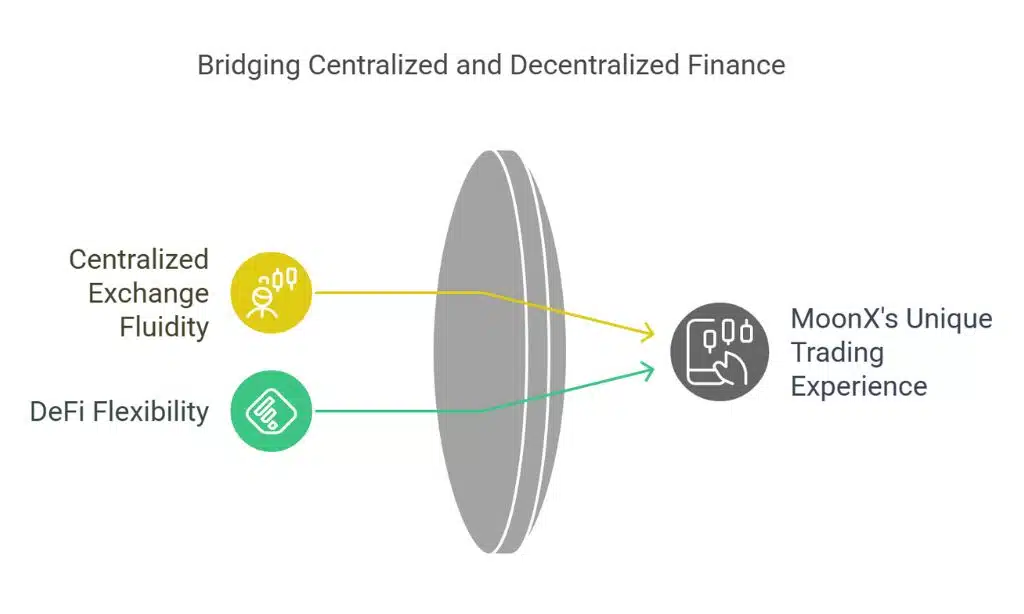
MoonX combines the fluid trading experience of centralized exchanges with the flexibility of DeFi. Here are the main reasons why it stands out:
1. Massive MemeCoin Market Access
MoonX supports over 500,000 tokens, many of which are not listed on other platforms. Its rapid listing mechanism means you can buy into the newest tokens before they go viral.
2. Professional Trading Tools
From One-Click Buy/Sell to advanced Stop-Loss and Take-Profit settings, MoonX is built for fast, smart trades. It also offers a unique “Sell Half on a Double” feature — ideal for locking in profits safely.
3. Smart Money Tracking & Copy Trading
MoonX allows users to follow and copy trades of whales and KOL in real time, helping beginners and pros align with smart money.
4. Top-Tier Security
Through partnerships with Safeheron and third-party auditors like GoPlus, MoonX provides MPC and TEE-based security, real-time alerts, and protection from Rug Pulls and phishing attacks.
These powerful tools make MoonX a strong Photon alternative — especially for users who want more depth, data, and direct action in the MemeCoin market.
Why Some Traders Still Prefer Photon
While MoonX is perfect for high-speed MemeCoin trading, Photon appeals to traders who value simplicity and minimalism.
-
It offers lower gas fees on EVM chains.
-
The interface is clean and easy to use, with no complex tools to learn.
-
Photon’s focus on liquidity tracking and token analytics helps users avoid risky coins.
If you’re looking for a simple, clean platform for basic DeFi trading, Photon might be more comfortable. However, if you’re hungry for bigger opportunities and smarter tools, MoonX could be the Photon alternative you’ve been searching for.
User Experience and Interface
Both platforms offer solid user experiences, but they target different users.
-
MoonX provides a CEX-like interface with fast execution, pro-level tools, and analytics dashboards for in-depth insights.
-
Photon sticks with a DeFi swap-like interface that’s more familiar to Uniswap or PancakeSwap users — ideal for simple, fast transactions.
If you prefer using mobile and web seamlessly, MoonX has an edge with full cross-device functionality and multi-factor security.
Backed by BYDFi – A Major Advantage
One of the most compelling reasons to choose MoonX is that it’s backed by BYDFi, a global crypto exchange trusted by over 1 million users in 190+ countries. BYDFi is listed on CoinMarketCap, CoinGecko, and was even named one of Forbes’ Top 10 Crypto Exchanges in 2023.
This connection ensures deep liquidity, secure asset storage, and regulatory compliance — giving MoonX a massive boost in credibility and infrastructure compared to Photon.
Which Platform Is Right for You?
The answer depends on your goals:
-
If you want fast access to new MemeCoins, advanced analytics, and copy trading — MoonX is the best fit.
-
If you want a simplified, DeFi-native experience with fewer tools and easier swaps — Photon is a solid choice.
But if you’re seeking a Photon alternative with more power, speed, and earning potential, MoonX is hard to beat.
Real-Life Use Cases: Who Should Use Which Platform?
Choosing between MoonX and Photon becomes easier when you understand how traders actually use them:
| User Type | Best Platform | Why |
|---|---|---|
| Degen Traders | MoonX | Access to 500,000+ MemeCoins, early listings, smart money tracking |
| Beginner DeFi Users | Photon | Simple interface, low gas fees, minimal learning curve |
| Copy Traders | MoonX | One-click smart money trading with whale wallets |
| Low-Budget Traders | Photon | Lower trading fees, good for quick swaps |
| High-Frequency Traders | MoonX | Ultra-smooth execution, advanced order types |
Security Comparison: Who Protects Your Assets Better?
Security is crucial when trading crypto. Let’s compare:
MoonX Security Stack
-
MPC + TEE Technology [in partnership with Safeheron]
-
Smart contract auditing by GoPlus
-
Real-time alerts for phishing, Rug Pulls, or scam tokens
-
Cold Wallet + MFA + On-Chain Authorization
Photon Security Stack
-
Smart Contract-based permissions
-
Community-reviewed pools
-
No external audits or active phishing protection
If you’re trading volatile MemeCoins or holding high-value assets, MoonX provides a more secure environment.
Top 5 Reasons to Choose MoonX Over Photon
- Get in Early on new MemeCoins with MoonX’s rapid listing engine
- Trade Like a Whale — copy smart money and institutional moves
- Never Miss a Trade with one-click execution and stop-loss tools
- Stay Safe with pro-level encryption and threat detection
- Backed by BYDFi — a trusted global crypto exchange with 1M+ users
Final Thoughts
In the ever-changing world of Web3, having the right tools is everything. MoonX and Photon serve very different needs — one for high-speed, data-driven traders, the other for casual DeFi users. By understanding their differences, you can make the smartest choice for your strategy.
For those looking to ride the next wave of MemeCoin success with whale-level precision, MoonX is more than just a Photon alternative — it’s a next-generation trading engine.






















