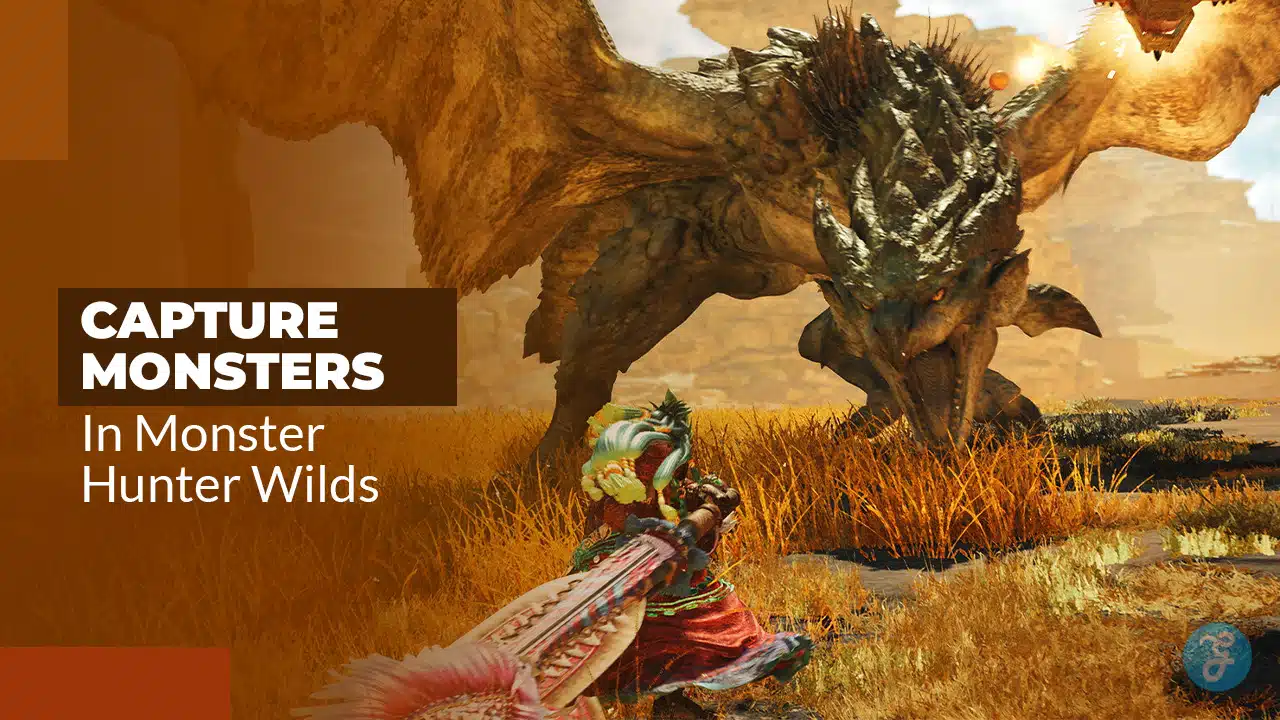
Monster Hunter Wilds Capture Guide is the easiest way to make hunts faster, safer, and more consistent. Capturing ends a hunt early, reduces late-fight chaos, and helps you farm materials without spending extra minutes finishing off a monster you already “won” against.
In this guide, you’ll learn what you need to capture, how to tell when a monster is ready, how traps and tranqs work, and the cleanest methods for solo and co-op captures.
What Capturing Does
Capturing ends the quest without killing the monster. You still complete the hunt and receive rewards, but you skip the final chunk of the monster’s health bar. That’s why captures are often quicker.
Capturing also helps you avoid risky final phases, when monsters tend to chain attacks, flee more often, or punish greedy hits.
Capture Vs Slay Quick Table
| Goal | Capture | Slay |
|---|---|---|
| Finish faster | ✅ | ❌ |
| Lower risk at the end | ✅ | ❌ |
| Required in some quests | ✅ | ✅ (slay-only quests) |
| Works on every quest | ❌ | ✅ usually |
If a quest is slay-only, you can’t capture. If a quest allows both, capturing is usually the efficient choice.
What You Need To Capture Monsters
Capturing always has two parts:
-
Trap the monster
-
Apply tranqs while it’s trapped and ready
If either part is missing, the capture fails.
Basic Capture Kit
-
Shock Trap or Pitfall Trap
-
Tranq items (tranq bombs or your available tranq tool)
-
Optional backup trap
-
Optional materials to craft more traps mid-hunt
Loadout Checklist
-
Trap
-
Tranqs
-
Backup trap (recommended)
-
Restock access (camp/base camp)
Trap Types Explained
Wilds uses the familiar capture tools most players expect.
Shock Trap
-
Fast and easy to use
-
Great for quick captures
-
Can be unreliable against certain targets or conditions
Pitfall Trap
-
Strong hold when placed well
-
Can be more consistent in specific matchups
-
Sometimes tricky on uneven terrain
Shock Trap Vs Pitfall Trap
| Feature | Shock Trap | Pitfall Trap |
|---|---|---|
| Ease | ✅ easier | ⚠️ slightly trickier |
| Speed | ✅ fast trigger | ⚠️ depends on placement |
| Best for | quick finishes | controlled setups |
If one trap keeps failing on a target, switch to the other trap type.
How Tranqs Work
Tranqs are what “locks in” the capture. A trap alone never captures.
You have two reliable patterns:
Method A: Trap First, Then Tranq
-
Trap the monster
-
Apply tranqs immediately
-
Capture triggers if the monster is ready
Best when you’re not 100% sure the monster is capturable yet.
Method B: Tranq First, Then Trap
-
Apply tranqs first when you’re confident it’s ready
-
Trap it immediately after
-
Capture often triggers instantly once the trap lands
Best for speed farming once you know the capture window well.
Which Method Should You Use?
| Method | Best For | Risk |
|---|---|---|
| Trap → Tranq | learning, safe play | low |
| Tranq → Trap | speed, confident play | medium |
How To Tell When A Monster Is Capturable
This is the part that makes captures consistent.
Most Common Capture Signs
-
The monster limps
-
The monster tries to retreat
-
The monster looks like it’s heading to rest or sleep
-
The monster’s behavior shifts into “escape mode”
If you’re unsure, keep fighting and wait for the limp or clear retreat pattern.
The Step-By-Step Capture Method
Use this routine and you’ll capture reliably.
-
Fight normally until you see capture signs
-
Stop greedy damage and play for control
-
Choose a good open area for your trap
-
Place the trap in the monster’s path
-
When the trap triggers, tranq immediately
-
Confirm capture. If it fails, the monster wasn’t ready or the tranqs didn’t apply
Best Trap Placement Rules
Trap placement is where most captures fail.
Do This
-
Place traps on flat, open ground
-
Place traps in the monster’s approach path
-
Use the monster’s recovery animations to place safely
-
Stand on the far side to bait a straight charge
Avoid This
-
Placing traps on steep slopes or cluttered terrain
-
Placing traps while the monster is mid-combo and you’re under pressure
-
Chasing and panic-placing traps repeatedly
If you’re getting hit while placing traps, you’re trying to trap during aggression. Wait for recovery.
Tranq Timing Rules
Once a trap triggers, treat tranqs as urgent. Traps don’t hold forever.
Tranq Timing Do This
-
Tranq immediately after trap activation
-
Throw tranqs at close range
-
Commit to the capture once you start the setup
Tranq Timing Avoid This
-
Hesitating to “see if it’s ready”
-
Throwing tranqs from too far away
-
Trying to squeeze extra DPS during the trap
Capturing Monsters That Run Away To Sleep
Sleep captures can be very easy if you don’t overcomplicate them.
Simple Sleep Capture Routine
-
Follow the monster to its sleeping area
-
Place a trap near where it will step when it wakes
-
Wake it safely and guide it into the trap
-
Tranq immediately
Common Sleep Capture Mistake
Waking the monster with huge burst damage and killing it before the trap triggers, especially in co-op.
Capturing In Co-Op Without Losing The Target
Co-op is where captures get ruined most often, because someone keeps attacking.
Easy Co-Op Roles
-
Caller: announces capture window and tells the team to stop damage
-
Trap Setter: places the trap
-
Tranq Player: applies tranqs immediately
Simple Co-Op Callouts
-
“Capture soon, hold damage”
-
“Trap down”
-
“Tranqing”
If your group doesn’t coordinate, your best move is to call “CAP” early, not at the last second.
Troubleshooting: Why The Capture Failed
Capture Failure Table
| What Happened | Likely Cause | Fix |
|---|---|---|
| Trap triggered but no capture | not ready or not enough tranq | fight longer or apply more tranq |
| Trap never triggered | bad placement | place in path, bait charge |
| Monster broke out too fast | you hesitated | tranq immediately |
| Monster died during setup | too much team damage | call stop damage earlier |
| Tranqs “missed” | too far or bad aim | throw closer |
Fast Capture Tips For Farming
Capturing is best when you repeat hunts.
-
Decide upfront that you’re capturing so you don’t argue at the end
-
Stop damage earlier than you think you need to
-
Use a consistent “capture zone” in each region
-
Restock after every hunt so you don’t start the next run missing tools
A two-minute save per run turns into massive savings over a full farming session.
Wrap Up
Monster Hunter Wilds Capture Guide is simple once you treat it like a routine. Bring a trap and tranqs, watch for limp and retreat behavior, choose an open area, place the trap in the monster’s path, and tranq immediately when it triggers. Capturing ends hunts cleanly, reduces risk, and makes farming far more efficient.