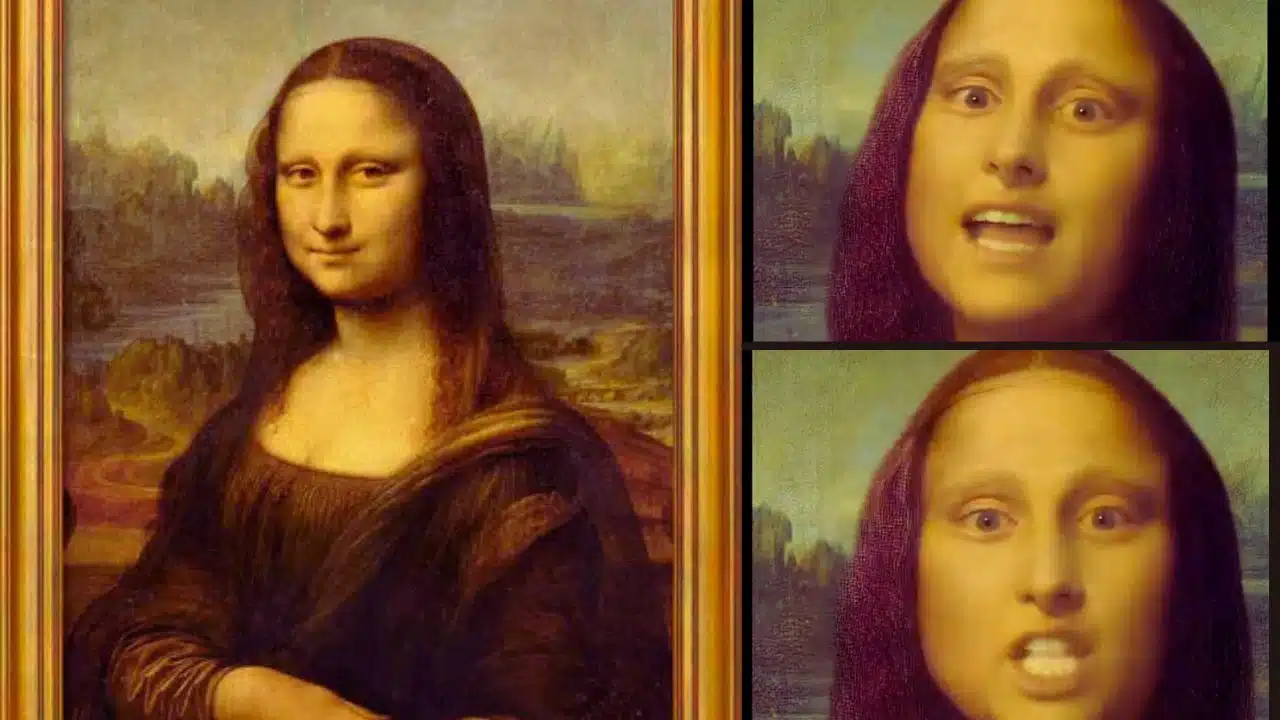
In a stunning display of the power and potential of artificial intelligence, Microsoft has unveiled a mind-bending video that has taken the internet by storm. The viral clip features none other than Leonardo Da Vinci’s timeless masterpiece, the Mona Lisa, coming to life and rapping along to the infectious beats of “Paparazzi.” This extraordinary feat, made possible by Microsoft’s cutting-edge AI technology, VASA-1, seamlessly blends still images with audio clips to create incredibly lifelike animated videos that blur the lines between art, technology, and controversy.
The Viral Sensation: Social Media Abuzz with Reactions
Released as part of Microsoft’s research publication on April 16, the Mona Lisa rap video has ignited a firestorm of reactions across social media platforms. One post on X (formerly Twitter) alone has amassed a staggering 7.1 million views as of Monday morning, testament to the clip’s viral appeal. The responses have been as diverse as they are passionate, with opinions ranging from incredulity to amusement and everything in between.
One skeptical user questioned the necessity of such technological marvels, pondering, “Why does this need to exist? I can’t think of any positives.” On the other hand, many found themselves in fits of laughter, with one commenter confessing, “Mona Lisa rapping Paparazzi is wild,” to which the original poster replied, “Da Vinci is rolling in his grave.” Amidst the laughter and disbelief, however, there is a palpable undercurrent of unease, with sentiments like “Another day, another terrifying AI video” echoing concerns over the ethical implications of such rapid advancements in artificial intelligence.
Microsoft just dropped VASA-1.
This AI can make single image sing and talk from audio reference expressively. Similar to EMO from Alibaba
10 wild examples:
1. Mona Lisa rapping Paparazzi pic.twitter.com/LSGF3mMVnD
— Min Choi (@minchoi) April 18, 2024
VASA-1: A Game-Changer in AI-Generated Content
Microsoft’s VASA-1 represents a quantum leap forward in the realm of AI-generated content creation. This groundbreaking technology possesses the ability to handle an incredibly diverse array of inputs that extend far beyond its initial training set. From artistic photos to singing audios and even non-English speech, VASA-1 showcases a remarkable versatility that opens up a world of exciting possibilities.
The potential applications of this technology are vast and far-reaching. Microsoft envisions a future where innovations like VASA-1 can foster educational equity by providing students with access to engaging, interactive content that brings subjects to life in ways never before possible. Additionally, the technology could enhance accessibility for individuals with communication challenges, offering new avenues for self-expression and connection. In the realm of mental health, VASA-1 could provide therapeutic support by creating personalized, immersive experiences tailored to an individual’s unique needs and preferences.
Responsible Innovation: Navigating the Ethical Landscape
Despite the excitement and promise surrounding VASA-1, Microsoft remains acutely aware of the potential risks and ethical concerns associated with such advanced AI technology. The company has been vocal about its commitment to responsible innovation, emphasizing the need for robust safeguards and regulatory standards to prevent misuse of the technology for deceptive or malicious purposes.
To this end, Microsoft has made it clear that no online demos, APIs, or additional implementation details will be released until stringent regulatory standards are met. This cautious approach underscores the company’s dedication to ensuring that the development and deployment of AI technology is guided by a strong ethical framework that prioritizes transparency, accountability, and the protection of individual rights and privacy.
The Convergence of Art and Technology: A New Frontier
The Mona Lisa rap video is just the latest example of the increasingly blurred lines between art and technology in our rapidly evolving digital age. Drawing parallels to other cutting-edge innovations like Alibaba’s EMO, which similarly imbues static images with vocal expressions, VASA-1 heralds a new era where the boundaries between the digital and the physical are becoming increasingly porous.
As we stand on the precipice of this new frontier, it is clear that the convergence of art and technology will continue to push the limits of what we once thought possible. The potential for AI-generated content to transform industries, enhance education, and improve lives is truly staggering. However, as we embrace the incredible possibilities of this brave new world, we must also remain vigilant and committed to ensuring that these advancements are developed and deployed in a responsible, ethical manner that prioritizes the well-being of individuals and society as a whole.
Microsoft’s approach to VASA-1 serves as a model for how tech companies can push the boundaries of innovation while still maintaining a steadfast commitment to ethics and safety. By engaging in open, transparent dialogue with stakeholders across industries and disciplines and adhering to rigorous regulatory standards, we can harness the power of AI to create a future that is not only more technologically advanced but also more equitable, accessible, and enriching for all.