Hospitals are busy zones. You have patients coming in and, at the same time, patients moving out. Within the hospital itself, patients are constantly moving around different departments, getting tested and treated. One of the fundamental driving forces that keeps a hospital’s operations in harmony is communication. The information doctors and other healthcare personnel share needs to be as accurate as possible. Doctors are always one misguided piece of information away from committing malpractice and fatal errors.
Unlike other sectors, if a doctor commits a mistake, the chances of recovery and saving a patient’s life are very slim. Therefore, as medical workers perform their day-to-day duties, here are some ways they can avoid miscommunication. Once they understand how to relay information in a precise manner, they will have no trouble in ensuring patients are safe and sound and taken care of:
1. Be thorough with each patient
When a doctor checks a patient, it is essential to talk to them and verify their information. However, sometimes support staff may make mistakes while writing their medical information in the initial phase. This information needs to be accurate and properly coded when it goes back into the hospital database. To ensure the Information getting passed around the hospital is correct, administration workers can hone their managerial skills by enrolling in a masters in healthcare management degree. These courses enable staff to record and track patient information as accurately as possible. Accurate record-keeping ensures minimum miscommunication between care-providing teams and other departments within the system.
2. Be detailed before handing off
Patients are not looked after by one doctor alone. There are changes in shifts and even handoffs of patients to other doctors. For example, if a cardiologist has treated the patient, she/he can’t perform the work of a neurologist. In such cases, the doctor needs to check medical records and add details to their findings. A handoff doctor starts from scratch. They weren’t there to witness what the patient went through and how long it took them to show signs of improvement. Therefore, the details make all the difference. You can’t let a doctor assume what they need to do. Instead, they need to know what needs to be done. A provider also needs to know what irritates and aggravates a patient and what may help their recovery. So while it may seem like a tedious task, this is a necessary hassle and may potentially save a patient’s life.
3. Remove language barriers
Not every patient is proficient in the spoken language. Some patients are more comfortable expressing themselves in their native language. For example, South American patients may not be fluent in English. Instead, they may prefer communicating in Spanish. Therefore doctors must know the language or have an interpreter present to record Information accurately. This is because a patient can only describe their symptoms. You can’t guess what they’re feeling and how long it has been. So understanding each other is of utmost importance. If a nurse is bilingual or comes from the same cultural background, you may want to include her/him in the treatment process. It will ensure miscommunication due to language barriers is minimal.
4. Talk to patients in a quiet place
Not every patient opts for a private room. Some patients are in communal patient rooms. These rooms can often get noisy with the humming of machines and chatter of other patients. If your patient can move around, consider taking them to your office or come at a time when the area is relatively quiet. Distractions can make it difficult to write detailed records. You may mess up a term or miss out on any crucial information. Therefore, take some time to evaluate what a patient is saying and what a patient is feeling. Don’t rush the process to get over the diagnosis.
5. Talk to doctors face to face
When you’re about to hand off a patient, talk to the next doctor face-to-face. However, this is impossible in every circumstance since some patients may need to get transferred to another hospital. Face-to-face communication helps you cover all the necessary details and even discuss notes before the patient can start a new treatment. You can even discuss possible treatment routes with each other and what seems like the ideal solution to a medical problem. Discussing a case is essential for a patient’s welfare, especially when their life is hanging on the line. Suppose face-to-face communication is not possible between doctors. Arrange a video conference and have a proper discussion at length before signing patients to other professionals.
7. Keep all information up-to-date
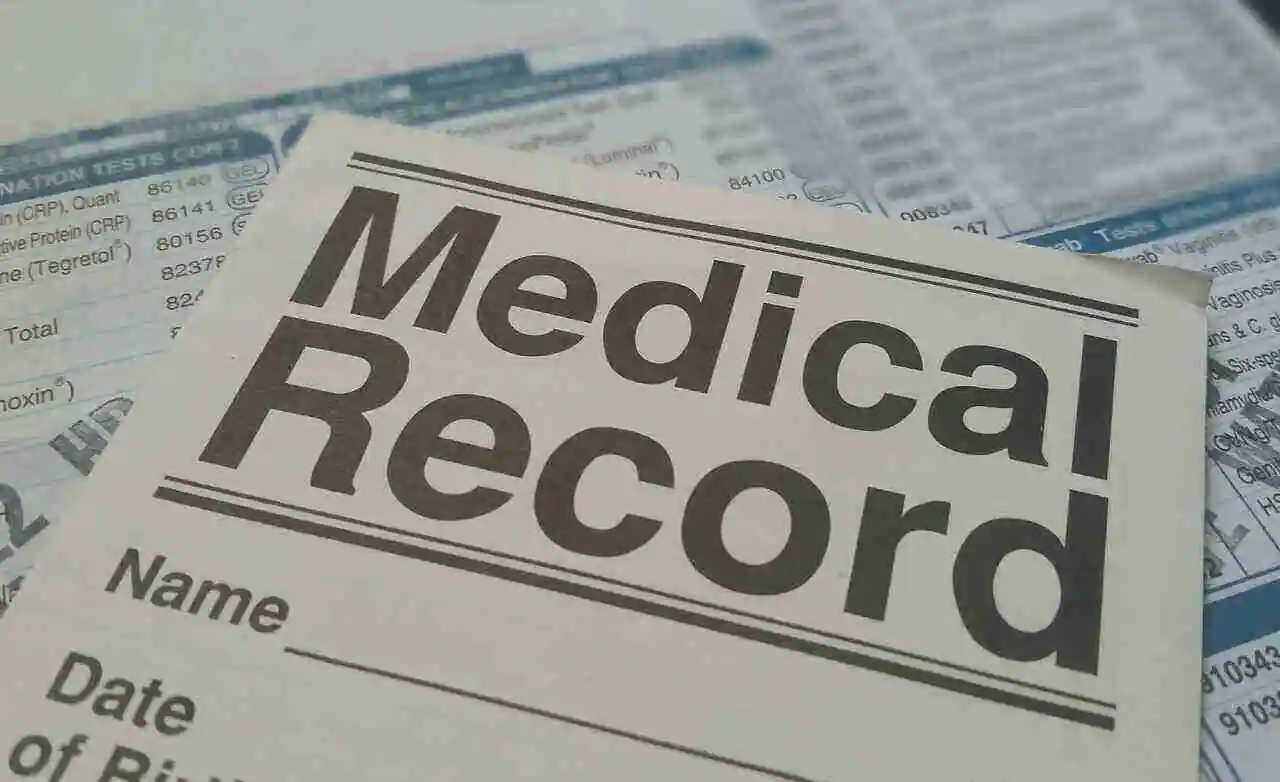
A patient’s Information keeps changing. As the treatment progresses, patients show both signs of improvement and sometimes even regression. Your job as a medical professional is to ensure that a patient’s medical record is updated on time. This includes their contact information, assessment about their illness, patient summary, code status, and even contingency plans. You can’t skim important details since all it takes is the wrong medication for their condition to worsen. Since this information is accessible on cloud software, it is easier to edit and correct medical databases instead of writing all the data from scratch. Corodata states that managing patient records within a healthcare organization or practice is no easy task, due to the sheer volume of information. This requires an infrastructure capable of taking care of storage, scanning, shredding and general hospital records management. This is why it’s in your best interest to contact a records management company to help keep everything organized.
8. Don’t clutter information
A medical record is not a journal. You can’t cluster Information together since doctors have a small amount of time to prepare themselves before checking in with the patient. This includes reading their Information before going into surgery, administering medicine, etc. Therefore you should know how to be as concise as possible. Don’t drag unnecessary Information, such as if a patient is idle 5 out of 12 hours. Your chart should only include information that is easy and quick to comprehend
9. Have a hospital protocol
A hospital protocol can be a guideline on how to perform a patient’s checkup. It includes tagging a patient with the relevant code and what mnemonics should be in the medical chart. This can help doctors write their notes and records in a way that other medical professionals can understand. This practice can save a patient instead of wasting time explaining a patient’s condition.
Wrap up
Miscommunication in a hospital setting is lethal. The chances of fixing mistakes caused by miscommunication are incredibly slim. In most cases, they end up becoming a heavy legal lawsuit. So for hospitals to avoid any cause of miscommunication, medical professionals and staff must take their time to talk and record details about their patients. Communication needs to happen between patients and doctors as well as between doctors. Finally, there needs to be a hospital protocol to ensure every medical professional knows all the proper SOPs for recording patient information and communicating it. If the healthcare sector follows these rules to the t, there will be minimal to no miscommunication.