


In romantic relationships, most people can recognize traditional forms of cheating—physical affairs or deep emotional attachments outside the partnership. But there’s a gray area many couples encounter, where a partner’s actions may feel suspicious without being overtly disloyal. This behavior, which may look like harmless charm or flirtation with someone outside the relationship, is increasingly being recognized by psychologists as micro-cheating.
Micro-cheating includes seemingly small actions that indicate potential emotional or relational disloyalty. While these behaviors might not meet the classic definition of cheating, they can still affect trust and intimacy between partners.
What Exactly Is Micro-Cheating?
Micro-cheating is a pattern of subtle behaviors that, while not always visible or clearly wrong, may cross relationship boundaries. These acts are typically not physical but emotional or social, and they can occur online or in real life. What makes them particularly confusing is that the person engaging in them might not even realize they’re doing something harmful.
Examples include regularly liking or commenting on suggestive photos of others on social media, frequently messaging someone in a flirtatious or intimate manner, or sharing deeply personal details with someone outside the romantic relationship. It can also include secretive communication, downplaying a relationship with someone else, or keeping certain interactions hidden from a partner.
In the workplace, for instance, micro-cheating may involve overly intimate conversations with a colleague, seeking validation from someone other than a partner, or even fantasizing about what it might be like to be with someone else—without acting on it directly.
What Drives People to Micro-Cheat?
There are a variety of factors that contribute to micro-cheating. For some individuals, this behavior is intentional and habitual—they may enjoy the thrill of getting attention from others while maintaining their primary relationship. These individuals might also be accustomed to pushing boundaries in relationships without facing consequences.
For others, micro-cheating is not deliberate. It may stem from feeling emotionally unfulfilled or disconnected from their current partner. When someone feels overlooked or underappreciated, they may subconsciously seek emotional validation elsewhere. This can start with seemingly harmless interactions that grow more personal over time.
Psychological and biological factors also play a role. Some evolutionary psychologists suggest that humans naturally keep a “backup mate” in mind. This internal safety mechanism may have developed to ensure survival and reproduction, leading people to subconsciously assess alternatives even while in a committed relationship. This evolutionary tendency could manifest today in subtle behaviors that resemble micro-cheating.
Personal circumstances such as low self-esteem, dissatisfaction with life, unresolved trauma, or identity struggles may also contribute. If someone is dealing with emotional voids or struggling with their sense of self-worth, attention from others outside the relationship might serve as a temporary boost, even if it undermines their current partnership.
The Impact of Micro-Cheating on Relationships
Though often overlooked, micro-cheating can create real emotional damage. One of the most immediate consequences is that the attention and energy being given to someone outside the relationship can result in emotional neglect at home. When one partner begins to look elsewhere for affirmation or excitement, the bond with their primary partner can weaken.
This behavior often triggers a cascade of problems. The partner who is not involved in the micro-cheating may begin to feel insecure, anxious, or disrespected. They might not fully understand why they feel unsettled, but they sense a change in their partner’s emotional availability. These feelings can build up and lead to arguments, resentment, or mistrust.
Another effect of micro-cheating is the loss of exclusivity in emotional connections. Intimate relationships thrive on trust, openness, and emotional safety. If one partner starts to create emotional closeness with someone else—without the other’s knowledge or consent—it undermines the foundation of trust and partnership. Over time, the relationship may suffer from a breakdown in communication, emotional distance, and even a growing sense of betrayal.
In some relationships, behaviors that appear harmless to one partner may be deeply hurtful to the other. For instance, flirtation may be seen by one person as harmless and playful, while the other perceives it as a form of betrayal. These mismatched perceptions can create emotional dissonance and lead to unmet expectations or frustration on both sides.
How to Prevent Micro-Cheating Before It Starts
One of the most effective ways to prevent micro-cheating is to proactively discuss boundaries and relationship expectations. Many couples assume they share the same definitions of exclusivity and loyalty, but that isn’t always the case. Without clear communication, each person brings their own understanding of what’s appropriate and what’s not.
A key time to have this discussion is when the couple first agrees to be exclusive. Partners should ask each other direct questions such as:
-
What behaviors do we consider inappropriate with others?
-
Is flirting acceptable in certain contexts?
-
How do we define emotional infidelity?
-
What are our expectations regarding social media behavior?
Discussing these topics helps establish mutual trust and avoids confusion down the road. It also gives each person the opportunity to express what they need in the relationship to feel safe, valued, and respected.
When it comes to social media, for example, one partner may not be bothered by flirty comments or interactions, while the other finds them inappropriate. Establishing shared guidelines can prevent future conflict and misunderstandings.
What to Do If You Suspect Your Partner Is Micro-Cheating
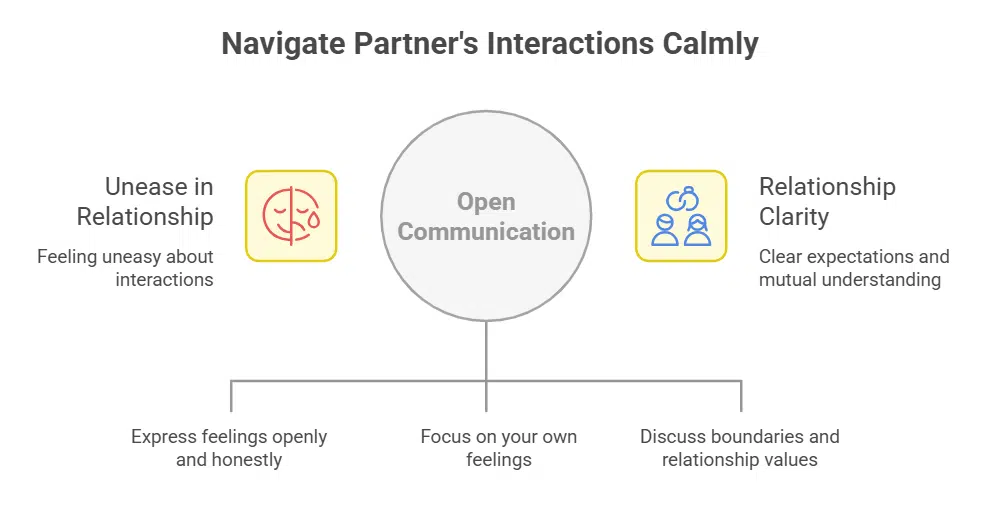
If you begin to feel uneasy about your partner’s interactions with someone else, it’s essential to approach the situation with calmness and emotional maturity. Instead of making accusations or lashing out, frame the conversation in a way that encourages honesty and understanding.
Start by acknowledging your own feelings and expressing them openly. Avoid blaming language and focus on how the behavior made you feel. This makes your partner less likely to become defensive and more likely to engage in a productive conversation.
For example, instead of saying, “You’re always flirting with your coworker,” try saying, “I’ve been feeling uneasy when I see how close you are with your coworker, and I’d like to talk about what feels okay and what doesn’t in our relationship.”
If your partner hasn’t intentionally crossed boundaries but didn’t know how you felt, this conversation can help redefine expectations. If, however, they continue to act in ways that violate previously agreed-upon boundaries, then it may be time for a deeper discussion about trust and relationship values.
It’s also important not to ignore your concerns. Emotional silence or avoidance often sends the message that the behavior is acceptable, even when it’s not. Addressing it directly but respectfully can help prevent further damage and promote clarity.
Can Micro-Cheating Turn Into Full-Blown Infidelity?
While not all micro-cheating leads to a full affair, it can definitely pave the way. Micro-cheating can act as a gateway behavior, especially when the emotional connection outside the relationship deepens and begins to fulfill unmet needs.
For individuals who are already struggling with emotional dissatisfaction, attention from someone else can feel like a lifeline. If the micro-cheating behavior is rewarded with validation, admiration, or excitement, the person may begin to crave those interactions more and more.
This reinforcement can create a feedback loop. The more a person engages in micro-cheating and feels fulfilled by it, the more likely they are to continue—even if it slowly escalates into emotional or physical infidelity.
Moreover, as micro-cheating increases, the investment in the primary relationship tends to decrease. Communication may suffer, emotional distance may grow, and trust may deteriorate. Eventually, what began as seemingly innocent interactions can evolve into full-scale betrayal.
Why Paying Attention to Micro-Cheating Matters
Micro-cheating may appear minor at first, but its emotional consequences can be significant. It represents a breach of trust that, over time, can affect the health of a relationship—sometimes permanently.
The best protection against micro-cheating is honest communication, mutual understanding, and shared values about emotional and physical exclusivity. Partners who proactively define their boundaries and stay emotionally connected are less likely to engage in behaviors that cause harm.
By recognizing the early signs of micro-cheating and discussing concerns openly, couples can strengthen their relationships and avoid unnecessary heartache.
























