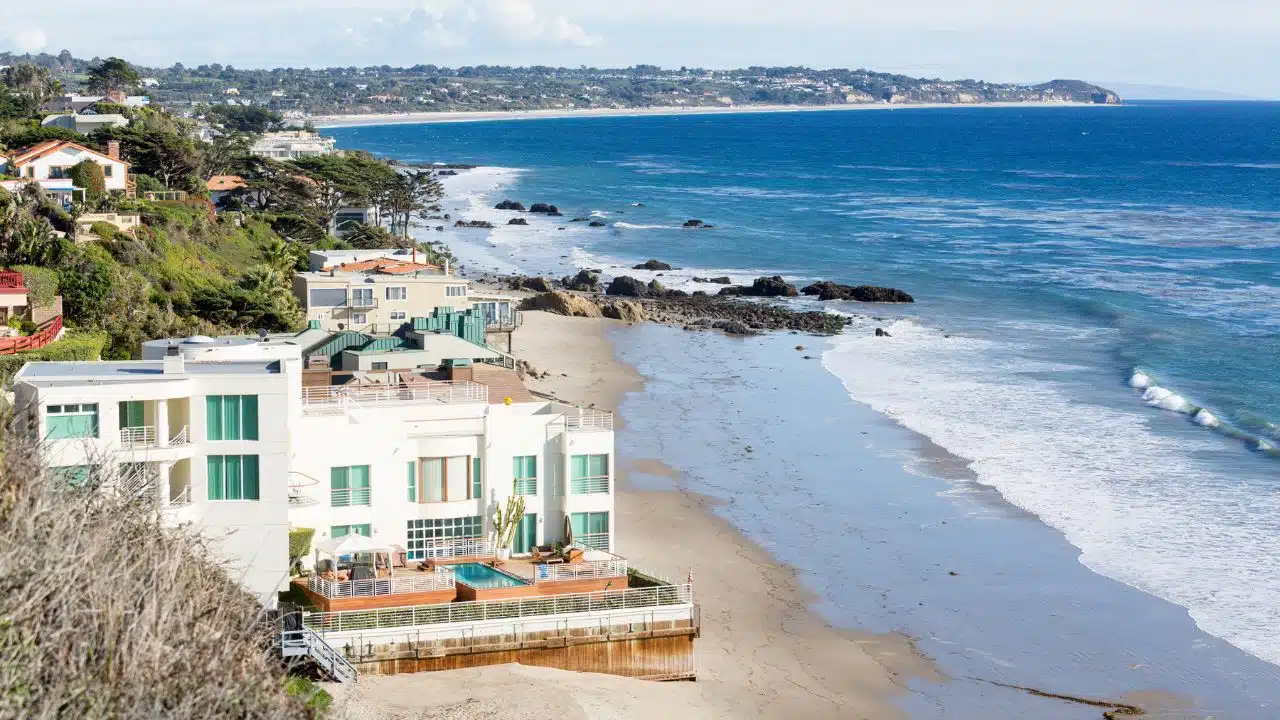
Malibu’s coastline has always attracted those seeking more than just a view—it’s a canvas for architectural creativity shaped by sun, salt, and shifting tides. In recent years, a quiet change has taken root. The classic beach house, with its predictable forms and nostalgic nods, is giving way to something more thoughtful: homes designed not just to exist by the ocean, but to live in harmony with it.
At the heart of this transformation is a group of designers reimagining coastal living from the ground up. Through their work, local architects are introducing a new beach house vernacular—one that balances subtle luxury with environmental intelligence. These homes are less about spectacle and more about flow, comfort, and a sense of belonging to the land they occupy.
Shifting Away From Traditional Coastal Templates
A quiet rebellion is underway along the coast, where Malibu architects are challenging the tropes of the classic beach house. Instead of weathered shingles and nautical clichés, they’re using bold materials like board-formed concrete, frameless glass, and oxidized metal to create homes that disappear into the shoreline rather than dominate it. These choices aren’t just stylistic—they reflect a deeper shift toward authenticity and restraint.
Elements like driftwood are integrated not as decoration, but as structural or sculptural features, reinforcing a connection to place. This emerging language of design favors subtlety over spectacle, blending beauty with intention in every decision.
Sustainability as a Design Philosophy
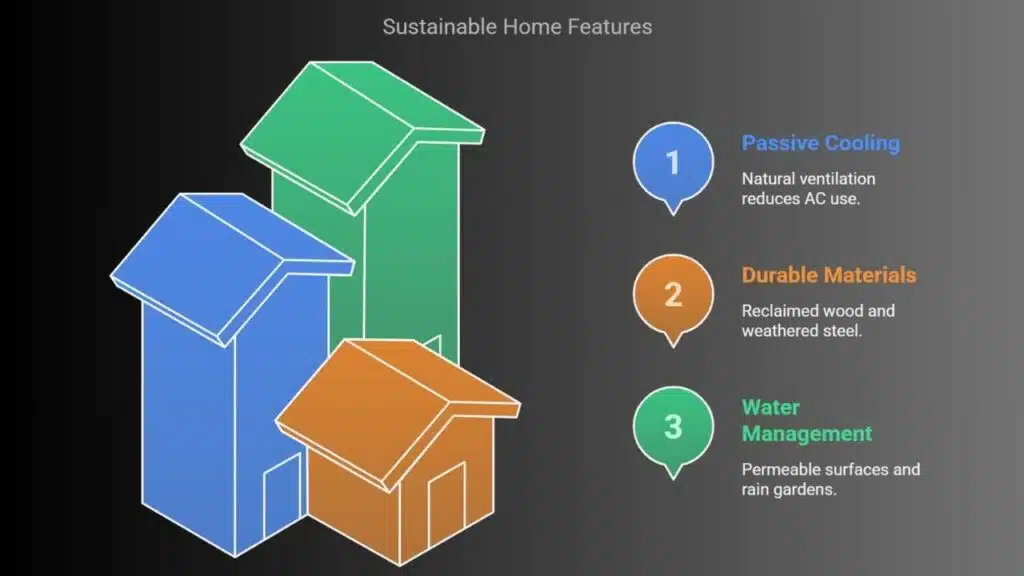
Malibu architects are redefining what it means to build responsibly on the coast. New homes use features like extended rooflines for shade and cross-ventilation strategies that invite ocean breezes, reducing reliance on air conditioning. Materials such as reclaimed wood and weathered steel are chosen not just for durability, but for how they age naturally in the salt air.
Landscape design plays a key role too—permeable surfaces, bioswales, and rain gardens manage runoff while supporting native plant life. These integrated choices create homes that feel grounded in their setting and capable of adapting to the demands of a coastal climate.
Privacy Architecture Without Walls
Privacy in beach homes is getting a modern update. Instead of using walls to separate spaces, architects design layouts that offer privacy through smart planning. For example, guest rooms are placed away from main living areas, giving everyone their own space while keeping a connection to the rest of the home.
Natural features and plants help block views without feeling closed off. Small changes in ceiling height or using different textures can create a sense of separation within open spaces. This style lets people enjoy both openness and privacy, making gardens and greenery from local nurseries an important part of the overall design.
Interior Design as a Continuation of Architecture
In Malibu beach homes, interior design flows directly from architectural intent, creating a seamless experience between indoors and out. Built-in elements like concrete benches and floating shelves echo the forms and materials of exterior structures. Open layouts, continuous ceiling lines, and large glass doors dissolve boundaries, making the home feel expansive and connected to the landscape.
Natural textures tie spaces together—reclaimed oak, limestone, and raw plaster appear throughout both living areas and outdoor terraces. This consistent palette creates harmony and quiet cohesion, allowing each room to feel like an extension of its surroundings rather than a separate environment.
Prioritizing Movement and Flow Over Static Grandeur
Modern beach homes in Malibu focus more on how they feel and function than on looking grand. Layouts are open and easy to move through, making the house feel light and spacious. Wide central corridors often lead directly to ocean-facing patios, encouraging natural movement through the home. Floating staircases help keep the space airy and visually open.
Many rooms serve more than one purpose. A space can be a lively social area one day and a peaceful retreat the next. Hallways and reflecting pools are placed to draw your eyes toward the ocean, with views changing as light and tides shift. Using flexible furniture at home can make rooms more adaptable, supporting different activities without clutter.
Malibu beach homes are entering a new era, shaped by a desire for comfort, connection, and thoughtful design. Instead of chasing trends or making bold statements, architects focus on how homes feel, function, and respond to their surroundings. Spaces invite natural light, encourage movement, and offer privacy without feeling closed off. Materials echo the terrain, creating a quiet continuity between indoors and out. These designs reflect a deeper respect for place—calm, resilient, and refined. For those considering a coastal home, working with local designers offers insight into this changing style rooted in both beauty and purpose.