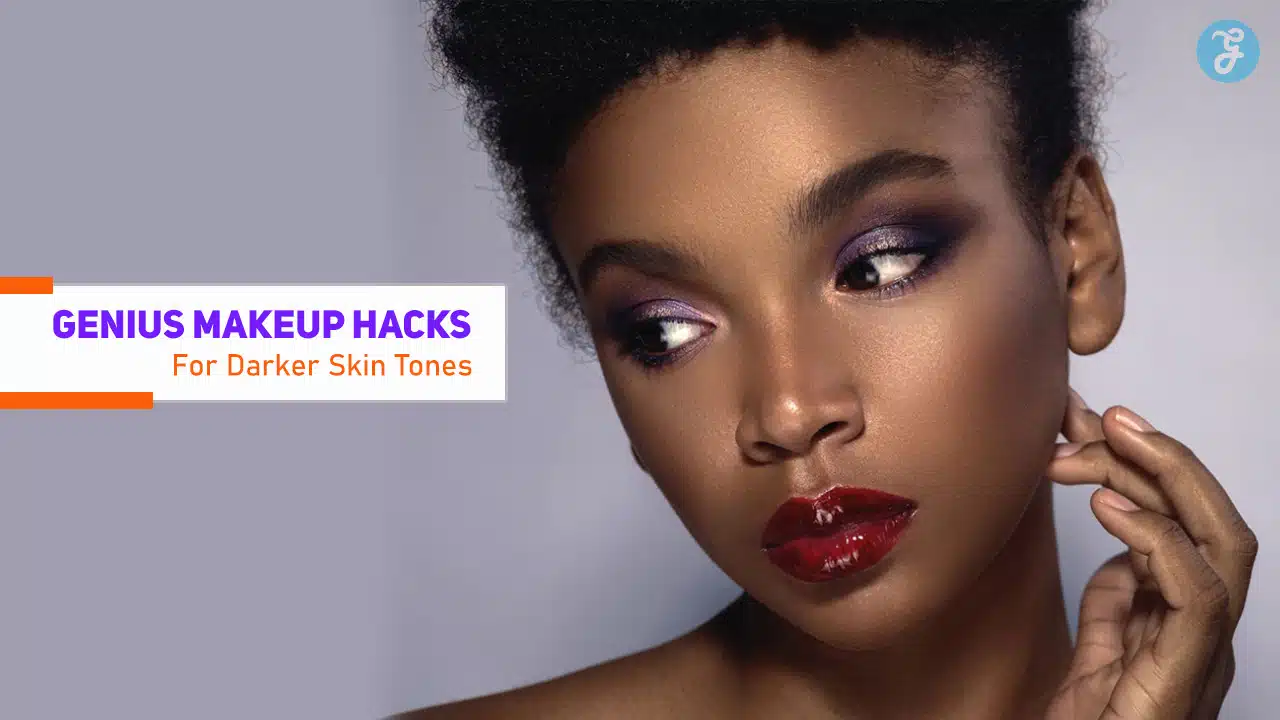
Makeup is a powerful form of self-expression, and for those with darker skin tones, it provides the opportunity to enhance and celebrate unique features.
Unfortunately, the beauty industry has historically overlooked the specific needs of deeper complexions.
However, with more inclusive products and innovative techniques, it’s easier than ever to create stunning, tailored makeup looks.
In this guide, we dive deep into ten genius makeup hacks that can transform your routine and ensure you achieve a flawless, radiant finish.
1. Embrace the Right Foundation Shade
The key to any makeup look starts with the right foundation. For darker skin tones, the challenge lies not just in finding a shade that matches your complexion but also in identifying the right undertones—warm, cool, or neutral—that complement your skin.
Tips for Selecting Foundation:
- Swatch Test: Always swatch foundation along your jawline instead of your wrist or hand. The skin on your face and neck can be different shades, and testing on the jawline ensures a more accurate match.
- Undertone Identification:
- Warm Undertones: Look for golden or yellow-based foundations, which bring out the natural warmth of your skin.
- Cool Undertones: Pink or blue-based foundations work well for cooler undertones, helping neutralize redness.
- Neutral Undertones: If you have a blend of warm and cool tones, opt for neutral foundations. These balance both undertones and provide a natural finish.
Additional Foundation Tips:
- Test in Natural Light: Always test your foundation in natural lighting. Artificial lighting can distort how your foundation looks, making it appear either too light or too dark.
- Mixing Shades: If you’re struggling to find the perfect match, don’t hesitate to mix two different shades to get your ideal color.
- Foundations that Cater to Darker Skin Tones: Brands like Fenty Beauty, NARS, and MAC have extensive shade ranges designed for deeper complexions, making it easier to find your match.
2. Use Color Correctors Wisely
Hyperpigmentation, dark spots, and under-eye circles are common concerns for those with darker skin tones. Color correctors are your secret weapon to neutralize these areas before applying foundation or concealer.
Effective Color Correctors:
- Orange/Peach Correctors: Ideal for neutralizing dark spots, under-eye circles, and hyperpigmentation. They blend seamlessly into deeper skin tones.
- Green Correctors: Green helps cancel out redness from acne or skin irritation.
- Yellow Correctors: Great for counteracting dullness or redness, especially effective on medium to deep skin tones.
Application Tips:
- Pat, Don’t Swipe: Use your ring finger or a makeup sponge to gently pat the corrector onto problem areas. Avoid swiping, as this can move the product around too much and disturb the layers underneath.
- Layering: Allow the corrector to dry slightly before applying foundation. This prevents the colors from mixing, which can lead to a muddy appearance.
3. Choose the Right Concealer

A well-chosen concealer is indispensable in any makeup routine, especially when you want to brighten dark circles or cover blemishes.
Best Practices:
- Two Shades: Keep two concealers handy—one that matches your foundation for covering blemishes, and one that’s one or two shades lighter for highlighting areas like under the eyes.
- Texture Matters: Creamy concealers work best for darker skin tones. They blend easily, providing coverage without settling into fine lines.
Application Techniques:
- The Triangle Method: For under-eye brightening, apply concealer in a triangle shape that extends from the inner corner of your eye to the apples of your cheeks. This technique not only conceals but also gives a lifted appearance.
- Dabbing Technique: Gently tap the concealer into your skin with your ring finger or a damp beauty sponge, allowing for a seamless, natural finish.
4. Experiment with Bold Eye Looks
Darker skin tones naturally enhance vibrant, bold eye looks. This is your chance to experiment with a variety of colors that can make your eyes pop.
Tips for Eye Makeup:
- Vibrant Eyeshadows: Jewel tones—such as emerald greens, royal blues, and rich purples—create stunning contrasts on deeper skin. These shades can be used to create both everyday and dramatic looks.
- Eyeliner Options: Don’t be afraid to explore colored eyeliners, like teal, purple, or gold. These shades add a fun and fresh twist to your makeup, drawing attention to your eyes.
Application Techniques:
- Layering for Intensity: Build up the intensity of bold eyeshadows by layering. Start with a light wash of color and gradually add more pigment for a more dramatic finish.
- White or Colored Base: To make eyeshadows pop even more, apply a white or colored base underneath. This trick enhances vibrancy and ensures your eye makeup lasts longer.
5. Highlight to Enhance Your Glow
Highlighter is essential for adding dimension and glow, but choosing the right shade is crucial to avoid an ashy finish on darker skin.
Highlighter Choices:
- Gold and Bronze: These shades complement deeper complexions beautifully, creating a radiant, sun-kissed glow.
- Avoid Icy Shades: Pale, frosty highlighters can appear ashy, so steer clear of these in favor of warm-toned options.
Highlighting Tips:
- Focus on High Points: Apply highlighter to the tops of your cheekbones, brow bones, and the bridge of your nose for a naturally luminous effect.
- Layer for Extra Glow: For a long-lasting, intense glow, layer a liquid highlighter under your foundation, and top it off with a powder highlighter.
6. Play with Blush Shades
Blush is often overlooked, but it adds life and warmth to your face, making it a crucial step in your makeup routine.
Best Blush Shades:
- Corals and Berries: These shades bring a natural flush to the cheeks, brightening the complexion and enhancing your natural beauty.
- Deep Reds and Plums: Rich, dark tones offer stunning contrast on deeper skin, adding a striking yet natural finish.
Application Techniques:
- Smile and Apply: Apply blush to the apples of your cheeks and blend upwards towards your temples. This creates a natural lift to your face.
- Layer Lightly: Build up color gradually, starting with a light application and adding more as needed.
7. Opt for Cream Formulas
Cream products work wonderfully for deeper skin tones, offering a natural, dewy finish.
Benefits of Cream Products:
- Easy to Blend: Cream formulas—like blushes, bronzers, and highlighters—melt seamlessly into the skin, offering a radiant, natural glow.
- Hydrating: Many cream formulas are infused with moisturizing ingredients, making them perfect for those with dry or combination skin.
Application Tips:
- Use Fingers or Sponges: Warm the cream product with your fingers or a damp sponge, then blend it into your skin for a flawless finish.
- Layering: Start with a light layer and build up for more intensity to achieve your desired look.
8. Define Your Lips with Bold Colors
Darker skin tones can pull off a wide range of lip colors, from deep, rich shades to vibrant hues.
Flattering Lip Shades:
- Berry and Plum: These shades add sophistication and depth to deeper skin tones, creating a polished look.
- Bold Reds: Look for shades with blue undertones for a timeless, classic red lip that stands out.
Application Hacks:
- Lip Liner: Outline your lips with a liner to define their shape and prevent feathering. Opt for a liner that matches your lipstick or is slightly darker for a fuller effect.
- Dabbing Technique: For a more blended, softer look, apply lipstick with your fingertip, or use a lip brush for a more precise finish.
9. Set Your Makeup with the Right Powder

Setting your makeup is essential, especially for oily skin, to ensure it lasts all day.
Powder Choices:
- Translucent Powders: Choose translucent powders formulated for darker skin tones to avoid a chalky finish. Tinted translucent powders offer a natural matte look without dulling your glow.
- Tinted Setting Powders: These powders provide extra coverage while controlling shine and complementing your skin tone.
Application Technique:
- Light Hand: Use a fluffy brush to apply powder lightly over areas that tend to get oily, like the T-zone. Avoid applying too much powder to prevent a cakey finish.
- Press with a Sponge: For more targeted areas, use a damp sponge to press powder into the skin, locking in your makeup without making it appear dry.
10. Don’t Forget Skin Prep
A smooth, well-prepped canvas is key to flawless makeup. Your skincare routine should be tailored to your skin’s unique needs.
Pre-Makeup Routine:
- Moisturize: Choose a moisturizer suited to your skin type. Hydrating formulas work wonders for dry skin, while mattifying moisturizers help control oil.
- Primer: Apply a primer to create a smooth base, minimizing the appearance of pores and helping your makeup stay in place all day.
Long-Term Skincare:
- Exfoliate Regularly: Regular exfoliation removes dead skin cells, ensuring a smooth base for makeup and a more even complexion.
- Sunscreen: Always wear broad-spectrum sunscreen, even if you have deeper skin. This prevents hyperpigmentation and protects your skin from UV damage.
Conclusion
Makeup is an art form that can help you enhance your natural beauty and express your individuality.
With these ten genius hacks tailored specifically for darker skin tones, you can create flawless, radiant looks that highlight your unique features.
Experiment with different techniques, find the products that work best for you, and remember that the most important aspect of makeup is how it makes you feel—confident, empowered, and uniquely beautiful. Happy makeup-ing!