The era of the mindless thrift haul is officially over. We all remember the 2022 version of this trend. It involved a creator sitting on a bedroom floor surrounded by mountains of cheap plastic bags. They would dump out twenty polyester tops bought for five dollars each. It was fast fashion in a vintage mask. It was loud. It was wasteful. It was messy.
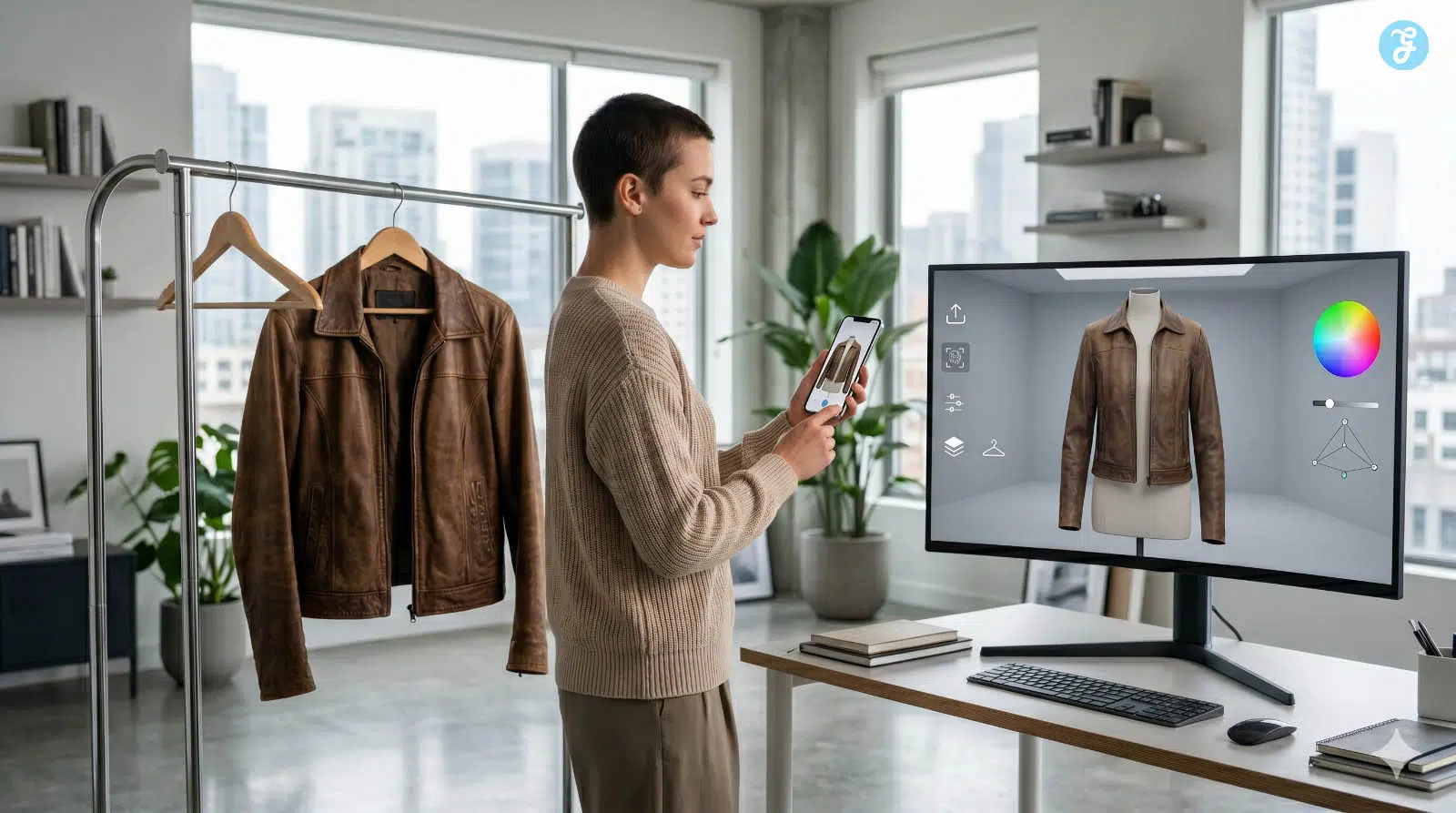
Fast forward to 2026. The vibe has shifted entirely. Today, the modern shopper is a digital upcycler. This is the era of sustainable digital fashion. They do not just buy an old leather jacket from a Mumbai bazaar or a Brooklyn basement. They scan it. They refine it. They give it a second life in the cloud before it ever touches their skin.
The phygital shift is the bridge between our physical closets and our digital identities. Every garment now lives a double life. One version hangs on a wooden hanger. The other exists as a high-fidelity digital twin. This twin allows for virtual try-ons and social media styling without the environmental cost of shipping or manufacturing.
Bridging the Gap: How the Digital Twin Redeems the Physical Closet
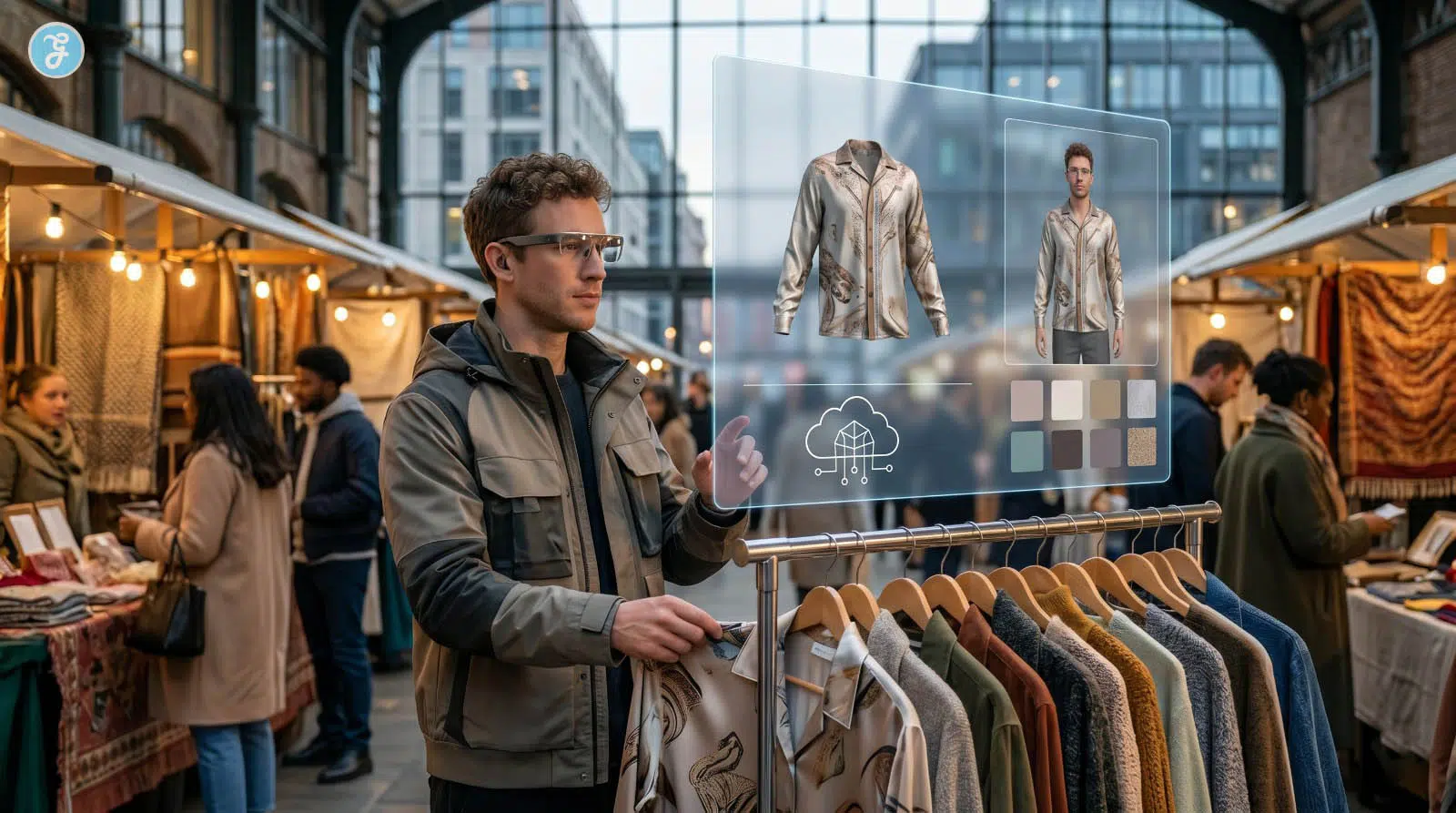
Imagine finding a unique silk shirt in a local market. In the past, you might worry about the fit or how to style it. In 2026, you simply scan the fabric with your phone.
Instantly, a digital twin of that shirt appears on your screen. You can virtually try it on to check the drape or see how it looks in your social media photos. This tech allows us to style, trade, and even alter clothes in the cloud before they ever enter a shipping box.
The High Tech Foundation of the Circular Closet
The modern wardrobe is no longer built on heavy machinery or assembly lines. It is built on data. In 2026, the digital upcycler relies on a sophisticated tech stack to make secondhand shopping feel premium. These tools turn a risky purchase into a guaranteed win by solving the oldest problem in the industry: the fit.
AI as the Master Tailor
Sizing is the primary barrier to circular fashion. A dress from 1950 does not fit like a dress from 2026. AI now acts as the master tailor. Modern algorithms can look at a flat photo of a vintage silhouette and calculate its exact dimensions. These tools go beyond just measuring. They suggest modern alterations. The software might suggest shortening a hem or tapering a sleeve to suit current trends. This allows shoppers to see the potential in a piece of fabric before they ever pick up a needle. It turns an outdated garment into a custom fit masterpiece.
Augmented Reality and the Fit Risk
Buying used clothes online used to be a gamble. Returns were difficult and shipping was expensive. Augmented Reality (AR) has solved this problem. High fidelity virtual try-ons allow you to see a garment on your own body in real time. Your phone camera captures your movement and overlays the digital twin of the clothing. You can see how the fabric moves when you walk. You can check if the color complements your skin tone. This eliminates the fit risk that once fueled the fast fashion cycle. When you know exactly how it looks, you buy with confidence.
Blockchain and the Verified Asset
Trust is the most valuable currency in the high-end vintage market. No one wants to pay top dollar for a luxury bag that might be a fake. Blockchain technology is providing the solution through digital passports. When a designer item is resold, its history is tracked on a secure ledger. This creates a permanent record of its origin and ownership. These NFTs (non-fungible tokens) act as a certificate of authenticity. They turn a used coat into a verified asset. By using this tech, the resale market gains a level of security that even traditional retail struggles to match. The result is a transparent system where quality is guaranteed by code.
The New Guard of the Sustainable Fashion Movement
The 2026 consumer has moved past the simple act of buying. They have become active participants in the life cycle of their clothing. This shift has birthed a new professional and social identity. This person does not just shop. They curate. They code. They create.
The Anatomy of a Digital Upcycler
The digital upcycler is a hybrid of three distinct roles. First, they are a curator with a sharp eye for hidden gems in a sea of discarded textiles. Second, they are a technologist who understands how to use 3D modeling to reimagine old silhouettes. Finally, they are an activist. Their work is a quiet protest against the mountain of waste produced by traditional retail. They do not see a frayed hem as a flaw. They see it as a data point for a new design. By blending high tech skills with a passion for history, they have made sustainable digital fashion the ultimate status symbol.
Selling the Look and the Fabric
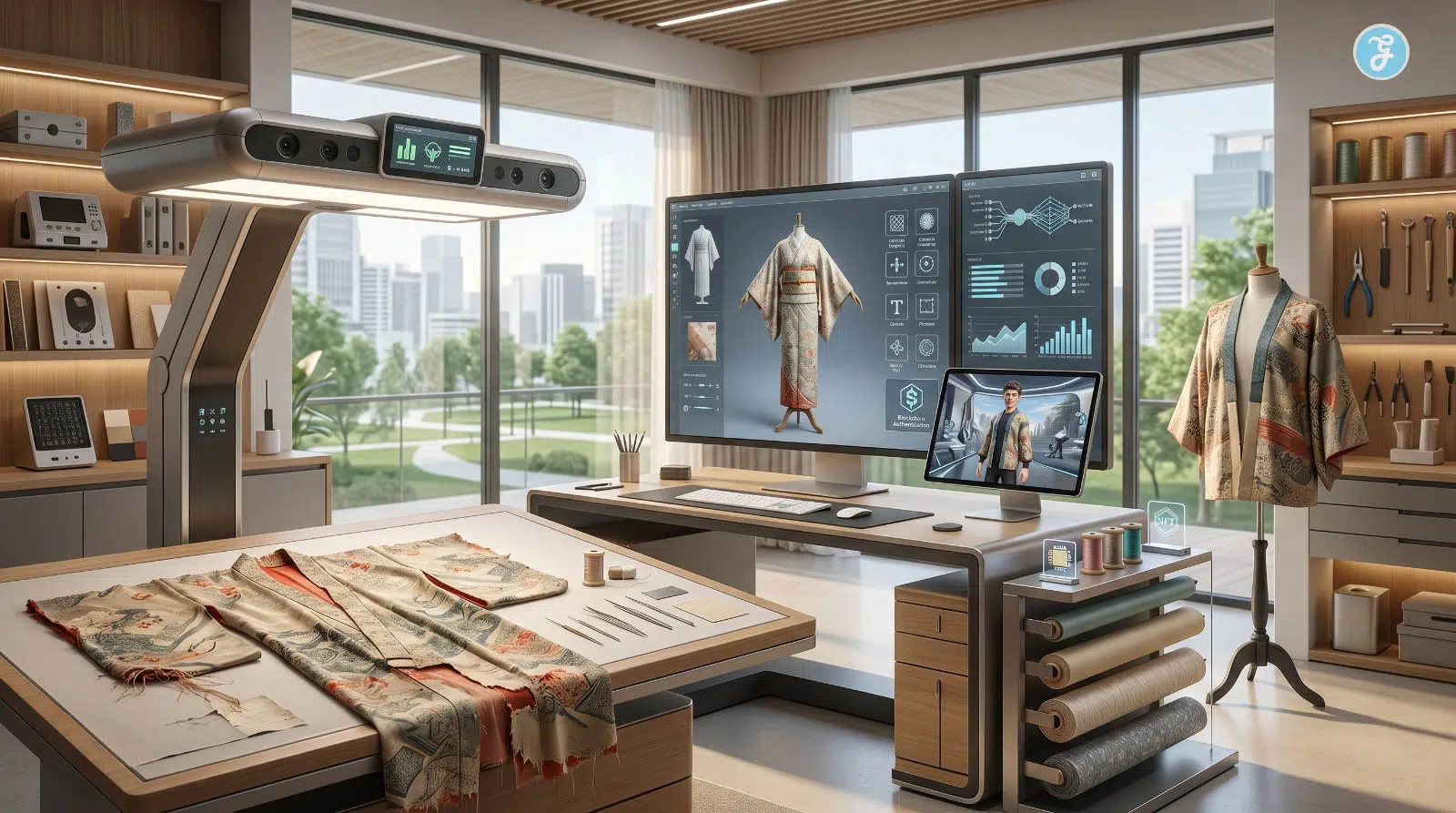
Consider the workflow of a modern independent designer. Many now use specialized platforms like Style3D to bridge the gap between virtual and physical goods. A creator finds a vintage silk kimono with a damaged sleeve. Instead of tossing it, they scan the textile and create a perfect 3D digital twin. They can then sell the “look” as a digital skin for gaming avatars or social media filters. This provides immediate income. Meanwhile, they carefully repair the physical garment into a one-of-a-kind jacket for a collector. The digital version pays for the time spent on the physical craft.
A New Revenue Model for Circularity
This double sale model is changing the economics of the thrift industry. In the past, a seller made money only once. Now, a single piece of vintage fabric can generate revenue across multiple platforms. The digital twin lives forever in the metaverse while the physical garment travels to its new home. This approach reduces the pressure to constantly source new inventory. It allows the upcycler to focus on quality over quantity. Technology has turned the act of saving a single shirt into a scalable, profitable business model. It is a win for the creator, the consumer, and the planet.
Empowering the Global Creator Through Digital Equity
The phygital movement is breaking down the geographical walls of the fashion industry. It is no longer a system where a few Western cities dictate global trends. By leveraging digital tools, the circular economy is becoming a truly global meritocracy. This shift is leveling the playing field for creators everywhere.
Local Craft on a Global Stage
Creators in the Global South are the new leaders of this revolution. In the past, a talented artisan in India or Vietnam might have been limited to local foot traffic. Today, they can scan an upcycled vintage textile and share its digital twin with a buyer in London or Tokyo. Digital storefronts allow these creators to showcase the intricate detail of localized craft without the cost of a physical showroom. This tech provides a direct link between traditional handiwork and the global market. It preserves cultural heritage while generating modern wealth.
The Environmental Math of Moving Pixels
The carbon savings of phygital thrift are measurable and significant. Traditional linear production models rely on a heavy logistics chain. This involves shipping samples back and forth across oceans. In the phygital model, we move pixels instead of fabric during the trial phase. Virtual try-ons reduce the return rate of online secondhand purchases by over 30 percent. This means fewer trucks on the road and fewer planes in the air. We are effectively slashing the logistics footprint of the industry. By finalizing the fit in the digital space, the physical garment only travels once. We are replacing physical waste with digital precision.
Making Disposable Style Obsolete
We are witnessing the social death of fast fashion. For decades, “disposable” clothes were the only way for many to access current trends. Phygital thrift has changed the hierarchy. When one-of-a-kind vintage styles become easy to find and fit, mass-produced polyester starts to look inferior. The digital upcycler has made uniqueness the ultimate status symbol. A cheap, generic shirt cannot compete with a garment that has a history and a verified digital identity. Sustainability is finally winning because it has become more aesthetically desirable than the alternative.
The End of the Disposable Retail Monopoly
Technology has successfully dismantled the dominance of mass-market polyester. Convenience was once the primary weapon for major retail chains. Now, AI-driven search and AR try-ons have made circular style just as easy as buying a new item. Consumers are realizing that they do not have to choose between the planet and their personal style. They can have both. This shift is starving the industry of its primary fuel: the constant demand for cheap, low-quality novelty. In 2026, a forward-thinking wardrobe is one that values longevity and verified authenticity over a quick, disposable trend.
The Friction Points of a High Tech Revolution
High-tech solutions bring their own set of physical costs. We are merging the tactile world of vintage fabric with the high-speed world of data, but this collision creates friction. We must manage the environmental impact of a heavy digital footprint while protecting human privacy. The aim is to use code to support the human experience, rather than surrendering it to an algorithm.
The Paradox of Digital Weight
There is a strange tension at the heart of this movement. We are using data to save the physical world, but data itself has a cost. Running high fidelity AR and AI requires massive computing power.
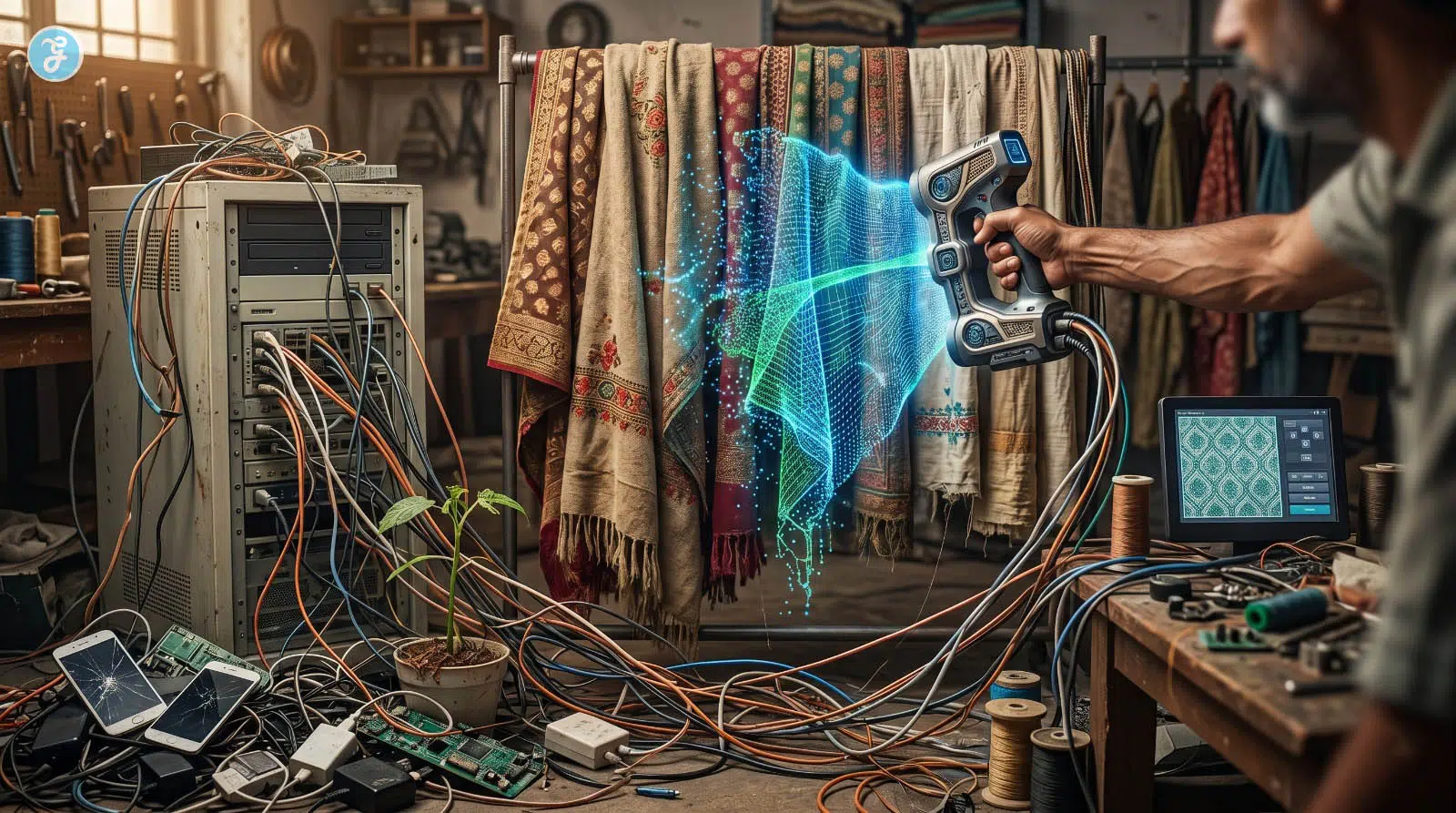
This energy use creates its own environmental footprint. Additionally, scanning our bodies for virtual try-ons raises serious privacy concerns. We must ensure that our quest for sustainable digital fashion does not trade our personal data for a better fit. The industry needs to find a balance between tech efficiency and true physical sustainability.
Preserving the Soul of the Find
Thrifting has always been about the thrill of the hunt. It is the joy of finding a hidden gem in a crowded bin. Some worry that AI algorithms will make the experience too predictable. If a computer always tells you exactly what you like, you lose the serendipity of the unexpected discovery. We must protect the “soul” of the secondhand market. The tech should act as a helpful guide, not a rigid filter. The most memorable fashion moments often come from the items we did not know we were looking for.
Closing the Digital Divide
For phygital thrift to truly work, it must be inclusive. There is a real risk that high tech tools could become a barrier to entry. We cannot allow this movement to become an exclusive club for those with the latest smartphones. Lower income communities and small scale sellers need affordable access to these tools. If the cost of the tech exceeds the cost of the clothes, we have failed. True democratization means ensuring that a street vendor can use these platforms as easily as a luxury boutique.
The Human Touch in a Coded World
At the end of the day, fashion is a deeply human form of expression. Technology is merely the medium. We must prioritize the artisans, the menders, and the collectors who give these clothes their history. A digital twin is a useful tool, but it cannot replace the feeling of well-worn silk or heavy wool. As we move further into 2026, the challenge will be keeping the “human” in human-centric design. We must use code to support our physical lives, rather than letting the screen become the destination itself.
The New Standard: Why the Future of Fashion is Already in Your Closet
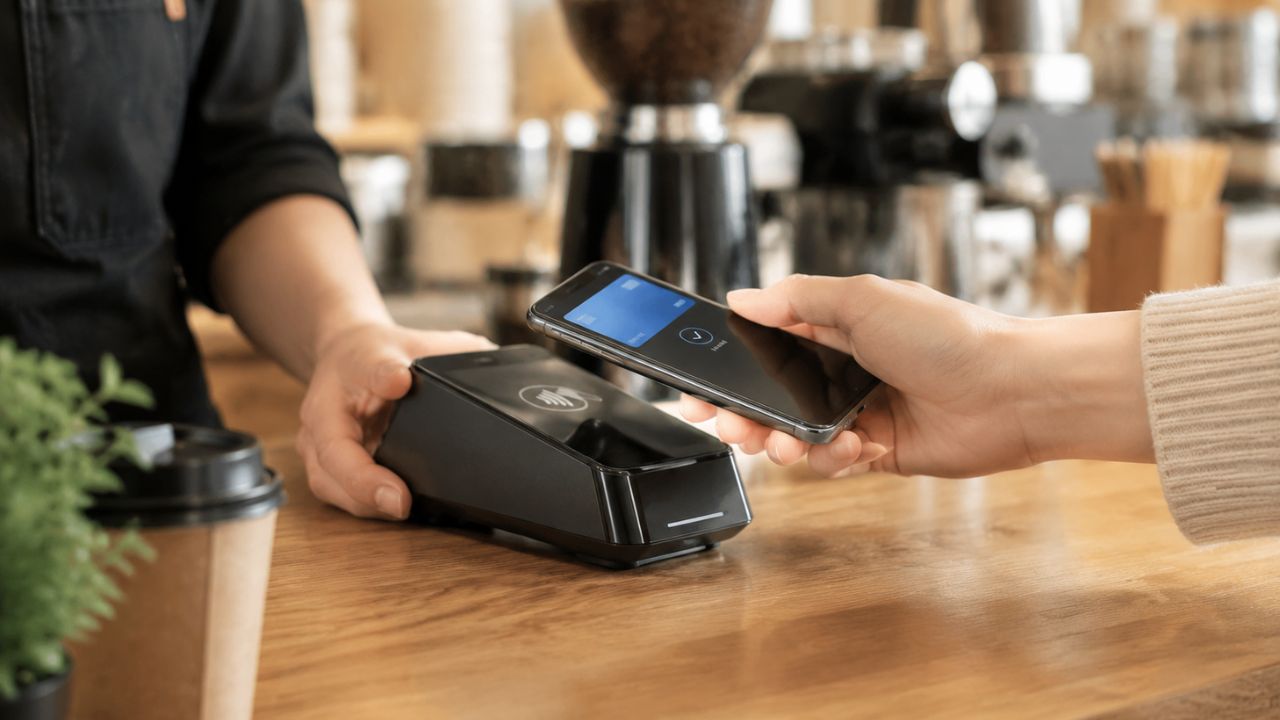
The shift from pixels to pockets marks a practical realignment of the fashion industry. We are finally matching our digital habits with our physical impact.
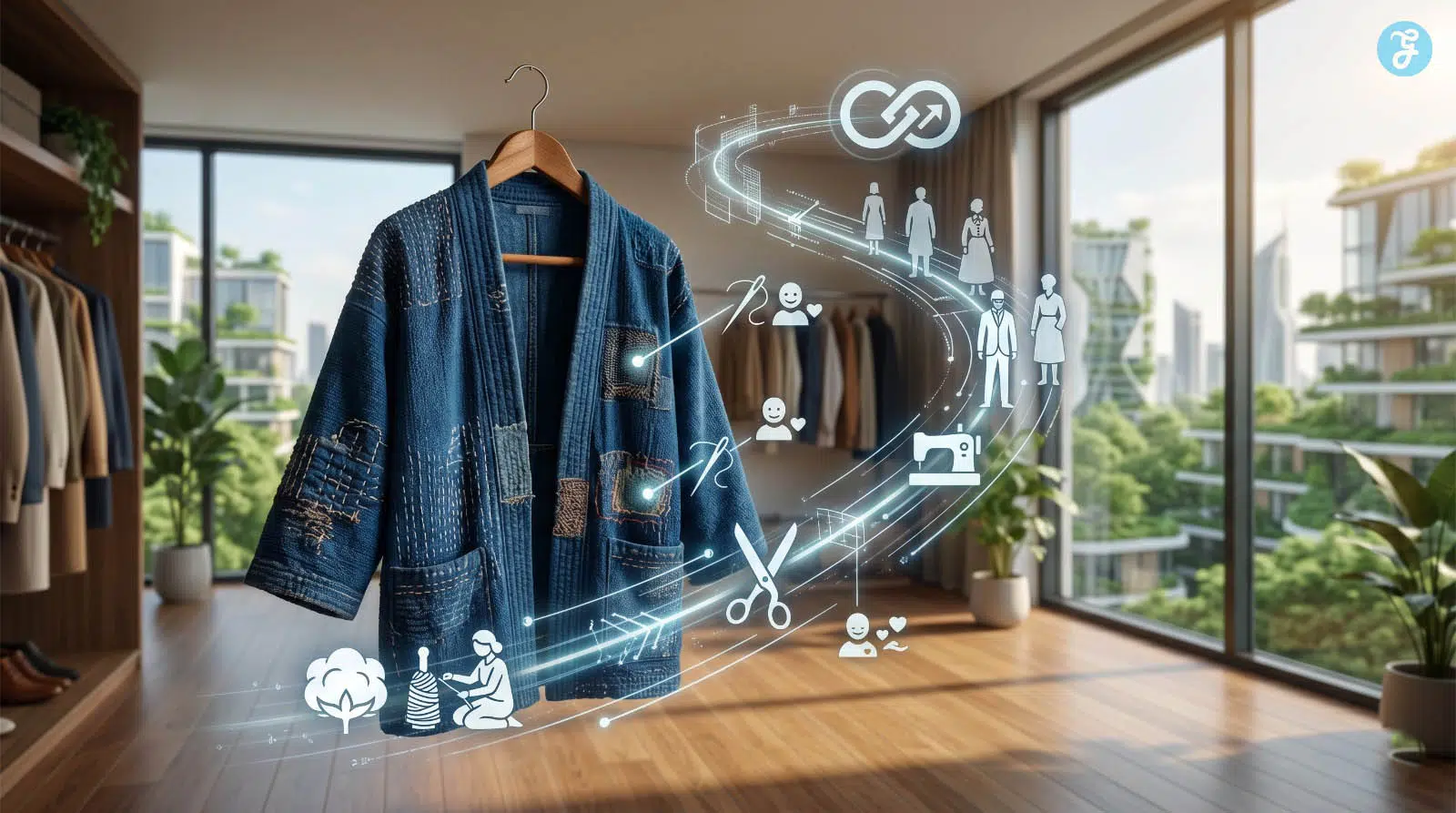
For years, social media trends drove mountains of physical waste. Today, technology has pivoted. It is now solving the exact problems it helped create by making the circular economy a functional reality. Tech-forward innovation is finally serving the planet rather than stripping it.
The Wardrobe in 2030
The line between software and silk is disappearing. By 2030, every garment will likely carry a digital identity. This means a single shirt will hold its entire history within a scan. You will see who made it, who wore it, and how many times it has been mended.
The Ultimate Style Statement
The fashion industry has spent decades searching for the next big thing. It turns out the answer was waiting in the archives all along. The digital revolution has given us the tools to see old things with new eyes. We are using code to honor craftsmanship. We are using algorithms to eliminate waste. This is the heart of sustainable digital fashion. It is a system that respects the past while embracing the efficiency of the future.
The Most Futuristic Look
In 2026, the peak of style is not found in a high-tech lab or a fast fashion outlet. It is found in the reimagined, the repaired, and the rediscovered. True innovation is not about making something new for the sake of novelty. It is about making something old relevant again. The most futuristic thing you can wear today is a piece of clothing that has already been loved. When we view a vintage silhouette through a lens of code, we create something entirely new. We are no longer just consumers. We are the architects of a smarter, cleaner, and more beautiful way to dress.