The pace of everyday life continues to accelerate, and modern routines are evolving in response to new technologies, shifting priorities, and changing social values. People are increasingly focused on finding smarter ways to streamline their daily habits, embrace wellness, and make intentional choices about their time. This article takes a closer look at how emerging trends and digital innovations are influencing lifestyles, from the way we structure our workdays to the products we choose for relaxation and self-care.
The rise of digital integration in daily life
Digital tools have become an inseparable part of how many people manage their time, communicate, and stay productive. Smart devices and mobile apps now help individuals organize everything from morning routines to complex professional schedules. For example, wearable fitness trackers and health apps allow users to monitor their activity, sleep, and even stress levels in real time, providing actionable insights for a healthier lifestyle.
Remote work is another significant shift made possible by technology. Many professionals now rely on cloud-based platforms for collaboration, which enables them to work flexibly from almost anywhere. This transition has encouraged a more personalized approach to daily planning, as people adapt their routines to balance professional demands with personal well-being.
New approaches to self-care and social habits
The concept of self-care has expanded beyond traditional notions of relaxation to encompass a broader spectrum of wellness activities. Meditation apps, guided workouts, and digital nutrition plans are just a few examples of how technology supports mental and physical health. People are also becoming more mindful of their social connections, using social media and messaging platforms to maintain relationships, share experiences, and seek advice.
In this context, there is a growing interest in alternatives to traditional leisure products. For example, some individuals are exploring new ways to unwind without the need for conventional stimulants. The emergence of products like VELO offers a modern approach to relaxation, allowing users to enjoy a discreet and smokeless experience. These innovations reflect a broader trend toward intentional lifestyle choices, where convenience and well-being are prioritized.
Urban living and the quest for balance
City dwellers often face unique challenges when it comes to maintaining healthy routines. Busy schedules, long commutes, and limited access to green spaces can make it difficult to find balance. However, urban environments are also hubs of innovation, where residents quickly adopt new wellness trends and digital solutions.
Bike-sharing programs, urban gardens, and coworking spaces are just a few examples of how cities are adapting to the needs of modern inhabitants. These initiatives encourage physical activity, foster community, and provide options for unplugging from digital devices. As a result, urbanites are discovering creative ways to blend productivity with relaxation, making the most of their surroundings while staying committed to their well-being.
The evolution of leisure activities
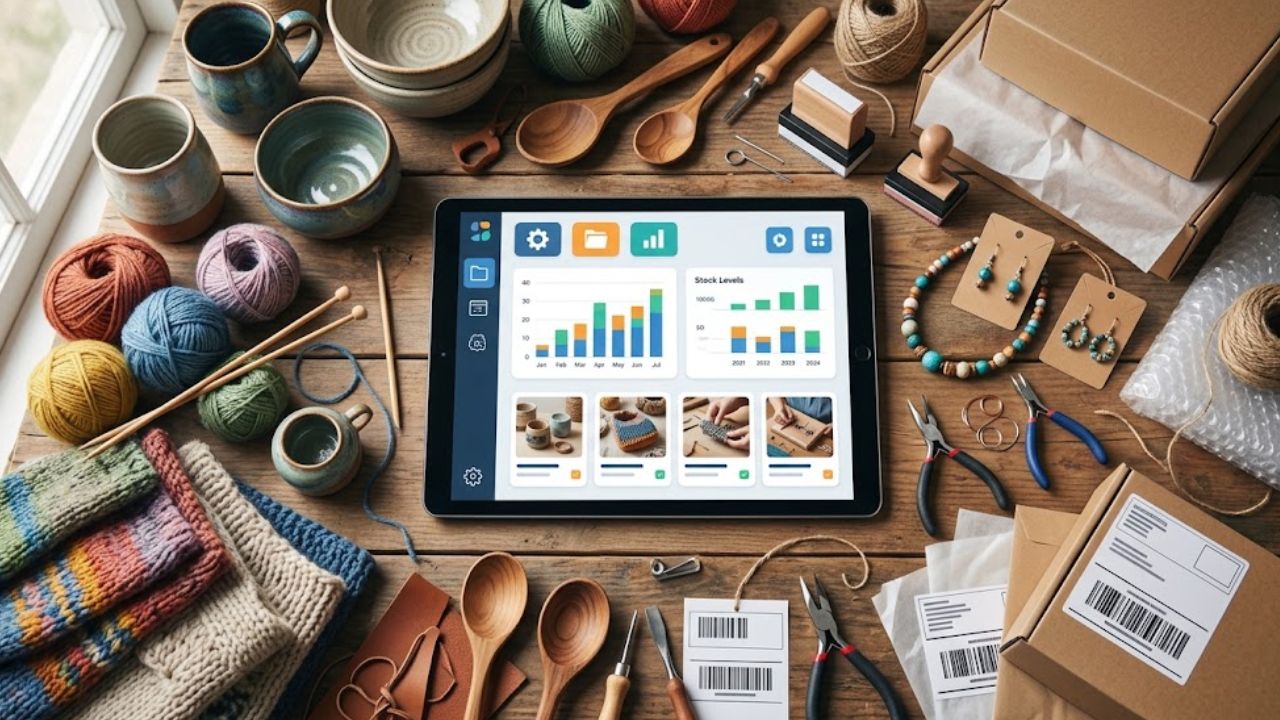
Leisure is no longer defined solely by passive entertainment. Instead, people are seeking activities that offer both enjoyment and a sense of accomplishment. Crafts, DIY projects, and creative hobbies are experiencing a resurgence, often supported by online tutorials and virtual communities. This shift reflects a desire for experiences that are both engaging and personally meaningful.
At the same time, social gatherings are evolving. Pop-up events, outdoor fitness classes, and themed meet-ups provide opportunities for people to connect around shared interests. These gatherings are often organized through digital platforms, making it easier to find and participate in activities that align with individual preferences.
Looking ahead: Intentional living in a connected age
As routines continue to evolve, intentional living is becoming a key focus for many people. The integration of digital tools and innovative products into daily life allows for greater personalization and flexibility. Whether through mindful self-care, adopting new wellness trends, or finding unique ways to relax, individuals are taking ownership of their routines and shaping lifestyles that reflect their values.
The ongoing dialogue between technology and personal habits will likely lead to even more creative solutions in the future. As people become more discerning about their choices, the emphasis will remain on convenience, well-being, and meaningful experiences. This dynamic landscape offers exciting possibilities for those who are open to experimenting with new approaches and redefining what it means to live well in a connected world.