
Your credit score is a crucial element in your financial life, influencing everything from loan approvals to interest rates.
Understanding the key factors that affect your credit score can help you manage your credit effectively and improve your financial standing over time.
This article delves into the six primary factors that contribute to your credit score, providing detailed insights and practical tips for each.
1. Payment History
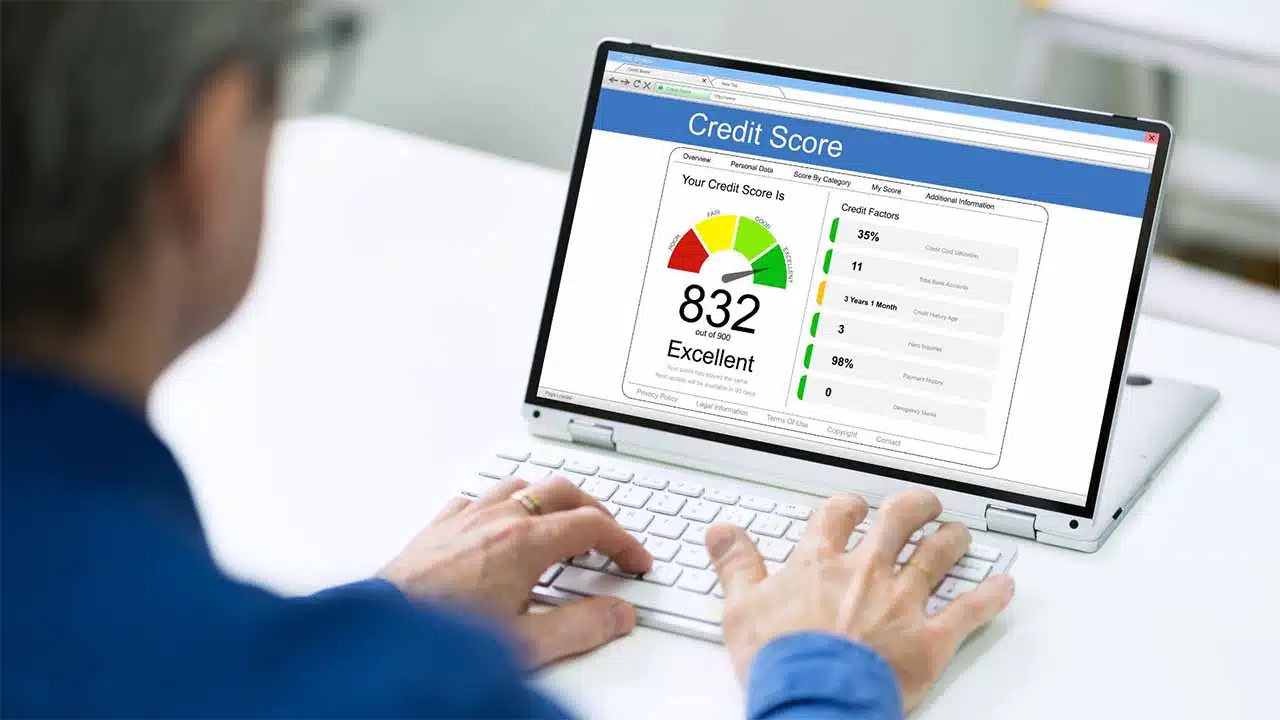
Payment history is the most significant factor affecting your credit score, making up about 35% of your total score.
This metric reflects your reliability in paying bills on time, including credit cards, mortgages, auto loans, and other financial obligations.
- Impact of Late Payments:
Missing a payment can have a substantial negative effect on your score.
For instance, a payment that is 30 days late may lower your score by 50-100 points.
The longer the payment remains overdue, the more damaging it becomes, with payments that are 60 or 90 days late being even more detrimental.
- The Longevity of Late Payments:
Late payments can remain on your credit report for up to seven years, meaning their effects can be long-lasting.
Thus, it’s crucial to be proactive in managing your payment schedule.
Strategies for Maintaining a Positive Payment History
- Set Up Automatic Payments:
Many banks and lenders offer the option to automate your bill payments.
This reduces the risk of forgetting due dates and incurring late fees.
- Use Payment Reminders:
If automation isn’t feasible, set reminders on your phone or calendar to alert you a few days before payment deadlines.
- Create a Payment Calendar:
List all your due dates in a physical or digital calendar to visualize your upcoming obligations.
This can help you manage cash flow effectively.
Managing Delinquent Accounts
If you do find yourself with delinquent accounts, addressing them promptly is essential.
- Communicate with Creditors:
If you’re struggling financially, don’t hesitate to reach out to your creditors.
They may offer payment plans or deferments that can prevent further damage to your credit score.
- Negotiate Settlements:
If an account goes to collections, you might be able to negotiate a settlement.
Make sure any agreement is documented, and confirm that the creditor will report the updated status to credit bureaus.
2. Credit Utilization Ratio
Credit utilization, which accounts for about 30% of your credit score, measures the ratio of your current credit card balances to your credit limits.
It’s a critical indicator of how well you manage available credit.
- Optimal Utilization Rate:
A credit utilization ratio below 30% is generally recommended.
For example, if your total credit limit across all cards is $10,000, try to keep your total outstanding balances below $3,000.
A lower ratio—ideally under 10%—is even better and signals to lenders that you’re using credit responsibly.
Impact of High Utilization
- Consequences of High Utilization:
If your credit utilization exceeds 30%, it can raise red flags for lenders, indicating that you might be overextending financially.
High utilization can result in lower credit scores and make it harder to secure favorable loan terms.
Strategies to Improve Your Credit Utilization
- Pay Down Balances Regularly:
Try to pay off your credit card balances before the statement date.
This strategy ensures that your reported balance is low when creditors check your credit report.
- Request Credit Limit Increases:
If your financial situation improves, consider asking your creditors for a higher credit limit.
This can lower your utilization ratio, provided you don’t increase your spending.
- Distribute Spending Across Cards:
If you have multiple credit cards, spread your spending across them to maintain lower balances relative to each card’s limit.
This tactic helps keep utilization rates low.
3. Length of Credit History
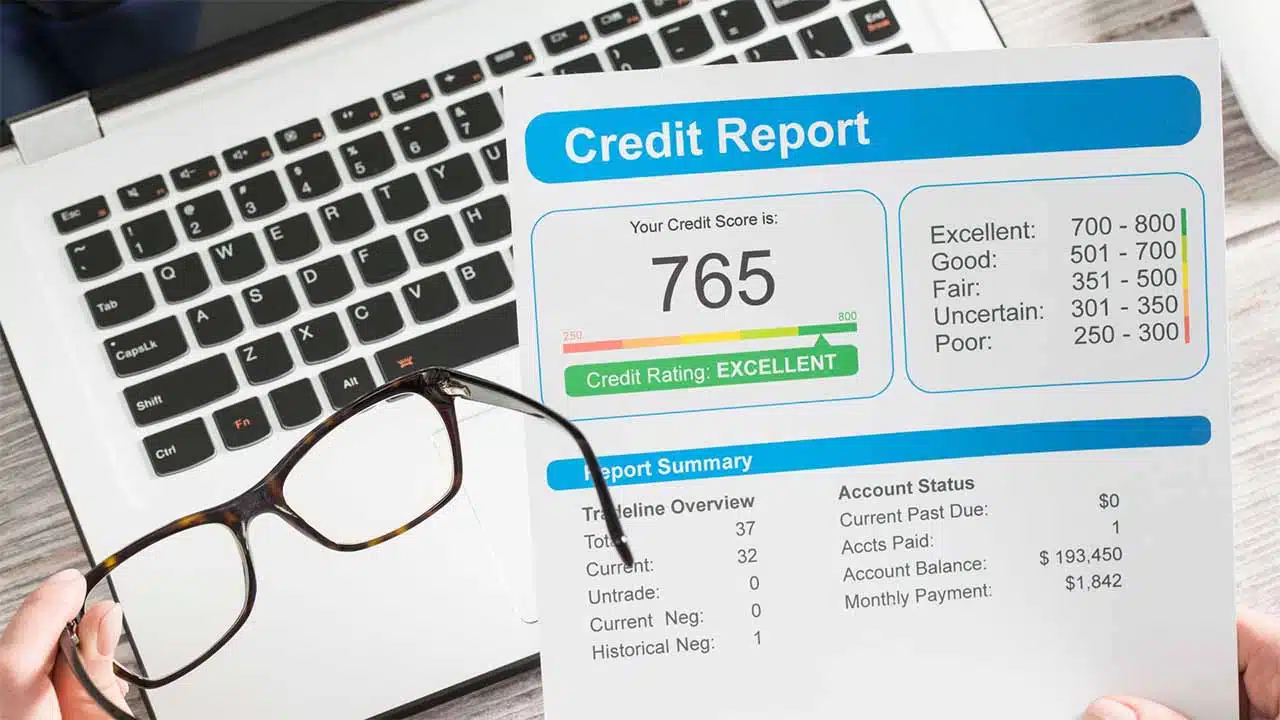
The length of your credit history accounts for approximately 15% of your credit score.
This factor considers how long your credit accounts have been active, reflecting your experience with managing credit.
- Components of Credit History:
The length of your oldest credit account, the average age of all your accounts, and the length of time since your last activity all contribute to this score component.
Benefits of a Longer Credit History
- Trustworthiness:
Lenders generally view longer credit histories as an indicator of reliability.
A lengthy history can signal to creditors that you’ve successfully managed credit over time.
Tips for Building a Strong Credit History
- Keep Old Accounts Open:
Even if you no longer use a credit card, consider keeping the account open.
This helps to maintain your average account age and can positively impact your score.
- Avoid Rapidly Opening New Accounts:
While establishing new credit can be beneficial, opening several accounts in a short period can reduce the average age of your credit accounts, negatively impacting your score.
4. Types of Credit Accounts
The mix of credit accounts you have—credit cards, installment loans, retail accounts, and mortgages—accounts for around 10% of your credit score.
- Why Variety Matters:
A diverse mix demonstrates to lenders that you can manage different types of credit responsibly, which can enhance your creditworthiness.
Assessing Your Credit Mix
- Revolving Credit vs. Installment Loans:
Revolving credit (like credit cards) allows you to borrow and pay back repeatedly, while installment loans (like car loans) involve fixed payments over time.
Lenders prefer to see a healthy balance of both types.
Strategies for Building a Healthy Credit Mix
- Consider Different Credit Options:
If you only have credit cards, look into taking out a small personal loan or auto loan to diversify your credit mix.
Ensure you can manage any new debt responsibly.
- Manage Existing Accounts Wisely:
Maintain all types of accounts responsibly.
This includes making timely payments on both revolving and installment loans.
5. Recent Credit Inquiries
When you apply for new credit, lenders conduct a credit inquiry, which can impact your credit score. This factor accounts for about 10% of your total score.
- Hard vs. Soft Inquiries: Hard inquiries occur when you apply for credit and can lower your score slightly, while soft inquiries, such as checking your own credit, do not impact your score.
Impact of Multiple Inquiries
- Multiple Applications:
Submitting numerous credit applications in a short period can indicate financial distress to lenders, potentially resulting in a lower score.
Strategies to Manage Credit Inquiries
- Limit New Applications:
Be selective about applying for new credit.
If possible, space out applications over time to minimize the impact on your score.
- Rate Shopping:
If you’re shopping for loans, such as a mortgage or auto loan, try to do so within a specific time frame.
Credit scoring models often treat multiple inquiries for the same type of credit within a short period as a single inquiry, mitigating the score drop.
6. Public Records and Collections

Negative public records, such as bankruptcies, tax liens, or civil judgments, can severely affect your credit score.
These items can remain on your credit report for up to ten years, drastically impacting your ability to secure credit.
- Bankruptcy Consequences:
Filing for bankruptcy can drop your score by 200 or more points and can remain on your report for up to ten years.
Recovery from bankruptcy takes time and disciplined financial behavior.
Addressing Negative Records
- Monitor Your Credit Report Regularly:
Keeping an eye on your credit report helps you identify any inaccuracies or unfamiliar accounts.
If you find errors, dispute them with the credit bureaus to have them corrected.
- Rebuilding Credit After Negative Events:
If you have negative marks on your report, focus on rebuilding your credit by making timely payments, keeping utilization low, and avoiding new negative entries.
Seeking Professional Help
- Credit Counseling Services: If you’re overwhelmed by debt or negative marks, consider seeking help from credit counseling services. They can provide guidance on managing debt and improving your credit score.
- Legal Advice for Serious Issues: If you have significant public records affecting your credit, consulting with a legal expert who specializes in credit issues may provide additional pathways to improve your situation.
Takeaway
Understanding the key factors that affect your credit score is essential for managing your financial health.
By focusing on timely payments, maintaining a low credit utilization ratio, cultivating a diverse mix of credit accounts, and monitoring your credit report for inaccuracies, you can improve your credit score over time.
Regularly reviewing your credit history and making informed financial decisions will empower you to achieve a strong credit profile, opening doors to better financial opportunities and favorable loan terms.
Remember, improving your credit score is a journey that requires patience and dedication, but with the right strategies in place, you can achieve lasting success.