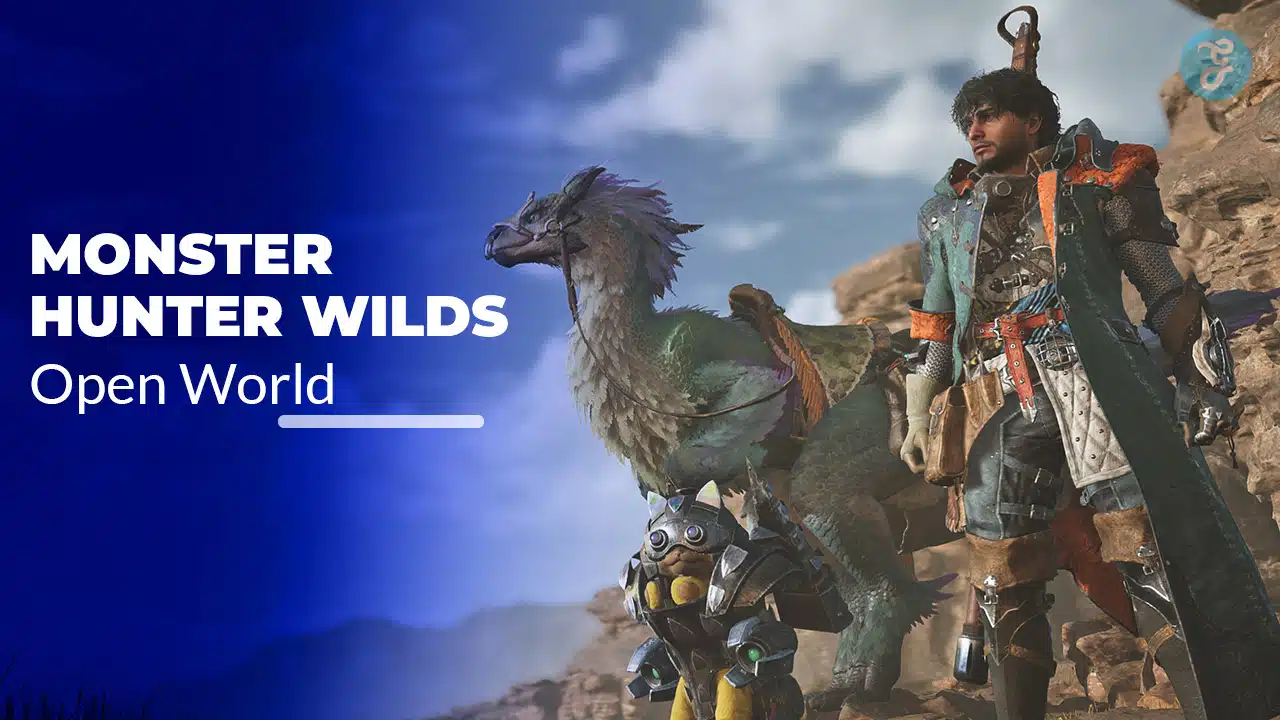
Is Monster Hunter Wilds’ open world?- is one of the most searched questions about the game, and the answer depends on what you mean by “open world.” Wilds does not work like a single, endless sandbox where every square mile is one continuous landmass with zero boundaries. Instead, it delivers a connected, modern hunting structure built around large regions, seamless flow between village life and field action, and a living climate system that changes each region over time.
In other words, Wilds feels open-world in how you move, start hunts, and explore, even if the world is still organized into distinct locales. If you want to understand what that means in real gameplay terms, you need to look at how the map is built, how travel works, and what makes each region unique.
What “Open World” Means In Monster Hunter Wilds
An open world usually implies one main map where you can travel freely with minimal interruptions. Traditional Monster Hunter games use hubs and discrete quest maps. You accept a quest, load into a locale, hunt, then return.
If you’re trying to decide whether Wilds “counts” as open world, I recommend judging it by how the game actually behaves in your hands. In a traditional mission-based structure, you spend a lot of time bouncing between menus, loading screens, and isolated quest maps. In Wilds, the experience is built to feel continuous. You’re exploring a region, you spot a target, you engage, you reposition, and you keep moving—often without that hard “mission start/mission end” separation dominating the flow.
What makes the map feel open is the way the regions act like living spaces instead of static arenas. Each locale has its own identity, but it also changes across the weather cycle, which means you can revisit the same region and get a different vibe, different threats, and different planning priorities. That alone pushes Wilds away from “a set of levels” and closer to “a world you operate inside.”
At the same time, it’s fair to say Wilds isn’t a single seamless continent. The world is organized into major regions, and you travel between them. So if your definition of open world is “one uninterrupted map,” Wilds won’t match that. But if your definition is “freedom to roam, hunt naturally, and stay in the field without constant breaks,” Wilds absolutely delivers that feeling.
Wilds shifts closer to an open-world experience in three key ways.
It Emphasizes Seamless Hunting Flow
Wilds is designed so hunts do not feel like isolated “missions” cut away from exploration. You can explore, encounter monsters in the wild, and engage them without the experience feeling like a hard reset every time you want action.
It Uses Large regions That Encourage Free Roaming
Each region is big, has multiple zones, and supports long-form exploration. You do not just sprint from Area 1 to Area 2. You plan routes, set camps, and adjust based on conditions.
It Runs On A Living Climate Cycle
Every major region cycles through three phases: Plenty, Fallow, and Inclemency. Each phase changes the feel of the region and can affect what appears and how the ecosystem behaves. This creates the sense that the world exists with or without you.
So, is Monster Hunter Wilds an open world?
Wilds is best described as a connected-world hunting game built from massive regions that feel open-world in practice. It is not a single, uninterrupted continent map in the strictest definition.
How The Map Structure Works
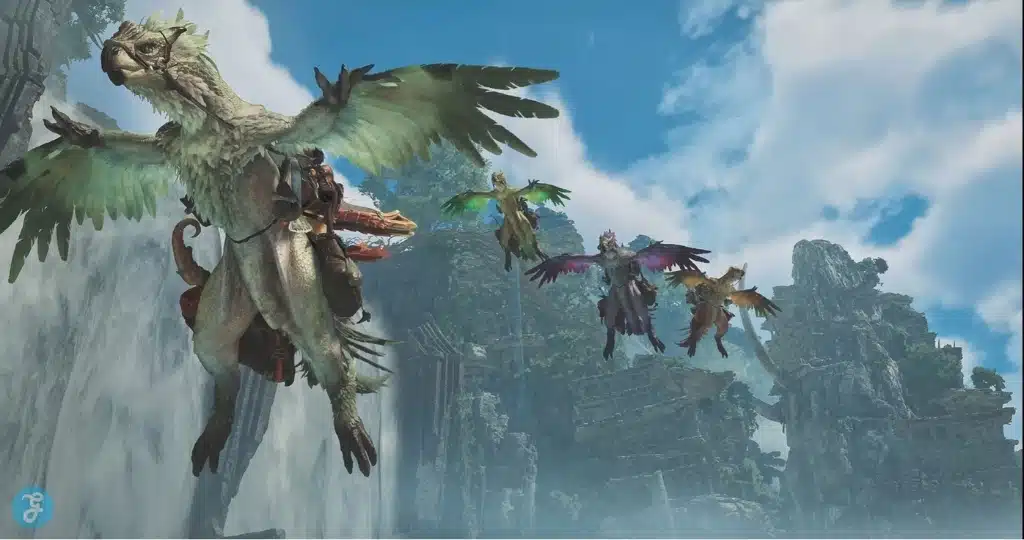
The world of Wilds centers on the Forbidden Lands, a harsh territory with multiple regions and dangerous storms. Instead of one giant map, you travel between major regions. Each region functions like a large open environment with its own ecology, hazards, and settlements.
Think of it like this.
- One world, called the Forbidden Lands
- Multiple major regions inside that world
- Camps and travel points that let you move efficiently within and between those regions
- A world map layer that handles inter-region movement
This structure keeps the hunting loop focused while still delivering the freedom people associate with open-world design.
All Five Major Regions In Monster Hunter Wilds
Wilds features five main ecosystems you can explore. Each one is a full region with a distinct look, weather identity, and navigation style.
- Windward Plains
- Scarlet Forest
- Oilwell Basin
- Iceshard Cliffs
- Ruins of Wyveria
You will spend most of your time moving through these regions, setting up camps, and learning how each map “wants” you to hunt.
Windward Plains Explained
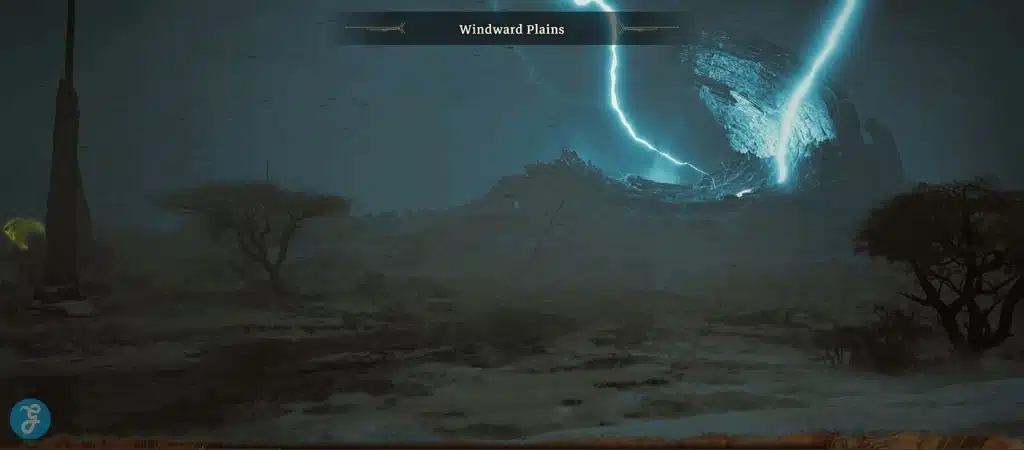
Windward Plains is the first major locale you visit, and it acts like the game’s baseline region. It mixes sandy deserts, grasslands, twisting rock formations, and wide travel lanes.
This region teaches distance control. Open space gives you strong visibility, but it also makes you vulnerable to long charges and fast repositions. You cannot rely on tight cover to fix mistakes. You must learn positioning, stamina discipline, and route planning.
What Makes It Different
Windward Plains also introduces the idea that a region can have multiple identities depending on the weather phase. Its harsh event is tied to violent storms that can reshape the mood of the whole map.
Settlement Anchor
Kunafa, Windsong Village is tied to Windward Plains. It provides cultural grounding and a clear “home base” feeling inside a region that otherwise feels exposed and untamed.
Scarlet Forest Explained
Scarlet Forest is a dense woodland ecosystem with abundant water and a strong visual identity. Following the river from the Plains leads into this region, and the forest immediately feels more enclosed and layered.
Scarlet Forest rewards controlled movement. Visibility drops because foliage breaks sightlines. You move through lanes, pockets, and water-rich areas that can hide monsters, create ambush angles, and punish careless sprinting.
What Makes It Different
The forest is defined by its water and its atmosphere. It also stands out for its eerie red presence in the environment, which helps it feel distinct even at a glance.
Settlement Anchor
Wudwud Hideout sits in Scarlet Forest and is home to the Wudwuds, a Lynian tribe. This adds another “people layer” to the region, showing how inhabitants adapt to extreme regional conditions.
Oilwell Basin Region Explained
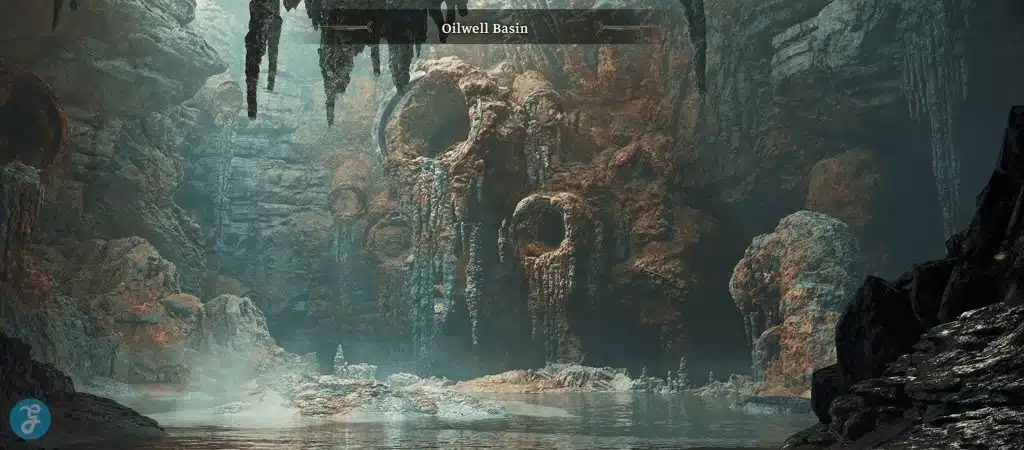
Oilwell Basin is a hazardous locale where oil wells up from the ground and accumulates in deep pools of oil-silt. It also blends natural danger with man-made or ancient industrial elements.
This region pressures your decision-making. You do not want to roam blindly here. You pick routes, anchor camps, and avoid risky detours when you run low on supplies. The terrain and hazards push you to fight on your terms instead of chasing every relocation.
What Makes It Different
Oilwell Basin is tied to a harsh, inclement event known for fierce fires blazing across the land. This gives the region a survival feel, where the environment itself can become part of the threat.
Settlement Anchor
Azuz, the Everforge is linked to this region. The settlement identity fits the region theme, since skilled craftsmen and a forge culture naturally connect to a resource-heavy, heat-charged environment.
Iceshard Cliffs Region Explained
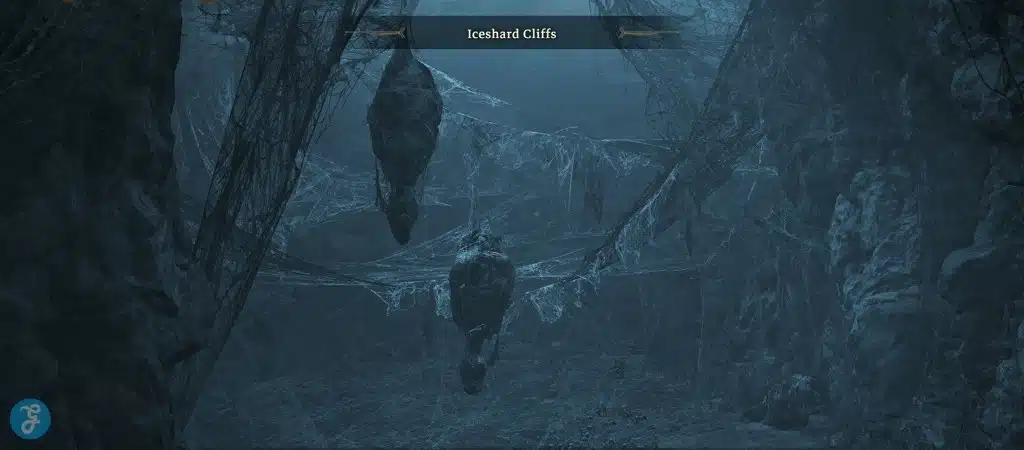
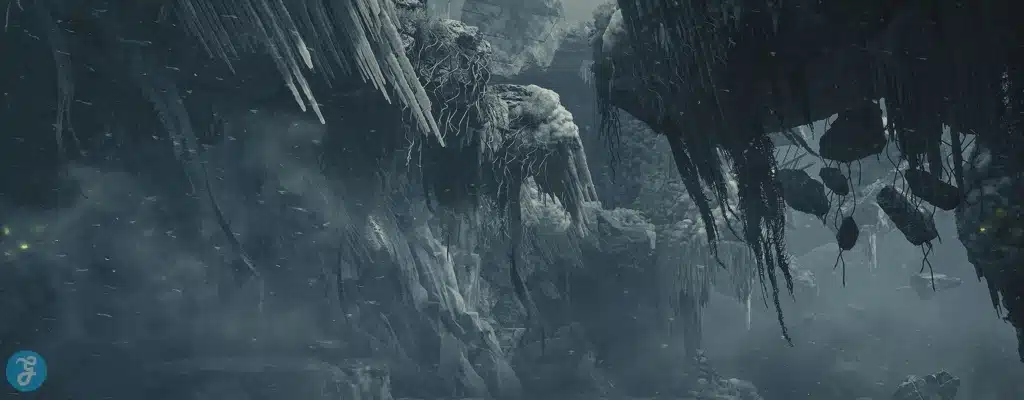
Iceshard Cliffs is a frigid land swept by snowy blizzards, ice formations, and treacherous cliffs. It is the cold region, but it is not just a reskin. It changes how you plan routes and where you choose to fight.
This region pushes vertical thinking. Cliffs and layered routes create navigation pressure, especially when visibility drops. You cannot treat movement like a flat plain. You plan connectors, identify safe platforms, and avoid fighting in narrow paths that limit dodge options.
What Makes It Different
Its harsh weather identity revolves around deadly snowstorms and extreme cold conditions. This region leans into tension, because the environment can reduce your information at the worst moments.
Settlement Anchor
Suja, Peaks of Accord is connected to this region as an established campsite area. Even when a region does not feel “civilized,” Wilds still uses human touchpoints to give players structure and services.
 Ruins of Wyveria Region Explained
Ruins of Wyveria are the remains of a once-great capital, now a forgotten civilization. This region is the strongest mix of ecology and lore. It also feels more deliberate and structured than the natural regions.
Ruins shift your movement style. You deal with tighter angles, corridors, and structured spaces where walls and corners can trap you. You learn to rotate, disengage, and reposition more carefully to avoid getting pinned.
What Makes It Different
This region is tied to Guardian monsters and a strange phenomenon connected to wyvern energy. Even without diving into story spoilers, you can feel that Wyveria is not a normal ecosystem. It feels engineered, unstable, and historically significant.
Settlement Anchor
Sild, The Keepers’ Vigil is tied to this region. It provides a grounded base inside a region that otherwise feels like a collapsed system with lingering dangers.
The Weather Cycle That Makes Regions Feel Alive
The biggest reason Wilds feels “more open world” than older titles is not only map size. It is a fact that each region changes over time, and the cycle is not synchronized across the whole world. One region can be stable while another turns hostile.
The weather cycle has three phases.
Plenty
Plenty is the stable, abundant phase. Vegetation grows, endemic life becomes more active, and the region feels full. Players can expect richer exploration and a wider sense of ecological variety.
Fallow
Fallow is a harsh scarcity phase. The environment becomes less generous, and the ecosystem feels pressured. Predators gather, conflict becomes more common, and the world feels less forgiving.
Inclemency
Inclemency is the disruptive extreme. Each region has its own signature Inclemency, like a sandstorm or heavy rains. The environment becomes unpredictable, and some monsters may appear only during these conditions.
This cycle matters for the map conversation because open-world games feel alive when the world changes without your input. Wilds uses weather and ecology to create that effect.
Base Camps, Pop-Up Camps, And Why They Matter For “Open World” Feel
If you remove camps from Wilds, the map would feel slower and more segmented. Camps are the system that makes large regions playable and seamless.
Base Camps
The expedition establishes Base Camps across the Forbidden Lands, starting with one in Windward Plains. Base Camps act as your main headquarters in each region. They contain facilities to prepare for hunts, and some facilities exist only in specific Base Camps.
Base Camps also function like stable anchors for the story loop and the preparation loop. They are where the expedition feels organized and where the game’s systems come together.
Pop-Up Camps
Pop-up camps are smaller player-built camps you can place in various locations after you unlock the feature through early progression. They let you rest, manage equipment through private tents, restock items, and fast travel.
This is one of the main reasons people describe Monster Hunter Wilds open world as a real shift. In older designs, your “home” is mostly fixed. In Wilds, you create additional operating points in the field, which makes exploration feel continuous instead of episodic.
Environment Overview And Forecast
Wilds includes an Environment Overview and Forecast accessible from the detailed map. This matters more than it sounds.
In a game where regions can flip between Plenty, Fallow, and Inclemency, you need planning tools. The overview shows what is happening now, and the forecast warns you about expected anomalies or appearances so you can plan.
This feature makes the map feel strategic. Instead of “Where should I go next?” the question becomes “Which region state best matches what I want to do right now.”
“Visualize and design a professional 1280 by 720 pixels infographic for this article focusing “Map Tips: How To Use Regions Like A Pro”. Design it according to your suggested key points and professional visualization capability. Ensure a clean look and proper color combination”.
Fast travel is often the detail that decides whether a game feels open-world or feels like a menu-based hub system. Wilds tries to keep it seamless by anchoring travel around camps.
Here is the simplified version of how fast travel works.
You Unlock Fast Travel By Reaching Multiple Fast Travel Points
The Plains Base Camp is your first major point. Progressing the main story takes you to Kunafa, Windsong Village. After completing early missions that establish your regional footholds, you unlock fast travel between camps and major locations.
You Can Fast Travel From The Map
Open the map, zoom out to see available points, select a highlighted location, and travel. This supports quick repositioning and helps the world feel connected without forcing you to manually run every route.
You Can Travel Between Regions Using The World Map
After unlocking the second region, you can open the world map and choose a region to travel to. If you do not select a specific camp, the game sends you to that region’s Base Camp by default.
This design keeps immersion because camps represent real expedition infrastructure. You are not teleporting to random coordinates. You are moving between established operational points.
So, Is Monster Hunter Wilds Truly Open World?
Monster Hunter Wilds does not fit the strictest definition of open world as one fully continuous landmass map. It uses five giant regions that you travel between.
But in practical gameplay terms, Wilds is the most open-world-feeling Monster Hunter to date because:
- You explore large regions freely
- You can initiate hunts more naturally during exploration
- Regions change through a living climate cycle
- Pop-up camps extend your reach and reduce downtime
- The map includes environmental planning tools like a forecast and an overview
So the clean answer is this.
Monster Hunter Wilds is not “one giant open world map,” but it is a connected-world hunting game that plays like an open world experience.
Map Tips: How To Use Regions Like A Pro
If you want this article to help readers beyond the headline, these are the best practical points to include.
Pick Your Region Based On Your Goal
- Farming materials and relaxed exploration often fit Plenty phases
- Aggressive monster conflict and higher tension fits Fallow phases
- Targeting rare or condition-based encounters can fit Inclemency
Build A Two-Camp Strategy In Every Region
- One camp that prioritizes safety and reliable resupply
- One camp that prioritizes speed and proximity to high-activity routes
This makes each region feel manageable, even when the environment turns hostile.
Use The Forecast Before Long Routes
A forecast helps you avoid committing to a long gathering loop right before a disruptive shift. It also helps you plan hunts around the conditions you want.
Learn Stable Fight Spaces in Each Region
Every region has areas where fights stay readable and safer. Your goal is not to fight anywhere. Your goal is to pull monsters into stable spaces and avoid narrow traps or hazard pockets.
Wrap-Up
Monster Hunter Wilds open world is best described as a connected ecosystem world rather than a single continuous map. Its five major regions act like massive regions that you can freely explore, and the combination of camps, seamless hunting flow, and the Plenty–Fallow–Inclemency cycle makes the world feel alive.
If you want to explain the map and regions clearly, focus less on arguing about labels and more on what players actually experience. Wilds gives players freedom, scale, and environmental change. That is why the game feels open-world, even with distinct regions.