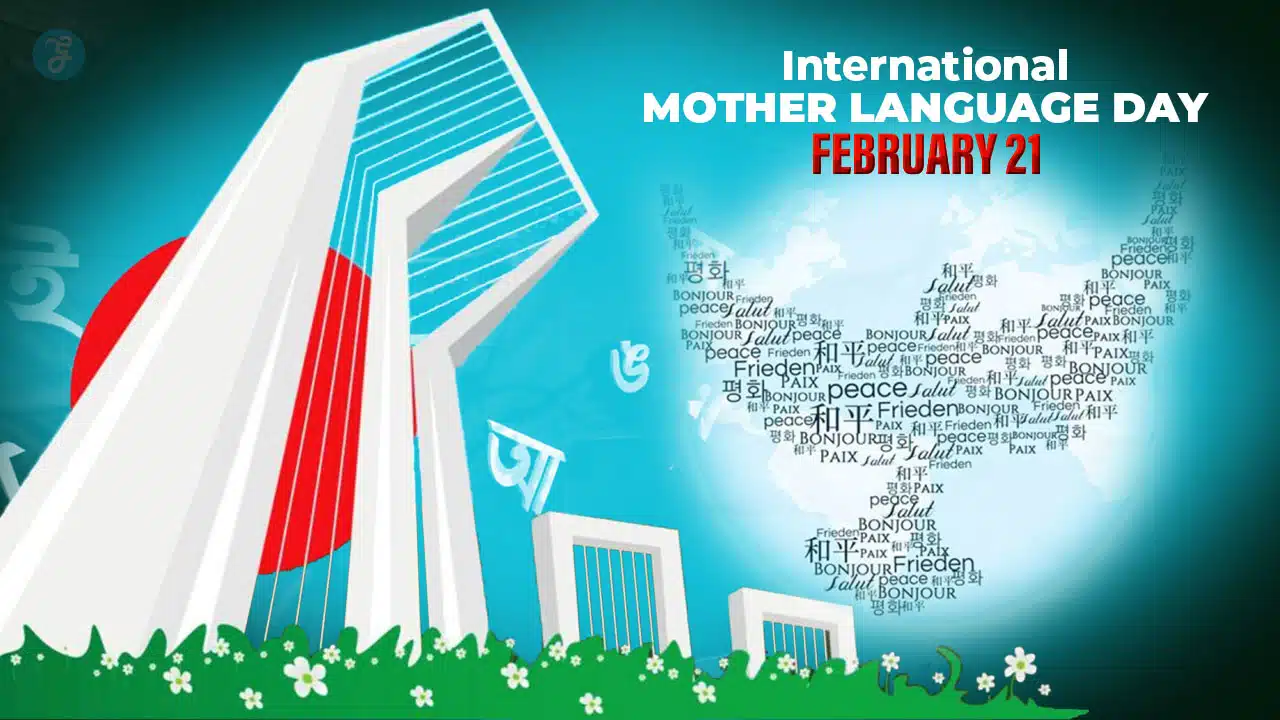
International Mother Language Day is a special day we celebrate every year on February 21. Today is 21st February, 2025 and we will celebrate the International Mother Language Day. It started because Bangladesh wanted to honor its language and UNESCO said yes in 1999. This day reminds us how important it is to keep different languages alive all over the world.
We remember the mass language movement in Bangladesh (Formerly, East Pakistan) where people fought for their mother language, Bangla, and many died doing so on 21st February, 1952. Pakistan (Formerly, West Pakistan) police open fired to the people who took part in the language movement under the leadership of the government.
This day also tells us to learn more than one language and share our own with others. Celebrating this day helps keep our cultures and identities strong through our languages. There’s a lot more to discover about this exciting celebration.
History of International Mother Language Day
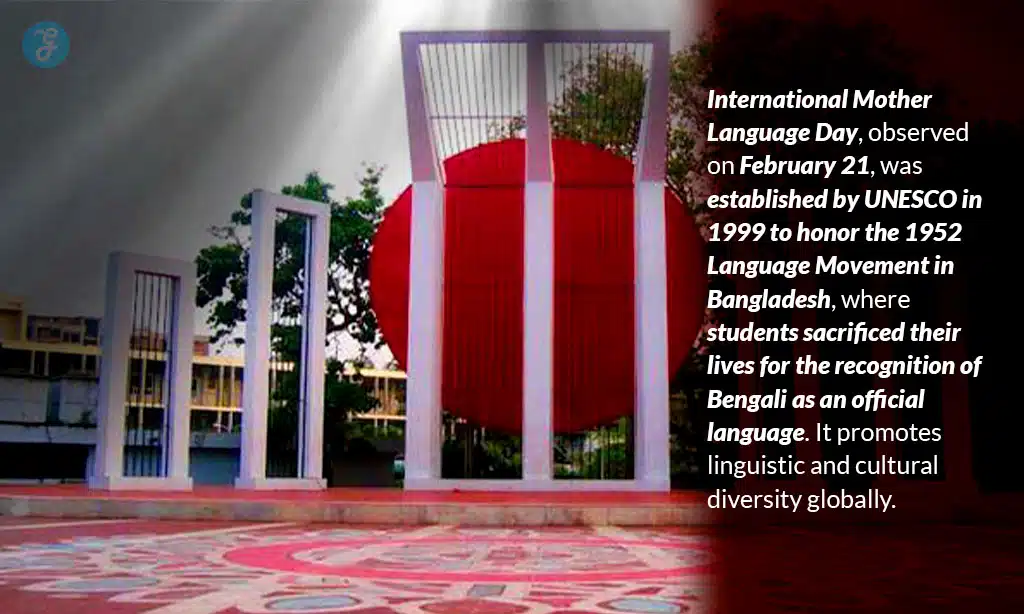
International Mother Language Day started with a push from Bangladesh. The day was approved by UNESCO to celebrate and protect languages around the world.
Bangladesh’s initiative and UNESCO’s approval
The idea for International Mother Language Day started in Bangladesh. In 1952, students protested for the recognition of their mother language, Bangla. They wanted the former Pakistan government to accept it as an official language.
Sadly, four student activists lost their lives during this fight for their rights on 21st February, 1952.
In 1999, at a UNESCO meeting, Bangladesh proposed a special day to honor linguistic diversity and cultural heritage. UNESCO approved this idea in the same year. The first celebration took place in 2000.
Since then, every February 21st is dedicated to promoting multilingualism and raising awareness about cultural diversity worldwide. However, in Bangladesh The International Mother Language Day is celebrated as “Martyrs Day.”
Purpose of the day
International Mother Language Day aims to promote awareness of linguistic and cultural diversity. It is celebrated every year on February 21st. This day was created by UNESCO in 2000 to highlight the importance of preserving languages worldwide.
The observance started from an initiative by Bangladesh, which sought recognition for its mother language, Bangla.
The purpose is also to celebrate multilingualism. This means valuing multiple languages as vital parts of global culture. Each language reflects unique thoughts and traditions. By promoting these languages, we can help maintain cultural heritage across different regions.
This day serves as a reminder of the lives lost during protests for language rights in Bangladesh. Four student activists died while advocating for their mother tongue in 1952 against the Pakistan government. Their sacrifice led to a broader understanding of linguistic rights today.
Many countries engage with events like workshops and performances showcasing various languages and cultures around this time, bringing communities together through shared heritage and identity.
Next, let’s look at how people celebrate International Mother Language Day around the globe.
Importance of Linguistic Diversity and Multilingualism
Language diversity matters. It helps keep cultures alive and strong. Speaking many languages promotes understanding among people. It shows respect for different backgrounds and ways of life.
Safeguarding linguistic diversity
Linguistic diversity is important for cultural identity. Many languages are at risk of disappearing. UNESCO created International Mother Language Day in 2000 to help protect languages around the globe.
This day reminds us to celebrate our rich mix of cultures and languages. It encourages people to embrace their mother tongues and share them with others.
The deaths of four student activists in Bangladesh sparked this celebration. They fought for recognition of their language, Bangla. Their sacrifice highlights the need for language preservation as part of our heritage.
Various events on this day, such as workshops and performances, promote awareness about linguistic diversity and multiculturalism worldwide.
Next, we will explore the observances in different countries during International Mother Language Day celebrations.
UN’s efforts for multilingualism
Safeguarding linguistic diversity leads to the United Nations’ efforts for multilingualism. The UN promotes multilingualism in many ways. It recognizes that language is vital for cultural identity and communication.
UNESCO created International Mother Language Day in 2000. This day highlights the need to support diverse languages worldwide. The goal is to enhance awareness of cultural and linguistic richness.
Different activities occur each year on February 21st. These may include workshops, seminars, and cultural performances.
Countries around the world join this effort. They celebrate their unique mother languages through various events. For example, Bangladesh honors its heritage while Canada focuses on its Indigenous languages.
Promoting awareness of these differences shows respect for all cultures and ethnic identities.
Celebrations of International Mother Language Day
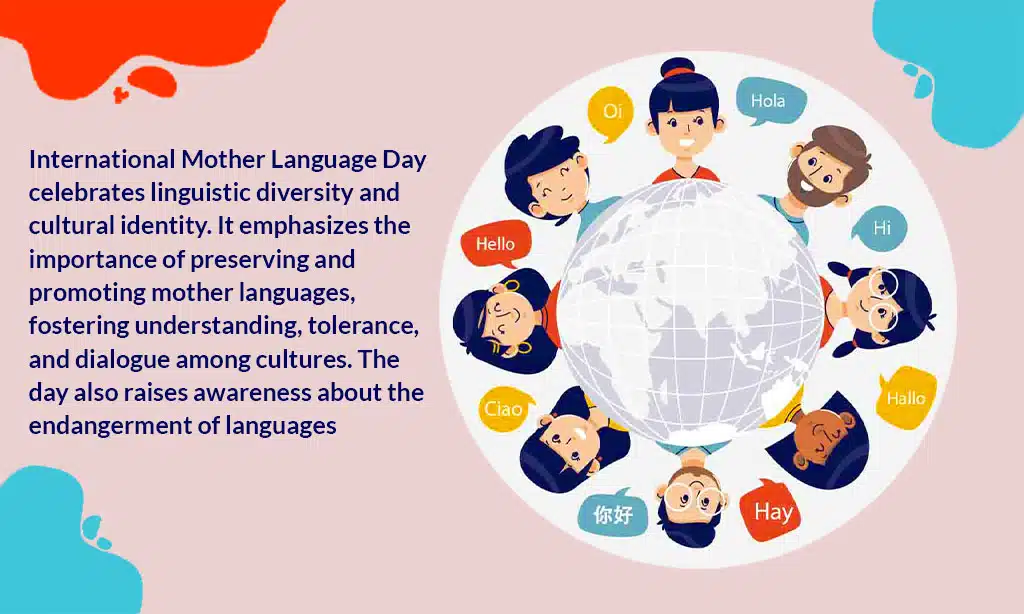
Many countries celebrate International Mother Language Day with activities and events. These celebrations highlight the importance of languages and cultures around the globe.
Timeline of events
International Mother Language Day is celebrated on February 21st each year. It promotes language diversity and cultural awareness.
- The idea for International Mother Language Day began in Bangladesh. Activists fought for the recognition of their mother language, Bangla.
- UNESCO approved the initiative at its General Conference in 1999. This event marked a significant step for linguistic rights.
- In 2000, UNESCO officially created International Mother Language Day. The goal is to highlight the importance of languages worldwide.
- Each year since then, February 21 serves as a reminder to preserve languages and cultures. Events focus on promoting multilingualism and cultural heritage.
- Various countries celebrate this day with different activities. Bangladesh often holds rallies and cultural programs to honor their language activists and celebrated this day as the “Martyrs Day”.
- Canada hosts workshops that encourage learning different languages, reflecting its multicultural identity. Schools often teach students about various world languages.
- In India, many regions celebrate by organizing poetry readings in local languages. These events help promote ethnic identity through storytelling and art.
- The United States observes the day with discussions about intercultural communication across communities. Schools may organize projects highlighting students’ diverse backgrounds.
- The United Kingdom emphasizes diversity awareness through educational programs in schools and colleges on this day. Students learn about global citizenship through these initiatives.
- From workshops to performances, celebrations span around the globe on February 21st each year, showing unity across cultures while embracing language diversity.
Observances in different countries (Bangladesh, Canada, India, United States, United Kingdom)
International Mother Language Day is celebrated on February 21st each year. This day highlights cultural and linguistic diversity.
- In Bangladesh, the day honors the language activists who fought for recognition of their mother language, Bangla on 1952. The country holds rallies, discussions, and cultural events to celebrate is as the Martyrs Day.
- Canada also observes this day in a unique way. Students participate in activities that showcase many languages spoken across the nation. Events often include workshops and performances from diverse cultures.
- In India, communities celebrate with local events that highlight various Indian languages. Schools may host competitions or exhibitions to promote awareness of linguistic diversity.
- The United States marks International Mother Language Day by hosting seminars and workshops in schools and universities. These events focus on promoting multilingualism among international students.
- In the United Kingdom, organizations hold discussions about the value of different languages. Activities might include storytelling sessions or music performances that honor various cultural heritages.
Celebrations encourage people to embrace linguistic diversity worldwide.
How to Participate and Show Support
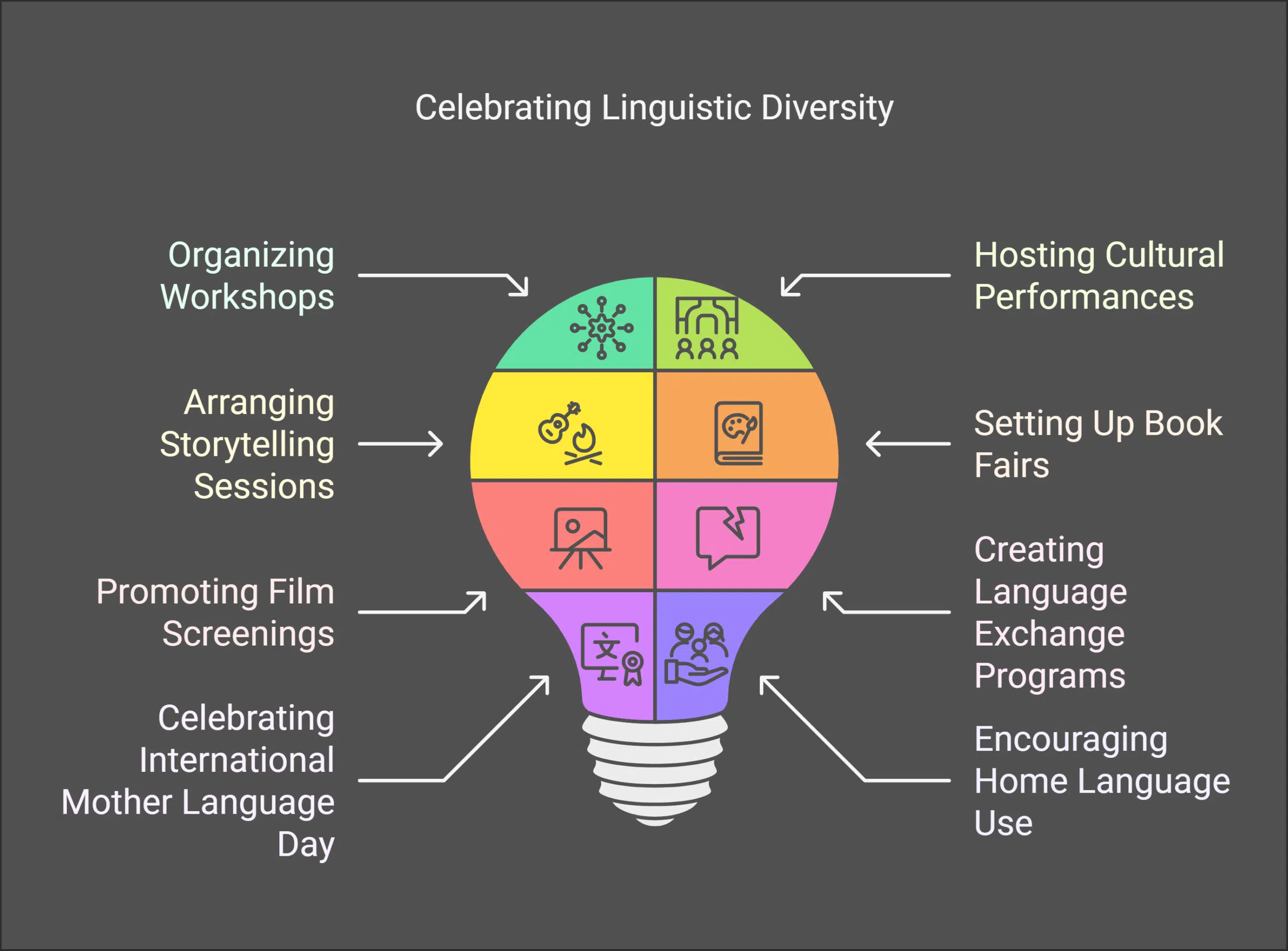
You can participate by sharing stories in your mother language. Join local events or create one to celebrate linguistic diversity.
Resources from UNESCO
Celebrating linguistic diversity is essential. UNESCO provides many resources to support this goal. It emphasizes the importance of preserving languages and cultural heritage.
UNESCO offers materials to help people understand different languages. They promote language workshops, seminars, and cultural performances on International Mother Language Day. These activities aim to raise awareness about cultural and linguistic diversity worldwide.
The organization helps communities come together to celebrate their mother languages each February 21st.
Ideas for celebrating linguistic diversity
Celebrating linguistic diversity is important. It helps people understand and respect different cultures.
- Organize language workshops. These can teach local languages or endangered ones. Workshops create a space for speaking and learning together.
- Host cultural performances. Invite local artists to showcase their mother languages through songs, dance, or plays. This entertains while honoring cultural heritage.
- Arrange storytelling sessions. People can share stories in their native languages. This highlights the beauty of each language and keeps traditions alive.
- Set up multilingual book fairs. Bring books in various languages to your community center or school library. Encourage reading across cultures.
- Promote film screenings with subtitles in multiple languages. Choose films that reflect different cultures and backgrounds, allowing viewers to enjoy stories in various languages.
- Create a “language exchange” program at schools or community centers. Pair speakers of different languages for conversation practice, fostering new friendships and understanding.
- Celebrate International Mother Language Day on February 21st with events focusing on cultural celebrations and activities related to linguistic diversity.
- Share social media posts highlighting different languages and cultures throughout the month leading up to International Mother Language Day.
- Collaborate with local schools to include linguistic diversity in the curriculum, teaching students about different cultures through language studies.
- Encourage friends and family to speak their mother tongues at home, promoting multilingualism within families as a daily practice.
These ideas help show support for International Mother Language Day celebrations while embracing the beauty of diverse languages around us.
Promoting international mother languages in everyday life
Promoting international mother languages in everyday life is essential. It keeps cultures alive and strengthens identities. Here are some ways to encourage this practice.
- Speak your mother language at home. Use it with family members. This helps children learn their heritage.
- Share stories from your culture. Tell tales in your mother language. This can build strong connections between generations.
- Organize language clubs. Invite people who speak different languages. Discuss books, films, or music in those languages.
- Celebrate International Mother Language Day on February 21st each year. Host events that show different cultures and their languages.
- Use social media to promote your mother language. Post videos or articles about its importance and beauty. Engage friends and followers in conversations around linguistic diversity.
- Support local schools teaching multiple languages. Encourage kids to learn their mother tongue alongside other languages.
- Join community events focused on cultural diversity. Participate in workshops, seminars, or cultural performances that celebrate all languages.
- Share resources from UNESCO about multilingualism with friends and family. Spread awareness about the need for more linguistic diversity worldwide.
- Create a gallery of past celebrations involving your mother language at local libraries or community centers.
Engaging with these practices helps preserve international mother languages in daily life while celebrating cultural diversity everywhere.
Takeaways
Cultural diversity enriches our lives. International Mother Language Day reminds us to celebrate languages and their unique stories. Simple actions, like attending events or sharing resources, make a difference.
By promoting linguistic diversity, we protect cultural heritage for future generations. Embrace your mother language today and inspire others to do the same!