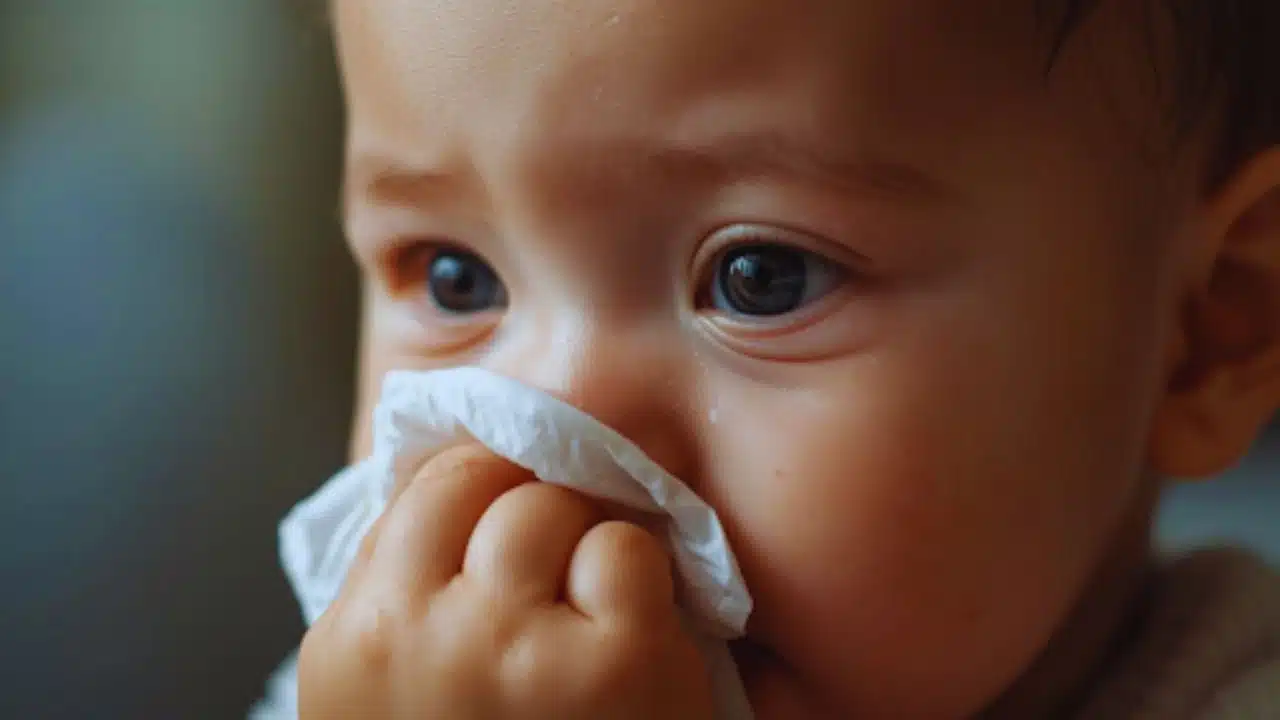
It can be alarming for new parents to notice their infant sneezing a lot throughout the day. While it’s easy to assume sneezing means illness, frequent sneezing in babies is often perfectly normal. In fact, it can be a natural reflex that helps keep their tiny nasal passages clear and healthy. Still, it’s important to know when sneezing is harmless and when it may be a sign of something more serious.
If your little one seems congested, tools like an electric nasal aspirator can safely remove mucus and ease their breathing. This guide will help you understand the common causes of infant sneezing, when to worry, and practical ways to support your baby’s comfort.
Is Frequent Sneezing Normal in Babies?
For most infants, sneezing is a completely normal part of development. Babies are born with small nasal passages, and sneezing acts as a built-in cleaning system. Since newborns breathe primarily through their noses, frequent sneezing helps them clear out dust, tiny particles, or dried mucus.
Sneezing also supports their immature immune system. Because infants can’t blow their noses yet, sneezing is one of the body’s natural ways to prevent irritants from building up. In the first few months, it’s not unusual for your baby to sneeze multiple times a day, even if they’re perfectly healthy.
Common Causes of Infant Sneezing
If your infant sneezes a lot, it doesn’t automatically mean they’re sick. Here are the most common, harmless reasons behind frequent sneezing:
- Clearing Airways – Sneezing removes mucus, milk residue, or dust particles from the nose.
- Adjusting to the Environment – Babies’ nasal passages are sensitive, so new scents, air changes, or fabrics can trigger sneezes.
- Dry Air – Air that’s too dry, especially in air-conditioned or heated rooms, can irritate nasal tissues.
- Feeding Reflex – Sometimes babies sneeze during or after feeding because milk or formula drips near their nasal passages.
- Bright Light – Like adults, some babies experience the “photic sneeze reflex,” where exposure to bright light triggers sneezing.
When Sneezing May Be a Sign of Illness
While sneezing is usually normal, it’s important to stay alertkl for signs that suggest something more serious. Sneezing may point to illness if it’s accompanied by:
- Congestion or runny nose lasting more than a few days
- Coughing, wheezing, or labored breathing
- Fever above 100.4°F (38°C)
- Poor feeding or reduced appetite
- Unusual fussiness, lethargy, or irritability
- Thick yellow or green mucus
These symptoms may indicate a cold, allergies, or even a respiratory infection. If you notice any of these warning signs, contact your pediatrician for guidance.
How to Help a Sneezing Baby
If your baby sneezes a lot but seems otherwise healthy, there are simple ways to keep them comfortable:
- Use a Nasal Aspirator – A gentle tool like an electric nasal can help clear excess mucus without irritating your baby’s nose.
- Apply Saline Drops – A few drops of saline solution can loosen mucus, making it easier for your baby to breathe.
- Keep Air Moist – Use a humidifier to prevent dryness that can irritate delicate nasal passages.
- Offer Plenty of Fluids – For babies who are old enough, breast milk or formula provides hydration to thin mucus.
- Elevate Their Head Slightly – If safe, keeping the baby’s head slightly elevated during sleep may ease breathing.
The Difference Between Sneezing and Coughing
It’s important to distinguish between sneezing and coughing since each serves a different purpose.
- Sneezing – Clears the nasal passages of irritants like dust, mucus, or allergens. It’s usually harmless and often frequent in infants.
- Coughing – Clears the throat or lungs of mucus and irritants. Persistent coughing may suggest infection or irritation deeper in the respiratory tract.
If your baby sneezes frequently but doesn’t cough often, it’s more likely a normal nasal-clearing reflex. Persistent coughing, however, should be evaluated by a doctor.
Creating a Clean and Allergen-Free Environment
Environmental factors often play a big role in how often babies sneeze. Parents can minimize triggers by:
- Regularly washing bedding and stuffed toys to reduce dust mites.
- Keeping pets groomed to lower dander exposure.
- Vacuuming and dusting often to keep the air clean.
- Avoiding smoke exposure, which irritates sensitive nasal tissues.
- Using an air purifier to filter dust and allergens in the home.
A clean environment can significantly reduce sneezing caused by allergens or dust.
The Importance of a Humidifier
Dry indoor air is one of the most common triggers that can make a baby sneeze more often. When the nasal passages become too dry, they lose their natural protective layer of moisture, making them more sensitive to dust, allergens, and minor irritants. A humidifier restores moisture to the air, keeping your baby’s nose, throat, and skin hydrated. This can reduce sneezing, ease congestion, and even improve sleep quality.
Key Benefits of Using a Humidifier for Babies
- Relieves Dryness – Moist air soothes irritated nasal passages, reducing sneezing and discomfort.
- Eases Congestion – Humidity can help thin mucus, making it easier for your baby to breathe comfortably.
- Supports Better Sleep – Babies are less likely to wake up due to dry throat, nose irritation, or stuffiness.
- Promotes Skin Health – Moist air prevents dry skin and chapping, which are common in heated or air-conditioned rooms.
- Creates a Comfortable Environment – Optimal humidity levels (about 40–60%) support overall health and comfort.
Choosing and Maintaining the Right Humidifier
- Opt for a Cool-Mist Humidifier – This is the safest option for infants, as warm-mist models can pose burn risks.
- Pick the Right Size – Choose a model suited for the size of your baby’s room to maintain consistent humidity.
- Clean Regularly – Empty, rinse, and disinfect the tank daily or every few days to prevent mold and bacteria buildup.
- Use Distilled or Filtered Water – This minimizes mineral deposits that can leave white dust in the room.
- Monitor Humidity Levels – Too much moisture can encourage mold growth. A hygrometer can help you maintain balance.
By using a well-maintained humidifier, you can create a healthier environment that keeps your baby’s nasal passages comfortable, reduces sneezing, and improves overall rest.
When to Contact a Pediatrician
Most of the time, frequent sneezing in babies is harmless and requires no medical treatment. However, you should contact your pediatrician if:
- Sneezing is accompanied by fever, coughing, or difficulty breathing
- Your baby refuses to feed or shows signs of dehydration
- Symptoms worsen instead of improving
- You notice unusual nasal discharge or a persistent runny nose
Trust your instincts—if something feels wrong, it’s always best to get professional advice.
Final Thoughts
Noticing your infant sneezing a lot can be worrying at first, but in most cases, it’s simply a natural reflex that keeps their airways clear. Occasional sneezing is part of healthy development, especially in the first few months of life. By keeping your baby’s environment clean, using tools like an electric nasal aspirator, and watching for warning signs, you can ensure your little one stays comfortable and healthy.