Have you ever been in a car accident? It’s an extremely scary and overwhelming situation to find yourself in, even if the outcome was relatively minor. Chances are that your heart was racing, and your thoughts were all over the place as you tried to figure out what had just happened. Amidst all this confusion, it can be hard to remember the important steps you need to take following a road accident.
We’ve got everything covered here with our 7 essential tips for post-accident protocol so that you can stay safe on every journey. Let’s jump right into them now.
Step 1: Stay Calm and Check for Injuries
Driving can be extremely distressing, and being involved in an accident only exacerbates this stress. In such situations, it is essential to maintain composure and calmness. Take a deep breath and assess the situation with your full attention. By keeping an open mind, you can regain control and effectively manage the aftermath.
Ensure your own safety first by determining if you or anyone else involved in the accident has been injured. Take a moment to evaluate the safety of passengers, other vehicle occupants, and any pedestrians involved. If immediate medical attention is required, get first aid or seek assistance from experts in the field.
Step 2: Move Your Vehicle to a Safe Place
If your vehicle is still drivable and not seriously damaged, try to move it to the side of the road or a designated shoulder. This will help reduce congestion on the road and prevent further accidents.
If your vehicle is not drivable, switch on your hazard lights and position cones or flares around your vehicle to alert other drivers. This will help prevent further accidents and ensure the safety of everyone involved.
Step 3: Call the Police
Even if you think the accident is minor, you should always call the police. The police will take photos and notes at the scene before collecting evidence and filing a report. This report may prove invaluable in the event of a claim or legal action.
Give the police a detailed explanation of what happened when they come. Provide only the facts that you know for sure and stick to the truth. Doing so will facilitate the filing of the police report and guarantee that all necessary steps are taken.
Step 4: Take Pictures
After an accident, it’s crucial to take photos of all the vehicles involved as well as the damage sustained. Don’t forget to take pictures of any other significant details surrounding the scene, such as skid marks, traffic signs, and streetlights. These photos can serve as valuable evidence if there’s any dispute about the circumstances of the accident. Make sure to capture clear images from all angles and include close-ups of any dents, scratches, or other visible damage.
Step 5: Seek Legal Assistance
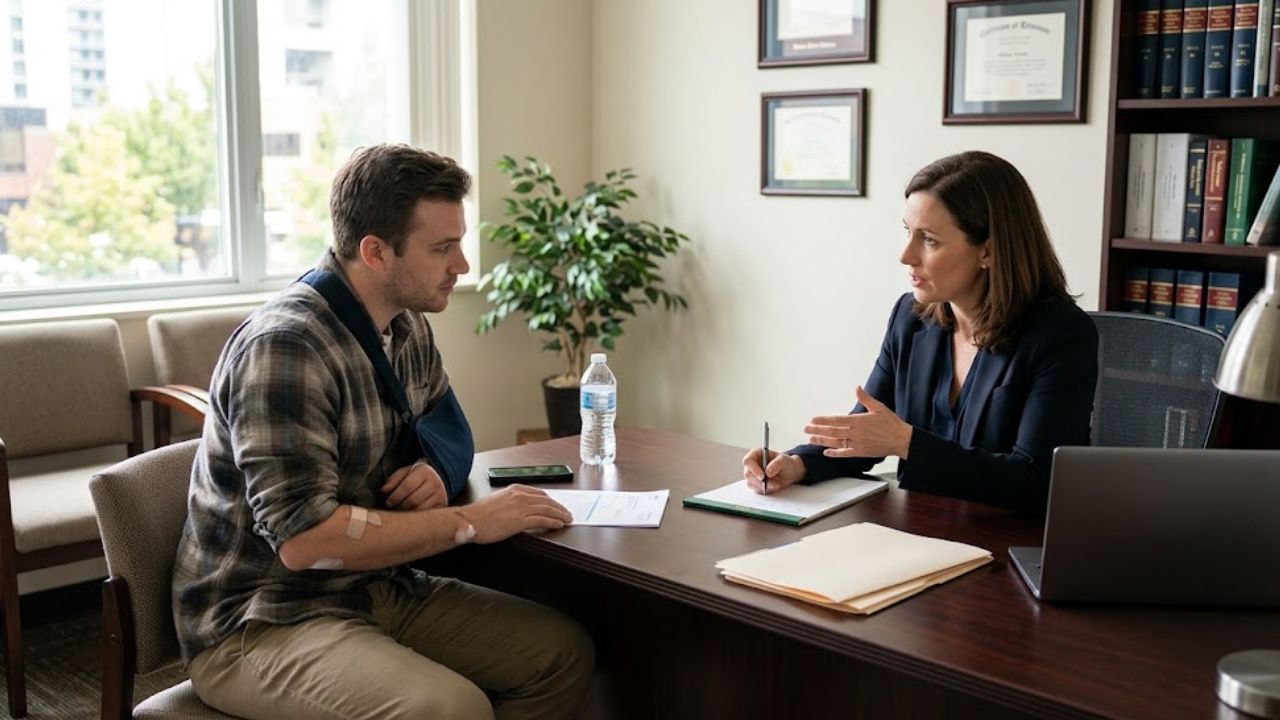
If you or anyone involved in the accident was driving under the influence (DUI), you will need to seek legal assistance from a DUI lawyer. Handling DUI charges can be complex, and having the support of the best DUI lawyer in Tempe can make a significant difference in navigating the legal process.
According to Arron Black Law, one of the best DUI lawyer Phoenix, DUI lawyers are well-versed in state DUI laws and can help you get the best reimbursements for your loss. A DUI lawyer will guide you through the process and work to protect your rights throughout the proceedings.
Step 6: Seek Medical Attention
Even if you feel like you’re not hurt, it’s always a smart idea to seek medical attention after a car accident. Injuries can sometimes take hours or even days to reveal themselves. Plus, getting medical attention quickly will help ensure that you don’t have any underlying injuries that could worsen with time. A healthcare professional will conduct a thorough examination and provide you with a proper diagnosis, which is essential for insurance purposes.
Step 7: Follow up with Medical Care
After seeking medical attention, it’s essential to follow through with the recommended treatment plan if there are any injuries. This includes attending follow-up appointments, taking prescribed medications, and adhering to any other instructions from your healthcare provider. Make sure to communicate any pain or discomfort you’re experiencing to your doctor, as early detection and treatment can help prevent more significant issues down the line. Remember, your health should always be a top priority, and following through with medical care is a crucial step in the recovery process.