

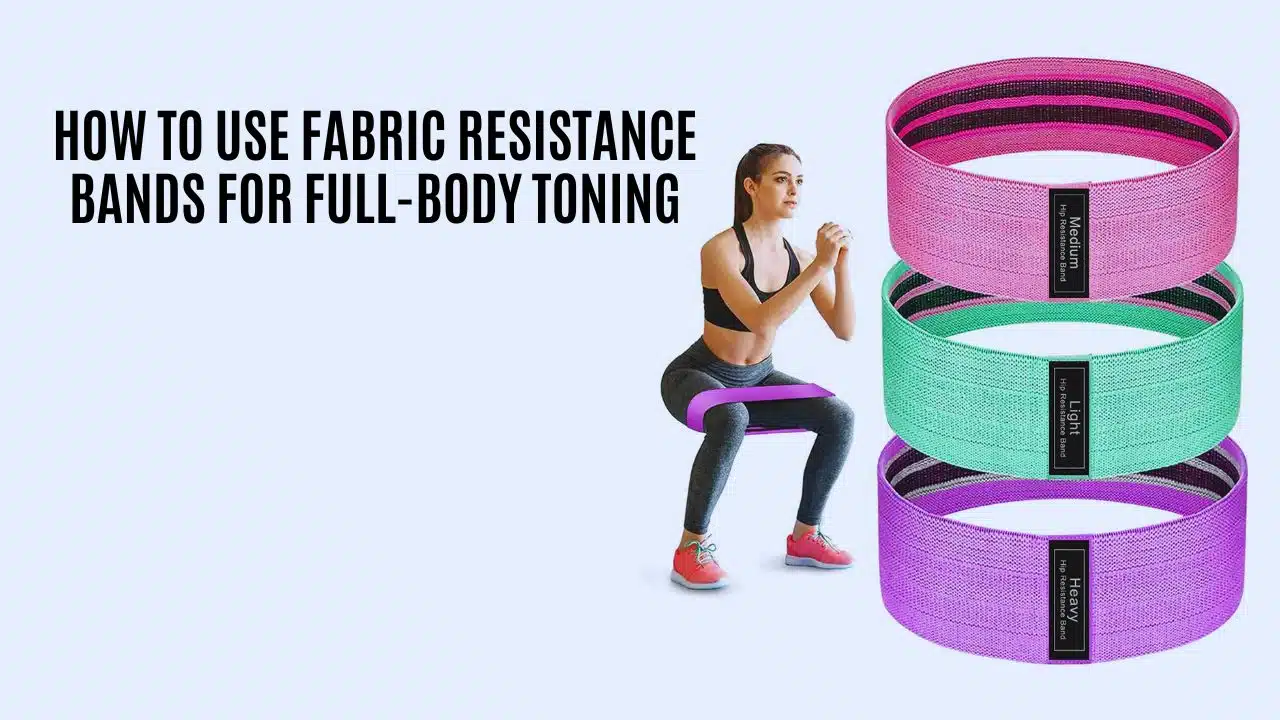
Fabric resistance bands have revolutionized the way we approach strength training and muscle toning. These versatile exercise tools, constructed from durable textile materials with elastic properties, offer a unique approach to building strength and enhancing muscle definition. Their effectiveness lies in their ability to provide continuous resistance throughout entire movement patterns, making them invaluable for anyone seeking to improve their fitness level.
Understanding the Foundations
The science behind fabric resistance bands is compelling. Research has demonstrated that exercises performed with these bands can increase muscle activation by 20-30% compared to traditional bodyweight movements. This enhanced activation occurs because the bands create constant tension through both the lifting and lowering phases of each exercise, demanding continuous engagement from target muscle groups.
Fabric resistance bands typically measure between 12 and 24 inches in circumference and feature a width of 3-4 inches. Their textile construction offers distinct advantages over traditional rubber bands, as they resist rolling or bunching during movement. This stability ensures consistent resistance delivery and greater comfort during exercise execution.
Preparation for Success
Success with resistance band training begins with proper preparation and attention to safety. Before each workout session, take time to inspect your bands for signs of wear, particularly along the edges where fraying might occur. Proper storage away from direct sunlight and extreme temperatures will significantly extend their lifespan and maintain their elastic properties.
When performing exercises, position the band flat against your skin or clothing, ensuring it maintains this position throughout your movements. This technique prevents uncomfortable pinching and ensures even distribution of resistance. For exercises requiring a fixed point, secure the band around a stable fixture at an appropriate height, always testing the anchor point’s stability before applying full force.
Developing Upper Body Strength
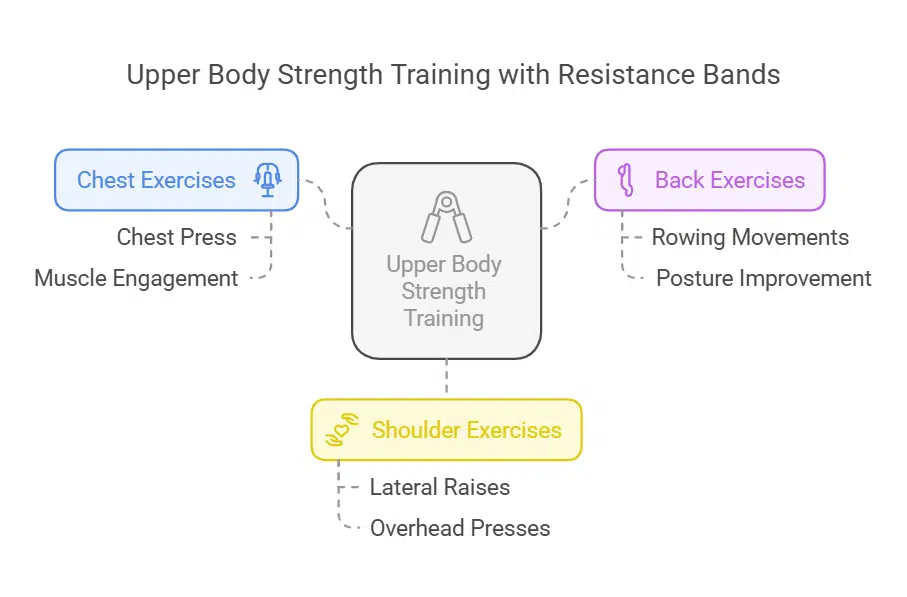
Upper body training with fabric resistance bands offers numerous effective exercises for developing strength and muscle tone. The chest press serves as a foundational movement, performed by wrapping the band behind your back and pushing forward from chest level until your arms extend fully. This movement engages 85% of chest muscle fibers, making it particularly effective for upper body development.
Back training becomes highly effective when incorporating resistance bands into rowing movements. By anchoring the band at chest height and pulling toward your ribcage while focusing on shoulder blade retraction, you’ll engage multiple back muscles simultaneously. This compound movement develops both strength and improved posture.
Shoulder development benefits greatly from resistance band training through movements like lateral raises and overhead presses. These exercises create constant tension through the deltoid muscles, promoting shoulder stability and definition. The band’s resistance curve matches natural strength patterns, making these movements particularly effective for muscle development.
Lower Body Conditioning
Lower body exercises with fabric resistance bands offer unique benefits for muscle activation and strength development. The glute bridge, performed with the band positioned above the knees, has been shown to increase gluteal muscle activation by 40% compared to the standard version. This enhancement occurs due to the added requirement of maintaining outward pressure against the band while lifting the hips.
Squatting mechanics improve significantly when incorporating resistance bands. Positioning the band either above the knees or around the ankles creates additional demands on the hip stabilizers and outer thigh muscles. This added resistance helps develop proper movement patterns while building strength in these crucial muscle groups.
Hip stability and strength benefit from focused movements like seated abductions and lateral walks. These exercises specifically target often-neglected muscle groups that play crucial roles in overall lower body function and stability.
Progressive Training Approaches
Effective resistance band training follows established principles of progressive overload while accounting for the unique properties of band resistance. Initial sessions should focus on mastering proper form with moderate resistance levels that allow completion of 12-15 repetitions while maintaining control throughout each movement.
As strength and proficiency improve, progression can occur through various mechanisms. This might include adjusting band positioning to increase resistance, advancing to stronger bands, or incorporating more challenging movement variations. The key lies in making systematic progress while maintaining proper form and control.
Core Strength Development
Core training with resistance bands offers unique advantages for developing total trunk stability. Anti-rotation exercises, such as the Pallof press, challenge the core’s ability to resist movement while maintaining proper posture. This type of training develops functional strength that transfers well to daily activities and athletic performance. Elastic resistance bands, when used correctly, provide reliable and valid measurements of shoulder muscle strength, demonstrating their usefulness in targeting and strengthening the shoulder area during core-focused exercises.
Standing movements that incorporate diagonal patterns effectively engage the entire core musculature. These exercises combine rotation with resistance, creating comprehensive core development that traditional crunches or sit-ups cannot match.
Recovery and Maintenance
The success of any resistance band training program depends heavily on proper recovery and equipment maintenance. Adequate sleep, typically 7-9 hours nightly, plays a crucial role in muscle recovery and strength adaptation. Proper hydration also significantly impacts performance, with research indicating that even mild dehydration can reduce exercise capability by 10-15%.
Equipment care ensures consistent performance and longevity. Regular cleaning with mild soap and water, followed by complete drying before storage, maintains the bands’ integrity and performance characteristics.
Advanced Applications
As proficiency with basic movements increases, advanced training techniques can enhance results. Tempo manipulation during exercises, such as controlling the speed of movement phases, can increase muscle tension and promote greater strength development. Combining movements into compound exercises increases workout efficiency while developing functional strength patterns.
The incorporation of isometric holds at various points during exercises can enhance stability and muscular endurance. These techniques add new challenges to familiar movements, promoting continued progress and maintaining engagement with the training program.
Conclusion
Fabric resistance bands represent a sophisticated and effective approach to full-body toning. Through proper exercise selection, progressive training principles, and consistent practice, these versatile tools can deliver significant improvements in strength, stability, and muscle definition. Success comes through understanding proper technique, progressing systematically, and maintaining awareness of your body’s response to training stimulus. With dedicated practice and attention to proper form, fabric resistance bands can help you achieve your fitness goals while providing a sustainable, adaptable approach to strength training.





















