

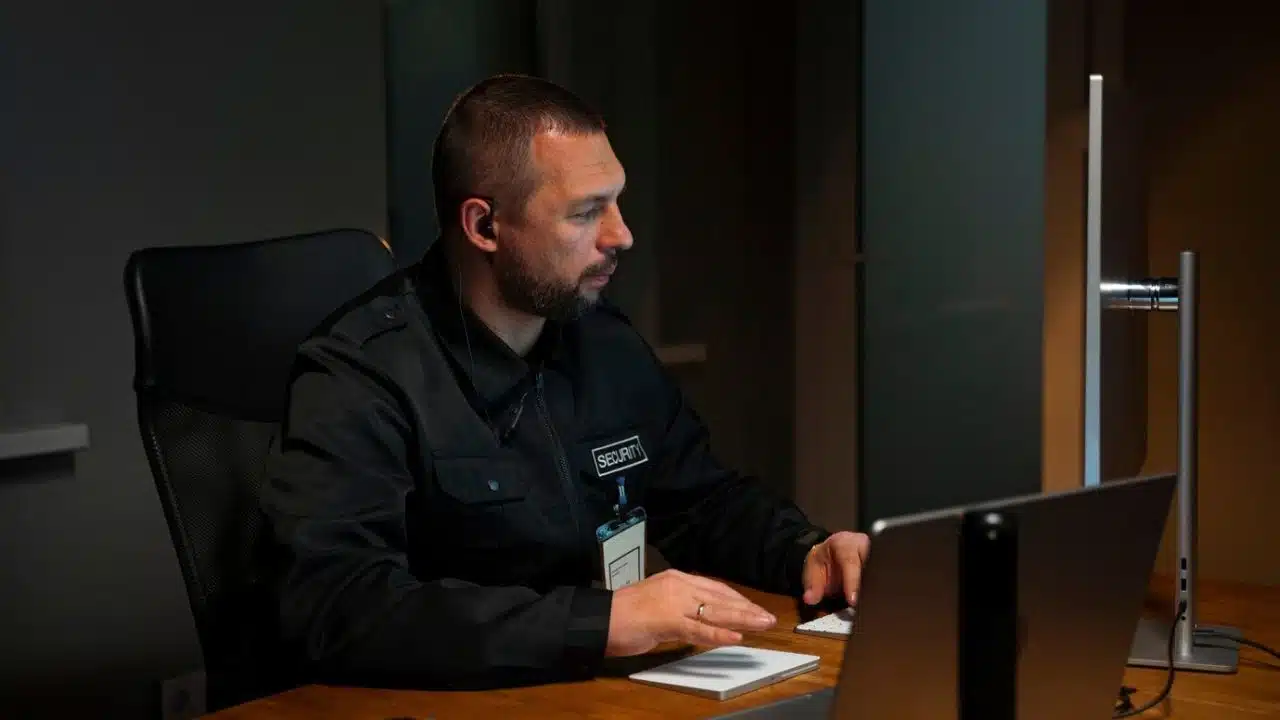
When you find yourself in a situation that requires information that’s not readily available or hard to access, hiring a private investigator (PI) can be a critical step. Whether you’re dealing with a legal issue, a personal matter like infidelity, or trying to locate someone, hiring the right investigator is crucial. Skilled Sydney private investigators, for example, are known for specializing in areas like corporate investigations, missing persons, infidelity cases, and legal support. But with so many investigators to choose from, how do you ensure you hire the best? This guide explores the key factors to consider when hiring a private investigator.
Experience and Expertise
The most important factor to look for when hiring a private investigator is their experience. Investigators often specialize in certain areas, including criminal cases, infidelity investigations, corporate espionage, missing persons, or child custody matters. While some PIs may have a broad range of experience, it’s essential to find one who specializes in the area relevant to your needs.
For example, if you are dealing with a suspected cheating spouse, you want to find a PI with expertise in infidelity investigations. If you’re looking into corporate fraud, a PI with a background in financial investigations would be more appropriate. When interviewing potential investigators, ask about their specific experience in handling cases like yours. Inquire about the types of cases they’ve worked on, how they handled challenges, and what outcomes they achieved. A seasoned investigator will have developed strategies for handling different scenarios and will be prepared to handle any roadblocks that arise during the investigation.
Proper Licensing and Insurance
A professional private investigator should always be licensed by the state in which they work. While licensing requirements can vary by state, it’s important to verify that the investigator you hire has the proper credentials. Working with a licensed PI ensures that they are recognized by the state and have the legal authority to carry out investigations. It also shows that the investigator is subject to the regulatory standards set by the state.
In addition to licensing, a private investigator should also have insurance, including liability insurance. This protects both the investigator and you in case of any legal issues that arise during the course of the investigation. For instance, if the investigator unintentionally breaches confidentiality or makes an error that results in harm, insurance will help mitigate the consequences. When discussing your case, ask the PI to provide proof of both licensing and insurance to give you peace of mind.
Confidentiality and Ethics
Confidentiality is a cornerstone of the private investigator’s profession. You are entrusting them with sensitive and potentially life-altering information, so it’s critical that they handle your case with the utmost discretion. A reliable PI should be committed to safeguarding your privacy throughout the investigation.
Before hiring a private investigator, discuss their confidentiality policies and ensure that they understand how to handle your personal information. A good PI will not only keep details of your case private but also be transparent about how they share information. For example, they should be able to explain how they store and manage data and whether they’ll share findings with anyone without your consent.
Ethics also play a significant role in the work of a private investigator. A reputable PI should adhere to ethical guidelines that prevent them from engaging in illegal or unethical activities, such as hacking, breaking and entering, or other intrusive methods. Ask the PI about their ethical practices to ensure they operate within legal boundaries.
Communication Skills
Effective communication is key to a successful investigation. A good PI should be able to explain complex investigative techniques in a way that’s easy to understand. Clear communication is especially important when you need to make decisions about your case, such as whether to continue an investigation or adjust the scope of the inquiry.
Throughout the investigation, the PI should keep you informed of any significant developments. Regular updates are essential so you are never left in the dark. It’s also crucial that the PI is responsive to your questions and concerns. If they’re hard to reach or fail to communicate effectively, it may be a sign that they’re not the right fit for your case.
During your initial consultation, assess how well the investigator listens to your needs and how clearly they explain their methods. If they take the time to ensure you understand the process and are open to addressing your concerns, it’s a good indication they value client satisfaction and transparency.
Transparency and Fees
When hiring a private investigator, it’s essential to have a clear understanding of the fees involved. A reputable PI should be upfront about their pricing and provide a breakdown of all potential costs. While it may be tempting to go with a cheaper option, be cautious about hiring an investigator who offers unusually low rates. Often, lower rates can indicate a lack of experience, inadequate resources, or questionable methods.
Expect the PI to provide an estimate based on the specifics of your case, but be aware that the cost of the investigation can vary depending on factors such as the complexity, duration, and any unexpected obstacles that may arise. A good investigator will explain how their billing works, whether it’s hourly or based on flat fees, and how additional expenses, such as travel or research, may impact the cost.
A lack of transparency regarding fees can lead to unexpected charges, leaving you with an unpleasant surprise when the bill arrives. To avoid this, ensure that the investigator outlines a clear agreement in writing. Some investigators may even offer a contract that defines the scope of work and establishes the agreed-upon price.
Reputation and References
One of the best ways to evaluate a private investigator is through their reputation. Look for a PI with positive reviews and a solid reputation in the community. If possible, ask for references from previous clients who can speak to the investigator’s professionalism and effectiveness.
Online reviews can give you an idea of how well the investigator communicates, their success rate, and their overall professionalism. However, don’t rely solely on reviews. It’s always a good idea to ask the investigator for direct references. A reputable investigator will be happy to provide them, as they understand the importance of client testimonials in building trust.
In addition to client reviews, check if the investigator is a member of professional organizations such as the National Association of Legal Investigators (NALI) or the Association of Private Investigators. Membership in these organizations indicates that the investigator adheres to high standards and ethics in the field.
Technology and Tools
Private investigators rely on a variety of tools and technologies to gather information. Depending on the nature of your case, the PI may need to use surveillance equipment, GPS tracking, background check services, or specialized databases. An investigator who keeps up with the latest advancements in technology will be able to handle your case more efficiently and provide you with more accurate results.
During your initial conversation with a potential investigator, ask about the tools and technologies they use. A good PI should be familiar with both traditional investigative techniques and modern technology. For example, they may use surveillance cameras or drones to track someone’s movements or access databases to conduct in-depth background checks.
Technological tools allow a PI to gather and analyze data quickly, which can be particularly helpful in cases that require urgent attention. Ask how they incorporate technology into their investigations and whether it will help in your specific case.
Compatibility and Trust
Finally, trust your instincts. Even if a private investigator meets all the necessary qualifications, it’s important that you feel comfortable working with them. Building a relationship based on mutual trust and respect is crucial when dealing with sensitive matters.
The PI should make you feel comfortable discussing your case and should always treat you with respect. If you feel uneasy about the investigator or their approach, it may be a sign that you should look elsewhere. Building rapport with your PI helps ensure that you can work together effectively throughout the investigation.
Takeaways
Hiring the right private investigator is a big decision. A trustworthy and experienced PI will help you get the answers you need while maintaining professionalism and ethics throughout the process.
























