

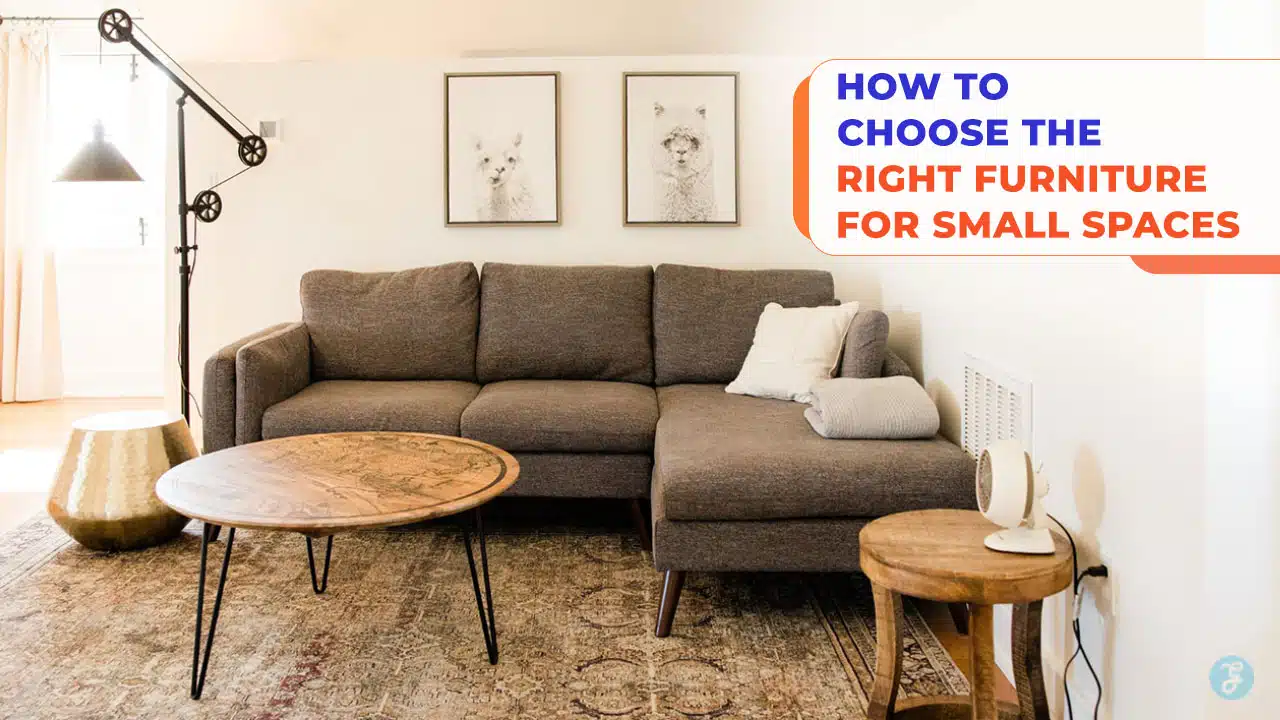
Living in a small space can feel tricky. You might wonder how to fit everything without making the room cramped. Picking the right furniture makes all the difference.
Smart choices, like compact furniture or multi-purpose pieces, save room and keep things stylish. This guide will show you simple tips to make your small spaces look bigger and work better.
Ready to create more space? Read on!
Measure Your Space and Plan Strategically
Grab a tape measure and jot down numbers. Measure the width, depth, and height of your room. Double-check before buying compact furniture to avoid mistakes. A couch that’s too big can block walkways or look crammed near the sink.
Think about how furniture fits in your daily life. Need desks near natural light for work? Planning hidden storage under beds? Map it out first. “A small space is like a puzzle; every piece matters.”.
Opt for Multi-Functional Furniture
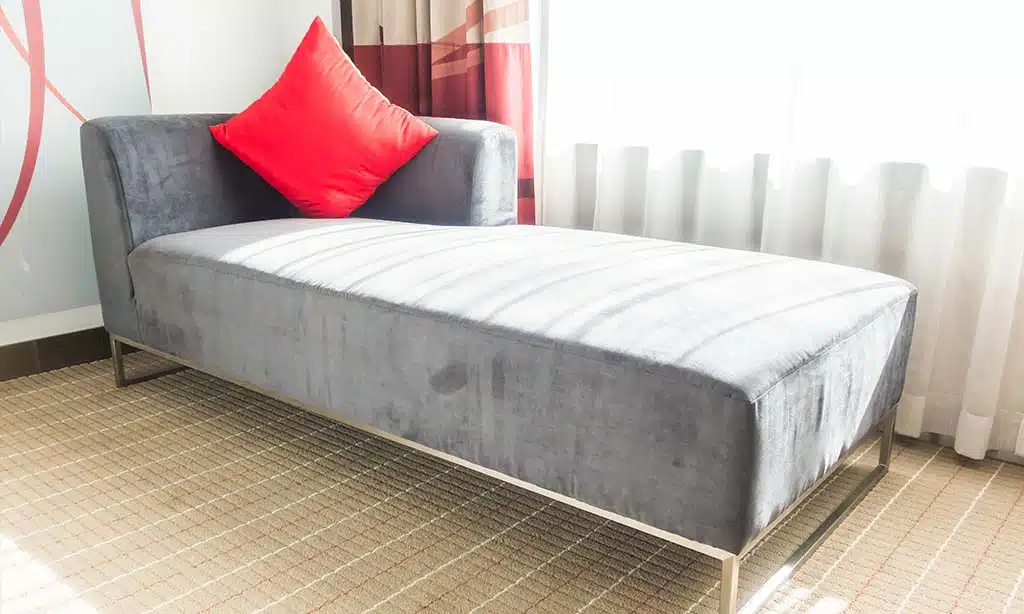
Small spaces need smart choices. Pick furniture that works double duty to save space and keep things tidy.
Lift-top tables
Lift-top tables are perfect for small spaces. They provide hidden storage under the top, which can lift up as a work surface or dining table. This makes them great multi-purpose furniture.
You can store books, pillowcases, or bedding inside to reduce clutter.
These tables save room without taking much space themselves. Look for clean lines and compact designs to keep the area open and airy. Light-colored options or those with glass tops can make your room feel bigger too.
Sofa beds
Sofa beds are lifesavers in small spaces. They transform from comfy seating to a cozy bed in seconds. Perfect for apartments, studios, or guest rooms! These pieces combine style and hidden storage with practicality under one roof.
“A sofa bed is like a Swiss Army knife of furniture: compact yet versatile.”
Opt for sleek designs that match your décor while saving space. Look for light-colored options to keep the room open and airy.
Choose Furniture with a Slim Profile
Look for furniture that feels light but works hard. Slim designs save room and still add style!
Chairs and sofas with thin arms
Thin-arm chairs and sofas work wonders in small spaces. Their slender design saves room without skimping on comfort. Bulky armrests take up precious inches, but thin arms make seating feel lighter and less crowded.
Compact furniture with slim profiles, like these chairs and sofas, creates balance in tight areas. Pair them with space-saving furniture to maximize every corner of your living room.
A love seat or armchair with thin arms can even fit snugly near a stairwell or nook!
Open-sided shelves
Open-sided shelves are perfect for small spaces. They make rooms feel bigger by keeping things open and airy. These shelves also use vertical space well, helping you stay organized without clutter.
Place them in a corner or against a wall to store books, baskets, or decor.
Their slim profile fits snugly into tight areas, making them great for compact furniture setups. You can even use one as a room divider while still letting light through. Light-colored options work best to keep the area bright and spacious-looking.
Maximize Vertical Space
Think tall, not wide. Use your walls to make the most of what you’ve got.
Tall shelves
Tall shelves make great use of vertical space in small rooms. They offer extra storage without taking up much floor area. Slim and open designs work best, keeping the room looking light and spacious.
Use them to store books, display plants, or hide clutter with decorative bins.
Place tall shelves near corners or along walls that are otherwise empty. Some units even come with hidden storage options for a cleaner look. IKEA has affordable shelves made for compact spaces, blending style with function perfectly.
Wall-mounted storage
Mount shelves high to free up floor space. Floating shelves can hold books, plants, or decor. Use hooks for jackets, bags, or even kitchen tools. A wall-mounted desk is perfect for compact workspaces.
Opt for cabinets that hang on the wall in small rooms. These give hidden storage without eating up room space. Place them above beds, sofas, or countertops for easy access and a neat look.
Use Light and Reflective Materials
Light materials make tiny rooms feel bigger. Reflective surfaces bounce light, brightening your space.
Glass or acrylic furniture
Glass and acrylic furniture can make small spaces feel airy. Their see-through design tricks the eye, making rooms seem larger. A clear coffee table or dining set works perfectly in compact areas.
They don’t block light, so even tight spots appear open and bright.
Acrylic chairs are lightweight yet strong, fitting neatly into corner nooks. Glass shelves offer storage without adding bulk. These materials pair well with bold patterns or colored walls, keeping the room balanced without looking cluttered.
Mirrors to create an illusion of space
Mirrors make small rooms feel bigger. Place a large mirror on a wall to reflect light and open up the space. Hang it across from a window for the best effect. It tricks the eye into seeing more depth.
Use mirrored furniture too, like cabinets or coffee tables. This adds shine and blends with compact furniture designs. A tall mirror in a corner can make ceilings seem higher, making decorating small spaces easier.
Pick the Right Rug Size
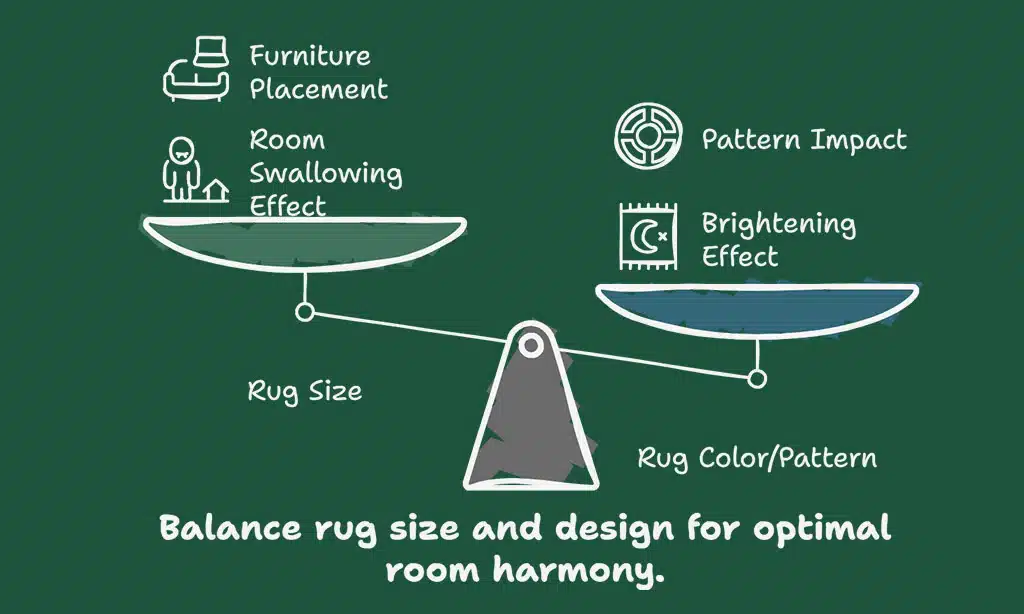
A rug that’s too big can swallow your room. A tiny one might feel lost and out of place. Pick a size that fits under the main furniture but doesn’t crowd the space. For a small living room, an area rug should sit under the front legs of your compact sofa or chairs.
In bedrooms, make sure it extends beyond the bed enough to step onto when you wake up. Light-colored rugs can brighten tight spaces and add warmth without overpowering. Bold patterns work too but avoid anything too busy in very tiny rooms—it might make them feel cramped instead of cozy!
Don’t Be Afraid to Use Bold Colors or Patterns
Bright colors can make small spaces pop. Use bold patterns on throw pillows or compact furniture like accent chairs. A colorful rug can also define the space and add character.
Play with contrasts to create depth. Pair light walls with patterned curtains or a vibrant room divider. Even in a tiny corner, bold designs bring energy without taking up extra space!
Utilize Nooks and Corners
Place compact furniture like corner chairs in tight spots. Use shelves or baskets in corners for hidden storage. A small desk can fit into an unused nook, creating a cozy workspace.
Add wall-mounted storage to free up floor space. Corner bookshelves hold decor and books without crowding the room. Every inch counts in small spaces, so make every corner work hard!
Look for Stackable or Foldable Pieces
Stackable and foldable furniture saves a lot of room. Chairs that stack neatly or tables that fold flat are great picks for small spaces. Nesting tables work too. Use them as needed, then tuck them away when not in use.
Compact furniture like folding chairs can fit into closets or unused corners. Stackable storage bins help organize while taking little space. IKEA has many options designed for tiny areas.
Try foldable drying racks, extra seating, or even wall-mounted desks to maximize every inch!
Keep the Room Balanced and Uncluttered
A cluttered room feels smaller. Use compact furniture like slim chairs, open-sided shelves, or hidden storage pieces to keep the space neat. Place each item with care, so it doesn’t feel crowded.
Balance is key—don’t push all your pieces to one side of the room.
Light-colored furniture can make small spaces look bigger and brighter. Avoid oversized items that overwhelm the area. Keep surfaces clear by storing things in stackable bins or wall-mounted units.
A clean layout helps you move easily while making the room more inviting!
Takeaways
Choosing furniture for small spaces doesn’t have to be hard. Measure your room, pick smart pieces, and think vertically. Multi-use items like sofa beds or lift-top tables save space.
Light colors and slim designs make rooms feel bigger and brighter. Start small with these tips, and watch your tiny space transform into a cozy haven!
FAQs
1. What type of furniture works best for small spaces?
Compact furniture is ideal for small spaces. Look for items like corner chairs, space-saving tables, or pieces with hidden storage to make the most of your room.
2. How can I decorate a small space without making it feel crowded?
Use multi-functional furniture and lighter colors to open up the area. A room divider can help create sections while keeping things organized.
3. Are there specific tips for choosing storage in small rooms?
Yes, pick furniture with hidden storage options like ottomans or beds that lift to store items underneath. These save space and reduce clutter.
4. Can large pieces work in a tiny room?
Sometimes! A single duvet-covered bed or compact sofa can fit well if paired with smaller accents like corner chairs or slim shelves around it.






















