

In a significant move toward healthier food ingredients, the U.S. Food and Drug Administration (FDA) has officially approved a new natural blue color additive derived from the fruit of the Gardenia jasminoides Ellis, a flowering evergreen native to Asia. This natural dye, known as gardenia blue, is expected to replace synthetic dyes currently used in many popular food and beverage products.
This is the fourth natural color approved by the FDA in just two months, signaling a strong regulatory shift toward cleaner, plant-based food additives amid growing health concerns, particularly regarding children’s exposure to synthetic chemicals in food.
What Is Gardenia Blue and Where It Can Be Used
Gardenia blue is a pigment created from genipin, a naturally occurring compound found in the fruit of the gardenia plant, long used in traditional Chinese medicine. This compound is extracted and then reacted with soy protein hydrolysate to form the vivid blue dye.
The newly approved additive can now be used in a variety of foods and drinks, including:
-
Sports and electrolyte beverages
-
Flavored or enhanced non-carbonated waters
-
Fruit drinks and juices
-
Bottled ready-to-drink teas
-
Soft and hard candy products
This means consumers will soon start seeing a more natural blue hue in many products that previously relied on synthetic dyes like Blue 1 (Brilliant Blue FCF), a petroleum-derived additive that has raised safety concerns over the years.
Health and Allergen Considerations
Despite its soy-based production method, gardenia blue might not require allergen labeling. This is because the soy protein used in its manufacturing is highly refined and processed, and according to the petitioners, it is not detectable in the final additive.
The Gardenia Blue Interest Group, which petitioned the FDA for this approval, has requested an exemption from declaring soy as an allergen in this case. They argue that because no measurable traces of soy remain in the final product, it does not pose a risk to consumers with soy allergies. The FDA is currently reviewing this request to determine whether the exemption can be granted under existing allergen disclosure regulations.
For now, manufacturers will need to remain cautious about labeling until a final decision is made, especially since soy is one of the top eight major food allergens in the U.S., according to the Centers for Disease Control and Prevention (CDC).
Part of a Larger Shift Toward Natural Dyes
The approval of gardenia blue is not a standalone event. It is part of a broader FDA initiative that supports the use of natural colors over synthetic ones in the food industry. In May 2025 alone, the FDA approved three other natural color additives:
-
Galdieria extract blue, derived from blue-green algae
-
Calcium phosphate, a naturally occurring white mineral
-
Butterfly pea flower extract, a plant-based source of vibrant blues, purples, and greens
These approvals mark a notable change in U.S. food safety policy, especially at a time when several studies and public health campaigns have raised concerns about artificial food colorings.
Petroleum-based synthetic dyes, such as Red 40, Yellow 5, and Blue 1, have long been used in processed foods, especially in products marketed to children. However, multiple health advocacy organizations, including the Environmental Working Group (EWG) and the Center for Science in the Public Interest (CSPI), have called for their removal, citing studies that link artificial dyes to behavioral issues, allergic reactions, and potential long-term health effects.
Government Push for Cleaner Food Ingredients
The recent approvals align with the vision of Health Secretary Robert F. Kennedy Jr., who has made children’s health and food safety key areas of focus under his leadership. The health department is actively working to reduce the exposure of children to synthetic additives by encouraging the food industry to phase out petroleum-based dyes by the end of 2026.
As part of a broader campaign titled “Make America Healthy Again”, the initiative aims to cut through what officials describe as industry influence and prioritize public health. Key policymakers and medical professionals, including Dr. Marty Makary, have been instrumental in pushing these changes forward within federal agencies.
Kennedy’s department argues that there is no nutritional or functional need for synthetic colors in food and that their removal would pose no significant technical barrier for manufacturers, thanks to the increasing availability of natural alternatives.
Industry Response and Ongoing Debate
The shift toward natural food dyes has not gone unchallenged. The International Association of Color Manufacturers (IACM), representing companies that produce both natural and synthetic dyes, has expressed concerns over the regulatory momentum against artificial colors.
According to the IACM, artificial dyes play a critical role in ensuring product consistency, visual appeal, and consumer confidence. They argue that synthetic dyes are more stable, cost-effective, and easier to scale for mass production compared to natural alternatives, which may vary in color intensity or degrade under certain storage conditions.
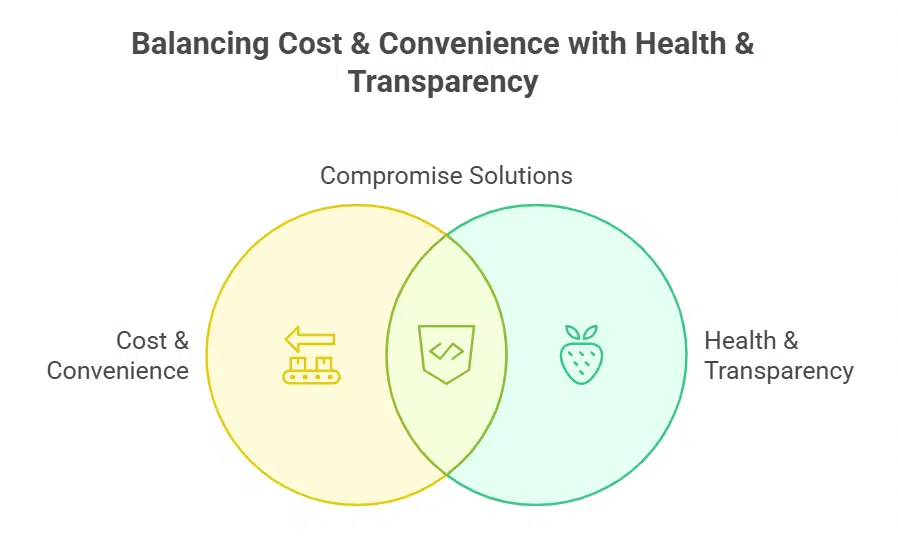
This resistance reflects a broader debate in the food industry between cost and convenience versus health and transparency.
Are Artificial Food Dyes a Major Health Concern?
While the FDA’s push for natural dyes is being celebrated by health advocates, some public health experts emphasize that artificial dyes are not the primary threat in the American diet.
Dr. Céline Gounder, editor-at-large for public health at KFF Health News and medical contributor for CBS News, suggests that issues like excess sugar, processed foods, and high sodium intake are more pressing contributors to chronic diseases such as obesity, diabetes, and hypertension.
However, many experts argue that removing unnecessary chemicals, especially from products aimed at children, is a step in the right direction. They point out that children are more vulnerable to the effects of additives due to their lower body weight and developmental stage.
Even if synthetic dyes are not a direct cause of disease, eliminating them helps move the food supply toward a cleaner, more natural standard — something that aligns with broader global trends in health and nutrition.
What’s Next?
With gardenia blue now approved, food and beverage manufacturers may begin reformulating products to incorporate this new, FDA-approved natural color. This move is expected to appeal to health-conscious consumers, especially parents seeking clean-label products for their children.
Meanwhile, the FDA will continue evaluating allergen labeling requirements and monitoring the safety and stability of natural color additives. Consumers can expect more product labels listing ingredients like gardenia blue, butterfly pea flower, and galdieria extract as demand for plant-based ingredients continues to grow.
This approval may also influence other countries, particularly those in the European Union, where stricter regulations already limit the use of certain synthetic dyes. As global food trends shift, the United States appears to be following suit with a renewed focus on transparency, natural ingredients, and consumer safety.
























