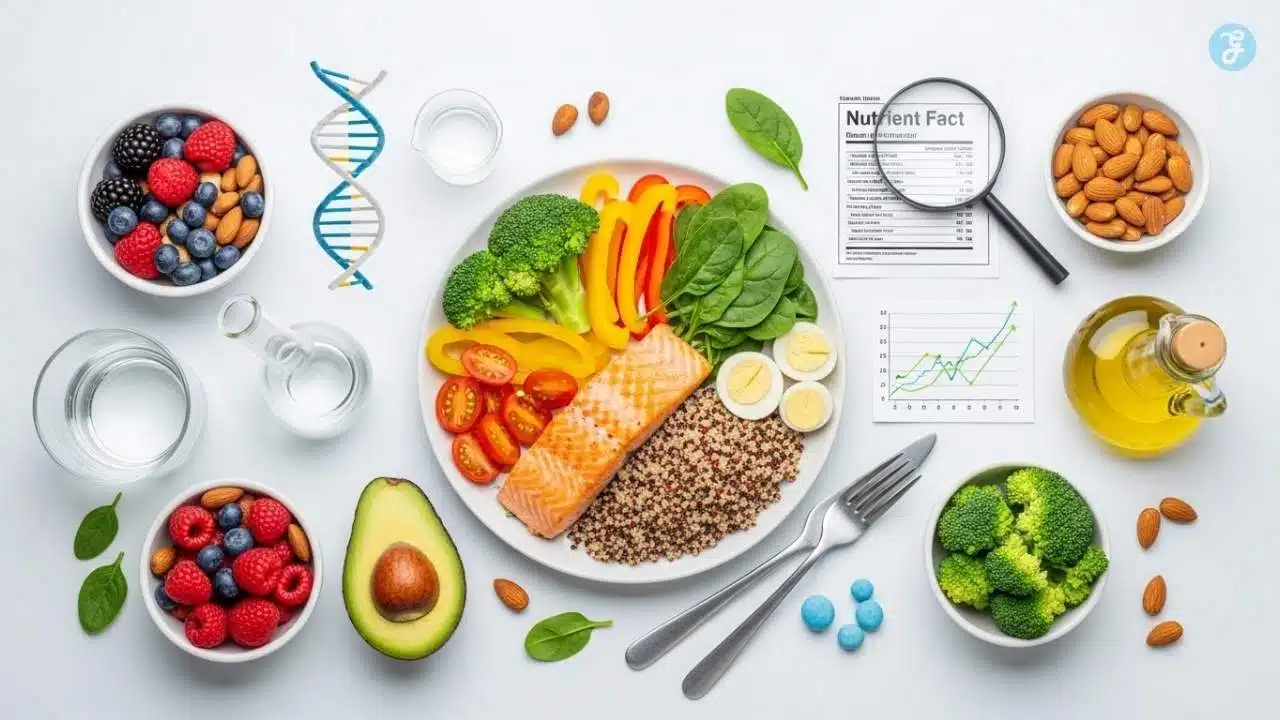
Have you ever felt completely lost trying to figure out what you should actually eat? One day, eggs are terrible for you, and the next day, they are a superfood. All this mixed information makes healthy eating feel impossible. You want to know what actually works for your body. The good news is that clear, simple facts do exist. Studies show that eating whole foods can cut your risk of heart disease by up to 30 percent.
Evidence-Based Nutrition Tips for Optimal Health can help you sort through all the confusion. I am going to walk you through the exact steps I use, and I think you will be surprised at how easy it can be.
Let’s go through it together so you can start feeling better today.
The Foundation of Evidence-Based Nutrition
Science backs the best nutrition advice, not guesses or fads. Real research shows us what actually works for your body and health.
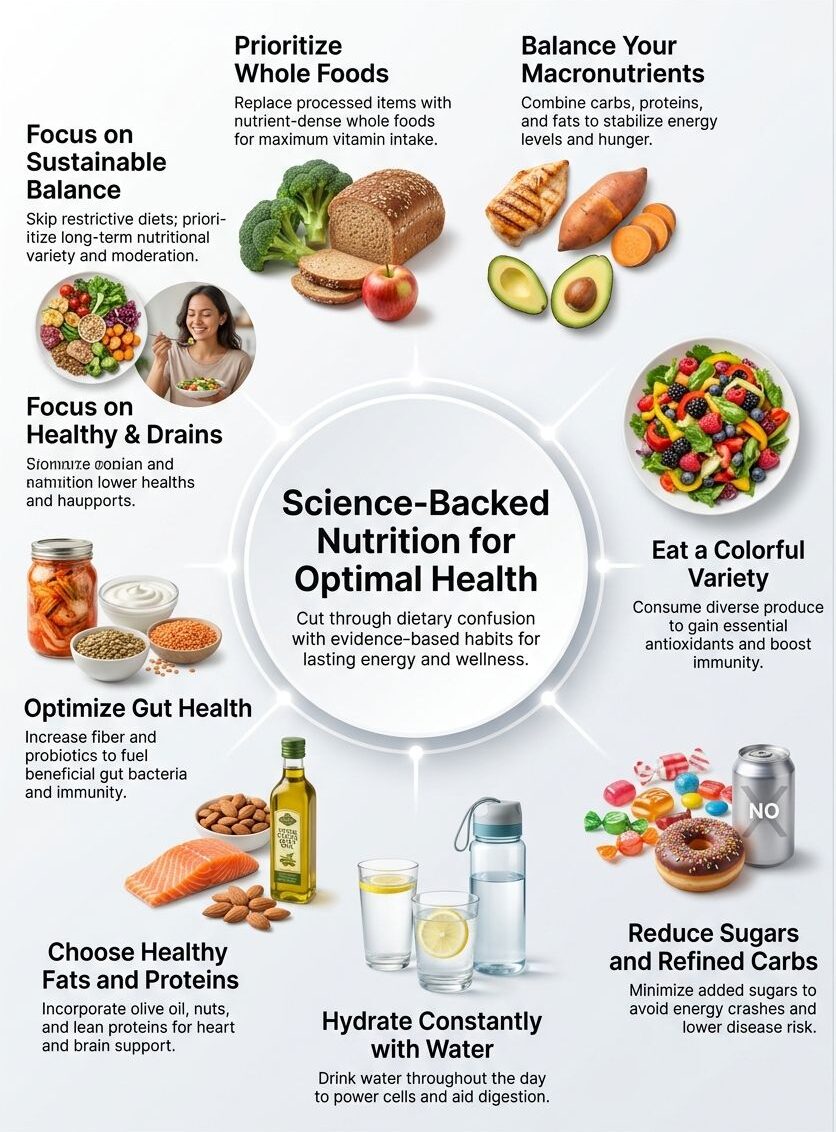
What is evidence-based nutrition?
Evidence-based nutrition means making food choices grounded in solid, peer-reviewed research. Nutritionists and doctors study food through rigorous experiments and long-term observations.
They look at what actually works instead of what sounds trendy on social media. For example, organizations like the Academy of Nutrition and Dietetics rely on decades of clinical trials in the US to form their guidelines. This approach takes the guesswork out of healthy eating.
You get wellness strategies that truly support your goals. These choices are backed by actual data instead of marketing hype.
Let food be thy medicine and medicine be thy food. (Hippocrates)
Reliable research forms the backbone of smart dietary recommendations. Scientists examine how whole foods, lean protein, and healthy fats affect your health outcomes over time. They track thousands of people, measure results, and share their findings. This foundation helps you make informed choices about balanced meals.
Importance of reliable nutrition research
Understanding what evidence-based nutrition means sets the stage for grasping why reliable research matters so much. Scientists study food and health outcomes through careful experiments. This research gives us facts we can trust to make smart choices every single day.
Fake or poorly done studies can lead us down the wrong path. They make us waste money on foods that do not help us. Quality research protects our wallets and our bodies.
To spot reliable advice, look for these specific markers:
- Peer-Reviewed Sources: Guidelines published by the National Institutes of Health carry more weight than a random blog.
- Current Data: Recommendations change, so look for the most recent 2025-2030 Dietary Guidelines for Americans.
- Large Sample Sizes: Studies tracking thousands of people over years provide the most accurate health outcomes.
- Clear Funding: Trust research from independent groups over studies funded by specific food companies.
When nutrition experts base their advice on solid evidence, they help millions of people live healthier lives.
Core Principles of a Healthy Diet
Your body runs best when you feed it real food. Getting the right mix of nutrients creates the foundation for lasting energy and better health.
Focus on whole, nutrient-dense foods
Whole, nutrient-dense foods pack more vitamins, minerals, and fiber into each bite than their processed cousins. Think of them as the premium fuel for your body.
A 2026 update from the US Department of Agriculture defines nutrient-dense foods as items providing essential vitamins with little to no added sugars. Fruits, vegetables, whole grains, and lean protein deliver real nutrition that your cells actually use. Swapping out refined snacks for whole foods means you get more value for your money.
Your body thanks you with better energy, clearer skin, and a sharper mind. Building a healthy eating plan around nutrient-dense options creates the foundation for long-term wellness. A balanced diet built on these powerhouse ingredients beats any trendy diet plan. It actually works with your body.
Let food be thy medicine and medicine be thy food. (Hippocrates)
Balance macronutrients: carbohydrates, proteins, and fats
Your body runs on three main fuel sources. Carbohydrates, proteins, and fats each play a different job in keeping you energized.
Carbohydrates give your brain and muscles quick energy to power through your day. Proteins build and repair your muscles, skin, and organs. Fats support your brain function, help you absorb vitamins, and keep your hormones balanced.
Getting the right mix of all three makes a real difference in how you feel. The US Department of Agriculture MyPlate guidelines suggest filling half your plate with carbohydrates from produce, one quarter with lean protein, and one quarter with whole grains. Adding healthy fats prevents energy crashes and keeps hunger at bay between meals.
You might eat brown rice with grilled chicken and olive oil one day. The next day, you could try oatmeal with eggs and avocado. The key is mixing these macronutrients at every meal. Your body needs all three to function at its best. Skipping any of them leaves you running on empty.
Incorporate a variety of fruits and vegetables
Getting the right balance of carbs, proteins, and fats sets your foundation. Now it is time to build on that base by filling your plate with colorful produce.
Fruits and vegetables pack the most nutrition into every bite. Unfortunately, recent Centers for Disease Control and Prevention data show that only about 10 percent of US adults eat enough vegetables daily. Different colored produce offers different benefits for your body. Eating a rainbow of fruits and vegetables means you get a wider range of vitamins.
- Red Produce: Tomatoes and watermelon contain lycopene to support heart health.
- Orange Choices: Carrots and sweet potatoes give you beta-carotene for healthy eyes.
- Dark Greens: Spinach and kale load you up with iron and calcium for strong bones.
- Blue and Purple: Berries provide antioxidants that protect your cells from damage.
Whole foods like fresh produce beat processed options every single time. Start your day with berries in your breakfast. Fruits and vegetables contain fiber that feeds your gut bacteria. Frozen and canned options work just as well as fresh ones. Grab whatever fits your budget and schedule.
Essential Nutrition Tips for Optimal Health
Your body runs on fuel, and the right choices make all the difference in how you feel every day. Small shifts in what you eat can spark big changes in your energy and long-term health.
Limit added sugars and refined carbohydrates
Added sugars sneak into your diet more often than you might think. Soda, candy, baked goods, and flavored yogurts pack in sugar that your body does not need.
These sugars spike your blood glucose fast and then crash just as quickly. Over time, eating too much added sugar raises your risk for weight gain and heart disease. The American Heart Association has very specific recommendations for Americans to keep their hearts healthy.
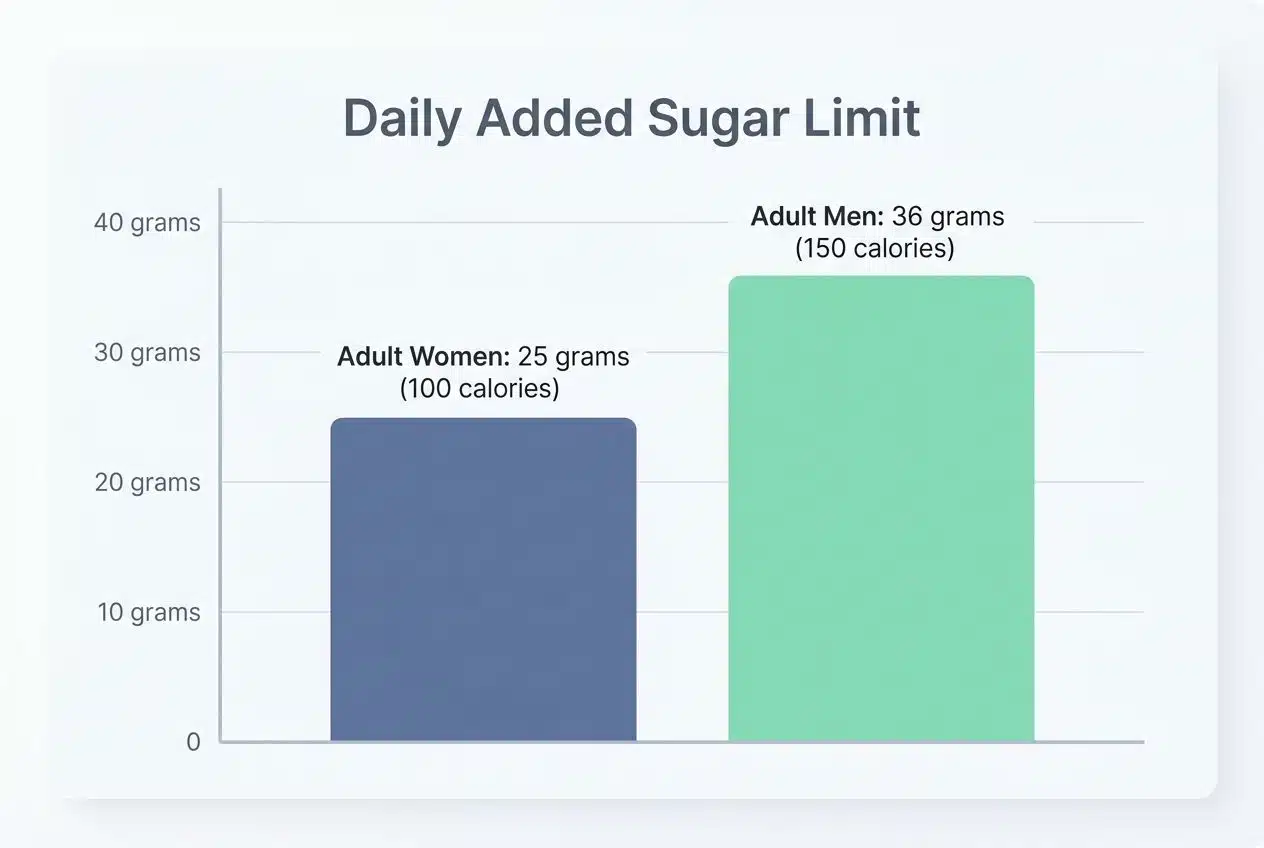
| Group | Daily Added Sugar Limit | Calorie Equivalent |
|---|---|---|
| Adult Women | 25 grams (6 teaspoons) | 100 calories |
| Adult Men | 36 grams (9 teaspoons) | 150 calories |
Reading food labels helps you catch hidden sugars before they land on your plate. Look for words like high fructose corn syrup, cane juice, and dextrose on ingredient lists.
Whole foods like berries and oats satisfy your sweet tooth naturally. Making this shift means choosing nutrient-dense carbohydrates that fuel your body properly.
Stay hydrated with water
Your body runs on water as a car runs on gas. Every cell, tissue, and organ in your body needs water to function properly.
Water helps your digestive system break down food and carries nutrients to your cells. Most people do not drink enough water, and this simple mistake tanks their health outcomes. The US National Academies of Sciences, Engineering, and Medicine recommends about 15.5 cups of fluids daily for men and 11.5 cups for women.
Drinking plain water throughout the day supports your metabolism and helps you feel full longer. Thirst is not always a reliable signal that you need water. By the time you feel thirsty, your body is already running low on fluids. Aim to drink water consistently throughout your day.
A solid wellness strategy includes keeping a water bottle nearby. Your kidneys, brain, and muscles all perform better when you stay hydrated. This healthy eating habit costs nothing and delivers real results.
Choose healthy fats like olive oil and nuts
Healthy fats deserve a spot on your plate every single day. Olive oil, nuts, seeds, and avocados pack powerful nutrients that your body actually needs.
These fats support your heart and brain in ways that low-fat diets simply cannot match. Olive oil contains compounds called polyphenols that fight inflammation in your body. It is an excellent source of monounsaturated fats, which the US Food and Drug Administration recognizes for reducing the risk of coronary heart disease. A small handful of nuts makes a satisfying snack that keeps hunger at bay.
Try incorporating these healthy fats into your meals:
- Extra Virgin Olive Oil: Drizzle over salads or use for light roasting.
- Avocados: Mash onto whole-grain toast for a filling breakfast.
- Walnuts and Almonds: Sprinkle into yogurt or oatmeal for extra crunch.
- Chia Seeds: Blend into smoothies to boost your daily fiber intake.
Swapping out unhealthy fats for these balanced diet staples transforms your eating habits without feeling restrictive. Healthy fats slow down digestion, which means you feel full longer.
Include adequate protein in your diet
Your body needs protein to build muscle, repair tissue, and make enzymes. Protein breaks down into amino acids, which your cells use to function properly.
Lean protein sources like chicken, fish, and turkey give you the nutrients you need without excess fat. Plant-based options such as beans, lentils, and tofu work great too. Most people underestimate how much protein they actually need.
The 2025-2030 Dietary Guidelines for Americans recently raised the protein targets. For healthy adults, they now recommend between 1.2 and 1.6 grams of protein per kilogram of body weight to maintain muscle mass. Your muscles recover faster after exercise when you eat enough protein.
Fish high in omega-3 fatty acids provide both protein and heart-healthy fats. Nuts and seeds offer protein plus fiber. Include a solid protein source at every single meal to keep your energy stable.
Advanced Evidence-Based Nutrition Practices
Once you master the basics, you can level up your nutrition game by exploring what science actually shows works. Real research reveals that small shifts in what you eat can create big changes.
Benefits of eating nuts, seeds, and whole grains
Nuts, seeds, and whole grains pack serious nutritional power into every bite. These foods deliver healthy fats, protein, and fiber that keep your body running strong.
Almonds and walnuts contain omega-3 fatty acids to support heart health and brain function. Whole grains such as oats, brown rice, and quinoa provide sustained energy without the crash you get from refined carbohydrates. For example, oats contain a specific type of soluble fiber called beta-glucan, which actively helps lower cholesterol levels in your blood. Comparing different options helps you see exactly what you are getting in a standard serving.
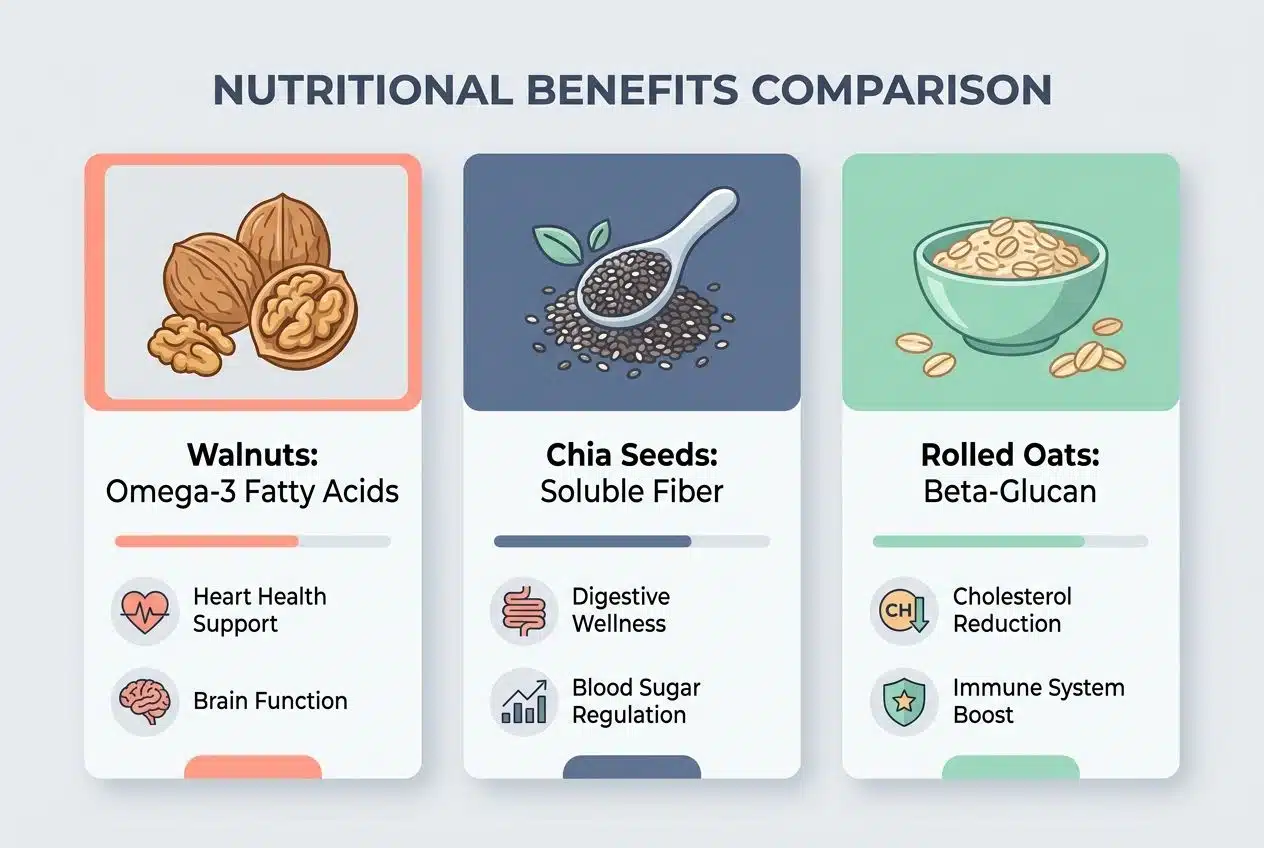
| Food Item | Key Nutrient Focus | Primary Health Benefit |
|---|---|---|
| Walnuts | Omega-3 Fatty Acids | Supports brain function and reduces inflammation. |
| Chia Seeds | Soluble Fiber | Aids digestion and helps stabilize blood sugar. |
| Rolled Oats | Beta-Glucan | Actively lowers LDL cholesterol levels. |
Eating these powerhouse foods regularly transforms your health outcomes in meaningful ways. A handful of nuts makes a perfect snack that satisfies hunger.
These foods support gut health by feeding beneficial bacteria that live in your digestive system. The combination of healthy fats and complex carbohydrates creates balanced meals that fuel your body.
Avoid ultra-processed foods and trans fats
Ultra-processed foods pack your body with artificial ingredients, added sugars, and unhealthy fats. These products line grocery store shelves in colorful packages, promising convenience and taste.
They rob your health of real nutrition. An August 2025 report from the Centers for Disease Control and Prevention revealed a shocking statistic. American adults now get an average of 53 percent of their daily calories strictly from ultra-processed foods. Your body struggles to recognize these artificial ingredients as food.
Trans fats actively damage your heart and blood vessels. Studies show that people who eat fewer ultra-processed foods have better energy levels and stronger immune systems.
The CDC report confirms that ultra-processed foods dominate the American diet, making whole food choices more critical than ever.
Reading ingredient lists helps you spot sneaky trans fats hiding under names like partially hydrogenated oils. Swap your processed snacks for nutrient-dense options instead.
Building a healthy eating plan means ditching the drive-through mentality. Your wellness strategies improve dramatically when you focus on real food science.
Support gut health with probiotics and fiber
Your gut acts like the control center for your whole body. Feeding it right matters more than you might think. Probiotics are live bacteria that live in your digestive system and help break down food. They fight off bad bacteria and keep your immune system strong. Fiber acts as fuel for these good bacteria, helping them thrive. Current US nutritional guidelines recommend aiming for 28 to 34 grams of dietary fiber each day to keep your digestive system running smoothly.
You can find beneficial probiotic strains, like Lactobacillus, in fermented foods. Yogurt, kefir, sauerkraut, and kimchi are all great options. Whole grains, beans, and vegetables pack tons of fiber that your gut bacteria absolutely love.
Eating foods high in fiber creates a healthier gut environment. This leads to better digestion, more energy, and stronger immunity. A balanced diet that includes these gut-friendly foods helps your body absorb nutrients more effectively. Start adding one or two probiotic-rich foods to your meals this week.
Use herbs and spices for flavor and health benefits
Herbs and spices transform your meals into flavorful experiences without adding extra calories or sodium. They are the easiest way to make healthy food taste amazing.
Turmeric contains curcumin, a compound that fights inflammation in your body. Garlic boosts your immune system and supports heart health. Cinnamon helps regulate blood sugar levels, making it perfect for balanced meals. Ginger eases digestion and reduces nausea.
To get the most out of your spices, try these combinations:
- Turmeric and Black Pepper: The piperine in black pepper boosts your body’s ability to absorb curcumin by 2000 percent.
- Cinnamon and Oats: Adding cinnamon to your morning bowl adds natural sweetness without any sugar.
- Garlic and Olive Oil: Roasting vegetables with this pairing enhances both flavor and nutrient absorption.
- Ginger and Tea: Steeping fresh ginger in hot water creates a soothing drink for digestion.
These seasonings make healthy eating enjoyable. Spices and herbs cost little money but deliver major health outcomes. You skip artificial flavors when you cook with fresh rosemary or thyme. This simple swap keeps your dietary recommendations exciting and sustainable for life.
Recommended Nutritious Foods
Some foods pack more nutritional power than others. Let’s explore which ones can truly transform your health journey.

Omega-3 Rich Fatty Fish
Fatty fish like salmon, mackerel, and sardines pack powerful omega-3 fatty acids. Your body cannot make these fats on its own.
These healthy fats fight inflammation, support your heart, and keep your brain sharp. The American Heart Association strongly recommends eating two servings of fatty fish per week, which equals about 6 ounces cooked. Your cardiovascular system responds very well to these nutrient-dense proteins.
Omega-3-rich fish fit perfectly into a balanced diet. You get the protein your muscles crave, plus the anti-inflammatory power that protects your cells.
Here are a few easy ways to add more fish to your week:
- Baked Salmon: Season with lemon and dill for a simple, fast dinner.
- Canned Sardines: Add them to a salad for an instant protein boost with zero cooking required.
- Grilled Mackerel: Pair with roasted vegetables for a hearty, affordable meal.
Fish tastes delicious, costs less than many supplements, and delivers real food nutrition. These whole foods beat processed options every single time.
Nutrient-Dense Nuts and Seeds
Nuts and seeds pack serious nutritional power into small packages. Almonds, walnuts, chia seeds, and flaxseeds deliver healthy fats, protein, and fiber that your body craves.
These foods support heart health, keep you full longer, and help stabilize your blood sugar levels. A standard serving size is about one ounce, which looks like a small handful or roughly 23 almonds. You can grab a handful as a snack, toss them into salads, or blend them into smoothies.
They require zero cooking, so busy schedules do not stand in the way of eating well. Seeds like pumpkin and sunflower varieties offer magnesium, zinc, and antioxidants. Mixing different types gives you a wider range of nutrients. Your body gets the full spectrum of what it needs.
Sprinkle them on oatmeal or add them to yogurt. This simple swap transforms ordinary meals into nutrient-dense powerhouses that fuel your day.
High-Quality Protein from Whole Eggs
Whole eggs stand out as one of the best protein sources you can eat. While nuts and seeds offer great nutrition, eggs deliver something special.
They provide complete protein with all nine essential amino acids your body needs. One large egg contains about 6 grams of protein. The US Department of Agriculture notes that a single large egg also provides about 147 milligrams of choline, a critical nutrient for brain health and memory.
The yolk gets a bad rap sometimes, but it holds most of the nutrients. Skip the egg white-only trend and eat the whole thing.
Whole eggs offer an unbeatable combination of complete protein, healthy fats, and essential brain-boosting nutrients.
Eggs fit into any meal, making them a practical choice for busy people. Scramble them for breakfast or toss them into salads. They cost less than many other lean protein sources, so your wallet stays happy too. Eating eggs regularly supports your balanced diet and nutrient-dense eating goals.
Building Long-Term Healthy Habits
You build lasting health when you make small, steady changes to how you eat and move each day. Real transformation happens when you stop chasing quick fixes and start treating nutrition as a lifelong partnership with your body.
Track your food intake occasionally to stay mindful
Tracking what you eat does not mean you need to obsess over every bite. Jotting down your meals a few times each week helps you spot patterns you might miss otherwise.
Maybe you notice you grab sugary snacks when stressed, or you skip vegetables on busy days. Using a free smartphone app like MyFitnessPal or Cronometer makes this process incredibly easy for people in the US. This simple practice keeps your healthy eating habits on track without feeling like a chore.
Your brain catches patterns faster when you log your meals. Food journals reveal the truth about your actual diet versus what you think you are eating.
Try these simple tracking methods to build awareness:
- The 3-Day Check: Log your meals for two weekdays and one weekend day to see your normal habits.
- Photo Journals: Snap a quick picture of your meals on your phone if you hate typing out ingredients.
- Symptom Tracking: Write down how your stomach feels after specific meals to identify food sensitivities.
Building awareness around your nutrition choices makes a real difference in your long-term health outcomes. You start noticing which foods make you feel energized and which ones leave you sluggish.
Avoid restrictive diets and focus on balance
Restrictive diets often backfire, leaving you hungry and frustrated within weeks. Your body needs a mix of carbohydrates, proteins, and healthy fats to function well.
Cutting out entire food groups creates cravings that sabotage your wellness strategies. Research shows that highly restrictive diets have a massive failure rate, often cited as high as 80 to 95 percent over a five-year period. Instead, focus on eating nutrient-dense foods in reasonable portions.
A balanced diet includes fruits, vegetables, whole grains, and lean protein. You can enjoy treats occasionally without guilt or stress. Building long-term success means ditching the all-or-nothing mentality. Most people fail on restrictive diets because they are too extreme to maintain. Your nutritional guidelines should feel manageable, even enjoyable.
Include foods you genuinely like alongside nutritious options. Small, consistent choices beat drastic overhauls every single time.
Maintain regular physical activity alongside healthy eating
Balancing your diet with movement creates a powerful combination for your health. You can eat all the nutrient-dense foods in the world, but without physical activity, your body misses out on major benefits.
Exercise strengthens your heart, builds muscle, and helps your body use nutrients more effectively. The US Department of Health and Human Services guidelines recommend aiming for 150 minutes of moderate aerobic activity every week. Walking, swimming, dancing, or lifting weights all count. Pick activities you actually enjoy, so you stick with them long-term. Your healthy eating habits work best when paired with regular movement.
- Daily Walks: A brisk 20-minute walk after dinner aids digestion and clears your mind.
- Strength Training: Lifting light weights twice a week preserves muscle mass as you age.
- Stretching Routines: Five minutes of morning stretching improves circulation and flexibility.
Physical activity and nutrition are teammates, not solo players. Moving your body boosts your energy levels, improves your mood, and helps you maintain a healthy weight. Combine your balanced meals with consistent movement, and you will see real changes in how you feel and perform.
Wrapping Up
You have learned that evidence-based nutrition tips work best when you focus on whole, nutrient-dense foods. Balancing your macronutrients and staying hydrated with water are simple strategies to start today. These choices are not complicated or expensive, whether you are shopping for groceries or planning your next meal. Your body responds quickly to these changes.
You will likely notice more energy and better focus within weeks of eating better. Consider tracking your food occasionally to stay mindful and avoid ultra-processed items. Start small by swapping one sugary drink for water or adding one extra vegetable to dinner.
Build from there, as these habits stick with you. Your future self will thank you for the choices you make right now, because good nutrition is the foundation you build every single day.
Frequently Asked Questions (FAQs) on Evidence-Based Nutrition Tips
1. What are some evidence-based nutrition tips for optimal health?
Fill half your plate with colorful fruits and vegetables, swap refined grains for whole grains like brown rice or quinoa, and drink water instead of sugary beverages. The USDA’s Dietary Guidelines for Americans recommend at least 2.5 cups of vegetables and 2 cups of fruit daily, though most adults fall short. Lean proteins such as fish, beans, and poultry help maintain muscle and keep you satisfied longer.
2. How does balanced eating support my body’s needs?
Balanced meals combine proteins for muscle repair, healthy fats for brain health, and fiber for steady digestion, which keeps your energy stable throughout the day. This mix prevents the crashes you get from eating just carbs alone.
3. Can small changes in diet really make a difference?
Absolutely! Research published in medical journals shows that adding just one extra serving of vegetables daily can reduce cardiovascular disease risk by 4 percent. Even swapping soda for water helps your body feel better within days.
4. Are there common myths about healthy eating I should ignore?
You don’t need pricey supplements if you eat a variety of whole foods. The National Institutes of Health confirms that most healthy adults get all necessary vitamins from a balanced diet, not from bottles.