


In an ever-changing world, the ability to think critically is one of the most valuable skills a child can develop.
Critical thinking enables children to analyze information, solve problems, and make informed decisions — skills that will serve them well throughout their lives.
Encouraging critical thinking in young children doesn’t have to be complicated; with the right strategies, parents and educators can nurture these skills from an early age.
In this detailed guide, we will explore 6 effective ways to encourage critical thinking in young children.
By incorporating these methods into everyday interactions, activities, and learning, you can help your child become an independent thinker capable of evaluating information and making sound judgments.
Why Critical Thinking is Essential for Young Children
Critical thinking allows children to ask questions, explore different perspectives, and understand the cause and effect of their actions.
arly development of these skills fosters curiosity, resilience, and problem-solving abilities, all of which are essential for academic success and personal growth.
How Critical Thinking Benefits Children
- Improves Problem-Solving Abilities: By thinking critically, children learn to approach problems from different angles and develop innovative solutions.
- Encourages Curiosity: Critical thinkers are naturally curious, asking questions and seeking answers beyond the surface level.
- Builds Independence: Critical thinking empowers children to form their own opinions and make decisions independently.
- Enhances Emotional Intelligence: Children who think critically are better equipped to navigate social interactions, understand others’ perspectives, and manage their emotions.
1. Encourage Open-Ended Play

Open-ended play is play that doesn’t have a predefined outcome or set of rules.
It allows children to use their imagination, creativity, and problem-solving skills to navigate the play experience.
This type of play encourages children to think critically by making decisions, solving problems, and exploring different outcomes.
Examples of Open-Ended Play Activities
- Building with Blocks or LEGO: These activities allow children to construct anything they imagine, encouraging them to think spatially and solve structural challenges.
- Pretend Play: Pretend play scenarios, such as running a store or being a doctor, require children to use their creativity, communicate with others, and make decisions based on their roles.
- Arts and Crafts: Drawing, painting, or making collages give children the freedom to express themselves without worrying about the “right” way to create something.
How to Facilitate Open-Ended Play
- Provide Open-Ended Materials: Offer materials like blocks, art supplies, or loose parts that can be used in a variety of ways, allowing children to create and explore.
- Avoid Over-Structuring: Allow your child to take the lead during playtime. Let them decide what to build or how to play without imposing strict rules.
- Ask Open-Ended Questions: Engage your child in conversation about their play. Ask questions like, “What are you building?” or “What happens if you add this block?” to encourage them to think critically about their decisions.
2. Ask Open-Ended Questions
Asking open-ended questions encourages children to think deeply about their responses. These questions require more than a simple “yes” or “no” answer, prompting children to reflect, analyze, and articulate their thoughts. By encouraging children to explain their reasoning, you help them develop critical thinking skills.
Examples of Open-Ended Questions
- “What do you think will happen if…?”: This question encourages children to make predictions and think about cause and effect.
- “Why do you think that happened?”: This question prompts children to analyze a situation and think critically about the reasons behind it.
- “How could we solve this problem?”: This encourages children to brainstorm solutions and evaluate the pros and cons of each option.
How to Incorporate Open-Ended Questions into Daily Life
- During Play: When your child is playing, ask them questions about their activities. For example, “Why did you decide to put that block there?” or “What do you think your character will do next?”
- At Mealtime: Use mealtimes to engage in thoughtful conversations. Ask questions like, “What was your favorite part of the day?” or “How would you describe the taste of this food?”
- During Storytime: While reading books together, pause to ask open-ended questions about the story. Ask your child to predict what might happen next or why a character made a particular decision.
3. Provide Opportunities for Problem-Solving
Problem-solving is a fundamental aspect of critical thinking.
By presenting children with challenges, you encourage them to use logic, creativity, and reasoning to find solutions.
These experiences help children develop persistence and resilience, key traits of critical thinkers.
Problem-Solving Activities for Young Children
- Puzzles and Brain Teasers: Simple jigsaw puzzles, pattern recognition games, or matching activities challenge children to think critically and find solutions.
- STEM Activities: Science, technology, engineering, and math (STEM) activities, such as building bridges with craft sticks or creating simple circuits, encourage children to experiment and problem-solve.
- Everyday Challenges: Ask your child to help with simple tasks that require problem-solving, such as organizing toys by size or figuring out how to stack items in a box.
How to Encourage Problem-Solving
- Give Time to Think: When faced with a challenge, allow your child time to think through the problem rather than jumping in with the solution.
- Break Down the Problem: Help your child break down the problem into smaller, manageable steps. For example, if they’re stuck on a puzzle, suggest they start by finding all the edge pieces.
- Praise Effort, Not Just Success: Celebrate the effort your child puts into solving a problem, regardless of whether they find the right answer. This helps build resilience and encourages a growth mindset.
4. Encourage Curiosity and Exploration
Curiosity is the driving force behind critical thinking.
When children are encouraged to explore their environment, ask questions, and seek answers, they naturally develop critical thinking skills.
Fostering curiosity helps children become active learners who are eager to discover new things.
Ways to Encourage Curiosity in Young Children
- Outdoor Exploration: Nature walks, visits to parks, or exploring the backyard provide endless opportunities for children to observe, ask questions, and learn about the world around them.
- Science Experiments: Simple, hands-on science experiments, such as making a baking soda volcano or growing plants from seeds, allow children to explore cause and effect.
- Creative Projects: Encourage children to experiment with art, building, or crafting projects that spark their curiosity and let them explore different materials and techniques.
How to Support Curiosity
- Encourage Questions Create an environment where your child feels comfortable asking questions. Answer their questions thoughtfully or explore the answers together.
- Provide Resources: Offer books, tools, and experiences that allow your child to delve deeper into their interests. For example, if they’re curious about space, provide books on astronomy or a telescope for stargazing.
- Model Curiosity: Show your child that it’s okay to not know everything. Ask questions out loud and demonstrate how to find answers, whether through research, experimentation, or asking others for help.
5. Model Critical Thinking Skills
Children learn by observing the adults around them.
By modeling critical thinking behaviors, you can teach your child how to approach problems, analyze situations, and make decisions.
Demonstrating these skills in everyday situations helps children understand how critical thinking is applied in real life.
Ways to Model Critical Thinking
- Think Aloud: Verbalize your thought process when making decisions or solving problems. For example, “I’m trying to decide which recipe to make for dinner. I need to think about which ingredients we already have and how long it will take to cook.”
- Discuss Different Perspectives: When faced with a decision, talk about the pros and cons of each option. Encourage your child to consider multiple viewpoints before making a choice.
- Reflect on Mistakes: When you make a mistake, use it as a learning opportunity. Explain how you made the mistake and what you can do differently next time, showing your child that critical thinking involves learning from experiences.
How to Incorporate Critical Thinking into Daily Life
- Decision-Making: Involve your child in decision-making processes, such as choosing what to cook for dinner or planning a family outing. Ask them to consider the different options and explain their reasoning.
- Problem-Solving Together: Work through problems together, whether it’s a household issue or a challenging puzzle. Discuss the steps you’re taking and why, helping your child see how critical thinking is applied.
- Encourage Reflection: After completing a task or solving a problem, ask your child to reflect on their experience. What went well? What could they do differently next time?
6. Encourage Reflection and Self-Evaluation
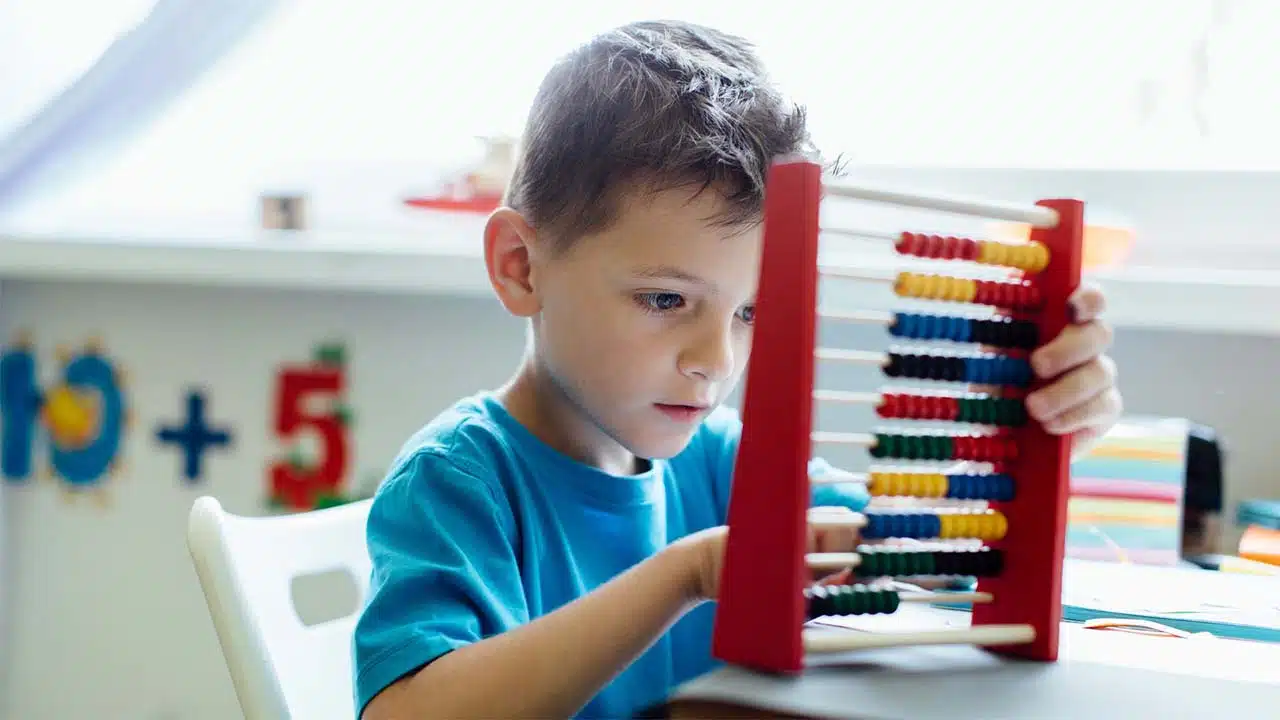
Critical thinking involves not only solving problems but also reflecting on the process and evaluating the outcomes.
Encouraging children to reflect on their actions and decisions helps them understand what worked, what didn’t, and how they can improve in the future.
Activities That Encourage Reflection
- Journaling: Even young children can benefit from keeping a simple journal where they reflect on their day, challenges they faced, and what they learned.
- Post-Activity Discussions: After completing an activity, have a conversation with your child about what they enjoyed, what was challenging, and what they might do differently next time.
- Self-Assessment: Encourage your child to assess their own work or behavior. For example, after completing a project, ask them how they feel about the outcome and what they might improve.
How to Support Self-Evaluation
- Ask Reflective Questions: After an activity or problem-solving experience, ask questions like, “What did you learn from that?” or “What would you do differently next time?”
- Create a Positive Environment: Make sure your child knows that reflection is not about criticizing themselves but about learning and growing. Praise their efforts and encourage a growth mindset.
- Encourage Goal Setting: Help your child set small goals based on their reflections. For example, if they struggled with a puzzle, they might set a goal to complete it without help next time.
Takeaway: Building a Foundation for Lifelong Critical Thinking
Encouraging critical thinking in young children sets the stage for a lifetime of curiosity, problem-solving, and independent thinking.
By fostering these skills early on through open-ended play, thoughtful questioning, problem-solving opportunities, and reflection, you can help your child become a confident, capable thinker.
These 6 ways to encourage critical thinking in young children are not only effective but also enjoyable for both children and adults.
By incorporating these strategies into daily life, you’re giving your child the tools they need to navigate the world with confidence, creativity, and resilience.
Critical thinking is a lifelong skill that, when nurtured from a young age, will serve your child well in every aspect of their life.






















