
Picking green beauty items feels tricky, right? You stare at shelves full of bottles, jars, and tubes, and you ask which ones use natural ingredients and which ones harm the planet.
You want clean beauty that does more good than harm, yet the labels confuse you.
A research firm saw a big jump in sales of natural cosmetics last year. Next, you will find 7 Eco-Friendly Beauty Trends Shaping Norway’s Beauty Industry, from waterless creams to handy multi-use sticks.
This guide uses market trends and research methodology to help you pick brands that care. Keep reading.
Key Takeaways
- L’Oréal and Aethera Biotech made bio‑identical plant compounds. Aethera patented a rose extract in 2022. Lab‑grown peptides raised hair and skin care sales by 30% last year under the European Green Deal.
- Kaffe Bueno reuses spent coffee grounds from Oslo cafés. Vintera extracts grapeseed oil from winery waste. Biomega turns salmon scales into collagen peptides. Investors revise forecasts as upcycling reshapes Norway’s cosmetics.
- Faith In Nature named a nature director to drive compostable bottles. Brands offer refill pouches and plant‑based tubes. They share life‑cycle data and claim circular designs to cut plastic waste.
- Sixty‑five percent of Norwegian shoppers now seek vegan beauty. Oslo’s cruelty‑free sector grew by 20%. Brands swap beeswax for jojoba oil and pack serums in recycled glass with playful names.
- Waterless bars skip water and last longer. Exo Elixir uses powder exosomes made by bioreactors. Dry bars and multi‑use sticks drove a 30% jump in Norway’s natural cosmetics last year.
Rise of Biotech Ingredients in Beauty Products
Biotech firms tap microbes to grow natural ingredients in labs, cutting farms and fields. Debut joined L’Oréal to craft bio‐identical compounds that mimic plant extracts. Aethera Biotech rolled out a patented rose extract in 2022.
EU policy like the European Green Deal and Chemicals Strategy for Sustainability drives clean beauty and shapes consumer preferences for green personal care.
Forecasting teams lean on autoregressive integrated moving average models to spot market trends and set growth rate targets. Hair care and skin care lines made with lab‐grown peptides rose by 30% in retail sales last year.
Corporate responsibility runs deep as suppliers cut carbon footprints and use business‑to‑business deals to boost sustainable packaging and reduce waste. Consumers reward brands that match their eco‑conscious behaviors.
Upcycling in Cosmetics: Turning Waste into Value

Kaffe Bueno harvests spent coffee grounds from Oslo cafés and extracts potent antioxidants for facial cleansers and body wash. Vintera preserves grapeseed oil from winery leftovers and adds skin‑firming vitamins to natural cosmetics.
Biomega mills salmon fish scales and crafts collagen peptides for shampoos, shaving balms, and dental rinses. This waste‑to‑value surge reshapes market dynamics, gives waste a new lease on life, and boosts clean beauty in Norway’s cosmetics industry.
Investors eye new segments and revise market size forecasts for eco‑friendly toiletries.
Sustainable Packaging Innovations
Brands craft bottles from compostable goods, they ditch plastic and cut waste.
Faith In Nature named a nature director on its corporate board, a real feather in its cap.
Labs use biotech solutions to cut water, land, energy and boost efficacy.
Stakeholders check life cycle assessment data and circular economy claims.
Clean beauty fans choose refill pouches, they spot sustainable packaging that shrinks waste and packs value.
Manufacturers tap upcycled glass jars and plant-based tubes to ride market trends.
Many buyers cite consumer behaviour patterns that favor minimal trash options.
New models shift market dynamics toward natural cosmetics and green growth.
Emphasis on Natural and Organic Formulations
Consumers seek natural ingredients in lotions and creams. Clean beauty lines boast herbal tinctures and seed oils. Exo Elixir taps plant-derived exosomal tech to repair skin cells.
Companies test their blends using mass spectrometry and gas chromatography.
Market size for clean beauty swelled in Norway last year. Market segmentation data highlight more men and older adults seeking premium organic serums. Market trends push oral care brands to ditch synthetic fragrances in mouthwashes.
Market dynamics spark more eco formulas in facial care and lip balms.
Waterless Beauty Products to Reduce Waste
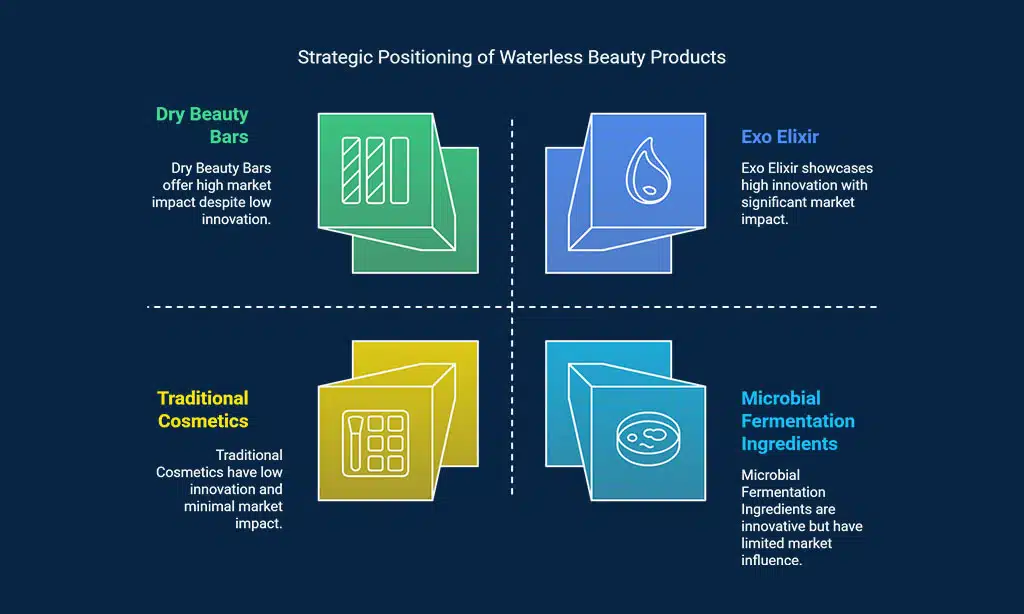
Waterless beauty cuts water use. Brands swap gels for dry bars. These bars skip water, so they last longer. Exo Elixir taps plant exosomes in powder form. It works with bioreactor tech.
Microbial fermentation yields natural ingredients without fields.
This trend shifts market dynamics. It drives clean beauty and natural cosmetics. It shapes market research and consumer behaviours. It links to sustainable packaging and csr goals.
Brands apply forecasting methods and Porter’s Five Forces in their corporate strategy. Norwegian labels stand out in market segmentation.
Vegan and Cruelty-Free Beauty Standards
Brands skip animal tests, swap beeswax for jojoba oil, they use natural ingredients like pea protein, algae. Norwegian shoppers drive these eco moves, 65% seek vegan items. Clean beauty fans pick animal free serums over old creams.
Firms apply market segmentation, they aim ads at green buyers. Porter’s Five Forces show low entry barriers for vegan lines, yet fierce rivalry on price. Market trends hint at a 20% jump in Oslo’s cruelty-free sector.
Big labels craft natural cosmetics, they use natural ingredients like oat protein. A friend gushed about blush and new vegan lipstick. Premiumization drives slick cases, they often cost more.
Brands pack items in recycled glass, sustainable packaging wins hearts. A drop of humor helps, like calling an eye shadow palette a “plant party.” Inclusivity in beauty means testers at malls, all skin tones gleam.
These moves shape market dynamics, they push other firms to join.
Multi-Use Products to Minimize Consumption
Multi-use sticks cut clutter, serving as foundation, blush, and lip tint in one. They fit clean beauty lines with natural ingredients, organic extracts, and sustainable packaging. Shoppers pay premium prices for high-end formulas that trim consumption.
Market trends show a 30% jump in Norway’s natural cosmetics segment, as market size for multifunctional products swells.
GlowMirror AR lets users test shades in virtual try‑ons and boost user experience (ux). Online consultations link clients with skin coaches for live guidance. Sites slim checkout steps and show clear pricing to simplify purchases.
Market segmentation reports note repeat buys as investment managers eye this niche amid macroeconomic shifts.
Takeaways
Norway’s beauty scene rides a green wave, thanks to biotech ingredients and upcycling magic. Social platforms fuel these shifts, digital media and Porter’s Five Forces shape launches.
Consumers embrace natural and organic formulas and waterless beauty, all in packaging that cuts waste. Brands tap Euromonitor International insights to spot market segmentation and customize offers.
Few trends pack this punch across marketing communications, business-to-business channels, and e-commerce platforms. This green turn feels like a fresh breeze, one that lifts spirits and cares for our planet.
FAQs
1. What are the key eco-friendly beauty trends shaping Norway’s beauty industry?
Brands use natural ingredients in eye make‑up, and in natural cosmetics. I once tried a bamboo razor, and it felt odd but worked great. They set high clean beauty bars, to win hearts. They shift to sustainable packaging for creams and balms, even small jars. Some makers sell manual toothbrushes, and a cloth nappy. They add denture cleansers and natural tooth whiteners, to cover all care.
2. What is the market size and what are market trends for eco-friendly beauty in Norway?
Norway’s eco-friendly beauty market size rose fast last year. Market trends point to low waste and green style. Market dynamics shift as green rules grow, brands adapt fast. Market segmentation splits by age, gender, and by how much folks will spend. Porter’s five forces show high buyer power, low threat from new firms.
3. How do brands use personalization and inclusivity in beauty?
Brands use personalization to match each skin tone, and each hair type. They push inclusivity in beauty, with models of all looks. Their marketing communications speak in a kind, simple voice. In business-to-business deals, they choose green partners who share their eco goals. It feels nice to see brands care, right?
4. How do fintech and the virtual space enter the beauty game?
Fintech helps brands fund green start‑ups, and speed up payments online. Virtual space lets users try natural cosmetics live with apps. They view 3D demos of eye make‑up in real time to pick best shades.
5. Why is qualitative data key for eco-friendly brands?
Qualitative research shows why people pick clean beauty, not just numbers. It tells feelings, hopes, small gripes. Brands use it to shape each fresh trend, like a tailor cuts cloth.