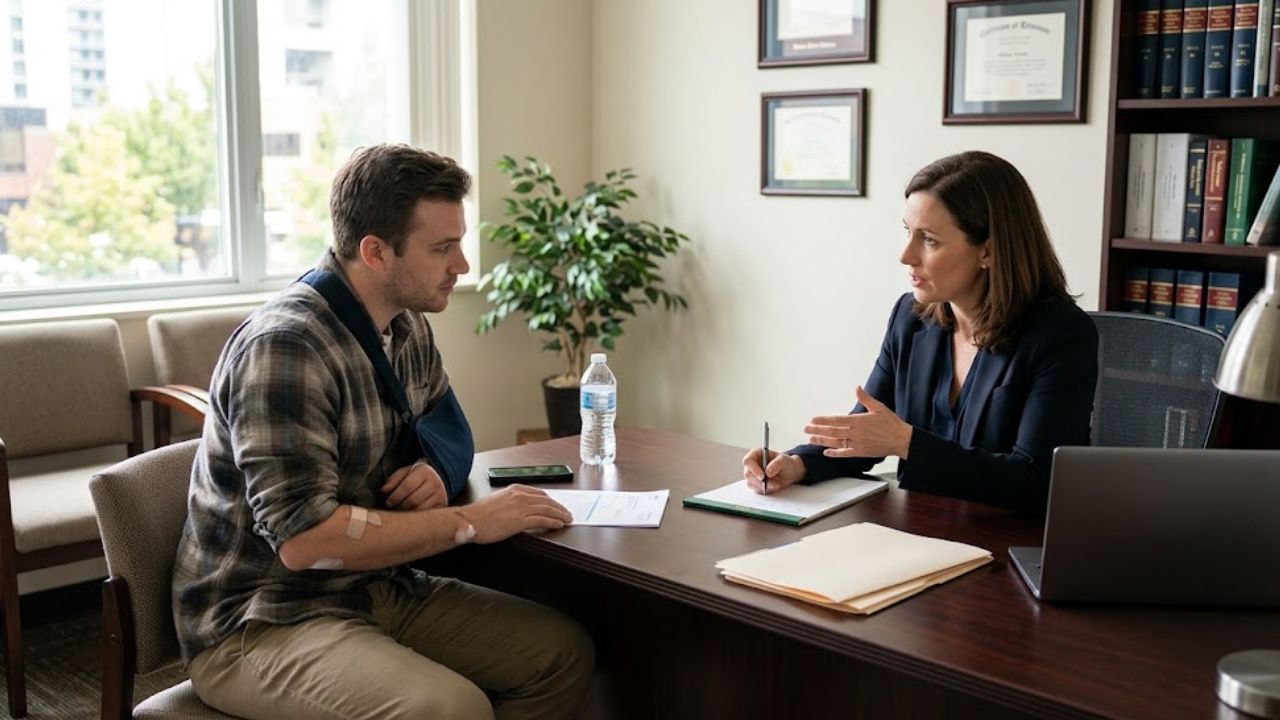
Few things add insult to injury more than the frustrating dealings with insurance companies after a car accident. Still reeling from the collision itself, accident victims suddenly face a maze of claim protocols, invasive questions, delays, and lowball settlement offers.
Navigating these shark-infested waters often leaves people feeling exploited, angry, and under-compensated at the very time they need support most. But it doesn’t have to be this way.
Arming yourself with smart dos and don’ts for interacting with insurers levels the playing field. By being proactive, documenting thoroughly, knowing your rights, and promptly getting skilled legal advice when needed, you can avoid missteps and achieve fair claim resolution.
This article highlights key guidelines accident victims should follow when managing insurance companies.
Do Be Proactive In Starting Your Claim
Don’t wait for insurance companies to contact you after an accident. You should promptly report the incident to your insurer, providing detailed facts about how it happened, any sustained injuries/damages, and the other drivers’ information.
Being proactive puts the claims process in motion faster. If you get stuck dealing with unwanted demands or lowball offers later, Orange County car accident lawyers can help protect your rights and facilitate fair claim resolution. But notify your insurer first.
Don’t Agree To Recorded Statements Before Consulting A Lawyer
Insurance adjusters often try pressuring unrepresented accident victims into providing official recorded statements about the incident right away. They may claim it’s routine or required but don’t fall into this trap.
Politely decline to provide a recorded account of the accident before first consulting with a personal injury lawyer. Statements you make when overwhelmed emotionally or in pain can be used against you later.
An attorney ensures your rights are protected during the claims process. Seek their advice before agreeing to any insurer demands.
Do Keep Thorough Records And Save Evidence
You should save any evidence you collect from the accident scene, including photographs of vehicle damage, skid marks, weather conditions, street signs, and sight obstructions. Also, keep the following handy:
- Medical records
- Injury documentation
- Accident reports
- Correspondence with insurers
- Records of missed work/income and other accident-related expenses
Having thorough documentation of losses and damages caused by the collision strengthens your insurance claim significantly. Treat your records as valuable proof to facilitate fair compensation.
Don’t Exaggerate Your Losses Or Injuries
As frustrating as the insurance claims process can be, it is vital that you do not exaggerate your losses or injuries when presenting information. Be completely factual and truthful regarding the extent of your medical issues, lost income, and accident-related costs.
Exaggerating could lead to insurance fraud. Instead, stick to providing concrete documentation from health providers, employers, repair shops, and other official sources. This substantiates your claim legitimately without ethical issues. Your evidence should speak for itself.
Do Hire An Accident Attorney If You Face Challenges
If communicating and negotiating with insurance companies starts becoming difficult or excessively dragged out, you should consult with an experienced personal injury lawyer. Qualified attorneys can act as advocates on your behalf, directly handling insurer interactions so you can focus on recovery.
Specifically consider legal representation if you experience denied medical treatment approvals, rejected reimbursement requests, disputed liability, unusually delayed communications, or inadequate settlement offers. Let a skilled lawyer tackle claim challenges.
Don’t Post About Your Case Publicly On Social Media
Refrain from publicly posting details, photos, or comments about your accident, injuries, or medical treatment on social media sites. Insurance company investigators routinely review profiles of claimants for evidence to dispute or deny claims. Even seemingly sympathetic comments from friends can be misconstrued.
Do Cooperate With Your Own Insurance Company’s Requests
While cautious cooperation with other parties’ insurers is wise, be responsive to reasonable requests for information from your own insurer after an accident. Non-cooperation clauses in policies can cause claims delays or denials if critical details or access to medical information is refused. But tread carefully if your insurer tries pressuring you too much.
Don’t Provide Recorded Statements To Other Drivers’ Insurers
If another motorist’s insurance company contacts you requesting a recorded statement or interview about the accident, politely decline. Simply explain you have retained a personal injury lawyer to handle communications and will not be providing a statement.
While basic facts and cooperation are reasonable, recorded accounts can be used out of context later by insurers seeking to minimize or deny valid injury claims. Let your attorney interface with outside adjusters working to limit potential settlements or shared fault disputes.
Do Consult An Attorney Before Signing Any Settlements
Before signing a release of claims or liability waiver, consult with a personal injury lawyer to review settlement terms and ensure they adequately cover all current and future accident-related losses. Reputable lawyers provide free case evaluations before agreeing to official representation. Their guidance protects you.
Final Thoughts
Dealing with insurance companies after a car accident introduces many stressful complexities to already difficult situations. Following these basic dos and don’ts when interacting with insurers helps accident victims avoid missteps as they work toward fair claim resolutions. Know your rights, be proactive, document everything, and don’t hesitate to retain skilled legal help if needed during negotiations.