

Afghan Hound – Requires daily brushing and professional grooming every 6-8 weeks
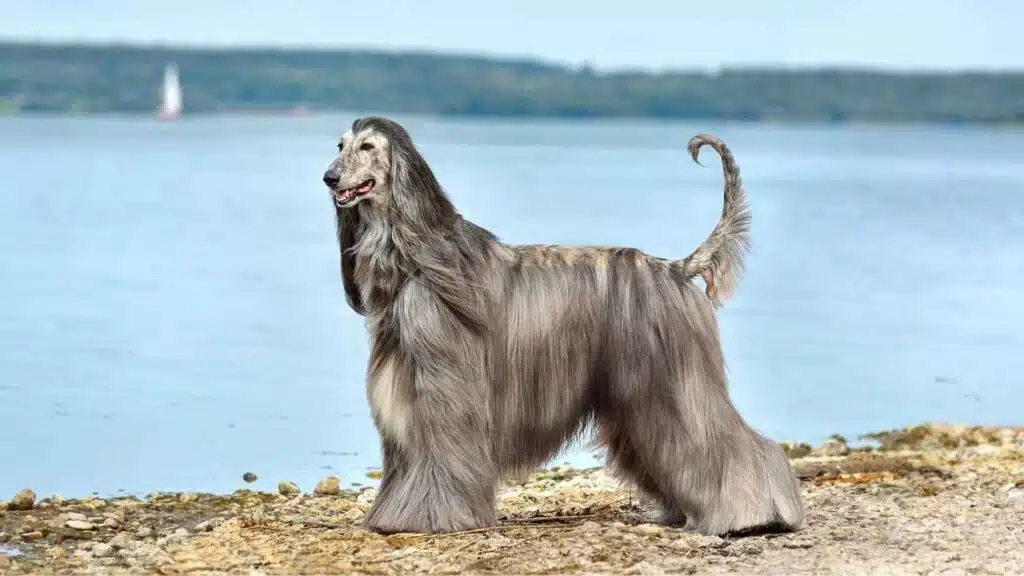
Afghan Hounds flaunt long, silky coats. They need daily care to stop mats.
- You need slicker brushes, wooden pin brushes and wide-toothed combs to break knots in sections, working from roots to tips to prevent matting.
- Use a detangling spray to soothe skin folds and speed up your grooming routine.
- Stick to a daily plan by brushing in the morning or evening, so your hound stays calm and smooth.
- Book a pro groomer at Squishface, Ridgeside K9 Grooming or Pet Paradise every six to eight weeks for coat maintenance and show trims.
- Try a Pet Version Puppy Cut and return every four to six weeks to keep that neat look.
- Maintain proper coat care to avoid skin issues and ear infections in double coat breeds.
- Add nail trims and ear checks to your dog grooming plan at each professional grooming visit.
Poodle – Needs daily brushing and grooming every 4-6 weeks to prevent matting
Poodles sport dense, curly coats that love to tangle. They beg for daily brushing to stay knot-free.
- Slide a fine-pin brush and a wide-pitch comb through curls to break up mats fast and boost matting prevention.
- Use a line brushing method with a detangling spray or light conditioner to smooth tight ringlets and stop knots as fast-growing hair springs loose.
- Book professional grooming every four to six weeks at Groovy Grooming, Ridgeside K9 Grooming or Squishface for expert trims that keep tangled locks in check.
- Check skin during each brush session to dodge red spots, skip crusts and nip ear infections in the bud.
- Plug daily brush alerts and trim dates into your calendar to cement your grooming routine and hit AKC grooming frequency for this high-maintenance breed.
Shih Tzu – Demands daily brushing and regular trims every 4-6 weeks
Shih Tzus flaunt silky coats that snag mats in only hours without care. Groomers and vets urge daily brushing to tame tangles and clear skin folds of buried dirt.
- Use a slicker brush each morning for matting prevention, lifting loose hair through the dense undercoat.
- Comb long strands around ears and jaw with a wide-toothed comb to free knots hiding near skin folds.
- Trim paw fur every week, cutting down on mud clumps between toes and curbing moisture build-up.
- Clean facial hair around eyes daily, then clip stray strands close to lashes to stop tear stains.
- Schedule professional grooming at Groovy Grooming every 4 to 6 weeks for that Pet Version Puppy Cut and precise lines.
- Plan mini-grooms after park play or beach trips, adding a quick bath and fast brush to cut down on odor and mats.
- Pick a gentle detangling spray from quality grooming products for coat maintenance and easier mat removal.
- Track grooming frequency in a journal or app as part of your grooming routine and never miss a session.
Old English Sheepdog – Requires thorough brushing 2-3 times a week and professional grooming every 6-8 weeks
Old English Sheepdogs pack thick, double coats that drop hair fast. They need thorough brushing two to three times a week and a salon visit every six to eight weeks.
- Brush with a grooming brush for ten minutes per session to lift loose hair and prevent mats.
- Run a rake through the undercoat twice weekly to cut down on loose hairs during heavy shed seasons.
- Bathe every four weeks, using de-shedding shampoo and a conditioner to support healthy coat maintenance.
- Comb through damp fur with a wide-toothed comb to snag hidden mats and ease tangles.
- Schedule professional grooming at the salon so a pet groomer can trim, shape, and maintain the coat.
- Spray a touch of dry shampoo on the coat between washes for a quick freshen.
- Skip shaving, as the coat insulates in winter and shields skin from sun in summer.
- Select a quality brush and rake for your dog grooming routine.
Bichon Frise – Needs brushing multiple times a week and grooming every 4 weeks
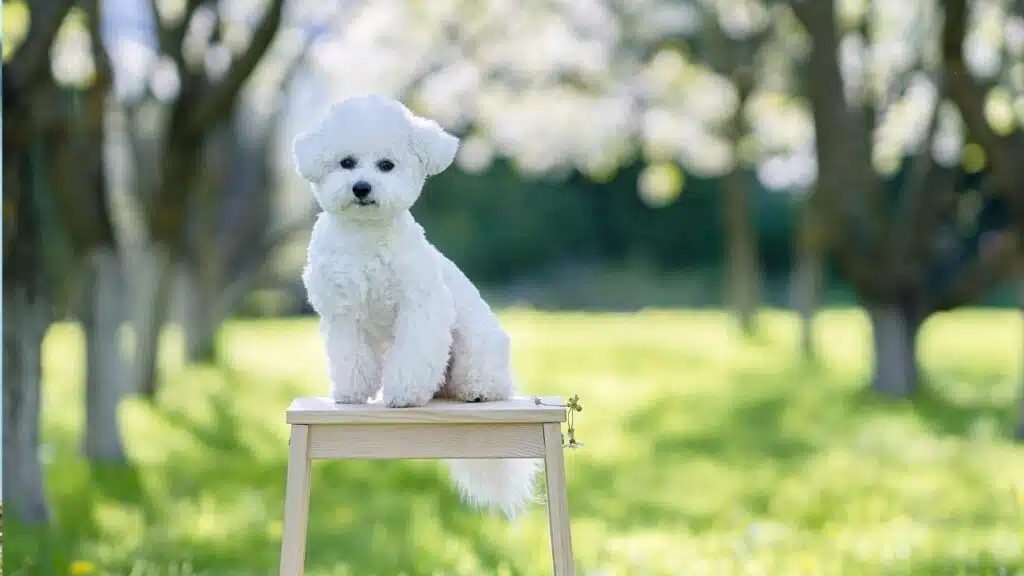
Bichon Frise coats can tangle fast without care. A solid grooming routine keeps them soft and healthy.
- Plan at least three brushings each week for matting prevention, using a slicker brush and wide-toothed comb to smooth the curly coats.
- Split the coat into sections before you brush, and spray a detangling spray on knots to ease coat maintenance.
- Book a Pet Version Puppy Cut every four weeks to trim curls, cut loose ends, and lower grooming frequency at home.
- Use sharp clippers or scissors around the ears and paws to prevent ear infections and skin issues in skin folds.
- Schedule professional grooming every 28 days for full trims, baths, and expert coat checks by a trained groomer.
- Store grooming tools like brushes, combs, and sprays in a clean spot to build a reliable and stress-free routine.
Maltese – Requires daily brushing and monthly grooming appointments
Maltese dogs reveal their charm through silky white coats. Owners must brush them each day and visit a groomer every four weeks.
- Use a slicker brush each morning for matting prevention and to smooth rough spots.
- Run a wide-toothed comb over ears, flanks, and skin folds to clear knots fast.
- Schedule a grooming session every four weeks for trims, baths, and coat shaping.
- Lather stain-prevention shampoo on white fur, rinse well to cut tear marks.
- Wipe eye and mouth area daily with a damp cloth to cut down dirt and infections.
- Pick tearless dog shampoo and conditioner to treat sensitive skin and guard coat.
- Seek breed advice from Groovy Grooming, find best grooming tools and coat maintenance tips.
- Keep grooming frequency at four weeks, guard white coat health and shine.
Chow Chow – Needs weekly brushing and seasonal deshedding during heavy shedding periods
Chow Chows need weekly brushing to keep their dense double coat healthy. They shed heavily in spring and fall and need seasonal de-shedding.
- Use a grooming brush or grooming rake once a week to clear loose fur, support coat maintenance and prevent mats.
- Apply a de-shedding product with a grooming glove during spring and fall to cut down on shedding and simplify your grooming routine.
- Use a comb to catch stubborn undercoat fibers, break up tangles and keep the coat airy.
- Freshen the coat with a mild dry shampoo between baths, help soothe irritated skin and manage odor.
- Avoid clipping the coat too short to preserve insulation, protect skin from sunburn and guard against cuts.
- Book a session with a dog groomer every 8 to 10 weeks for a trim, professional grooming assistance and to keep matting at bay.
- Store de-shedding sprays and conditioner on your shelf to support skin health, reduce static and limit loose hair around the home.
Takeaways
Now that we covered daily brushing, monthly trims and deshedding sessions for high-maintenance breeds, let your pup shine. A simple routine with a brush, comb and clippers keeps mats away.
Mix in nail trimmers and ear wipes to cut infection risk. Keep coat maintenance fun, chat as you groom. These steps boost comfort and health. A pro groomer can help tune your regimen.
Your dog feels happy, you relax. That bond grows stronger with each brush stroke.
FAQs
1. Why do high-maintenance breeds need regular grooming?
Breeds like Afghan hound, yorkshire terriers, poodle mixes and siberian husky face matting and undercoats tangles. A grooming routine keeps their coat smooth and helps matting prevention.
2. How often should I book professional grooming for my dog?
High-maintenance breeds need a professional grooming every four to six weeks. A home grooming routine every two weeks helps too.
3. What grooming tools and products do I need at home?
Get grooming tools for double coat and undercoats work. Use a slicker brush for pulis and a comb for skin folds. Pick grooming products that fight ear infections and support coat maintenance.
4. Which dog breeds need special care for curly coats?
Curly coats on doodles, bichon frise and shih tzus demand trims often. You need scissors for haircuts and a detangler to stop mats in their tracks.
5. How can I guard against matting and skin issues in folds?
Breeds like french bulldog and chinese crested have tight skin folds. Check them daily, use wipes and light oil. This cuts down on matting and aids matting prevention, and lowers the risk of ear infections.
6. Do old english sheepdog and cocker spaniels need extra trims?
Yes, bobtail (old english sheepdog) and cocker spaniels need trims to keep vision clear and mats away. Use these grooming tips to boost coat maintenance and your canine comfort.






















