

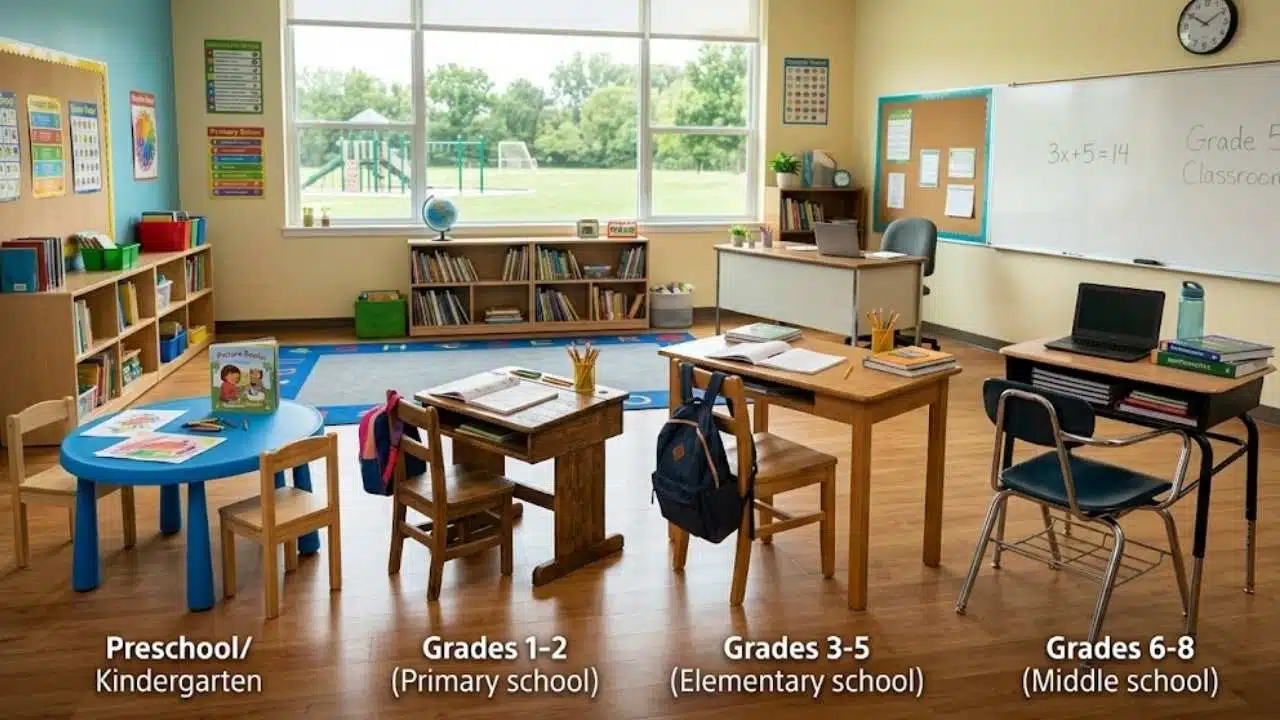
Choosing the right desk size takes far more thought than most schools first expect. A desk that wobbles or feels cramped wears on a student by the afternoon. Desks from Worthington Direct typically stay in classrooms for many years. Desk height and depth should closely match the grade level using each classroom space. Comfort matters just as much as durability when students sit for many hours daily. Staff spend less time scrambling in September once they know how to go about sizing desks by grade.
Planning Desk Sizes for Each Classroom
Room layout and student count often determine how many desks a classroom truly needs. Teachers should measure the full room carefully before deciding on desk size or count. Sightlines to the front board matter just as much as legroom under each desk. Storage space built into desks should factor into every classroom furniture purchase decision. Aisle width between rows greatly affects how easily students move during daily transitions. Desks placed with enough space let students sit and move without bumping into each other.
Matching Desk Height to Student Age
Elementary desks typically need shorter legs than desks built for older students. Seat height should stay closely matched with desk height to prevent poor posture. Younger students often need smaller desktops than older middle or high schoolers. Adjustable desk systems let schools adapt easily as enrollment shifts from year to year. Depth also affects how many books or supplies fit comfortably on top of each desk. A desk that fits well means less squirming and more attention during a long lesson.
Prioritizing Comfort and Safety
Desk comfort directly affects student focus during long lessons and testing periods each term. Rounded edges matter greatly for younger students who move quickly between daily activities. Nonslip feet reduce the risk of desks sliding during quick classroom rearrangements. Sturdy frames should support daily use without wobbling during writing or group work sessions. Locking mechanisms keep folding desks firmly stable during storage and setup each morning. Schools that check desks regularly catch worn parts before they turn into a real safety problem.
Comparing Fixed and Adjustable Desk Options
Fixed desks offer simplicity for schools with stable enrollment across most grade levels. Adjustable desks work well for classrooms serving a wide range of student ages. Storage and setup time differ significantly between fixed and adjustable desk systems overall. Adjustable systems typically raise or lower quickly between different class periods each day. Fixed installations often provide sturdier surfaces for very active elementary classrooms and playrooms. Enrollment numbers and budget usually decide which option makes more sense for a school.
Budgeting for a Full Classroom Desk Setup
The material a desk is made from often has the biggest effect on its price. Schools often phase purchases across multiple years to manage tighter facility budgets carefully. Ordering in bulk usually lowers the cost per desk for bigger elementary or middle school programs. Warranties and replacement parts affect long term value well beyond the initial purchase price. A realistic budget balances immediate classroom needs against future enrollment growth and change. Schools that choose sturdy desks now avoid having to replace them just a few years later.
Desk height and depth affect how easily a student can see the board and write clearly. A desk that fits properly reduces fidgeting and keeps kids in their seats longer. Teachers spend less time adjusting seating once the desks already match student sizes. Storage space under a desk keeps supplies close without cluttering the walking space between rows. Sturdy frames hold up better through years of daily use in an active classroom. Picking the right desk early means fewer swaps and fewer disruptions once classes begin.





















