

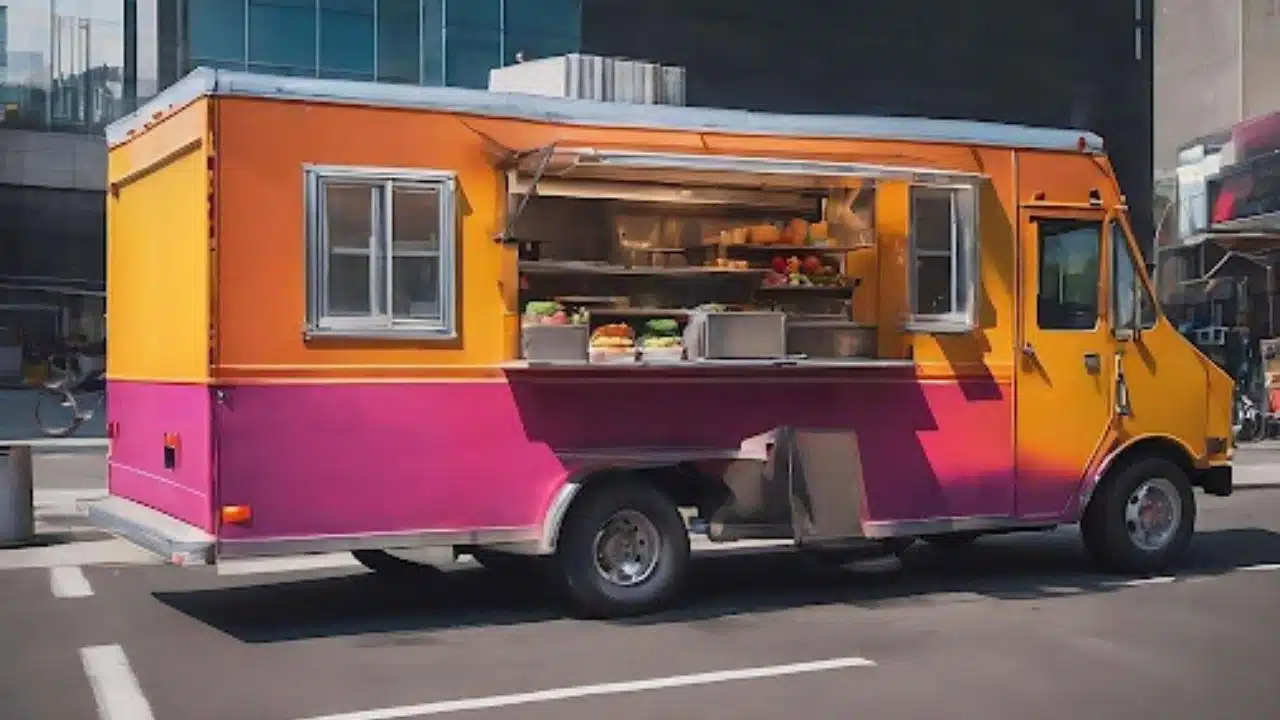
The equipment inside your food trailer is the foundation of your business. The right choices determine how efficiently you can prepare food, how safe your operations are, and how satisfied your customers feel. Unlike a standard kitchen, a trailer has limited space, power, and storage, which makes each piece of equipment more critical. Poor planning can lead to crowded work areas, constant maintenance issues, and wasted money.
For those who choose custom built food trailers, equipment selection is even more important. Custom trailers give you the freedom to build a setup tailored to your menu and workflow, but they also require careful decision-making. A thoughtful selection process ensures that every inch of space is used effectively and that your investment supports your long-term goals.
Assessing Your Menu and Cooking Requirements
The first step in choosing equipment is reviewing your menu. A trailer serving coffee and pastries has very different needs compared to one offering barbecue or fried foods. Identify the core items you plan to sell and list the equipment required to prepare them. This may include fryers, griddles, ovens, or refrigeration units. Once you know the essentials, you can prioritize optional equipment that enhances efficiency without overcrowding the trailer.
It is also helpful to think about how your menu may evolve. A trailer designed solely for one type of cuisine may limit your ability to expand later. For instance, if you currently sell sandwiches but plan to add soups in the future, you might want to include space for warming equipment. Planning with growth in mind ensures that your trailer remains flexible as your business develops.
Space and Layout Considerations
Space is always limited in a food trailer, so layout design is critical. Equipment should be positioned in a way that creates a logical flow from storage to prep to cooking to serving. If the trailer is too cramped, staff may trip over each other or waste time moving around inefficiently. On the other hand, a layout with too much unused space may reduce productivity.
Custom designs allow you to adjust shelving, counters, and appliances for maximum efficiency. You can include foldable counters for extra prep space, wall-mounted storage for utensils, and strategically placed sinks for sanitation. Every inch should serve a purpose, and equipment placement should reduce unnecessary movement while keeping safety in mind.
Power and Utility Requirements
Each piece of equipment requires a reliable power source, and in a trailer, power is limited. Before purchasing appliances, confirm whether they will run on electricity, gas, or propane. Some equipment may require higher voltage than your system can provide, making it essential to review capacity in advance. Overloading electrical circuits can lead to dangerous failures and costly repairs.
Water and waste systems also matter. If you plan to use dishwashers or multiple sinks, you need adequate plumbing and tank capacity. For propane-fueled equipment, safety features such as proper ventilation and leak detection are essential. By aligning your equipment needs with available utilities, you avoid compliance issues and ensure smooth day-to-day operations.
Refrigeration and Storage Solutions
Refrigeration is one of the most vital investments in a food trailer. Perishable items must be stored at safe temperatures to meet health regulations and ensure customer safety. Depending on your menu, you may need reach-in refrigerators, under-counter units, or freezers.
Storage goes beyond refrigeration. Dry storage is equally important, especially for ingredients like flour, spices, or packaged goods. Custom shelving and cabinets maximize vertical space and keep supplies organized. By balancing refrigerated and dry storage solutions, you can maintain efficiency without cluttering your workspace.
Cooking Equipment Essentials
Cooking appliances form the heart of most trailers. Griddles, fryers, ovens, and stovetops are among the most common pieces of equipment, but your choices depend on your specific menu. For example, a trailer focused on fried foods may need multiple fryers, while one selling baked goods may require convection ovens.
Durability should be a top priority. Equipment inside a trailer is subjected to movement during transport, high heat during cooking, and frequent cleaning. Choosing commercial-grade appliances designed for heavy use ensures that your investment lasts. Compact versions of standard appliances are also available, allowing you to fit more functionality into a smaller footprint.
Ventilation and Safety Systems
Cooking in a confined space requires effective ventilation. Without proper exhaust systems, smoke and grease can accumulate quickly, creating an unsafe environment for staff. Ventilation hoods with grease traps are common customizations in trailers that use fryers or griddles. Adequate airflow also keeps the trailer cooler and more comfortable during long shifts.
Safety systems are equally important. Fire suppression units, extinguishers, and emergency shutoff valves should be part of every trailer’s design. Slip-resistant flooring and clearly marked exits further enhance safety. A trailer built with these features not only protects staff but also meets health and fire department regulations, which is essential for legal operation.
Customer Service Equipment and Features
Equipment that improves customer experience is often overlooked, but it plays a major role in your success. Serving windows should be positioned for visibility and efficiency, and some operators install fold-out shelves where customers can set their food or drinks.
Menu displays are another useful addition. Digital screens or backlit boards make your offerings clear and professional. Simple modifications like condiment stations or cup holders may not seem like equipment, but they significantly improve customer satisfaction. These features enhance the overall experience, encouraging customers to return and recommend your business.
Energy Efficiency and Cost Savings
Running a trailer can be expensive if equipment is not energy efficient. Appliances that use less electricity or propane help lower utility costs and extend the life of your systems. LED lighting, insulated walls, and energy-efficient refrigerators are popular choices for owners who want to reduce expenses over time.
While energy-efficient equipment may cost more upfront, the savings quickly add up. Lower bills, reduced fuel consumption, and fewer breakdowns all contribute to a healthier bottom line. Investing in sustainability also appeals to customers who value eco-friendly practices, giving your business a competitive edge.
Planning for Long-Term Growth
A food trailer is an investment designed to last for years. When selecting equipment, think about your long-term goals. If you plan to expand your menu, add staff, or operate in different environments, you will need flexibility built into your setup. Modular equipment and layouts that allow for easy upgrades give you the ability to evolve without starting over.
Resale value is another consideration. A trailer equipped with high-quality, well-maintained appliances will attract more buyers if you decide to sell or upgrade in the future. This means that the money you invest today in reliable equipment will continue to pay off down the road.
Takeaways
Selecting the right equipment for a food trailer requires careful planning and consideration. From menu needs and layout design to utilities, safety, and energy efficiency, every decision has a direct impact on your operations. The best approach is to prioritize essential equipment first, then add modifications that enhance efficiency and customer experience.
Custom made food trailers offer the advantage of tailoring every aspect of your setup, but they also demand smart choices. By evaluating your menu, planning for growth, and investing in durable, efficient appliances, you create a trailer that supports your business today and into the future. The right equipment not only helps you operate smoothly but also lays the foundation for long-term success in the competitive mobile food industry.






















