

Building a personal brand is no longer a luxury; it’s a necessity in today’s digital world. Whether you’re an entrepreneur, freelancer, or professional, your personal brand shapes how others perceive you.
A strong personal brand can lead to better career opportunities, stronger business connections, and increased credibility in your industry. However, many people fall into traps that can weaken their brand’s impact.
Personal branding is more than just having an online presence; it’s about crafting a reputation that truly reflects your values, expertise, and unique personality.
Unfortunately, a lack of strategy can lead to costly mistakes that hinder your growth and credibility. In this article, we’ll explore 8 common mistakes to avoid when building your personal brand and how to correct them. By identifying and fixing these missteps, you’ll be well on your way to establishing a powerful and authentic presence.
1. Lack of a Clear Brand Identity
Your personal brand identity defines how people recognize you. It includes your values, mission, and unique qualities that differentiate you from others. Without a clear identity, your brand will lack direction, making it difficult for your audience to connect with you. A well-defined brand identity not only makes you memorable but also sets you apart in an oversaturated market.
How This Mistake Affects Your Brand
- Confuses your audience about what you stand for.
- Makes it hard for potential clients or employers to recognize your expertise.
- Leads to inconsistent messaging across different platforms.
- Reduces brand recall and weakens your influence.
How to Fix It
To build a strong personal brand identity:
- Identify your core values, mission, and unique selling points [USPs].
- Craft a compelling personal brand statement.
- Maintain consistency in your messaging, visual identity, and tone of communication.
- Regularly refine and update your brand based on audience feedback and industry trends.
Key Elements of a Strong Personal Brand Identity
| Element | Description |
| Mission | The purpose and long-term vision of your brand. |
| USP | What makes you unique in your industry. |
| Voice | Your communication style [formal, friendly, authoritative, etc.]. |
| Visual Identity | Consistent colors, fonts, logos, and imagery. |
| Audience | The specific group you aim to attract and serve. |
2. Ignoring Your Target Audience
Your personal brand isn’t just about you; it’s about the people you serve. Without a clear understanding of your target audience, your branding efforts will be ineffective. If you try to appeal to everyone, you end up appealing to no one. Knowing your audience helps tailor your content, messaging, and services to meet their needs.
Common Audience-Related Mistakes
- Trying to appeal to everyone instead of a specific niche.
- Ignoring audience feedback and preferences.
- Not conducting research to understand what your audience wants.
- Using jargon or terminology that doesn’t resonate with your audience.
How to Fix It
- Conduct audience research through surveys and social media interactions.
- Engage with your audience through Q&A sessions and polls.
- Use analytics tools to track engagement and adjust your strategy.
- Build buyer personas to understand your ideal audience better.
Ways to Define Your Target Audience
| Factor | Actionable Steps |
| Demographics | Identify age, location, gender, and interests. |
| Pain Points | Understand what challenges they face. |
| Communication Style | Determine how they prefer to receive information. |
| Platform Preference | Know where they engage the most [LinkedIn, Instagram, etc.]. |
3. Inconsistent Branding Across Platforms
A strong personal brand is instantly recognizable. If your branding elements (logo, messaging, colors, tone) vary across platforms, it confuses your audience and weakens your credibility. Research shows that brands that maintain consistency see an increase in revenue by up to 23%.
Signs of Inconsistent Branding
- Different profile pictures or bios on different platforms.
- Varying brand messages that don’t align.
- Using different tones and styles in content creation.
- Lack of cohesion in visual elements like fonts, colors, and imagery.
How to Maintain Consistency
- Use the same logo, color scheme, and messaging everywhere.
- Align your website, LinkedIn, and social media profiles.
- Develop brand guidelines to maintain uniformity.
- Audit your platforms regularly to ensure consistency.
Platform Branding Checklist
| Platform | Branding Elements to Check |
| Website | Logo, tagline, mission statement. |
| Professional tone, brand story, achievements. | |
| Visual consistency, engaging captions. | |
| Brand-aligned voice, relevant hashtags. |
4. Neglecting Content Strategy
Content helps establish thought leadership and credibility. Without a strategy, your content may lack direction, leading to lower engagement. Studies indicate that individuals who publish content consistently receive 3x more engagement than those who do not.
Mistakes to Avoid
- Posting random content without a purpose.
- Ignoring the importance of valuable and engaging content.
- Failing to optimize content for SEO and visibility.
- Not repurposing content across multiple platforms.
How to Fix It
- Create a content calendar to plan posts in advance.
- Focus on high-quality content that provides value.
- Diversify content types [blogs, videos, podcasts, infographics].
- Use storytelling to make your content more relatable.
Types of Engaging Content for Personal Branding
| Content Type | Benefits |
| Blog Posts | Establish authority and improve SEO ranking. |
| Short-form Videos | Increase engagement and shareability. |
| Podcasts | Reach an audience on-the-go and build trust. |
| Live Streams | Encourage real-time interaction with your audience. |
5. Overlooking the Power of Networking
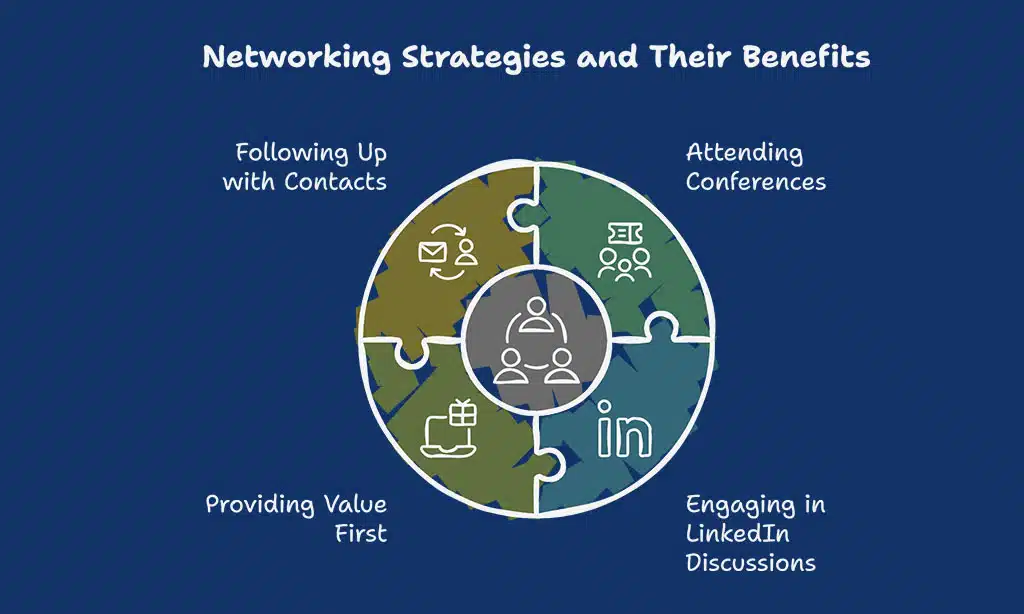
Networking is a fundamental aspect of personal branding. Building strong relationships with industry peers, mentors, and potential clients enhances credibility and expands opportunities. A well-connected individual is more likely to be recognized as an authority in their niche.
Common Networking Mistakes
- Only networking when in need of something.
- Failing to follow up with contacts after initial meetings.
- Not providing value to connections before expecting favors.
- Overlooking the power of online networking through platforms like LinkedIn.
Effective Networking Strategies
- Attend industry events and online webinars.
- Engage in meaningful conversations on LinkedIn.
- Offer insights and share knowledge in professional communities.
- Follow up with contacts regularly to maintain relationships.
Networking Success Checklist
| Strategy | Benefit |
| Attending conferences | Expands industry reach and credibility. |
| Engaging in LinkedIn discussions | Builds professional authority. |
| Providing value first | Strengthens genuine connections. |
| Following up with contacts | Maintains long-term relationships. |
6. Not Managing Online Reputation
Your online presence is often the first impression people have of you. Negative search results, poor reviews, or an inactive digital footprint can damage credibility and hinder opportunities. A well-managed online reputation strengthens trust and authority.
Common Reputation Mistakes
- Ignoring negative feedback or comments.
- Not optimizing online presence for search engines.
- Sharing controversial opinions without considering brand impact.
- Failing to update professional profiles regularly.
How to Improve Online Reputation
- Monitor online mentions using tools like Google Alerts.
- Address negative reviews professionally and promptly.
- Regularly update social media profiles and personal websites.
- Optimize personal brand searchability through SEO strategies.
Reputation Management Tools
| Tool | Purpose |
| Google Alerts | Tracks mentions of your name online. |
| LinkedIn Optimization | Enhances professional credibility. |
| Review Management Software | Helps address negative feedback. |
7. Failing to Showcase Authenticity
Authenticity is the foundation of a strong personal brand. People connect with real, relatable individuals rather than overly polished personas. A lack of authenticity can make a brand appear untrustworthy or disconnected.
Mistakes That Hurt Authenticity
- Overediting content to appear perfect.
- Trying too hard to fit industry trends.
- Avoiding personal storytelling or vulnerability.
- Presenting an image that does not align with real values.
How to Be More Authentic
- Share personal experiences, including challenges and failures.
- Use a conversational and natural tone in content.
- Avoid over-filtering photos or content to create a “perfect” image.
- Be honest about expertise, capabilities, and growth journey.
Authenticity Checklist
| Element | Actionable Tip |
| Storytelling | Share real experiences and insights. |
| Tone | Use a natural and relatable communication style. |
| Transparency | Be honest about challenges and growth. |
| Engagement | Interact with audience genuinely. |
8. Lack of Patience and Long-Term Vision

A successful personal brand isn’t built overnight. It requires consistent effort, adaptability, and resilience. Expecting instant results can lead to frustration and inconsistency, ultimately weakening brand development.
Common Impatience-Related Mistakes
- Expecting immediate success without sustained effort.
- Frequently changing branding direction based on short-term trends.
- Focusing on vanity metrics instead of meaningful growth.
- Neglecting long-term strategy in favor of quick wins.
How to Stay Committed
- Set clear, long-term branding goals and milestones.
- Track progress using key performance indicators [KPIs].
- Focus on engagement and meaningful connections rather than follower count.
- Adapt strategy based on performance insights rather than impatience.
Brand Growth Tracking Metrics
| Metric | Why It Matters |
| Engagement Rate | Measures audience interaction and trust. |
| Website Traffic | Reflects brand reach and visibility. |
| Content Shares | Indicates valuable and impactful content. |
| Conversion Rate | Tracks real business or career impact. |
Takeaways
Building a strong personal brand requires strategic effort and patience. By avoiding these common mistakes to avoid when building your personal brand, you can create an authentic, impactful, and successful brand that resonates with your audience.
Start by defining your identity, staying consistent, delivering value, and engaging with your audience. Personal branding is an ongoing journey—embrace it with a long-term vision and commitment.
What mistakes have you made in personal branding? Share your experiences in the comments!