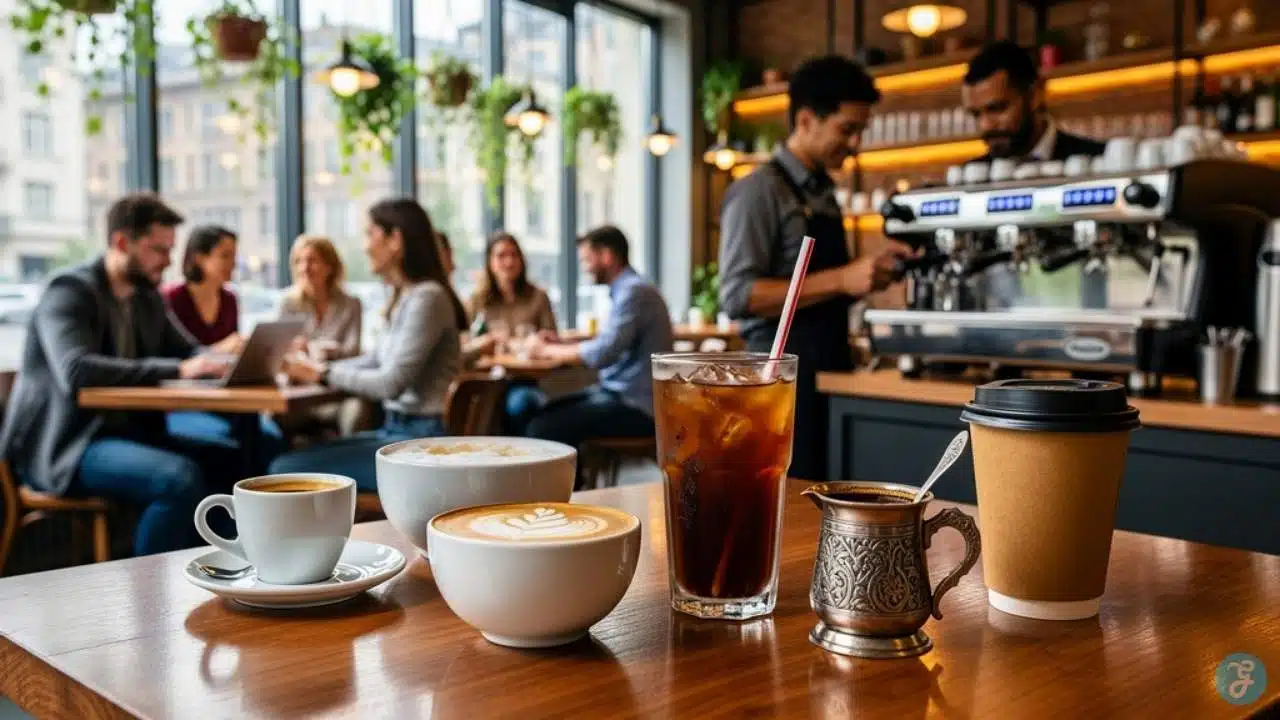
Have you ever wondered how coffee culture, which began with a tiny roasted bean from Ethiopia, managed to become the primary social and professional lubricant of the modern world? As the defining ritual of the modern morning, it represents a sophisticated global movement that shapes our social interactions, professional lives, and personal identities.
With 66% of Americans now drinking coffee daily and consuming a staggering 25 billion cups per year, this beverage has transitioned from a simple habit into a massive lifestyle choice.
This article explores the remarkable evolution of coffee culture, from the ancient “penny universities” of history to the modern third-wave artisanal movement and a sustainable, high-tech future.
What is Coffee Culture?

To understand the sheer scale of this phenomenon, we must first look at what coffee culture actually entails and why it matters so much to modern society.
Coffee culture represents the shared rituals, values, and social practices that people build around drinking coffee. It shapes how communities gather, work, and connect with one another on a daily basis. In 2026, the National Coffee Association reported that 66% of American adults drink coffee every single day. That massive number proves this beverage is a major lifestyle choice that influences everything from our productivity to our personal identity.
People invest time learning new brewing methods, exploring different roasting profiles, and supporting ethical farms. Coffee is a language in itself, spoken in cafes across the entire globe. The significance of coffee culture runs deep because it touches so many aspects of daily life, connecting strangers, fueling our workdays, and building lasting friendships.
Coffee as a Social and Cultural Symbol
Beyond its practical role as a morning pick-me-up, coffee serves as a powerful social and cultural symbol. People gather around a fresh pot to mark important moments, celebrate achievements, and strengthen bonds with loved ones. In the US, we often think of the iconic Central Perk from the television show “Friends” as the ultimate symbol of café connection.
A simple cup acts as a gesture of hospitality, respect, and friendship. Families pass down coffee traditions from one generation to the next, shaping how communities communicate. Regional differences, from Italy’s fast-paced espresso bars to Sweden’s relaxed breaks, show exactly how coffee consumption becomes intertwined with deep-rooted cultural identity.
Historical Evolution of Coffee Culture
The story of coffee is a story of global exploration and trade. Its journey transformed the world, proving that a single beverage could shape economies and spark revolutions.
Origins of Coffee Consumption
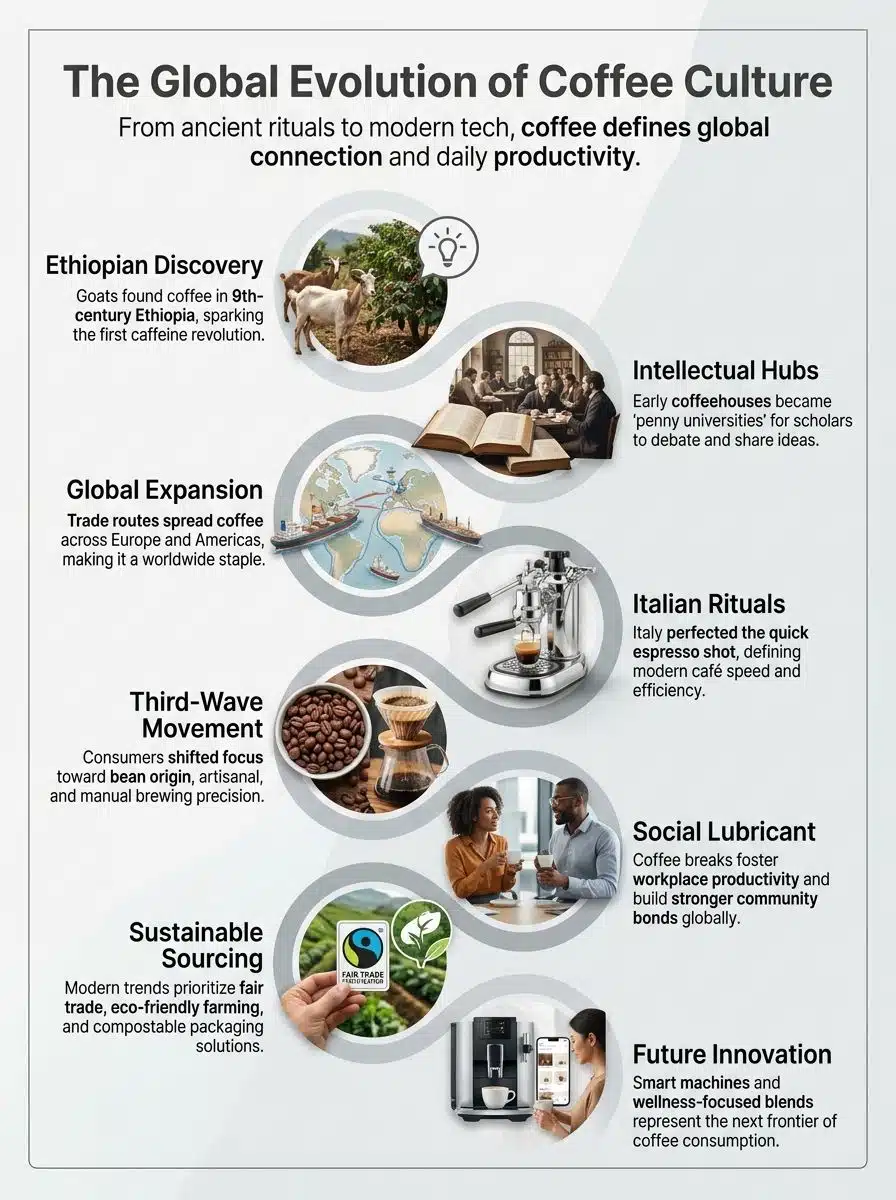
The legend begins in Ethiopia around the 9th century when a goat herder noticed his animals became energetic after eating red berries from a certain plant. Intrigued, he tried the berries himself, felt the caffeine kick in, and shared his discovery with local monks.
The monks brewed the berries into a drink to stay awake during long prayer sessions, changing human habits forever. The beverage spread quickly through the Arab world, reaching Yemen by the 15th century, where Arab traders began cultivating coffee plants on a larger scale.
The Rise of Coffeehouses in History
As people drank more coffee, they craved spaces to share this beverage with others. Coffeehouses emerged as the answer to this social hunger, first appearing in Mecca during the 15th century. The culture spread rapidly across the Ottoman Empire, transforming coffeehouses into centers of intellectual exchange.
By the 17th century, London, Paris, and Vienna buzzed with coffeehouse activity. Known as “penny universities,” anyone could enter for a penny and join conversations with scholars and artists, ultimately helping fuel the Age of Enlightenment.
The Global Spread of Coffee Traditions
Global trade routes transformed coffee into a worldwide sensation. Dutch traders introduced coffee cultivation to Java and Sumatra, while European colonizers brought coffee plants to the Americas, Africa, and the Caribbean. This expansion made coffee accessible to ordinary people. The invention of the espresso machine in Italy during the early 1900s accelerated coffee’s spread, eventually paving the way for the specialty coffee shops that dominate major cities today.
Regional Variations in Coffee Culture
Coffee lovers across the world drink their brew in wildly different ways. Each region has shaped its own traditions, turning a universal ingredient into a highly localized experience.
Coffee Culture in Italy
Italians treat espresso like a sacred, daily ritual. They order a quick shot at the bar, drink it in one or two gulps, and move on with their day. This fast-paced consumption reflects their lifestyle, where coffee serves as a quick social anchor.
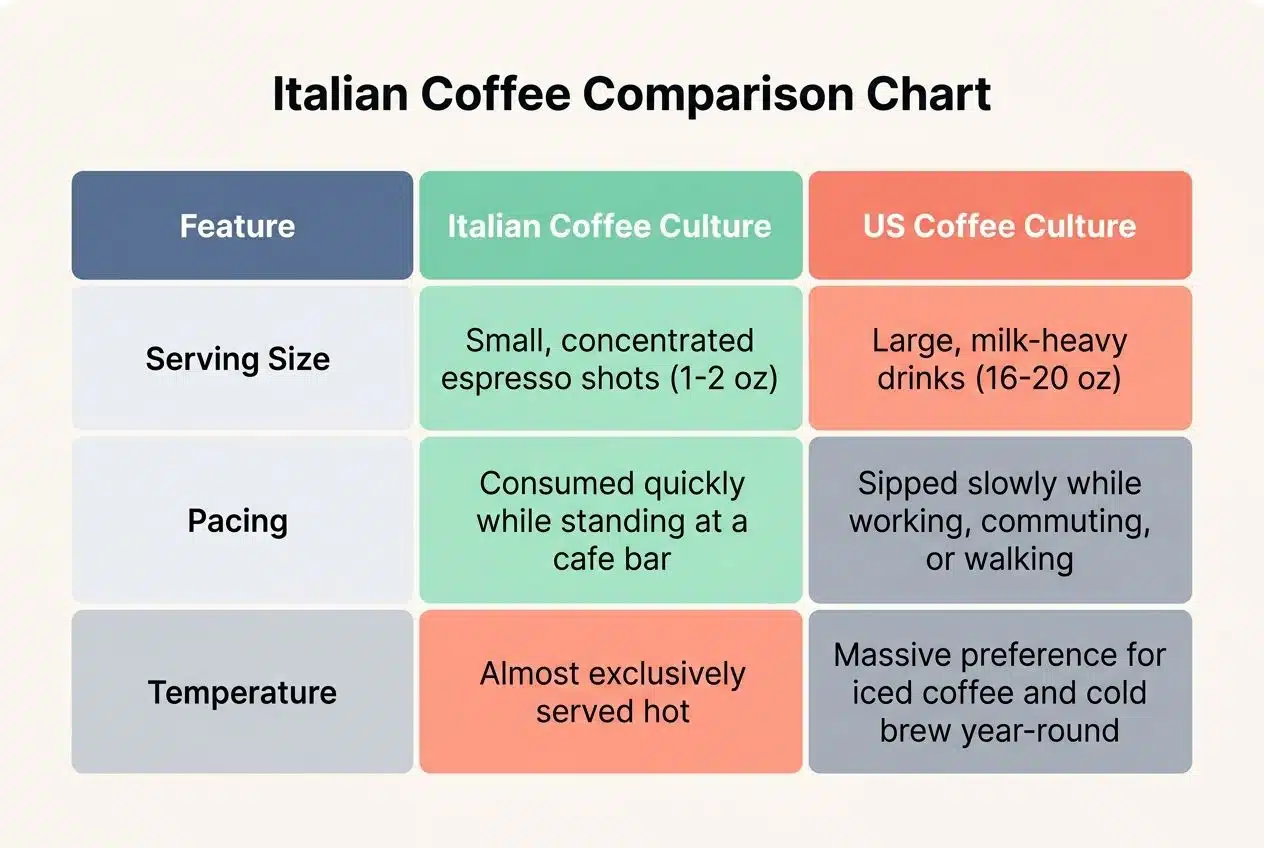
Here is a quick comparison of how Italian traditions differ from American habits:
| Feature | Italian Coffee Culture | US Coffee Culture |
| Serving Size | Small, concentrated espresso shots (1-2 oz). | Large, milk-heavy drinks (16-20 oz). |
| Pacing | Consumed quickly while standing at a cafe bar. | Sipped slowly while working, commuting, or walking. |
| Temperature | Almost exclusively served hot. | Massive preference for iced coffee and cold brew year-round. |
Coffee Culture in Japan
While Italy perfected the quick espresso shot, Japan took coffee culture in a completely different direction. Japanese coffee enthusiasts embraced patience, precision, and ritual. They transformed brewing into a meditative practice, treating preparation like an art form and measuring water temperature to exact degrees. This dedication to artisanal brewing methods heavily inspired the US third-wave coffee movement.
Vietnamese Coffee Culture
Vietnam offers one of the most distinct and robust coffee cultures in Asia. Utilizing a traditional “phin” filter, coffee drips slowly over a generous layer of sweetened condensed milk. The use of dark-roasted Robusta beans gives Vietnamese coffee an incredibly strong, chocolatey, and bold flavor profile that is perfectly balanced by the rich, syrupy milk. It is a daily staple, often enjoyed over ice (cà phê sữa đá) to combat the tropical heat.
Ethiopian Coffee Ceremony
In Ethiopia, the birthplace of coffee, consumption is not a quick morning fix; it is a profound cultural ceremony. The process takes hours, involving washing raw green beans, roasting them over an open fire in a pan, grinding them by hand, and brewing them in a traditional clay pot called a jebena. It is a vital mark of respect and friendship, deeply embedding coffee into the social fabric of the community.
Coffee Culture in Sweden
Sweden transforms coffee into a daily ritual that shapes the entire nation’s lifestyle, consuming around 400 cups yearly per person. Fika, the Swedish coffee break tradition, stands at the heart of their culture. People pause their work, gather with colleagues or friends, and share coffee with baked goods. It represents a deep commitment to balance, community, and taking time for meaningful connection.
Coffee Culture in Latin America
Latin America grows a massive portion of the world’s coffee supply, with countries like Colombia and Brazil producing millions of bags yearly. Farmers pass down cultivating knowledge through generations. Espresso drinks fuel morning routines in bustling local cafés, connecting people directly to their land and heritage.
Specialty Coffee and Artisanal Brewing Methods
Specialty coffee roasters focus on quality over quantity. Baristas craft each cup with absolute precision, utilizing pour-overs, French presses, and high-end espresso machines.
Here are a few popular machines driving the home-brewing revolution in 2026:
| Popular 2026 Home Espresso Machine | Best For | Key Feature |
| Breville Bambino Plus | Beginners and small kitchens. | Ultra-fast 3-second heat-up and automatic milk texturing. |
| Breville Barista Express | All-in-one convenience. | Built-in conical burr grinder for fresh grounds every time. |
| Gaggia Classic Evo Pro | Enthusiasts wanting to learn. | Commercial-grade parts that are fully repairable. |
In modern specialty coffee, the perfect cup isn’t an accident; it’s a precise mathematical formula. To truly understand third-wave coffee culture, you must understand how variables like grind size, temperature, and time dictate the final flavor of the brew.
From Soil to Bean Specialty: The Microlot Journey
The global phenomenon of coffee culture relies on a complex international value chain that is increasingly focused on transparency. In 2026, the industry has shifted its attention toward “Microlots”, small, high-quality harvests from a single, specific plot of land on a farm. Unlike mass-produced blends, Microlots allow roasters to highlight the exact terroir (the environment where the coffee grows) and provide direct traceability back to the individual farmer.
| Microlot Region | Notable Terroir Feature | Typical Flavor Profile |
| Huila, Colombia | High-altitude volcanic soil | Bright stone fruit with a deep caramel sweetness. |
| Yirgacheffe, Ethiopia | Indigenous heirloom varieties | Floral jasmine aroma with crisp lemon and peach notes. |
| Antigua, Guatemala | Surrounded by three volcanoes | Rich milk chocolate, toasted nuts, and subtle spice. |
| Tarrazú, Costa Rica | Mineral-rich sedimentary soil | Honey-like body with vibrant berry and citrus acidity. |
Processing methods also play a vital role before the beans ever reach a roaster. Whether a farmer chooses a “Washed” process (clean and acidic) or a “Natural” process (fruity and heavy-bodied), these decisions at the source are what define the artisanal value of the beans you buy today.
The Chemistry of the Perfect Pour
Understanding the science of extraction is what separates a casual consumer from a true enthusiast within the modern coffee culture landscape. At the heart of every specialty cup is the “Golden Ratio”, typically $1:15$ to $1:18$ coffee-to-water. This mathematical balance ensures that the water can effectively pull the most desirable compounds from the roasted bean without becoming oversaturated or too thin.
When hot water meets ground coffee, the extraction happens in a specific chemical sequence: first, the bright and fruity acids dissolve, followed by the sweet sugars, and finally the bitter plant fibers and tannins. By adjusting variables like water temperature, ideally between 91°C and 96°C, and grind size, you act as a chemist, controlling whether the final result is balanced and sweet or underdeveloped and sour.
Modern Trends in Coffee Culture
Today, coffee lovers chase new brewing methods, rare beans, and beautiful café moments. These modern trends have elevated coffee from a simple commodity to an artisanal craft.
The Third-Wave Coffee Movement
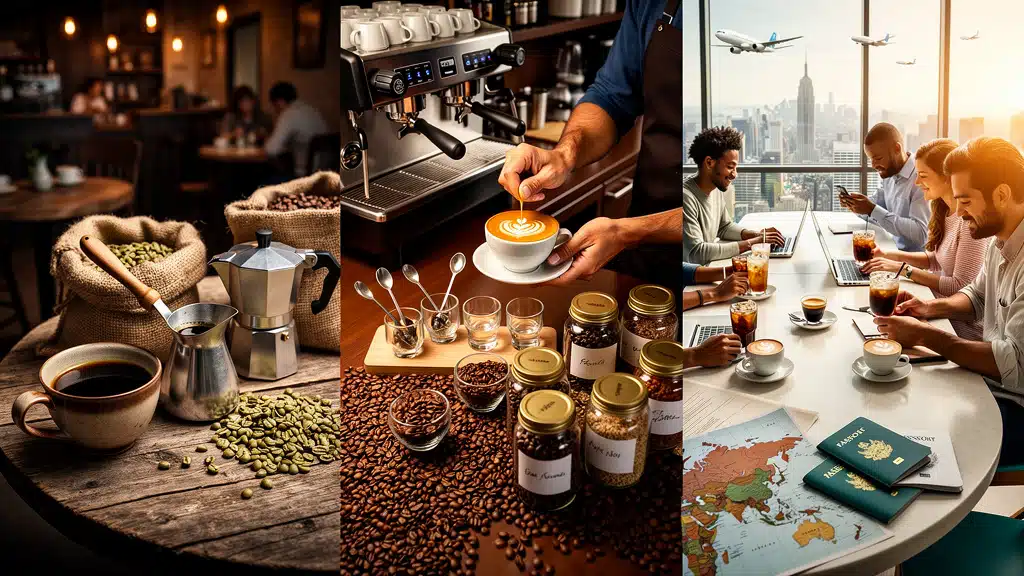
Third-wave coffee emerged in the early 2000s as a reaction against mass-produced coffee. Baristas and roasters decided to treat coffee like fine wine, focusing entirely on the origin, quality, and specific flavor profiles of each bean. Customers learned that where their coffee came from mattered just as much as how it was prepared, pushing the industry toward ultimate transparency and ethical sourcing.
The Social Aspects of Coffee Culture
Coffee brings people together in ways few other beverages can, functioning as a global anchor for human connection.
The Role of Social Media in Shaping Coffee Culture
Social media platforms amplify this passion into a massive movement. Instagram, TikTok, and YouTube transform coffee lovers into influential content creators. A single viral video of a beautifully poured latte or a new iced cold brew recipe can launch a café to fame instantly. This digital conversation transforms casual drinkers into highly informed consumers.
Coffee as a Social Lubricant
Humans naturally gather around café tables and bond over steaming cups. The beverage itself often becomes secondary to the socialization happening around it. In the US, with so many people working remotely in 2026, local independent cafes have essentially become the new community water cooler, providing neutral ground where diverse groups meet without pressure.
The Concept of the Coffee Break
The coffee break emerged as a workplace staple in the early twentieth century when employers discovered that brief caffeine breaks boosted productivity and team morale. Today, it represents a much-needed mental reset. Progressive workplaces now feature dedicated café areas to encourage team members to mingle, recognizing that these pauses fuel creativity.
Coffee Competitions and Community Events
Competitions transform casual sipping into a passionate, exciting sport, celebrating incredible craft and skill.
- The U.S. Barista Championship features top professionals competing under strict time limits to pull the perfect espresso.
- The U.S. Brewers Cup focuses specifically on manual filter brewing skills.
- Local café throwdowns encourage baristas to perfect their latte art techniques in a fun, relaxed environment.
Coffee’s Influence on Media and Lifestyle
Coffee shows up in movies, books, and television shows constantly, shaping how people see themselves and their daily routines.
Coffee’s Presence in Movies, Books, and Pop Culture
Movies and television have made coffee a star in its own right. Pop culture has turned the café into a symbol of creativity, romance, and intellectual conversation. Brands capitalize on this visibility, weaving the beverage tightly into the modern stories we tell about success and friendship.
Coffee as a Lifestyle Icon
Coffee now deeply shapes how people present themselves. For many, the coffee gear they keep at home is a prominent status symbol. High-end kettles, precision burr grinders, and automated luxury espresso machines are displayed proudly on kitchen counters, signaling that the owner takes their morning brew seriously.
The Role of Coffee in Contemporary Lifestyles
Millions of people now treat their morning cup as an essential part of their identity, linking it to both work and physical wellness.
Coffee as a Productivity Tool
Science absolutely backs up coffee as a productivity tool; caffeine blocks adenosine receptors in your brain, keeping you alert and focused. According to 2026 industry data, about 61% of US adults consume specialty coffee weekly, recognizing that a well-timed cup can skyrocket morning performance.
Redefining the Home Sanctuary
As remote work remains a permanent fixture in 2026 lifestyles, the “Third Space” of the neighborhood cafe is moving directly into the home. Modern coffee culture now encourages the creation of a dedicated “coffee niche”, a minimalist, organized sanctuary designed for mindfulness as much as productivity.
Utilizing precision tools like burr grinders and temperature-controlled kettles turns the morning brew into a meditative ritual. By setting a physical boundary between your living space and your brewing station, you create a mental shift that prepares you for the day ahead. This trend reflects a broader cultural move toward “slow living,” where we reclaim the time to master a craft rather than rushing for a quick caffeine fix.
The Rise of Coffee as a Health and Wellness Trend
Consumers now celebrate caffeine’s benefits for mental clarity and heart health. The biggest shift in 2026 is the explosion of functional mushroom coffee.
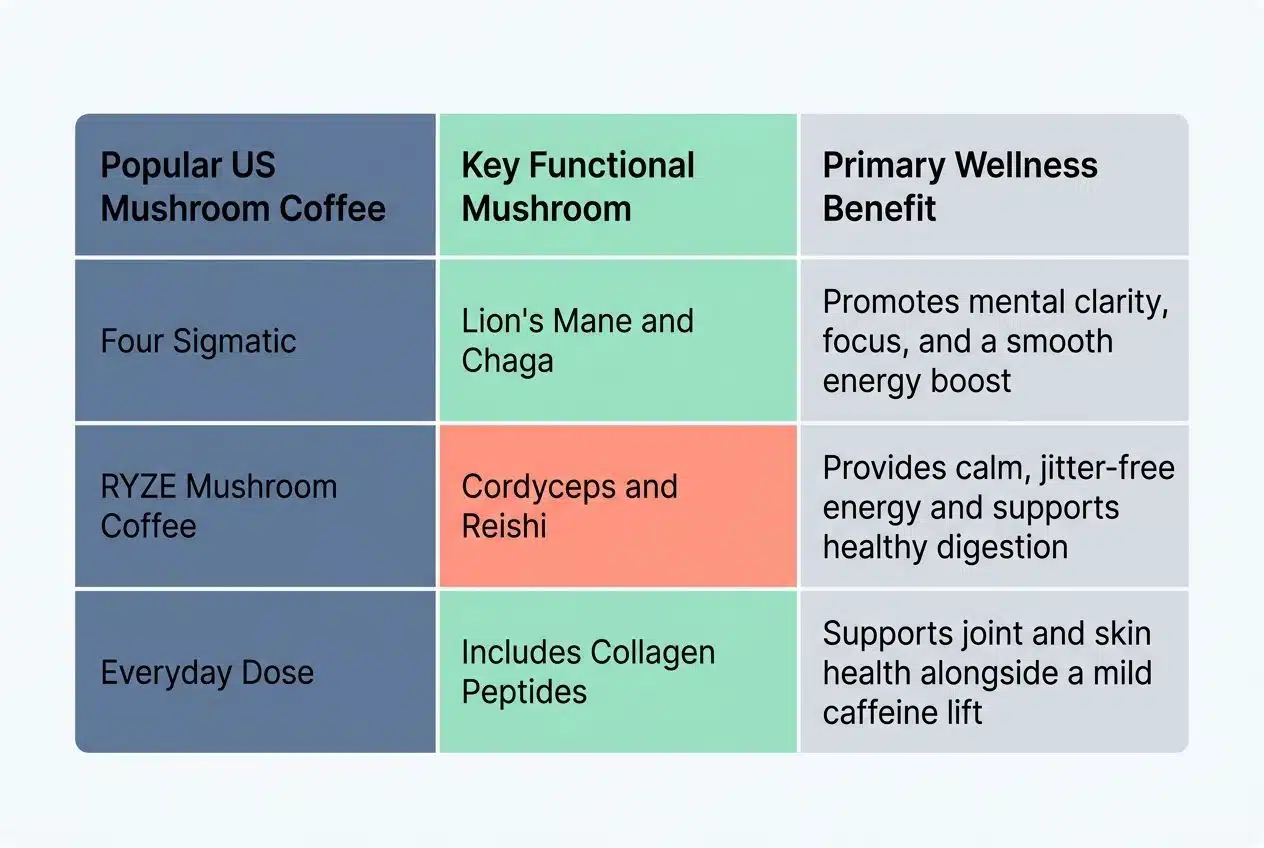
Here is a look at the functional mushroom coffee trend:
| Popular 2026 Mushroom Coffee | Key Functional Mushroom | Primary Wellness Benefit |
| Four Sigmatic | Lion’s Mane and Chaga | Promotes mental clarity, focus, and a smooth energy boost. |
| RYZE Mushroom Coffee | Cordyceps and Reishi | Provides calm, jitter-free energy and supports healthy digestion. |
| Everyday Dose | Includes Collagen Peptides | Supports joint and skin health alongside a mild caffeine lift. |
Promoting Sustainability in Coffee Culture
As consumers become more educated, they push the industry toward practices that protect both farmers and our planet.
Initiatives for Ethical Sourcing and Fair Trade
Ethical sourcing programs reshape how the industry operates. Fair Trade certification guarantees farmers receive minimum prices for their beans, while direct trade relationships connect US roasters straight to farmers, cutting out middlemen. Traceability programs now allow you to see the farmer’s name and learn their personal story right on the coffee bag.
Trends Towards Eco-Friendly Coffee Practices
Sustainability in coffee consumption shapes how we brew and buy our coffee today. Compostable coffee pods are replacing plastic versions, roasting facilities are installing solar panels, and water filtration systems in coffee shops are recycling water. Coffee grounds are increasingly transformed into nutrient-rich compost rather than sitting in landfills.
The Future of Coffee Culture
The next generation of coffee drinkers demands true transparency and exciting new technological integrations in their brewing routines.
Technological Advances in Coffee Preparation
Espresso machines now feature programmable settings and precise temperature controls that were once unimaginable. Smart coffee makers connect directly to smartphones, allowing users to start brewing from bed. Modern commercial roasters even use artificial intelligence to monitor bean temperatures perfectly, ensuring peak flavor extraction.
New Trends in Coffee Consumption
Coffee drinkers chase unique experiences over simple caffeine hits. In 2026, cold brew and nitro coffee consumption have made iced drinks a daily staple year-round. Plant-based milks have flooded cafés, and curated subscriptions deliver freshly roasted, single-origin beans directly to doorsteps every month.
The Enduring Legacy of the Global Coffee Phenomenon
Globalization transformed coffee from a regional beverage into a worldwide lifestyle staple. Today, baristas hold highly respected positions in our communities, crafting espresso drinks with the precision of true artists. Sustainability initiatives sit right at the center of the industry, and the café culture that emerged from these efforts creates warm spaces where people connect and build relationships.
The legacy of coffee culture endures because it serves a beautiful purpose: it connects us to each other, to distant farmers, and to traditions that span centuries.
Frequently Asked Questions (FAQs) on Coffee Culture
1. How did coffee culture start spreading around the world?
Coffee traveled from ancient Ethiopia to the Middle East, and then Venetian merchants brought it to Europe around 1615. From there, it expanded to Asia and the Americas through global trade routes, with each region adding its own distinct cultural twist along the way.
2. Why do so many countries have different ways of making coffee?
Each culture adapts brewing methods based on local climates, resources, and social traditions. Italians rely on quick espresso shots for their fast-paced mornings, Swedes utilize coffee for slow fika social breaks, and countries like Vietnam utilize robusta beans and sweet condensed milk to suit their tropical environment.
3. What makes modern coffee shops so popular today?
Modern cafes function as “third spaces” outside of home and work. With the rise of remote work in 2026, coffee shops provide cozy, neutral ground to meet friends, collaborate with colleagues, or simply relax with free Wi-Fi and premium, artisanal beverages.
Absolutely. Platforms like Instagram and TikTok turned latte art and brewing techniques into a global, highly visual showcase. Digital trends like layered cold brews or whipped coffees can go viral overnight, directly influencing the menus at local independent cafés.
5. What is “third-wave coffee,” and how does it change the way we drink?
Third-wave coffee treats the beverage as an artisanal craft similar to fine wine, focusing heavily on the specific origin, quality, and unique flavor profiles of each bean. This movement prioritizes transparency and manual brewing methods, shifting the focus from a quick caffeine fix to a deliberate appreciation of the roasting process.
The industry now emphasizes ethical sourcing through Fair Trade and direct-trade relationships that ensure farmers are protected from market volatility and paid fairly. Additionally, eco-friendly practices like solar-powered roasting, compostable packaging, and water-recycling systems are becoming standard to reduce the industry’s environmental footprint.
7. Why does the roast date matter for coffee quality?
Coffee is a perishable agricultural product; as soon as it is roasted, it begins to lose its aromatic oils and flavors through oxidation. For the best experience, specialty roasters recommend consuming beans within two to four weeks of the roast date printed on the bag.