CES 2023: Samsung Unveils Flex Hybrid Display

samsung

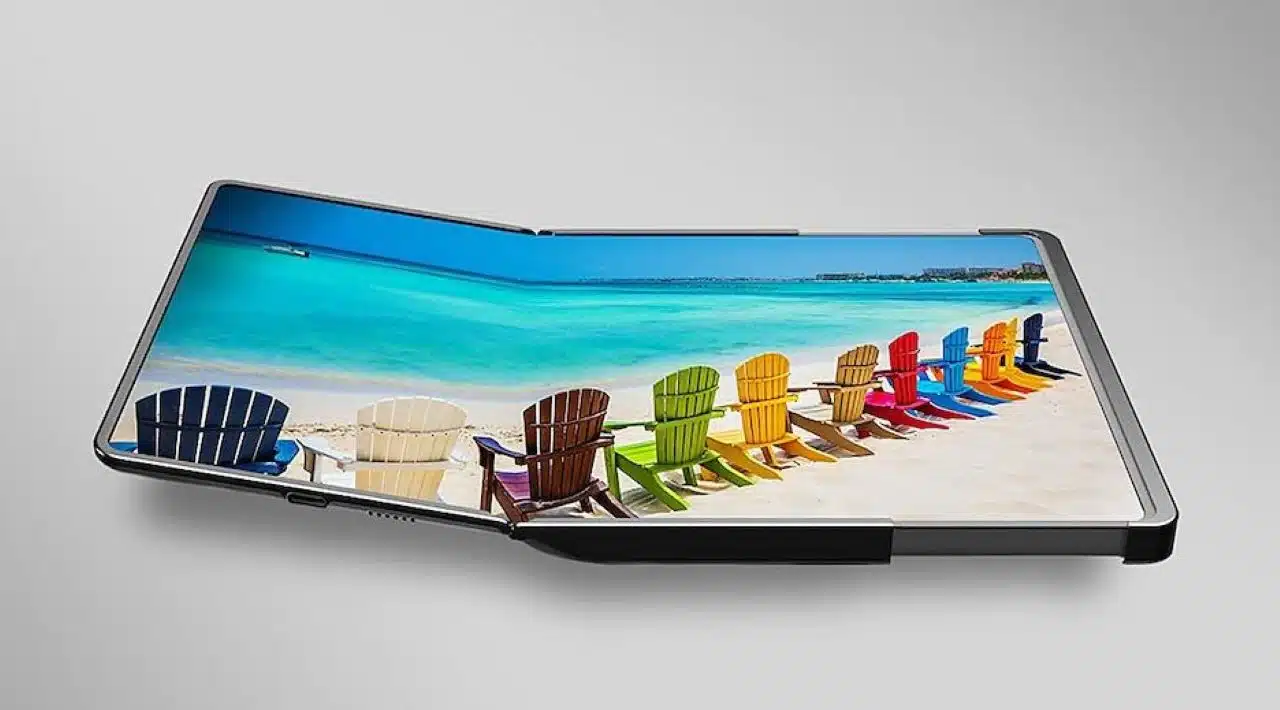
Samsung Display will unveil its most recent hybrid display design at the invitation-only CES 2023, which begins on January 4. The Flex Hybrid display has the ability to slide and fold at the same time. The display, according to Samsung, is a prototype for next laptops, but it could also appear on the company’s tablets. The Flex Hybrid has a foldable design on the left side and sliding technology on the right. Users can pick between the bigger 12.4-inch screen with a 16:10 aspect ratio and the smaller 10.5-inch screen with a 4:3 aspect ratio.

This folding and sliding screen will be showcased alongside the larger sliding display that Samsung debuted at Intel Innovation 2022 in September. The form factor of this screen may be expanded from 13 to 14 inches to 17.3 inches. This larger folding screen will have the Flex Slidable Duet, which expands in two directions, and the Flex Slidable Solo, which expands in one direction.

Samsung did not provide an estimated release date for the Flex Hybrid display. Despite TCL exhibiting a similar concept in 2020 that merged a foldable and rollable display into one, we have yet to see any genuine goods using this type of screen. Although these notions are intriguing, it is unclear whether they will be commercially viable. While these specialized displays might make mass production challenging, laptop makers are rapidly addressing these challenges.

READ MORE: Samsung Galaxy Z Fold

The South Korean display panel manufacturer also announced the release of its QD-OLED display panel types for 2023. QD-OLED panels from Samsung Display are bigger OLED panels designed for TVs and monitors. A blue emission layer that passes through a quantum dot conversion layer is also used to render red and green colors. According to the business, it plans to release devices in 77-inch, 65-inch, 55-inch, and 34-inch widths, as well as a 49-inch edition optimized for ultra-wide monitors.

Samsung Display claims to have employed a new algorithm called IntelliSense AI, as well as new organic materials for the emission layer, to improve the brightness of the screens. These panels, according to the manufacturer, can achieve brightness levels of over 2,000 nits while using 25% less electricity than previous models.

ALSO READ: 100 Top Coolest Gadget Innovations 2022

The South Korean electronics giant will also unveil a new digital cockpit design that combines a 34-inch display with a 15.6-inch monitor. In addition, the company will highlight its efforts to reuse glass and reduce greenhouse gas emissions associated with production.



Subscribe to Our Newsletter

Related Articles

Top Trending

How Gamification In Education Works
How Gamification In Education Works: The Motivation Science Explained
Supervised vs Unsupervised Learning comparison showing labeled data sorted through a structured workflow and unlabeled data forming natural clusters.
Supervised vs Unsupervised Learning Explained With Examples
How to digital declutter your tech using a tidy laptop, minimal phone screen, and organized desk for a calmer, distraction free workspace.
How to Digital Declutter Your Tech Without Going Offline
Microlearning
What Is Microlearning And When Is It Actually Effective?
saas vs daas
SaaS vs DaaS: Key Differences, Benefits, and Use Cases

Technology & AI

Supervised vs Unsupervised Learning comparison showing labeled data sorted through a structured workflow and unlabeled data forming natural clusters.
Supervised vs Unsupervised Learning Explained With Examples
How to digital declutter your tech using a tidy laptop, minimal phone screen, and organized desk for a calmer, distraction free workspace.
How to Digital Declutter Your Tech Without Going Offline
saas vs daas
SaaS vs DaaS: Key Differences, Benefits, and Use Cases
Productivity App Overload
Productivity App Overload: Why More Tools Mean Less Work
Machine Learning vs Deep Learning comparison showing decision-tree models beside a multilayer neural network processing images, audio, and text data.
Machine Learning vs Deep Learning: What's the Difference?

GAMING

Ways to Reduce Game Development Costs
12 Ways Studios Cut Game Development Costs
NFT game development cost
How Much Does NFT Game Development Cost? A Realistic Budget Breakdown
Reasons Why You No Longer Need the Best Roblox AI Scripter
Forget Best Roblox AI Scripter: 10 Reasons Why You No Longer Need It
Blockchain Platforms for Game Development
The 9 Best Blockchain Platforms for Game Development
Free Game Engines for Beginners
Top 10 Best Free Game Engines for Beginners

Business & Marketing

How To Start A Digital Marketing Consultancy From Scratch
Ecommerce Data Analysis with Claude
The Complete Guide to Ecommerce Data Analysis with Claude
SaaS valuation decline
Why $50B SaaS Valuations Won't Survive: 10 Top Reasons Explained
Enterprise AI Agent Strategy
The Age of AI Agents: How to Build an Enterprise AI Agent Strategy
Side Hustle Projects
Top 10 Side Hustle Projects That Will Generate MRR In 2027

EdTech & E-Learning

How Gamification In Education Works
How Gamification In Education Works: The Motivation Science Explained
Microlearning
What Is Microlearning And When Is It Actually Effective?
Learning Management System
What Is A Learning Management System And How To Choose One
How Student Data Privacy Works in EdTech
How Student Data Privacy Works in EdTech: FERPA, COPPA, and GDPR
Should Schools Ban AI
Should Schools Ban AI? What The Evidence Actually Suggests

Software & Apps

How to digital declutter your tech using a tidy laptop, minimal phone screen, and organized desk for a calmer, distraction free workspace.
How to Digital Declutter Your Tech Without Going Offline
Productivity App Overload
Productivity App Overload: Why More Tools Mean Less Work
SaaS vs MaaS
SaaS vs MaaS: What Model as a Service Means for Software Buyers
ai tools for personal productivity
12 Best AI Tools for Personal Productivity in 2026
SaaS Development Process
How to Design a SaaS Development Process in 8 Steps