


Getting car insurance as a first-time driver in the USA can feel overwhelming. With higher premiums and a lack of driving history, many new drivers struggle to find affordable and suitable coverage.
However, understanding how car insurance works and following the right strategies can make the process much easier.
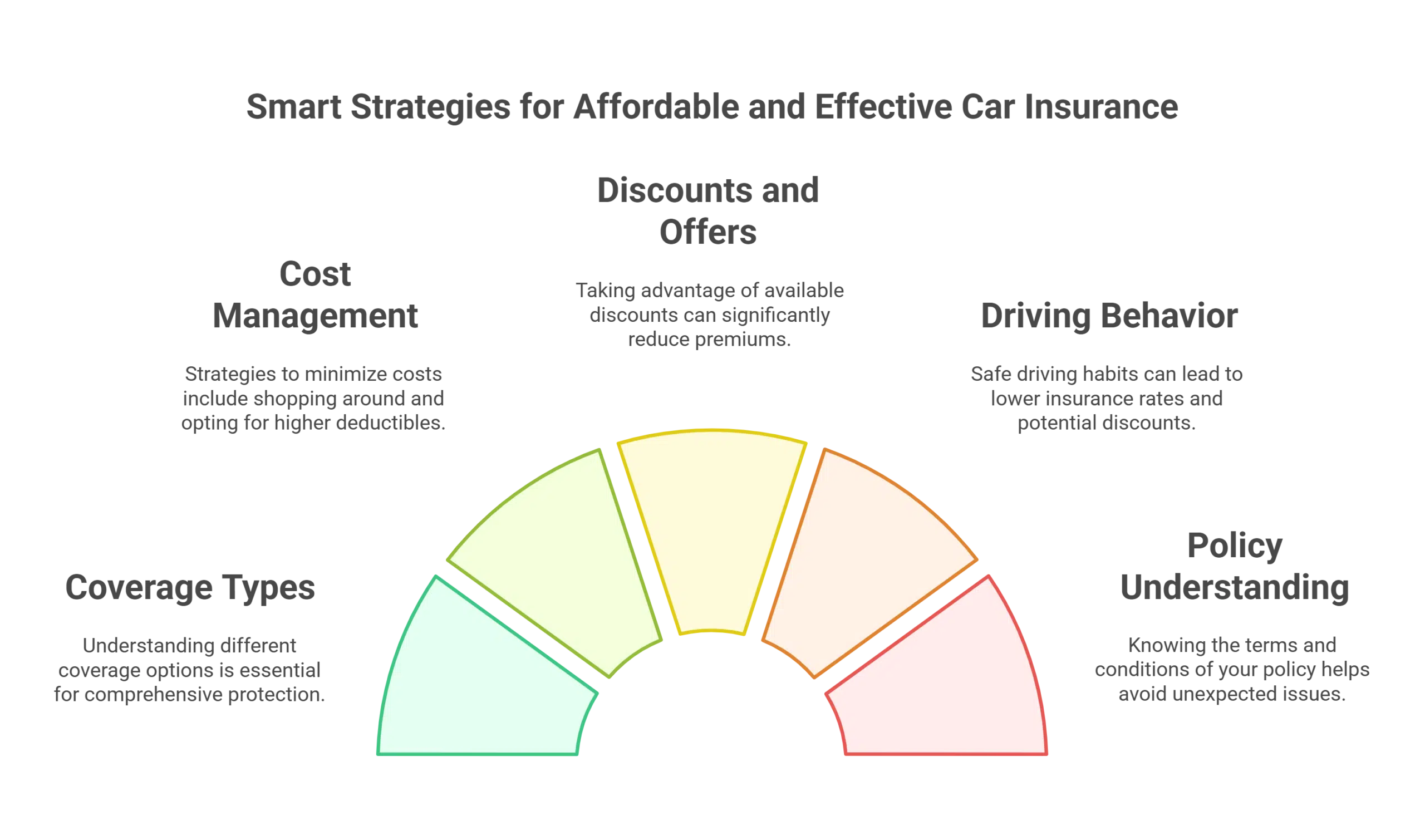
In this guide, we’ll share 12 essential car insurance tips for first-time drivers to help you get the best deal and ensure you’re properly protected.
1. Understand the Basics of Car Insurance
Before buying car insurance, familiarize yourself with the key components:
- Liability Coverage: Covers damage to others’ property and medical expenses if you’re at fault.
- Comprehensive Coverage: Protects against non-collision incidents like theft or natural disasters.
- Collision Coverage: Covers repair costs for your vehicle after an accident.
- Deductible: The amount you pay out-of-pocket before your insurance covers the rest.
Additionally, check your state’s minimum insurance requirements to ensure compliance.
2. Shop Around for the Best Rates
Not all insurance providers offer the same rates or benefits. Take the time to compare multiple quotes from different companies to find the most affordable and comprehensive option.
Tools to Use:
- Online comparison websites like Insurify or NerdWallet.
- Contacting insurers directly for personalized quotes.
3. Consider Usage-Based Insurance
Usage-based insurance (UBI) programs use telematics to track your driving habits. If you’re a cautious driver, UBI can significantly reduce your premiums.
Popular UBI Programs:
- Snapshot by Progressive.
- DriveSafe & Save by State Farm.
- SmartRide by Nationwide.
4. Choose the Right Coverage for Your Needs
While it’s tempting to opt for minimal coverage to save money, ensure you have adequate protection. For example:
- If you drive frequently, consider collision and comprehensive coverage.
- For older cars, liability-only coverage might suffice.
Strike a balance between affordability and peace of mind.
5. Look for Discounts for New Drivers
Insurance companies offer various discounts that first-time drivers can benefit from:
- Good Student Discount: For students with a GPA of 3.0 or higher.
- Safe Driver Discount: For maintaining a clean driving record.
- Multi-Policy Discount: If you bundle car insurance with other policies like renters or homeowners insurance.
Ask your insurer about available discounts and how to qualify.
6. Drive a Car That’s Cheap to Insure
The type of car you drive significantly impacts your insurance premiums. New, expensive, or high-performance vehicles typically cost more to insure.
Tips:
- Opt for reliable, used cars with good safety ratings.
- Check insurance costs for specific models before purchasing a car.
7. Opt for a Higher Deductible to Lower Premiums
Choosing a higher deductible can reduce your monthly premiums. For instance, raising your deductible from $500 to $1,000 could save you money over time.
Considerations:
- Ensure you can afford the higher deductible in case of a claim.
- Evaluate your driving habits and risk tolerance before deciding.
8. Build Your Credit Score
In most states, your credit score affects your car insurance rates. A higher credit score often results in lower premiums.
Tips to Improve Credit:
- Pay bills on time.
- Keep credit card balances low.
- Regularly check your credit report for errors.
9. Maintain a Clean Driving Record
Insurance companies reward safe driving with lower premiums. Avoid speeding tickets, accidents, and other violations to keep your record clean.
Pro Tip: Enroll in safe driving programs offered by your insurer to improve your skills and potentially earn discounts.
10. Take a Defensive Driving Course
Many insurance companies offer discounts to drivers who complete a certified defensive driving course. These courses teach safe driving techniques and help reduce accident risks.
Benefits:
- Lower insurance premiums.
- Improved driving skills and confidence.
11. Understand Your Policy’s Terms and Conditions
Before signing up for a policy, read the fine print to understand:
- Coverage limits.
- Exclusions (what’s not covered).
- Renewal terms and cancellation policies.
Being informed helps avoid surprises in case of a claim.
12. Avoid Monthly Payments if Possible
Paying your premium annually instead of monthly can save you money. Many insurers charge additional fees for monthly payment plans.
Tip: Budget for the lump-sum payment to take advantage of the savings.
Tips for First-Time Drivers Beyond Insurance
- Practice safe driving habits to stay accident-free.
- Perform regular vehicle maintenance to avoid costly repairs.
- Stay updated on state driving laws to ensure compliance.
Car Insurance Tips for First-Time Drivers: FAQs
Check some common questions about car insurance tips for first-time drivers and find your answer.
1. What is the cheapest car insurance for first-time drivers?
Providers like GEICO, Progressive, and State Farm often offer competitive rates for new drivers.
2. How can first-time drivers lower their car insurance costs?
By maintaining a clean driving record, seeking discounts, and choosing a higher deductible.
3. Do first-time drivers need full coverage insurance?
Full coverage is recommended for newer vehicles or if you want comprehensive protection, but it depends on your needs and budget.
Takeaways
Securing car insurance as a first-time driver doesn’t have to be stressful. By following these 12 car insurance tips for first-time drivers, you can find affordable coverage while protecting yourself on the road.
Start by researching your options, comparing quotes, and taking advantage of discounts to make the process smoother and more cost-effective.
Take the first step today and explore car insurance plans that suit your needs.
























