

The allure of the Italian countryside is undeniable. With its rolling hills, historic villages, breathtaking landscapes, and relaxed pace of life, rural Italy offers a slice of heaven for anyone seeking to escape the chaos of urban living.
For decades, people from all over the world have been drawn to Italy not just for vacations but also as a place to invest in property. Owning a home in the Italian countryside is more than just a dream—it can be a smart financial decision and an incredible lifestyle choice. In this article, we will explore 12 compelling reasons to buy property in the Italian countryside, from affordability to cultural enrichment.
1. Affordable Real Estate Options
Compared to major Italian cities like Rome, Milan, and Florence, countryside properties offer incredible value. In regions such as Abruzzo, Calabria, and Le Marche, you can find charming farmhouses, villas, and historic homes at a fraction of the cost of city apartments.
Average Property Prices in the Italian Countryside (2024)
| Region | Average Price per Square Meter (€) | Property Types Available |
| Abruzzo | 800 – 1,200 | Farmhouses, stone villas, townhouses |
| Calabria | 600 – 1,000 | Coastal homes, countryside cottages |
| Le Marche | 1,000 – 1,500 | Villas, rural estates, cottages |
| Puglia | 1,000 – 1,800 | Trulli homes, masserias, apartments |
For example, you could own a 3-bedroom farmhouse in Abruzzo for less than €100,000. This affordability makes the dream of owning property in Italy accessible to many.
2. Tranquil and Scenic Lifestyle
The Italian countryside offers peace and quiet that is hard to find in bustling cities. Imagine waking up to views of vineyards, olive groves, or the rolling hills of Tuscany.
Benefits of a countryside lifestyle include:
- Minimal noise pollution
- Cleaner air and proximity to nature
- Opportunities for outdoor activities like hiking, cycling, and horseback riding
The pace of life in rural Italy encourages mindfulness and relaxation, making it an ideal place for retirees, remote workers, or anyone seeking a slower way of living.
3. Excellent Investment Opportunities
Purchasing property in the Italian countryside isn’t just about lifestyle—it’s also a smart investment. Property values in rural areas have been steadily appreciating as more people look for peaceful living environments. Additionally, there’s significant demand for vacation rentals in rural Italy, especially from tourists seeking unique, off-the-beaten-path experiences.
Average Vacation Rental Earnings in Rural Italy
| Property Type | Average Annual Earnings (€) |
| Farmhouse | 10,000 – 20,000 |
| Villa with Pool | 25,000 – 40,000 |
| Historic Cottage | 8,000 – 15,000 |
By renting out your countryside property during peak tourist seasons, you can offset maintenance costs and potentially earn a significant profit.
4. Rich Cultural Heritage
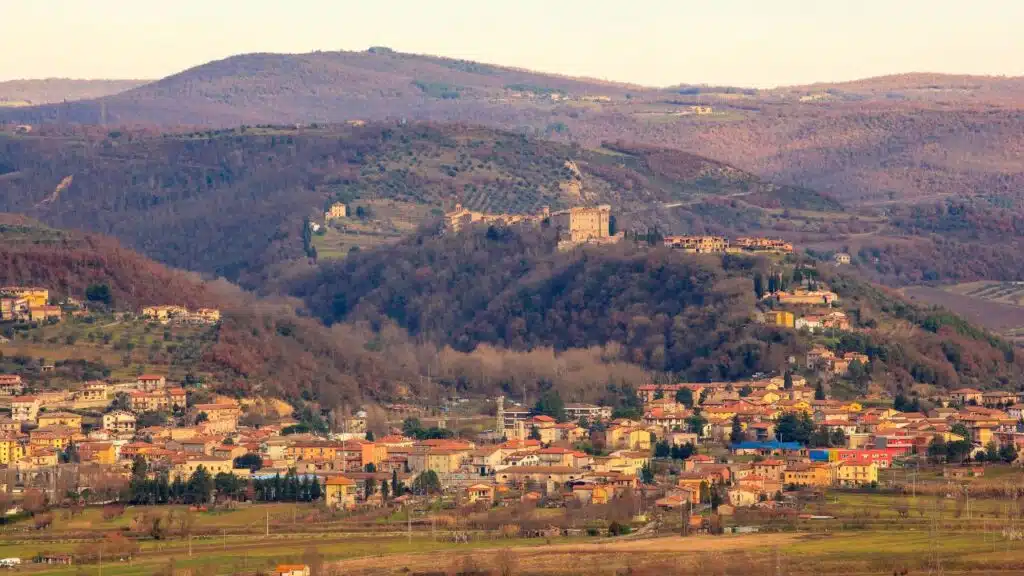
Italy is synonymous with art, history, and culture, and its countryside regions are no exception. Many rural areas are home to medieval villages, ancient ruins, and vibrant local traditions. For example:
- Tuscany is famous for its Renaissance art and wine-making heritage.
- Umbria is often called the “green heart of Italy” and boasts stunning basilicas and historic towns.
- Puglia is renowned for its trulli homes and unique festivals.
Living in these areas allows you to immerse yourself in Italian culture, from participating in local festivals to enjoying regional cuisine.
5. Unique Architectural Styles
Italian countryside properties are celebrated for their distinctive architectural charm. Whether it’s a rustic stone farmhouse, a trullo in Puglia, or a centuries-old villa, these homes have character that’s hard to replicate elsewhere.
Key Features of Italian Countryside Homes:
- Exposed stone walls
- Terracotta roofs
- Vaulted ceilings
- Outdoor terraces
Restoring and preserving these properties also adds a personal touch, allowing homeowners to maintain historical integrity while modernizing for comfort.
6. Lower Cost of Living
The cost of living in rural Italy is significantly lower than in major cities. Essentials like groceries, dining out, and utilities are more affordable in the countryside. For instance, locally-sourced produce from farmers’ markets is both cheaper and fresher.
Comparison: Monthly Cost of Living (2024)
| Expense Category | Countryside (€) | Major City (€) |
| Groceries | 250 – 350 | 400 – 600 |
| Dining Out | 10 – 20 per meal | 25 – 40 per meal |
| Utilities (electricity, gas, water) | 100 – 150 | 200 – 300 |
Living in rural Italy enables you to enjoy a high quality of life without breaking the bank.
7. Access to Local Markets and Organic Food
One of the joys of countryside living in Italy is easy access to fresh, organic food. Farmers’ markets are a staple of rural life, offering seasonal fruits, vegetables, cheeses, and wines directly from producers.
Why Choose the Countryside for Organic Living?
- Locally-sourced, chemical-free produce
- Renowned regional specialties like Tuscan olive oil, Parmigiano-Reggiano, and Chianti wine
- Opportunities to grow your own food on your property
8. Proximity to Nature and Outdoor Activities
From the majestic Dolomites in northern Italy to the sun-drenched beaches of Sicily, rural Italy offers countless opportunities for outdoor exploration. Popular activities include:
- Hiking through vineyards and forests
- Cycling along scenic countryside roads
- Exploring national parks like Gran Paradiso and Parco Nazionale del Gargano
Being close to nature promotes physical and mental well-being, making the countryside an ideal place to call home.
9. Warm and Welcoming Communities
Rural Italian villages are known for their tight-knit and friendly communities. Living in the countryside means becoming part of a community where neighbors know each other and local traditions are cherished.
Examples of Community Events in Rural Italy:
- Food festivals celebrating regional specialties (e.g., truffle festivals in Umbria)
- Local markets and fairs
- Village celebrations and religious processions
This sense of belonging is one of the most rewarding aspects of countryside living.
10. Stress-Free Environment
Urban areas can be overwhelming with their fast pace, noise, and pollution. The Italian countryside offers a refreshing alternative. Its serene environment fosters relaxation and mental clarity. This is particularly appealing for retirees and those seeking a healthier lifestyle.
11. Easy Property Purchase Process
Italy has made it relatively simple for foreigners to buy property, provided they follow the legal process. Key steps include:
- Obtaining a codice fiscale (tax code)
- Opening an Italian bank account
- Working with a reputable real estate agent and notary
Hiring a lawyer who specializes in Italian real estate ensures a smooth transaction. Additionally, there are no restrictions on non-EU citizens owning property in Italy.
12. Tax Benefits and Incentives
Italy offers several tax incentives for property owners, especially those restoring historic homes. For instance, the Superbonus 110% program allows homeowners to claim tax credits for eco-friendly renovations.
Takeaways
The Italian countryside combines beauty, culture, and opportunity, making it one of the best places in the world to buy property. Whether you’re looking for a tranquil retreat, a profitable investment, or a chance to immerse yourself in Italy’s rich heritage, rural Italy has something to offer.
With affordable prices, breathtaking landscapes, and a welcoming lifestyle, now is the perfect time to make your dream of owning property in the Italian countryside a reality.
Call-to-Action: Start your journey today by exploring the best regions for buying property in Italy. Contact a trusted real estate agent or visit local property listings to find your dream home!





















