Digital marketing gives brands more ways to reach people than ever, but constant online exposure has also made attention harder to earn. Consumers move through crowded feeds, automated messages, video calls, and endless digital choices each day. In that environment, a face-to-face interaction can feel more personal, memorable, and credible.
To understand why live engagement is gaining strategic importance, we reviewed current event-industry research and recent marketing trends, focusing on trust, technology, scalability, and measurable business impact. The result points to a clear shift: brands are treating live experiences as part of a broader customer strategy rather than as isolated marketing events.
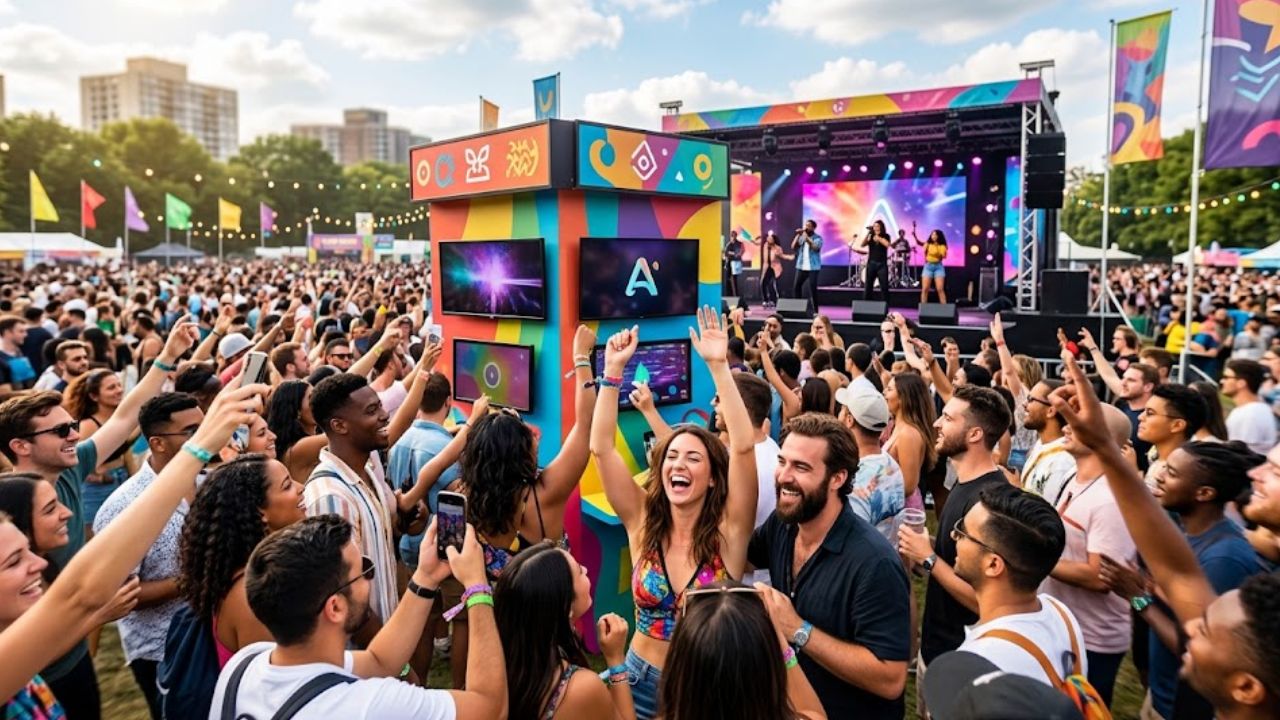
Trade shows, conferences, product launches, pop-ups, customer meetings, and roadshows all create something digital channels struggle to reproduce. They give people the chance to interact directly with a brand, ask questions, test products, and build relationships in real time.
Why Face-to-Face Engagement Has New Strategic Value
Brands are putting more focus on live experiences as they look for stronger ways to build trust, encourage participation, and create memorable interactions. A well-planned event gives attendees the chance to meet the people behind a company, see products in use, ask questions, and connect with others who share their interests.
For companies running programs across several cities, venues, or event formats, execution quality matters as much as the concept. Working with an experienced event technology partner can help businesses coordinate audiovisual systems, displays, computers, connectivity, and other technical needs while maintaining a consistent attendee experience.
Technology works best when guests barely have to think about it. Reliable presentations, easy check-in, strong connectivity, interactive screens, and well-supported hybrid elements can remove friction and keep attention on the event itself.
Research suggests that in-person events can play a meaningful role in building brand trust. Freeman’s 2025 Trust Report found that 95% of attendees felt greater trust toward a brand after attending a live event, while 92% of working professionals said these experiences improved how they viewed the brand overall.
Those findings help explain why marketers are looking beyond impressions and clicks. A live experience can make a company feel more tangible and give audiences more opportunities to form a direct connection with the brand.
Live engagement can also strengthen digital activity instead of competing with it. Freeman’s research found that 87% of working professionals visited a brand’s website and wanted to continue engaging online after attending a live event. That makes an event more than a one-day interaction. It can become a starting point for future website visits, sales conversations, email engagement, and social activity.
What Scalable Event Programs Need to Deliver
As live experiences become more important, brands have to think beyond producing one impressive event. The bigger opportunity is creating a repeatable program that can work across markets while still feeling relevant to attendees.
Consistency is a major part of that challenge. Screens need to work. Presentations have to run correctly. Connectivity must support the experience. Staff need to understand how guests will move through the space. Data collection should also have a clear purpose rather than becoming another step attendees have to complete.
Scale adds another layer of complexity. A single local activation may be manageable with a small team, while a national conference schedule or multi-city roadshow introduces equipment sourcing, transportation, setup, staffing, support, and troubleshooting across different venues.
This is why many brands look for event partners that can support a broader program instead of addressing technical issues one at a time. A coordinated approach can help companies maintain standards, adapt to different venue requirements, and reduce pressure on internal marketing teams.
Industry research also suggests that businesses see strong value in keeping in-person events central to their marketing mix. Event Marketer reported in 2025 that 80% of surveyed organizations considered in-person conferences, summits, and conventions critical to their success, while 78% identified those experiences as their most impactful marketing channel.
Measurement is becoming more sophisticated as investment grows. Attendance still matters, but it cannot show the full value of an experience. Brands can also track qualified leads, product demonstrations, scheduled meetings, post-event website activity, content engagement, sales opportunities, and attendee feedback.
These signals can help marketers understand which parts of an event actually influenced behavior. They can also make future programs stronger by showing which formats, technologies, and interactions deserve more investment.
The most effective events give people a reason to participate rather than simply observe. That might involve trying a product, joining a discussion, speaking with a specialist, exploring an interactive display, or meeting others in the same industry. Participation can make the brand experience feel more useful and personal.
The Brands That Create Real Connections Can Stand Out
Live experiences are gaining strategic value as digital communication becomes nearly constant. That contrast is part of their strength. An event creates a specific place and moment where a company can earn sustained attention rather than compete for another quick scroll.
The strongest programs connect creativity, operations, technology, and measurement around the same business goal. A one-off event can generate excitement, but a scalable program can do more. It can strengthen relationships, collect useful insights, support sales activity, and create connections that continue after attendees leave the venue.
For brands, investing in live experiences is no longer just about filling a room or creating an impressive stage. It is about giving people opportunities to see, hear, test, question, and engage with a company in ways that digital marketing cannot fully reproduce.
When those experiences are backed by thoughtful planning and reliable technology, face-to-face engagement can become a practical way to turn attention into trust and trust into longer-term business relationships.