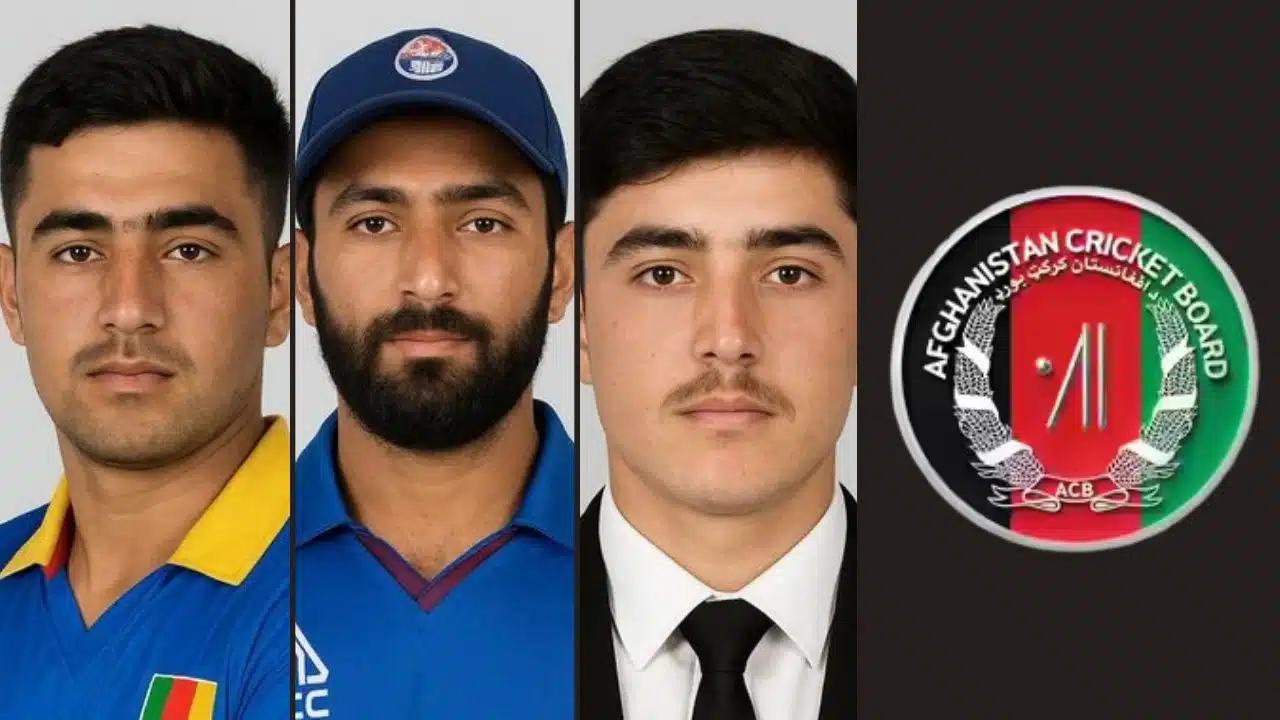
The Afghanistan Cricket Board (ACB) has initiated a full-scale boycott of all cricketing ties with Pakistan, effective immediately. The unprecedented move follows deadly airstrikes by Pakistan in Afghanistan’s Khost and Paktika provinces, with Afghan officials reporting civilian casualties that allegedly included local cricket players, turning the sport into a powerful vehicle for political protest.
Key Facts: The Fallout
- The Incident: On March 18, 2024, Pakistan conducted pre-dawn airstrikes inside Afghanistan’s Khost and Paktika provinces.
- The Casualties: Afghanistan’s Taliban-led government reported that eight civilians—all women and children—were killed. Local reports and social media accounts, amplified by sports officials, claimed local cricketers were among the dead.
- The Response: The ACB condemned the attacks as an “atrocity” and announced it would sever all cricketing relations with the Pakistan Cricket Board (PCB), demanding a global boycott.
- Pakistan’s Stance: Pakistan’s Ministry of Foreign Affairs stated the strikes targeted militants responsible for cross-border attacks inside Pakistan, framing the operation as a counter-terrorism measure.
- Sporting Impact: The boycott jeopardizes future bilateral series, participation in shared training programs, and player movement between the nations, sending shockwaves through South Asian cricket.
A Sporting Declaration of War
In a move that sends tremors far beyond the boundary rope, Afghanistan’s cricket authorities have weaponized the sport as a tool of national protest. The Afghanistan Cricket Board (ACB) has called for a complete and indefinite suspension of cricketing ties with its neighbour, Pakistan.
The decision was a direct response to the Pakistani military’s cross-border airstrikes on March 18, 2024. The attacks, which Pakistan claimed targeted terrorists responsible for the killing of its soldiers, were swiftly condemned by Afghanistan’s ruling Taliban as a violation of sovereignty that killed innocent civilians.
While official reports from Kabul focused on women and children among the deceased, the Afghan sporting community was galvanized by emerging local reports that promising local cricket players were among those killed in the Paktika province. This claim, though difficult to verify independently through international channels, became the emotional core of the ACB’s protest.
Mirwais Ashraf, the Chairman of the ACB, issued a blistering statement on social media, declaring that Afghanistan would no longer engage with a country that “sheds the blood of our innocent countrymen.”
The board framed the boycott not just as a political decision but a moral one, encapsulated in the viral hashtag #NoHumanityNoCricket. The message was clear: the deaths of Afghans, including those who play and love the game, could not be separated from the sport itself.
The Airstrikes and Their Aftermath
The conflict erupted in the early hours of March 18, 2024. Residents in the Barmal district of Paktika and the Spera district of Khost were jolted awake by explosions. Pakistan later took responsibility, stating its intelligence-based operations targeted hideouts of the Hafiz Gul Bahadur Group, a faction of the Tehreek-e-Taliban Pakistan (TTP) that Islamabad holds responsible for orchestrating attacks within its borders.
Latest Data & Statistics
- Official Casualty Count (Afghanistan): Zabihullah Mujahid, the spokesman for the Taliban administration, reported that the strikes killed five women and three children in the two provinces.
- Pakistan’s Justification: The strikes came just two days after seven Pakistani soldiers were killed in a suicide bombing and coordinated attack at a military post in North Waziristan, an act Pakistan attributed to militants operating from Afghan soil.
- Historical Sporting Ties: Prior to the boycott, Afghanistan and Pakistan had played 13 official international matches (ODIs and T20Is). While Pakistan has dominated the fixtures, the rivalry has become one of the most passionate and politically charged in modern cricket.
The Taliban government fiercely denies harbouring terrorists and condemned the strikes as reckless and an affront to international law. The incident marked a severe escalation in the already fraught relationship between the two nations, with cricket now caught squarely in the diplomatic crossfire.
Expert Analysis: Sport as a Political Lever
The ACB’s decision is a potent example of sports diplomacy being used as a punitive measure. Analysts note that for Afghanistan, cricket is more than just a game—it’s a symbol of national pride, unity, and resilience that has brought the country global recognition against all odds.
Dr. Rasheda Akhtar, a South Asian geopolitical analyst, noted that leveraging the country’s most beloved sport is one of the most powerful non-military statements Afghanistan can make.
“Cricket is Afghanistan’s greatest soft power asset,” Dr. Akhtar explained (paraphrased from academic journals on sports diplomacy). “By withdrawing from matches against Pakistan, the ACB is telling the world, and especially the Pakistani public, that the actions of their government have consequences that will be felt in cultural and social arenas, not just political ones. It’s an attempt to isolate Pakistan in a sphere where it holds significant influence.”
The move also places the Pakistan Cricket Board (PCB) in an awkward position, forcing it to navigate a diplomatic crisis not of its own making. The PCB has yet to issue a detailed formal response, likely awaiting guidance from its government.
Impact on the Ground
For fans and players on both sides of the Durand Line, the decision is a bitter pill. Matches between Afghanistan and Pakistan are renowned for their fierce passion and dramatic finishes. For years, Pakistani domestic leagues were a crucial training ground for emerging Afghan talent.
We spoke to a young cricketer from Jalalabad, who asked to remain anonymous for his safety. “We learned so much watching Pakistani players. We saw them as brothers,” he said. “Now, we are told they are enemies. Politics is destroying the one thing that brought us joy. One of the boys killed in Paktika… he played in our local tournaments. He wasn’t a terrorist.”
This sentiment captures the human cost of the conflict, where the aspirations of young athletes are now held hostage by geopolitical tensions.
What to Watch Next
The cricketing world now watches to see how this defiant stand will play out. Key questions remain:
- International Reaction: Will the International Cricket Council (ICC) intervene? The ICC typically discourages political interference in sport but has no clear mechanism to force a team to play against another.
- Pakistan’s Response: Will the PCB attempt to open back-channel negotiations, or will it follow its government’s lead and freeze relations?
- Future Tournaments: The boycott could complicate scheduling for Asian Cricket Council (ACC) and ICC events if the two teams are drawn in the same groups. Will Afghanistan forfeit matches?
The standoff marks a dark chapter for cricket in the region. A rivalry that was once a symbol of shared passion has become the latest casualty in a long and complex history of mistrust and violence. For now, the stadiums will remain silent, and the message from Kabul is unwavering: until there is justice, there will be no cricket.
The Information is Collected from ESPNcricinfo and Yahoo.