

When life throws you into a high-stakes situation, like a car wreck, your body shifts into survival mode faster than you can say “airbag deployed.” Adrenaline, that trusty fight-or-flight hormone, takes the wheel and helps you deal with the immediate crisis. It sharpens your senses, gives you a burst of energy, and—most notably—dulls your pain. But here’s the catch: an expert st louis car wreck lawyer says what feels like resilience at the moment can leave you oblivious to hidden injuries that might rear their ugly heads hours or even days later. So, before you brush off the crash with an “I’m fine,” it’s crucial to understand how adrenaline works and why consulting a medical and legal professional should be your next pit stop.
What Exactly Is Adrenaline?
Adrenaline [or epinephrine, if you’re feeling fancy] is your body’s emergency response team in hormone form. Produced by the adrenal glands, this chemical is released when your brain perceives danger. It’s like your body’s built-in 911 system, triggering physiological changes to maximize your chance of survival.
Your heart rate spikes, pumping blood to critical areas like your muscles and brain. Your airways expand to take in more oxygen. Blood flow to non-essential systems, like digestion, is temporarily reduced because who needs to digest lunch during a crisis? One of adrenaline’s lesser-known tricks is its ability to suppress pain. This is why you hear stories of people walking away from accidents with broken bones and not realizing it until much later.
Adrenaline’s Sneaky Pain-Blocking Powers
Adrenaline doesn’t just block pain for fun; it does so to keep you functional during an emergency. Imagine trying to escape a burning car or protect a loved one if you were immobilized by pain. The hormone works by triggering the release of endorphins—your body’s natural painkillers—and interfering with pain signals sent to your brain. In essence, it’s nature’s way of saying, “Ignore the damage for now; we’ll deal with it later.”
But therein lies the problem. When amped up on adrenaline, you’re not exactly able to assess your physical condition objectively. That dull ache in your neck might not seem like a big deal—until it turns out to be whiplash. Or that slight twinge in your back could be a herniated disc. Adrenaline’s pain-masking abilities are a double-edged sword: great for immediate survival, not so great for understanding the full extent of your injuries.
The Post-Adrenaline Crash
Adrenaline doesn’t stick around forever. Once the immediate crisis is over, your hormone levels normalize, and you might start feeling the true aftermath of your accident. This delayed pain can range from mild soreness to severe injuries that require medical attention. It’s common for people to wake up the day after an accident feeling significantly worse than they did right after the event.
This delayed reaction is why it’s crucial not to dismiss the importance of seeking medical attention immediately after a crash, even if you feel fine. Medical professionals are trained to spot injuries that adrenaline might be hiding from you, like internal bleeding, soft tissue damage, or even concussions.
Why Saying “I’m Fine” Can Be a Costly Mistake
Here’s where things get tricky—especially from a legal perspective. If you’re in a car wreck and confidently tell first responders, insurance adjusters, or the other driver, “I’m fine,” that statement can be used against you later. Those two words can weaken your compensation claim even if your injuries become apparent hours or days later.
Insurance companies are skilled at minimizing payouts, and an early declaration of “fine” gives them ammunition to argue that your injuries aren’t related to the accident. This is why it’s essential to keep your statements neutral. Instead of saying, “I’m fine,” opt for something like, “I’m not sure yet; I’ll need to get checked out.”
Why an Attorney Should Be on Your Post-Crash Checklist
Once the adrenaline wears off and the pain kicks in, you’ll likely have to deal with medical bills, insurance adjusters, and possibly even legal claims. This is where having an experienced st louis car wreck lawyer can make a difference.
A personal injury attorney can help you:
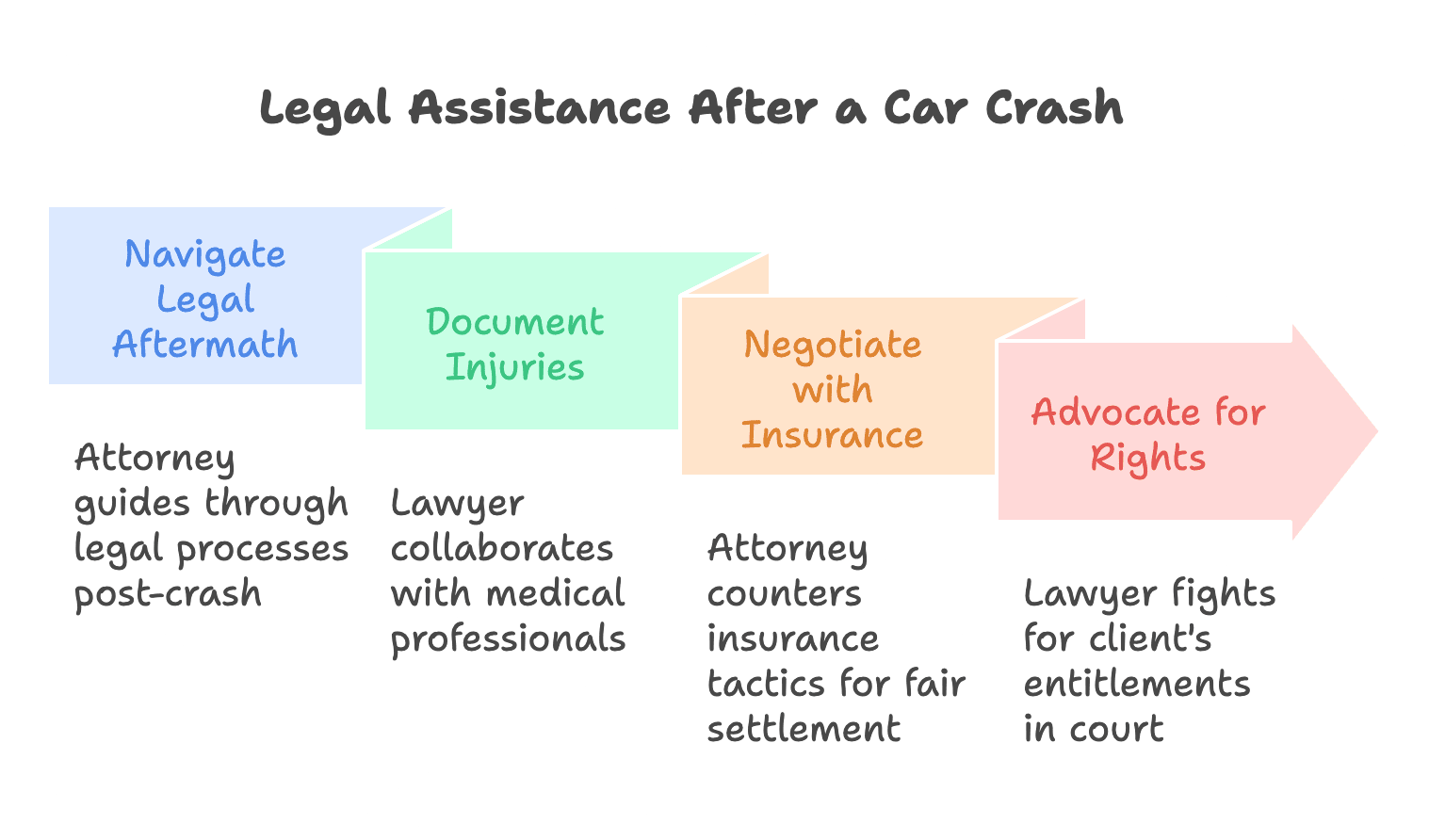
- Navigate the legal aftermath: They’ll guide you through filing a claim, ensuring you don’t miss any critical deadlines.
- Document your injuries: Your lawyer will work with medical professionals to thoroughly document the extent of your injuries, which is crucial for securing fair compensation.
- Negotiate with insurance companies: Insurers often aim to settle quickly and for less than you deserve. An attorney knows how to counter their tactics.
- Advocate for your rights: Whether through settlement negotiations or in court, your lawyer’s job is to fight for what you’re entitled to.
Conclusion
Adrenaline is a lifesaver—literally. But its pain-masking superpower can also lead you to underestimate the severity of your injuries after a car wreck. That’s why it’s vital to seek medical attention immediately, even if you feel fine, and to avoid making definitive statements about your condition. When the dust settles, consulting an attorney can help protect your rights and ensure you’re not left footing the bill for someone else’s mistake. After all, you deserve more than just surviving an accident—you deserve to recover fully, both physically and financially.