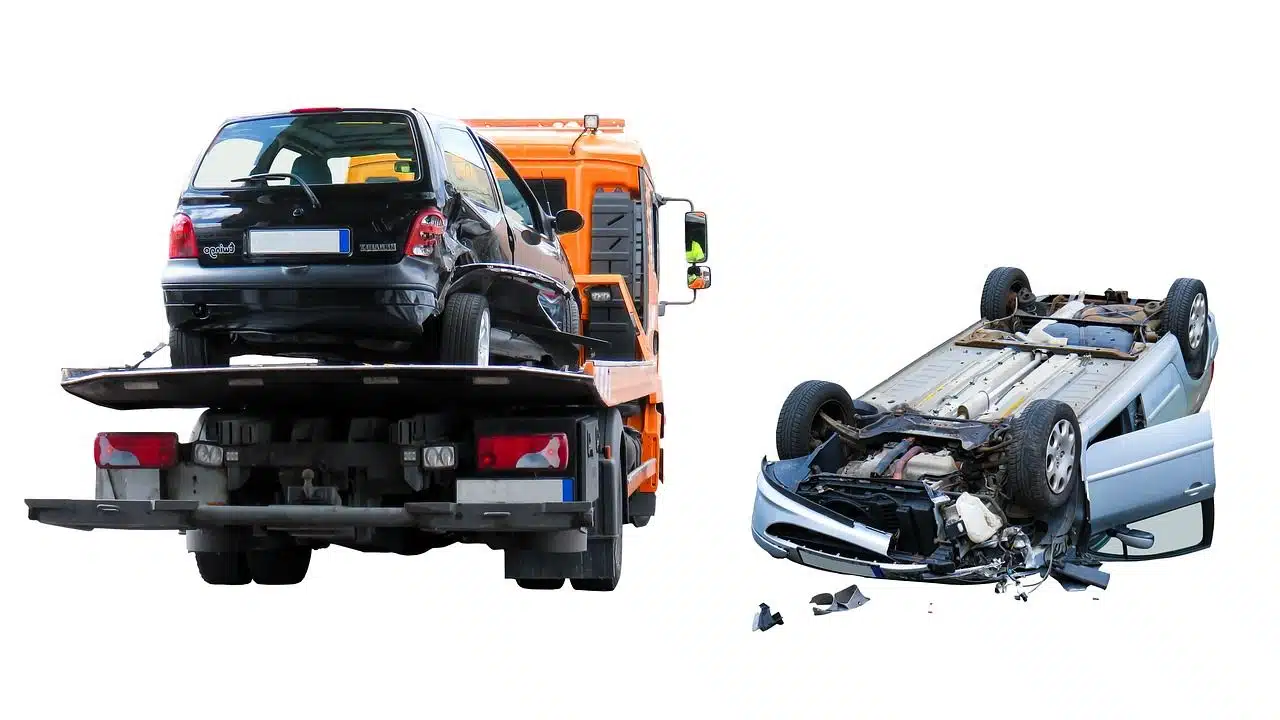
Car accidents are an unfortunate reality that plague communities across the United States. California’s Inland Empire, which includes counties like Riverside and San Bernardino, is no exception to this problem. The region’s growing population, extensive road networks, and diverse demographics contribute to a complex landscape when it comes to road safety.
California’s Inland Empire has seen mixed results when it comes to preventing fatal car accidents, with both the actual number of deaths and accident severity rates increasing over time. There are many reasons behind this trend, but one key development is the region’s growth. The result of this growth is increased traffic volumes, which can increase the likelihood that a car accident will occur. There are many safety-related factors that can contribute to an increase in these rates, including the types of vehicles involved in accidents, the frequency of accidents, and where they occur. In all these cases, most of the deaths and injuries occur on local roadways.
Overview of Car Accidents in California’s Inland Empire
The statistics on car accidents in the Inland Empire are alarming, highlighting the urgency to address this issue. According to the California Highway Patrol’s Statewide Integrated Traffic Records System (SWITRS), Riverside County alone recorded a total of 14,853 injury crashes and 186 fatal crashes in 2020. Additionally, San Bernardino County reported 16,485 injury crashes and 253 fatal crashes during the same period. These numbers paint a disturbing picture of the risks drivers and pedestrians face on the roads within the Inland Empire.
Factors Contributing to Car Accidents
Several factors contribute to the high incidence of car accidents in the Inland Empire. The region’s rapidly growing population has resulted in increased congestion on roads, leading to a higher likelihood of accidents. The development of new residential areas and commercial sectors has also contributed to an increase in traffic volume.
Distracted driving is another significant factor. The rise of smartphones and other electronic devices has led to a surge in distracted driving incidents. Texting and talking on the phone while driving have become common practices, even though they are illegal in California. Such distractions significantly increase the risks of accidents. Moreover, the Inland Empire’s diverse population brings with it varying cultural beliefs and driving habits, which can lead to different perceptions of road safety. Language barriers and different interpretations of traffic laws can contribute to confusion and potential accidents.
Efforts to Address Car Accidents
Authorities in the Inland Empire have been implementing various strategies to address the issue of car accidents. Road safety campaigns, awareness programs, and stricter law enforcement have been vital components of these efforts. Public service announcements and educational programs targeted at different communities can help raise awareness about road safety practices and the consequences of negligence.
Investments in improving infrastructure, such as road expansion projects and the installation of traffic lights and signs, aim to reduce congestion and create safer driving environments. Additionally, the promotion of public transportation and alternative modes of transportation, like cycling and walking, can help reduce the number of cars on the road and potentially lower the risk of accidents.
The Role of Technology in Road Safety
Technology plays an increasingly important role in addressing car accidents in the Inland Empire. Advancements in vehicle safety features, such as lane departure warnings, automatic emergency braking, and blind-spot detection, can significantly reduce the risk of accidents. These technologies act as an extra layer of protection and can help mitigate human errors while driving.
Additionally, the Inland Empire can leverage advancements in connected vehicle technology and intelligent transportation systems. These technologies enable vehicles to communicate with one another and with roadside infrastructure, providing real-time data on traffic conditions, road hazards, and potential collisions. This information can help drivers make more informed decisions and avoid dangerous situations. Furthermore, ride-sharing services and electric scooters are gaining popularity in the Inland Empire. While these alternatives to personal vehicles can contribute to reducing traffic congestion and carbon emissions, they also introduce new safety considerations. Regulations and safety standards must be established and enforced to ensure that users, pedestrians, and other drivers are protected.
Addressing Car Accidents Through Education
Education is key to preventing car accidents in the Inland Empire. Schools, community centers, and driver training programs should implement comprehensive road safety curricula that teach responsible driving behaviors and emphasize the importance of following traffic laws and regulations.
Additionally, drivers should be educated about the risks of distracted driving, driving under the influence of alcohol or drugs, and aggressive driving behaviors. Public awareness campaigns targeting these specific issues can help change attitudes and behaviors on the road. Engaging young drivers in road safety initiatives is particularly important. Graduated driver licensing programs that gradually introduce driving privileges to young and inexperienced drivers have been proven to reduce accident rates. These programs combine education, training, and restrictions on nighttime driving and the number of passengers allowed in the vehicle.
In Conclusion
Car accidents in the Inland Empire are common, and their consequences can be devastating for innocent victims and their families. As authorities continue to work to address car accidents in the region, initiatives aimed at raising awareness about road safety practices and promoting responsible driving behaviors are vital to reducing these hazards. Drivers and pedestrians alike should be careful on the roads, and not take risks while driving or crossing roads.