Just like a chef needs the right tools to create a culinary masterpiece, you need the right crane for your construction project.
You’re about to dive into an enlightening exploration of the three most common types of cranes.
We’ll break down their unique features, uses, and why they’re vital in the construction world.
Don’t worry; we’ve made it as simple as possible so you won’t get lost in technical jargon!
Exploring the Tower Crane
Let’s delve into the specifics of the tower crane, one of the most commonly used cranes in construction. Imagine a towering structure that seems to touch the sky, its long arm extending outwards, defying gravity as it lifts heavy loads. That’s your tower crane.
You’ve probably seen them dotting city skylines during high-rise builds. They’re essential for lifting and moving hefty materials like steel structures or concrete slabs to dizzying heights. Without them, constructing skyscrapers would be near impossible.
Now picture yourself at the controls. You’re sitting in what’s called a ‘slewing unit’. This is where all magic happens – it houses both your control panel and motor. The slewing unit can rotate 360 degrees, giving you complete command over where to move your load.
The ‘jib’ or beam extends out from this unit. It’s like a giant arm reaching out into space, ready to pick up anything you need with its trolley and hook mechanism.
So there you have it: the tower crane – an elegant juggernaut making light work of heavy loads. With its height and reach capabilities, it’s not hard to see why they’re pivotal on any large-scale construction site.
Features of Rough Terrain Cranes
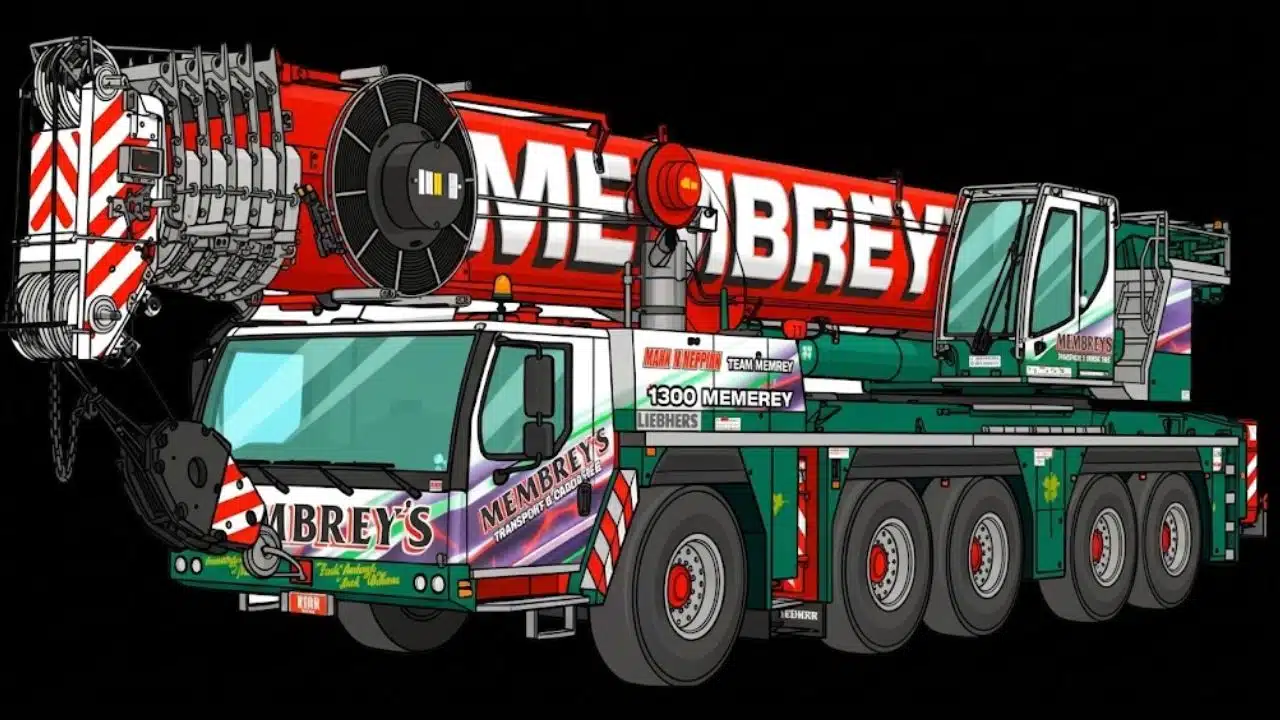
Rough terrain cranes are unique in that they’re designed to handle off-road construction sites with ease. They’re built sturdy and robust, capable of carrying heavy loads over challenging landscapes.
If you’re looking for an all terrain crane for sale, you need to know that these cranes have a number of features that make them indispensable. They come with adjustable outriggers, counterweight and stabilizers to ensure your operator has maximum control over their load.
The crane’s tracks allow it to travel on uneven terrain without losing the stability of its center of gravity. This makes it ideal for working in remote locations and off-road sites.
So, next time you’ve got a job that’s out in the wilds or on uneven grounds, remember the all terrain crane. It’s not just its strength but also its adaptability, simplicity, and cost-effectiveness that make it an asset for your team. Understanding this equipment will ensure you’re well-suited to tackle any construction challenge thrown your way.
Understanding Loader Cranes
You’re in for a treat as we delve into the world of loader cranes, shedding light on their functionality and unique characteristics.
Now, these aren’t your average cranes; they’re mounted on a truck chassis with a hydraulic powered boom fitted to the trailer. The primary function? It’s all about loading and unloading goods onto vehicles.
Imagine you’ve got heavy cargo that needs lifting onto a truck. That’s where the loader crane steps up, flexing its might and showcasing its ease of operation. Its design allows it to lift heavy materials, swing them around and place them precisely where needed – be it on a transport vehicle or at ground level.
The magic lies in the hydraulics system – this is what gives the crane its strength. With an array of different sizes available – from small but mighty ones able to lift 1 tonne, right through to behemoths capable of handling 200 tonnes – there’s a loader crane for every job.
To sum up, if you need powerful lifting combined with maneuverability and precision, then you can’t go wrong with a loader crane. It’s truly one of construction’s unsung heroes.
Final thoughts
So, you’ve got the scoop on the three most common cranes now. Pretty cool, right?
Something to ponder: Did you know that over 125,000 tower cranes operate worldwide? That’s a testament to their crucial role in construction. And now you’re ready to choose the best type of material for your next construction project.
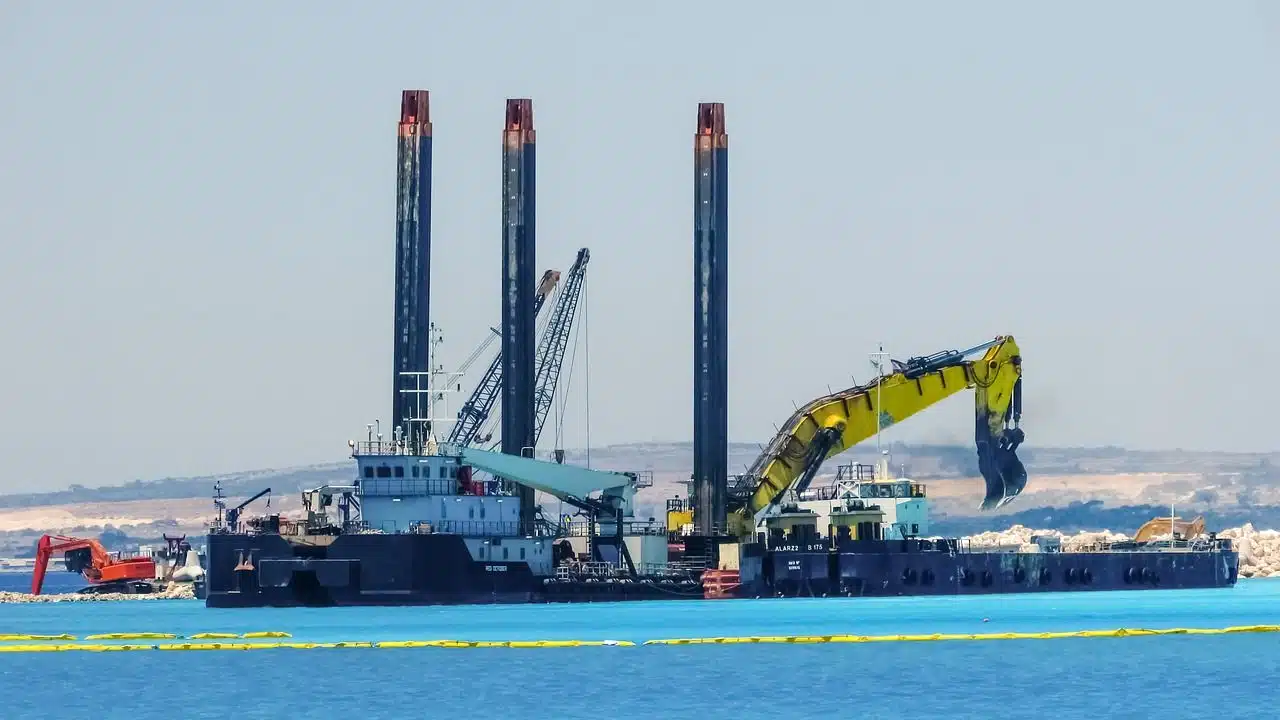
Remember, understanding your equipment is key—whether it’s a versatile rough terrain crane or an impressive floating one.
Keep digging deeper and you’ll master these magnificent machines in no time!