As a gardener or a landscaper working with clients, making sure your lawns are in top condition should be at the top of your list. But what should you be thinking about when it comes to fertilizing in June?
We break down everything you need to know about fertilizing lawns in June, including what fertilizer options are best for optimal grass growth at this stage of the season.
So let’s get started!
What is Lawn Fertilizer?
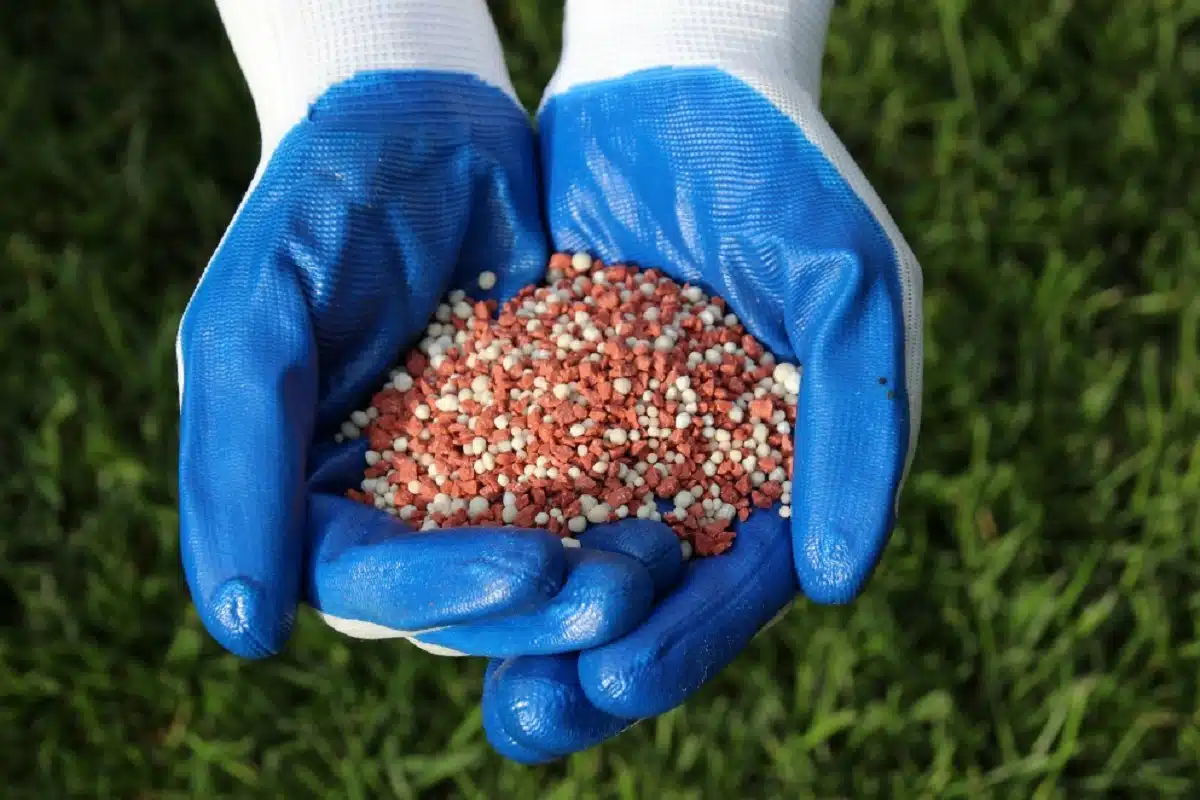
Lawn fertilizer is a nutrient-rich product that helps feed and nourish grasses. It typically contains nitrogen, phosphorus, and potassium, important components for growing healthy lawns.
Fertilizer also provides trace elements like iron and sulfur, which are valuable to plant health. Fertilizers also help to protect the soil from degradation and erosion, while also reducing weeds.
The best thing about lawn fertilizer is that it’s easy to apply and the results are visible quickly. Also, it’s relatively inexpensive and can be purchased from most home improvement stores or garden centers.
What Lawn Fertilizer Should I Use in June?
Generally, summer is the best time to fertilize your lawn. Summer brings warmer temperatures and more abundant sunshine, which makes it easier for grass to absorb essential nutrients from fertilizer.
When deciding on the best grass fertilizer for summer, look for a product that contains nitrogen. Nitrogen helps promote top growth and color in turfgrass, so it’s important to get enough in the summer months.
Also, make sure the fertilizer you choose has a low phosphorus content, as too much phosphorus can lead to excessive thatch build-up and runoff issues. A balanced 16-4-8 fertilizer with low phosphorus content is ideal.
Finally, be sure to read all of the directions on your fertilizer package before applying it, so you know how much and how often to apply it.
Overall, fertilizing your lawn in June can give you a healthy, green-looking lawn that will last all summer long. So don’t forget to take the time to properly care for and nourish your turfgrass this season!
Summer Lawn Care Tips
In addition to fertilizing your lawn, there are some other things you can do to keep it looking its best.
Watering is essential in the summer months, so be sure to provide your grass with enough water on a regular basis. Also, mow regularly and don’t cut the grass too short as this will weaken the grass and cause it to be more susceptible to disease.
Finally, you should aerate your lawn at least once a year to help the soil absorb water and nutrients more efficiently.
By following these tips and fertilizing your lawn in June, you’ll have a lush, beautiful lawn that will last all summer long!
When to Fertilize New Grass
If you’ve recently planted new grass, it’s important to wait until the grass has taken root before fertilizing. Depending on the type of grass you’ve planted, this may take anywhere from two weeks to a few months.
For Zoysia, Bermuda, and Centipede grass, wait until the end of June or the beginning of July to apply your first fertilizer. If you’re planting Fescue, wait until the end of August or the beginning of September before applying your first.
It’s also important to note that new grass should be fertilized at half the recommended rate for the first year. This will help the grass establish a healthy root system and make sure it’s getting enough nutrients without being overwhelmed by too much fertilizer.
Once your grass is firmly rooted, give it a light application of fertilizer and water it deeply. Then wait a few weeks and give the grass another light application of fertilizer. This will help promote strong and healthy growth in your new lawn.
How to Apply Lawn Fertilizer
Once you’ve chosen the right fertilizer for your grass, it’s time to apply it. The best way to do this is with a spreader. Spreaders come in both manual and motorized versions, so make sure you choose the one that fits your needs.
Before use, read all of the instructions on your fertilizer package. This will tell you how much fertilizer to use and how often it should be applied.
Then, fill the spreader with the correct amount of fertilizer and start walking your lawn in a circular pattern, following the instructions for coverage on your package.
Once you’ve finished applying the fertilizer, make sure to water your lawn thoroughly. This will help the fertilizer to absorb into the soil, giving your grass the nutrients it needs to grow.
How to Choose the Best Fertilizer for Lawn Care
When choosing a fertilizer for your lawn, it’s important to understand the difference between organic and synthetic fertilizers.
Organic fertilizers are made from natural sources like manure or compost and can provide your lawn with essential nutrients without using harsh chemicals. Synthetic fertilizers are chemical-based and can be more effective at quickly greening up your lawn, but they may also cause environmental issues like water contamination.
It’s also important to consider the type of grass you have before choosing a fertilizer. Different types of grass require different levels of nutrients, so make sure you choose one that’s specifically formulated for your type of grass.
Finally, consider the specific needs of your lawn. If you have a lot of weeds or if your soil is very acidic, you may need to choose a fertilizer with added weed killers and soil conditioners.
With these tips in mind, you’ll be able to find the best fertilizer for your lawn.
FAQs
What fertilizer makes grass dark green?
Dark green grass is usually a sign of healthy growth. Nitrogen is an essential nutrient for plant growth, so nitrogen-rich fertilizers will help to promote dark green grass. However, it’s important to note that over-fertilization can also lead to problems such as lush, and green growth at the expense of other desirable qualities, such as flavor or texture. So be sure to read the fertilizer label and follow the directions carefully. Thanks for asking!
Does frequent mowing thicken grass?
Yes, frequent mowing can thicken grass by cutting off the ends of the blades. This process is called apical dominance and it’s caused by plant hormones called auxins. When you cut the ends of the blades, the auxins are distributed throughout the blade and cause it to thicken.
Conclusion
We hope this information will help you make an informed decision about what type of fertilizer is best for your lawn. Always make sure to read the labels of your fertilizer and follow the instructions carefully.
This will ensure that you get the best results from fertilizing your lawn in June.
Good luck, and happy gardening!