You have decided to move into security. Now you are looking at a list of forty credentials, and half of them want five years of experience you do not have. Most of that list is noise if you are starting from outside the field. Only a handful of cybersecurity certifications for career changers will clear a resume filter, and none of the ones below require a security job first.
Prices are US list prices checked in September 2026. Vendors change them often, so confirm with the official store before you pay.
One number worth knowing before you spend anything: the Bureau of Labor Statistics puts the median wage for information security analysts at $129,180 as of May 2025, with employment projected to grow 21% from 2025 to 2035 and roughly 14,100 openings a year. The demand is real. The entry-level competition is still heavy, which is why the credential you pick matters.
1. CompTIA Security+
This is the default. More entry-level job ads name Security+ than any other security credential, it is vendor-neutral, and it meets US Department of Defense baseline requirements, which matters if you want government or contractor work.
The current version is SY0-701. A voucher runs $439 in the US after CompTIA raised prices across its lineup on June 1, 2026, up from $425. One voucher buys one attempt. There is no free retake, so budget for the possibility. The certification lasts three years and renews through continuing education credits.
Expect two to three months of study if you are starting cold, less if you already work in IT. A replacement exam version has been discussed but was not expected before late 2026, so SY0-701 is still the one to book.
If you have no degree and no tech job history, read our guide on starting a cybersecurity career without a degree before you spend the $439. Security+ opens doors, but it does not replace the first support job.
2. ISC2 Certified in Cybersecurity (CC)
Important update: the free route closed. ISC2 ran its One Million Certified in Cybersecurity program from August 2022 until May 20, 2026, handing out free training and free exam vouchers. Over a million people enrolled and more than 65,000 earned the certification. New enrollments ended on that date. Anyone holding an unexpired voucher has until December 31, 2026, to sit the exam.
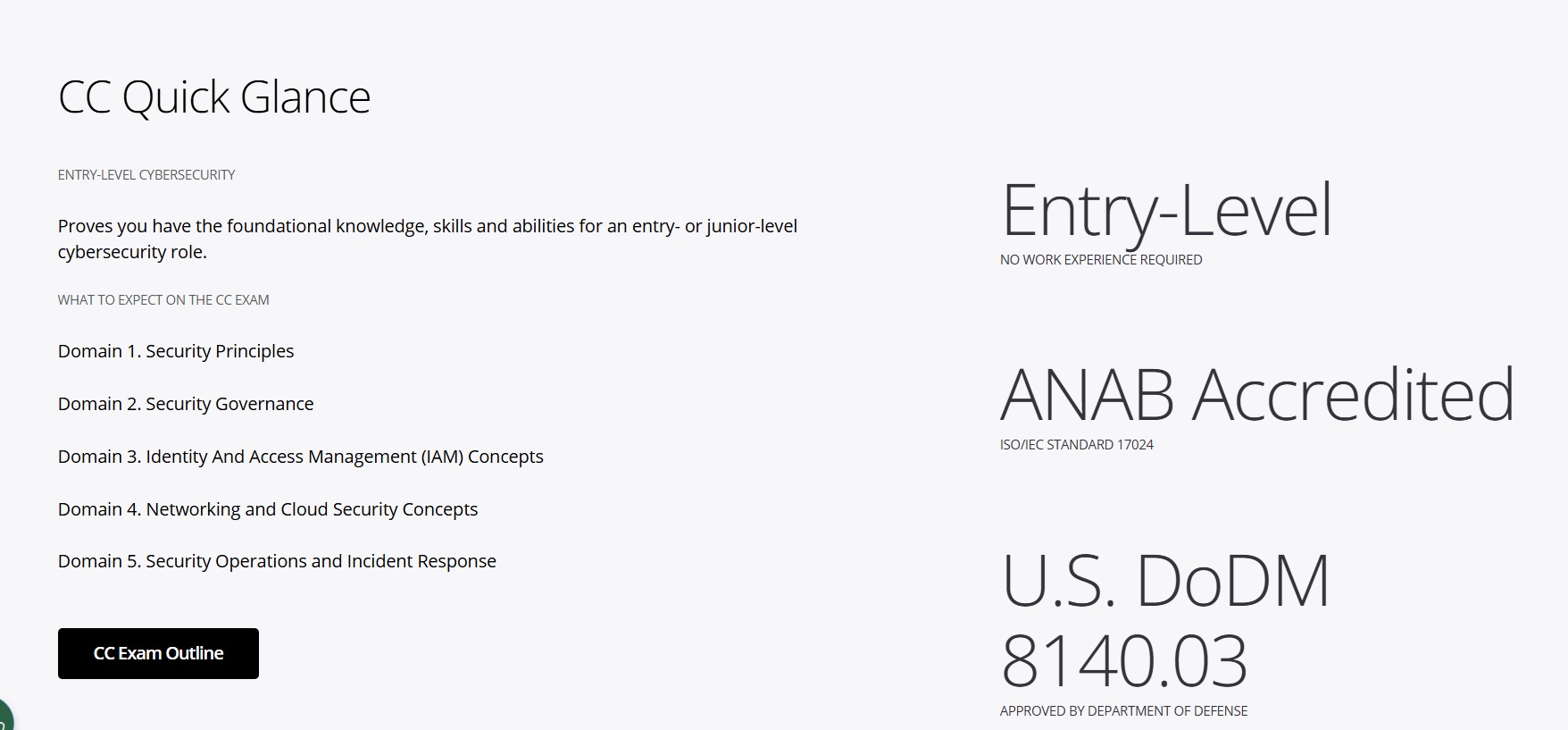
For everyone else the CC now costs $199, plus a $50 annual maintenance fee once you pass. It is easier and less technical than Security+, and about 15 hours of study is realistic for many people. ISC2 also refreshed the exam outline in 2026, so check the date on any study material you buy.
Take it if you want a low-cost first credential from the organization behind the CISSP. Skip it if your budget only covers one exam. In that case, buy Security+.
3. Google Cybersecurity Professional Certificate
Not a certification exam. It is eight courses on Coursera, around 170 hours, built for people with no experience, and it ends in a portfolio rather than a passing score.
It costs about $49 a month, so finishing in three months costs roughly $150, and taking the full six months costs closer to $300. Coursera offers need-based financial aid, and some public libraries provide free access. Graduates can apply through an employer consortium of more than 150 US companies, and the content is designed to prepare you for the Security+ exam afterward.
The labs use Splunk, Wireshark, Linux, SQL, and Python. That is the honest value here: you get supervised practice with tools that appear in real job ads. On its own it rarely produces interviews. Paired with Security+ and two written-up projects, it does much better.
4. Microsoft SC-900
The cheapest useful item on this list is $99, and Microsoft fundamentals certifications do not expire, so there is nothing to renew.
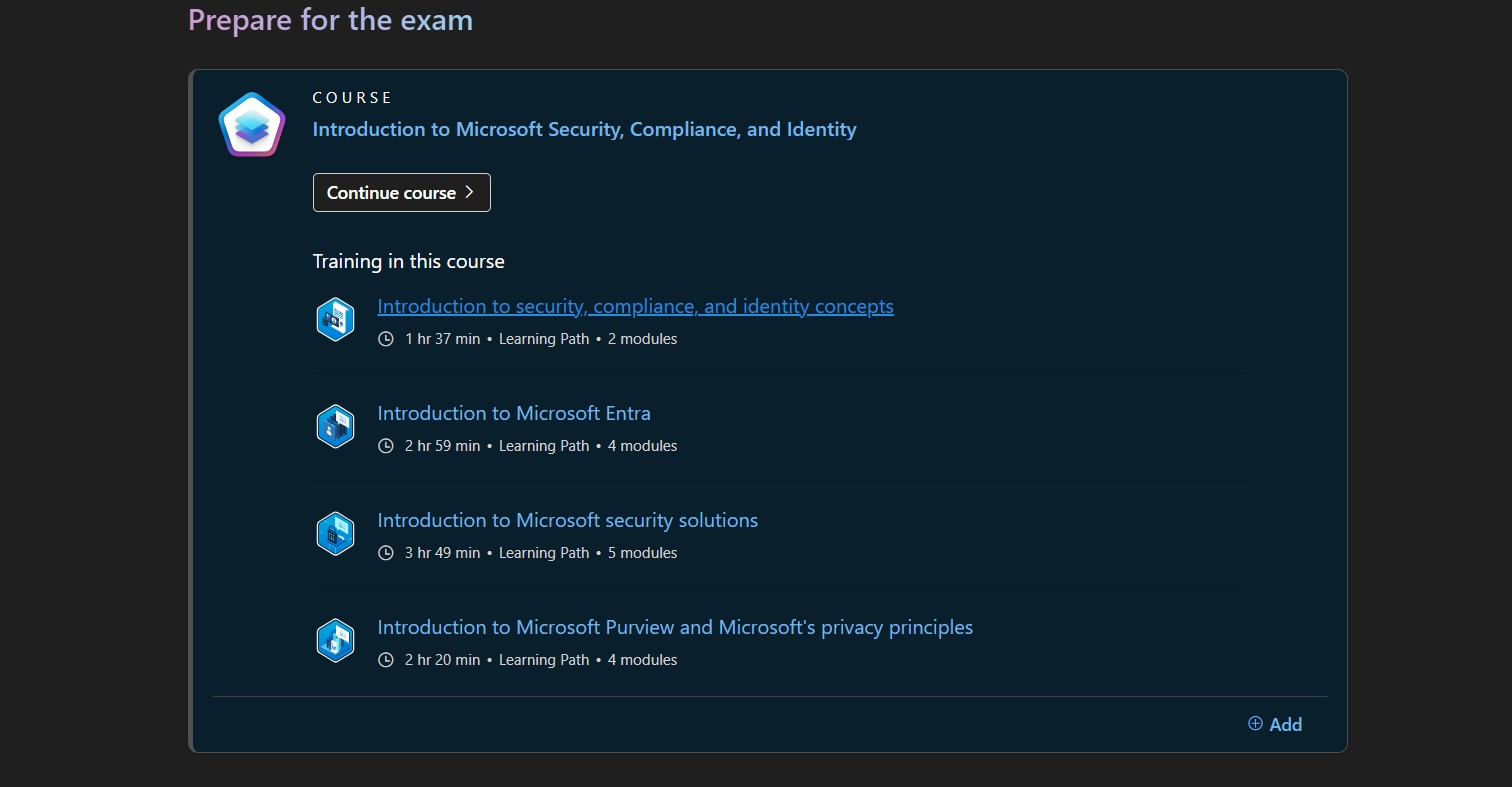
SC-900 covers security, compliance, and identity inside the Microsoft ecosystem. Most candidates study for two to three weeks. It is worth taking if you are aiming at an organization that runs Microsoft 365 and Azure, which is most mid-sized employers, or if you are leaning toward compliance and governance work rather than hands-on defense. It also leads cleanly into SC-200 ($165), the security operations analyst exam.
5. CompTIA Network+
Here is the part career changers often resist. You cannot defend a network you do not understand, and a lot of people fail Security+ questions because the networking underneath is missing, not the security.
Network+ costs $399. If you have never worked in IT at all, CompTIA A+ ($274 per core exam, two exams required) is the more realistic starting point, because it maps to help desk roles that actually hire beginners. The help desk is a slower route, but it is a route.
Skip this one only if you already have hands-on networking experience from a previous job.
6. Cisco CyberOps Associate
The 200-201 CBROPS exam costs $300 and is aimed squarely at security operations center work: monitoring, intrusion analysis, and incident handling. It lasts three years and renews through continuing education credits or by passing a higher Cisco exam.
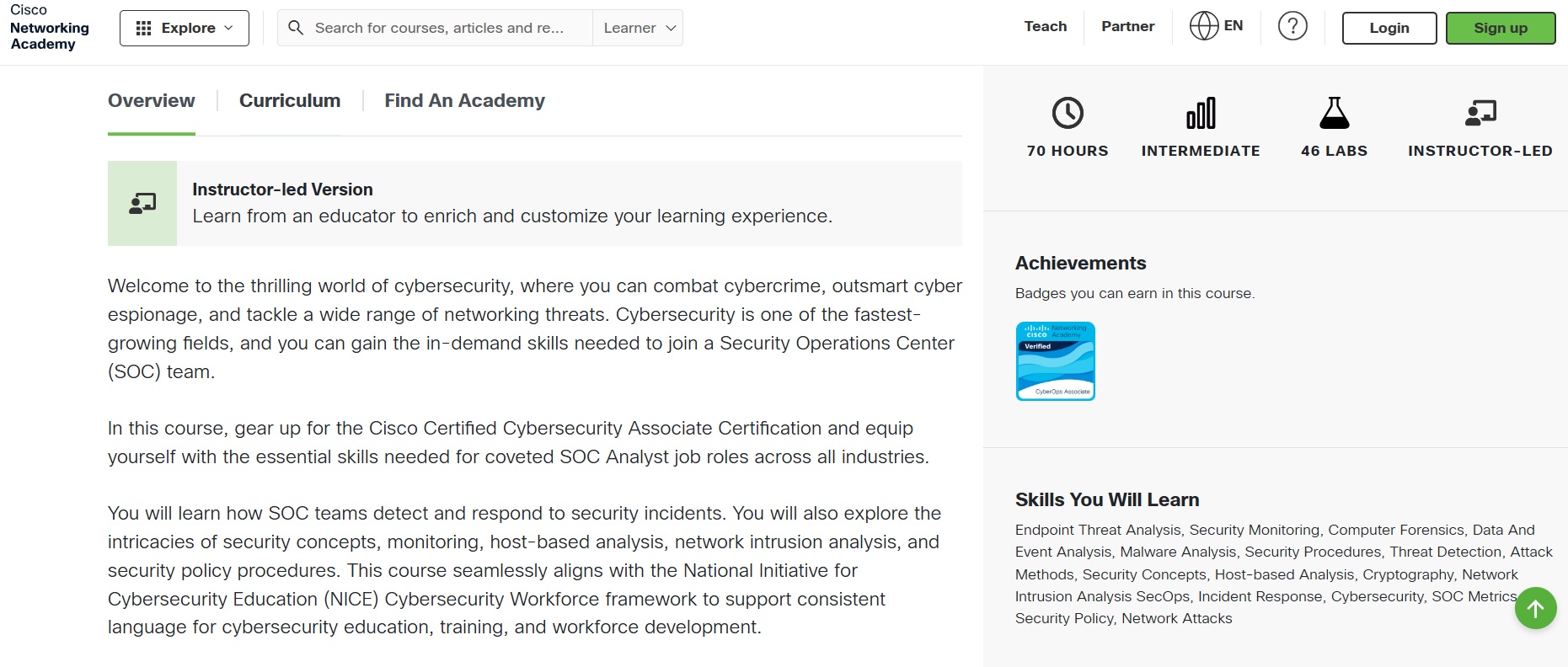
Cisco suggests around a year of hands-on networking or security operations background. That makes it a poor first exam for a true beginner but a strong second one if SOC analyst is your target job and you want something more operations-focused than Security+.
7. CompTIA CySA+
The natural step after Security+ for analyst roles. It covers threat detection, vulnerability management, and response, and it maps to how SOC teams actually triage work.
Timing matters right now. The new CS0-004 version launched on June 23, 2026, and the English CS0-003 exam retires on December 22, 2026. If you already have study materials for the older version, book before that date. If you are starting fresh, study for CS0-004.
Most career changers should not buy this first. It assumes you understand the fundamentals, and the price sits above Security+.
8. Blue Team Level 1 (BTL1)
Around £399, roughly $500, from the Security Blue Team. That price includes the training and lab access, which the CompTIA exams do not. The exam is a 24-hour practical incident response scenario using real tools, not multiple choice, and the certification does not expire.
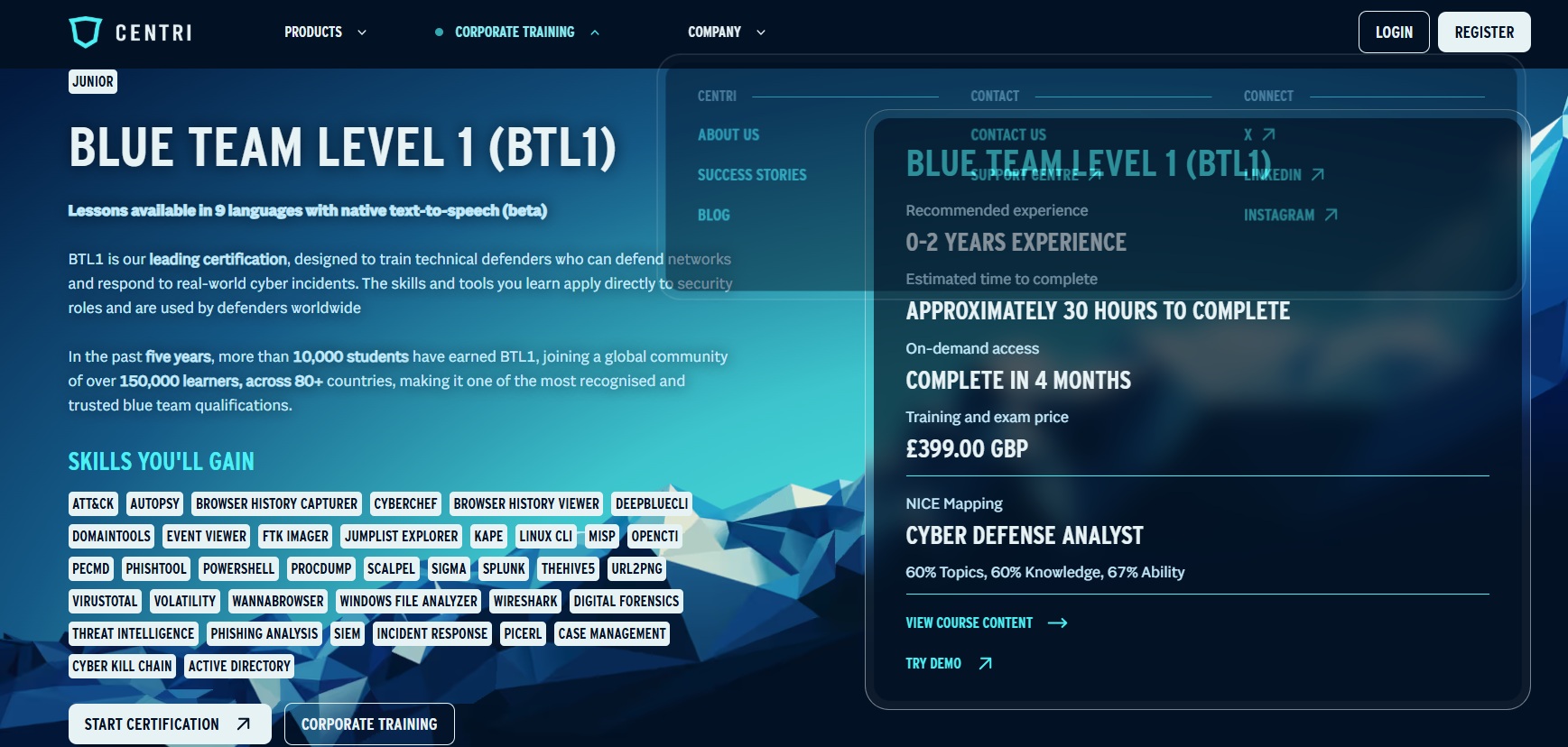
Be clear about what this buys. Few US job postings name BTL1 specifically. Its value is different: it gives you something concrete to describe in an interview when someone asks what you have actually investigated. For a career changer with no security work history, that is often the hardest gap to fill.
Quick comparison
| Certification | US cost | Best for |
|---|---|---|
| Security+ | $439 | The default resume filter |
| ISC2 CC | $199 + $50/yr | Cheapest recognized first exam |
| Google Certificate | ~$49/month | Complete beginners, portfolio work |
| SC-900 | $99 | Microsoft shops, compliance paths |
| Network+ | $399 | Filling the networking gap |
| CyberOps Associate | $300 | SOC-focused second cert |
| CySA+ | Above Security+ | Analyst roles, after fundamentals |
| BTL1 | ~£399 | Hands-on proof you can talk about |
How to sequence this without wasting money
Most people need two credentials, not eight. A workable order for someone with no IT background: Google Certificate or CC first to confirm you actually like the work, then Network+ if the fundamentals are shaky, then Security+ as the credential that gets read by recruiters.
If you already work in IT support, skip straight to Security+ and add CySA+ or CyberOps later. Small businesses and managed service providers hire generalists who handle both IT and security, and they are often more willing to take a career changer than a large enterprise is. Understanding how small businesses get attacked makes you more useful in those interviews than another exam badge will.
Before booking anything, line up your study materials. Free options cover most objectives well, and our certification preparation guide lists resources worth using. For a longer view of which credentials pay off over time, see our breakdown of tech certifications that boost salary.
Final Thoughts
The best cybersecurity certifications for career changers are the ones that get read, get you into a conversation, and leave you able to answer technical questions once you are there. Security+ does the first job well. Hands-on work does the second.
Pick one credential, finish it, and spend the waiting time building something you can show. Two projects you can walk through in detail will do more in an interview than a third certificate on the same resume line. Check current prices before you buy, since two of the vendors on this list changed theirs in 2026 already.