Building healthy tech habits for preschoolers doesn’t require banning screens entirely—it’s about balance. The general guideline is limiting screen time to one hour or less per day of high-quality, interactive programming, ideally watched together to bridge digital ideas with real-world learning.
Clear, flexible boundaries ensure devices don’t displace vital sleep, outdoor play, or family conversation, even during chaotic routines like meal prep or appointment delays.
By setting intentional rules from start to finish, parents can turn everyday media use into a positive, enriching tool. Here is how to create a balanced digital foundation that works for ordinary family life.
Healthy Tech Habits for Preschoolers
Screen time is not one uniform activity. A video call with a grandparent and an endless feed of short videos may occupy the same minutes but offer very different experiences.
Current American Academy of Pediatrics guidance considers the child, content, calming, what media crowds out, and communication. The World Health Organization adds a numerical guardrail: no sedentary screen time for infants or one-year-olds, and no more than one hour a day for ages two to four, with less preferred.
A timer is useful, but it cannot judge the content or show what disappeared from the day to make room for it.
1. Set Predictable Screen Times

When a phone appears whenever a child complains, waits, or becomes restless, the child learns to ask for it in those situations. A predictable routine removes some uncertainty.
Choose a few recognizable occasions, such as one program after lunch or a short activity while dinner is prepared. Keep unused screens off in the background. The routine can bend for travel, illness, or an exhausting day; it only needs a recognizable pattern. For most families, start here rather than tracking every minute. Decide where screen use belongs before measuring it.
Most children under five do not need unrestricted access to a personal tablet. A shared device in a common room makes supervision easier and reduces accidental purchases or unsuitable recommendations.
Before handing it over:
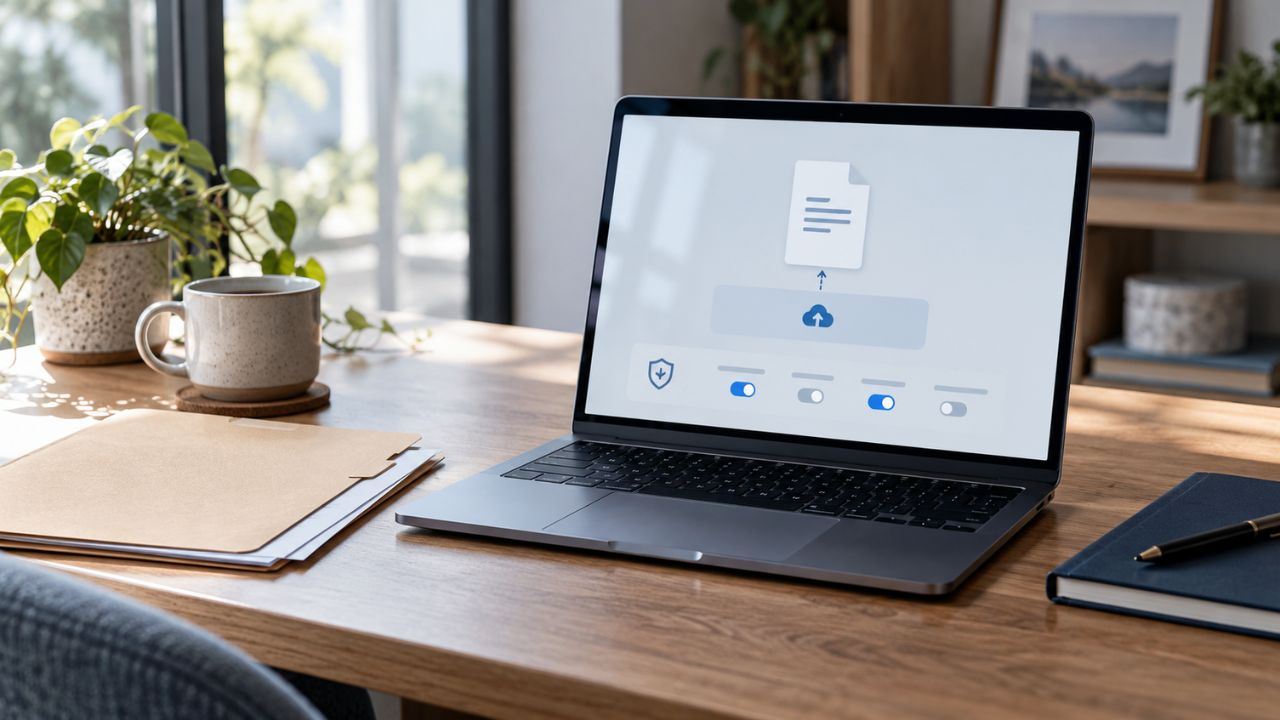
- Require adult approval for purchases and downloads.
- Turn off autoplay and unnecessary notifications.
- Review access to the camera, microphone, contacts, and location.
- Avoid using a child’s full name, photograph, or birth date unless the service needs it and its privacy practices are acceptable.
In the United States, COPPA gives parents rights over personal information collected from children under 13 by covered services. It does not certify an app as safe or educational. Check the settings and privacy notice rather than trusting a child-friendly design.
3. Choose Content First
Open-ended video feeds are a poor default for preschoolers. The platform chooses what appears next, which may include advertising, product promotion, or material intended for older viewers.
Select an episode, song, or activity first. Favor clear language and chances to respond, sing, move, create, or predict. The AAP names PBS KIDS and Sesame Workshop content as high-quality, child-centered examples. Not every title will suit every child, but these are more reliable starting points than a vague “educational” label. Among healthy tech habits for preschoolers, deliberate selection matters more than collecting more learning apps.
4. Watch and Talk Together
Co-viewing does not mean hovering or turning every scene into a quiz. Sit nearby, answer a comment, name an unfamiliar object, or connect a character’s problem with something familiar.
A remark such as “That dog looks nervous” can open a conversation about feelings. Repeatedly asking for colors, numbers, and plot details can make shared viewing feel like a test.
Adult support matters especially for children under two, who do not apply video information to real life as readily as older children. If an adult cannot stay throughout, joining at the beginning and talking afterward still adds context.
5. Continue the Idea Offline
Carry one idea from the screen into the room. Repeat a song’s movements, look outdoors for an insect shown in a program, rebuild a tower with blocks, or draw a character on paper.
This need not become a planned lesson. A brief follow-up connects digital material with objects, words, movement, and relationships. If an “educational” program never prompts interest beyond the device, its value may be smaller than its label suggests.
6. Offer Other Ways to Calm
A screen can help during a flight, medical appointment, or exhausting day. Occasional use in a difficult moment is not bad parenting. Concern begins when it becomes the automatic answer to anger, boredom, waiting, and bedtime.
Prepare a small set of alternatives that suit the child: a familiar song, a cuddle, water, a quiet corner, a sensory toy, or a few minutes of movement. Name the feeling when possible. “You are frustrated because we have to wait” gives the child useful language even if the frustration does not disappear. Alternatives may feel less effective at first because calming takes practice. Expect some resistance before abandoning the new routine.
7. Protect Meals and Bedtime

If a family can maintain only two screen-free periods, meals and the hour before bed deserve priority. Device-free meals leave room for eating and conversation, while a quiet pre-bed period makes the move toward sleep less abrupt.
The AAP recommends switching off screens at least one hour before bedtime and keeping devices out of children’s bedrooms overnight. These healthy tech habits for preschoolers are easier when adults join in. A child notices if the tablet is forbidden at dinner while everyone else scrolls.
Reasonable exceptions do not ruin the rule. A video meal with a parent who is working away from home serves a different purpose from routine background entertainment.
8. Practice Stopping
Ending screen use is part of using it. State the limit beforehand: “One episode, then bath.” Turn off autoplay, give a reminder, and stop at a natural break when possible.
Timers help some children and agitate others. A dependable sequence and familiar next activity matter more. “The video is finished; choose the red book or the blue one” is easier to act on than “Go find something else to do.”
A protest does not prove the boundary was wrong. Acknowledge the disappointment and follow through calmly. Adults can demonstrate the same skill: “I am checking the bus time, then I am putting my phone away.”
Final Thoughts
Try a one-week reset rather than changing the entire household overnight. Turn off autoplay, choose one regular viewing window, and protect the hour before bed. Notice whether requests, transitions, or sleep become easier before adding another rule.
Healthy tech habits for preschoolers are successful when devices fit into childhood without organizing all of it. Keep the boundaries that protect daily life, adjust the ones that create needless conflict, and let real conversation, movement, and play take up most of the room.
Frequently Asked Questions (FAQs)
Do video calls count as ordinary screen time?
A responsive video call differs from passive viewing. Help a baby or toddler participate by naming the person, repeating words, and encouraging waving, singing, or peekaboo. The human exchange matters most.
Is watching the same episode repeatedly a problem?
Not by itself. Watch what happens around it: does the child sing, quote, or act out parts, or only demand uninterrupted replay? Check whether repetition crowds out sleep, active play, or other interests. Autoplay-driven repetition is a different matter.
What should parents ask a preschool about tablets?
Ask what children do on the device, how long a session lasts, whether a teacher participates, what offline activity follows, and which privacy settings apply. “We use educational technology” is too broad to explain the practice.
When should screen use be discussed with a pediatrician?
Ask for guidance when media regularly disrupts sleep, meals, movement, family participation, or a child’s interest in other activities. Persistent, intense distress around stopping is also worth mentioning.