Heating, ventilation, air conditioning, and refrigeration systems support homes, businesses, schools, and healthcare facilities throughout California. If you enjoy working with your hands, solving problems, and learning technical skills, HVAC-R technician training could be a practical option to explore. Here’s what California students should know before choosing a program.
What Does an HVAC-R Technician Do?
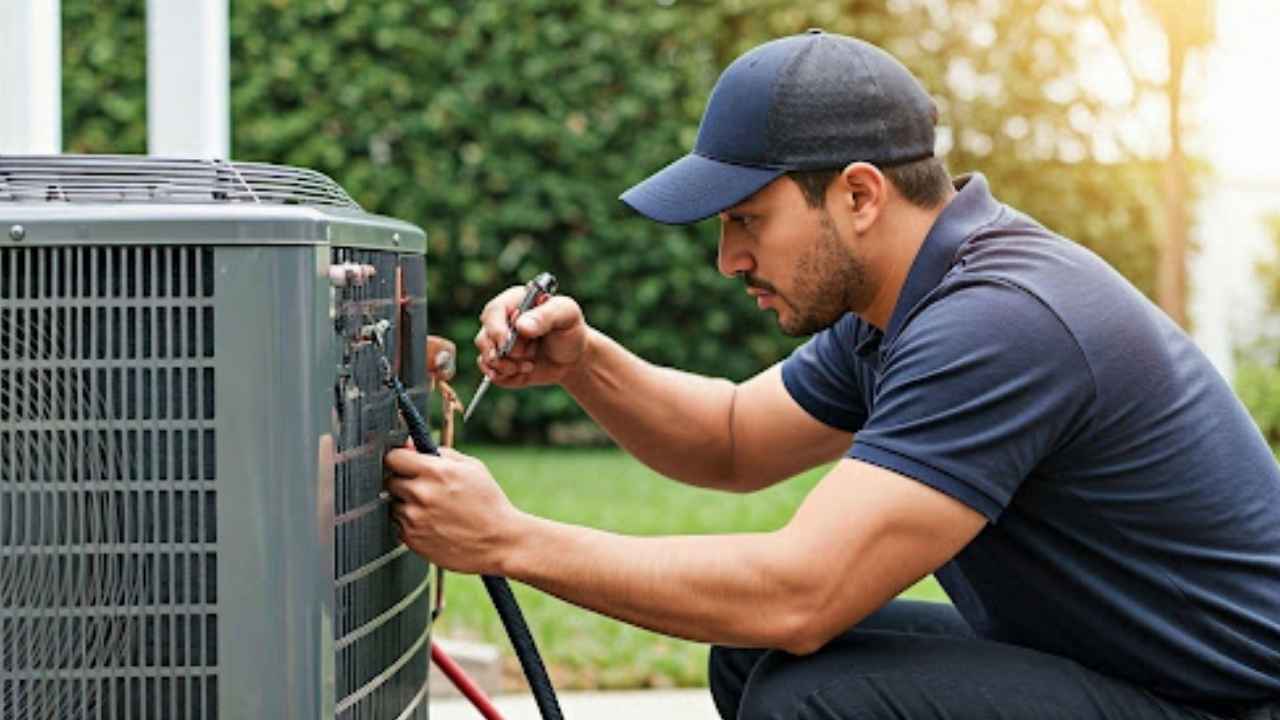
What is HVAC-R? HVAC-R stands for heating, ventilation, air conditioning, and refrigeration. HVAC-R technicians install, maintain, inspect, and troubleshoot systems that regulate indoor temperature, air circulation, and refrigeration.
Daily responsibilities vary based on the employer, the work setting, and your level of experience. According to the US Bureau of Labor Statistics, technicians may carry out the following duties as part of their work:
- Inspecting HVAC-R equipment and components
- Diagnosing mechanical and electrical issues
- Performing preventive maintenance
- Installing new heating and cooling systems
- Testing system performance and operation
- Maintaining service records and documentation
- Following safety procedures and industry standards
The variety of equipment and work environments can make HVAC-R a good fit for people who like work where every day is different. As technicians gain experience, they may work with increasingly complex systems and specialized equipment. That variety can keep the work from feeling repetitive, but it also means technicians need to keep building their skills over time.
Steps to Begin HVAC-R Training
Many people prepare for an HVAC-R career by enrolling in a formal training program. Structured education can introduce you to the technical knowledge and practical skills that are common in the field. It can also provide you with opportunities to work with industry-standard equipment.
Programs may cover topics such as electrical systems, refrigeration principles, and heating and air conditioning systems. You might also study system diagnostics, safety procedures, and troubleshooting techniques. You’ll learn how different components work together within residential and commercial HVAC-R systems.
HVAC-R technician training programs can offer a combination of classroom instruction and hands-on learning. This approach helps you get familiar with the tools, equipment, and procedures you may encounter in the workplace.
Many training programs also emphasize practical skill development through the following activities:
- Reading technical diagrams and schematics
- Performing system inspections
- Using diagnostic equipment
- Identifying common system issues
- Practicing installation and maintenance procedures
- Following workplace safety standards
Research curriculum details, scheduling options, and training environments before deciding on a program. Also, HVAC-R work can be physical, so it helps to know what the job may involve before you enroll. Technicians may spend long periods standing, carrying tools, or working in warm, cramped, or elevated spaces. They may also travel between job sites throughout the day.
A training program won’t automatically get you a job, but it can help you learn the basics and practice the skills used in HVAC-R work. Repeated practice matters because HVAC-R tasks often involve several steps that must occur in the right order. The more students work with tools, diagrams, and measurements, the more familiar those steps can become.
Understand HVAC-R Certification Requirements in California
After completing a training program, some aspiring technicians look into certifications. Certification requirements vary based on job responsibilities, employer expectations, and the type of equipment a technician services.
One of the most widely recognized credentials in the industry is the Environmental Protection Agency (EPA) Section 608 Certification. Technicians who work with regulated refrigerants must hold the appropriate EPA certification before handling those substances.
Students researching HVAC-R certification in California may also encounter voluntary industry certifications. Employers don’t always require these credentials. However, some technicians choose to pursue additional certifications as they gain experience in the field.
When evaluating certification opportunities, consider the following factors:
- Certification requirements and eligibility
- Areas of specialization
- Examination content
- Continuing education expectations
- Employer preferences within their region
Certification requirements and employer expectations can change over time. Because of that, it’s best to review the current certification information from the issuing organizations before pursuing a credential.
Learn Where HVAC-R Technicians Work
One aspect that attracts many people to HVAC-R is the variety of environments where technicians can apply their skills. Heating, cooling, ventilation, and refrigeration systems support countless industries. Many technicians work in residential environments, where they install, inspect, maintain, and troubleshoot equipment used in homes. Residential systems often include air conditioners, furnaces, heat pumps, and ventilation equipment.
Others focus on commercial systems. You’ll find those in office buildings, retail stores, restaurants, hotels, and other business properties. Commercial equipment can vary significantly in size and complexity. It often requires technicians to work with larger systems that serve multiple occupants and spaces.
HVAC-R technicians work in the following environments:
- Schools and educational facilities
- Healthcare facilities
- Manufacturing plants
- Warehouses and distribution centers
- Government buildings
- Hospitality and lodging properties
HVAC-R-related work can involve installing equipment, performing maintenance, and diagnosing problems. It’s all about maintaining system performance across a wide range of industries. Because many facilities rely on climate control and refrigeration systems, technicians often encounter a variety of equipment and challenges throughout their careers. That diversity can help HVAC-R technicians choose the type of work they enjoy most.
In California, coastal areas typically have different heating and cooling needs than inland communities that experience long, hot summers. Homes, schools, healthcare facilities, and businesses often depend on climate control to keep indoor spaces comfortable and equipment running properly. Refrigeration systems also play an important role in restaurants, grocery stores, and food distribution settings across the state.
Start Your HVAC-R Path
HVAC-R can be a good fit for people who want hands-on work and enjoy solving technical problems. If that sounds like you, compare programs carefully and review all certification requirements. Look for training that includes hands-on practice. The more you understand about HVAC-R training, the easier it will be to choose a program that’s right for you.