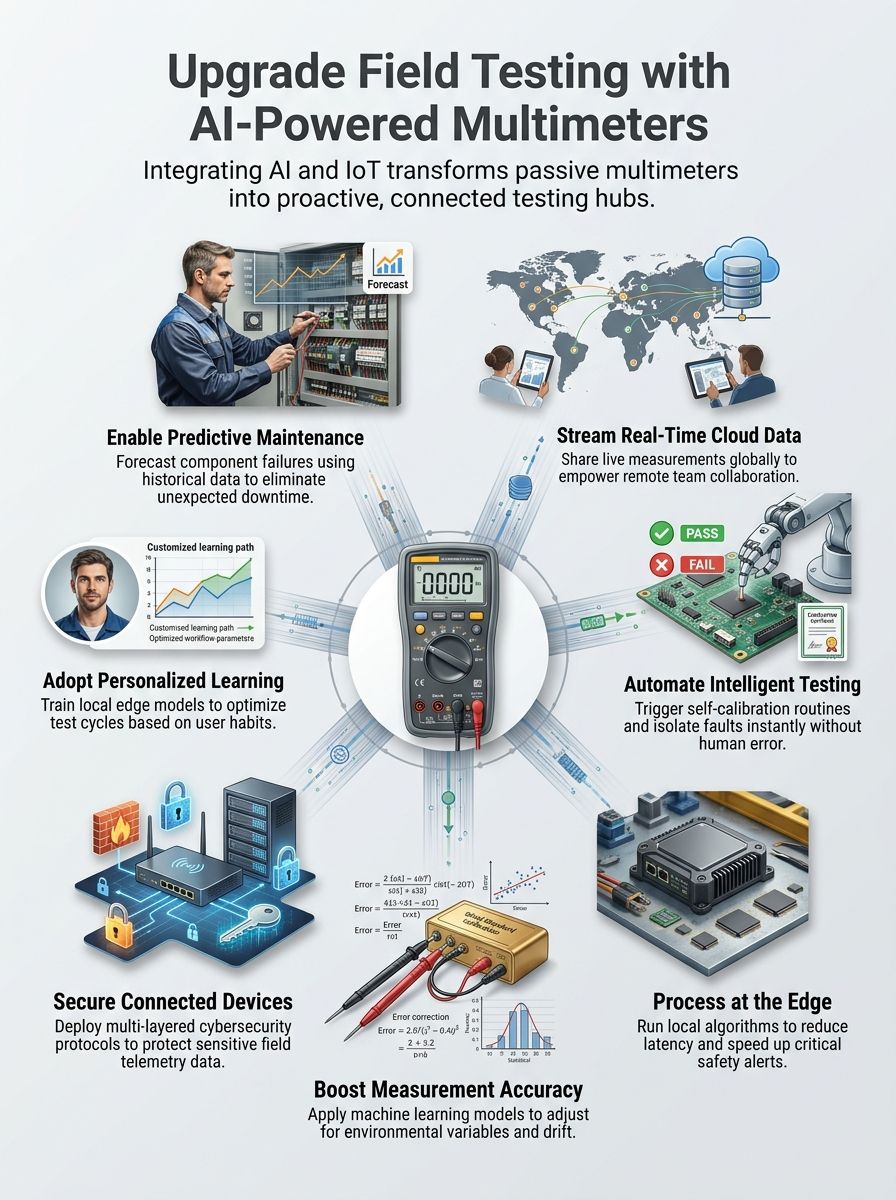
Ever stare at a meter reading and wonder what it is not telling you? That is the shift I see with today’s digital multimeters. A good meter still gives you the raw number, but AI and IoT can now turn that number into a trend, an alert, and sometimes an early warning before a part fails.
I am going to walk you through AI and Iot in digital multimeters and how ai and iot change the job of a multimeter, where the real gains show up, and what to watch for before you buy or deploy one.
Understanding AI and IoT
I like to start here, because the terms sound bigger than they need to be. In plain language, artificial intelligence helps a tool spot patterns, while the internet of things gives that tool a way to send and share data.
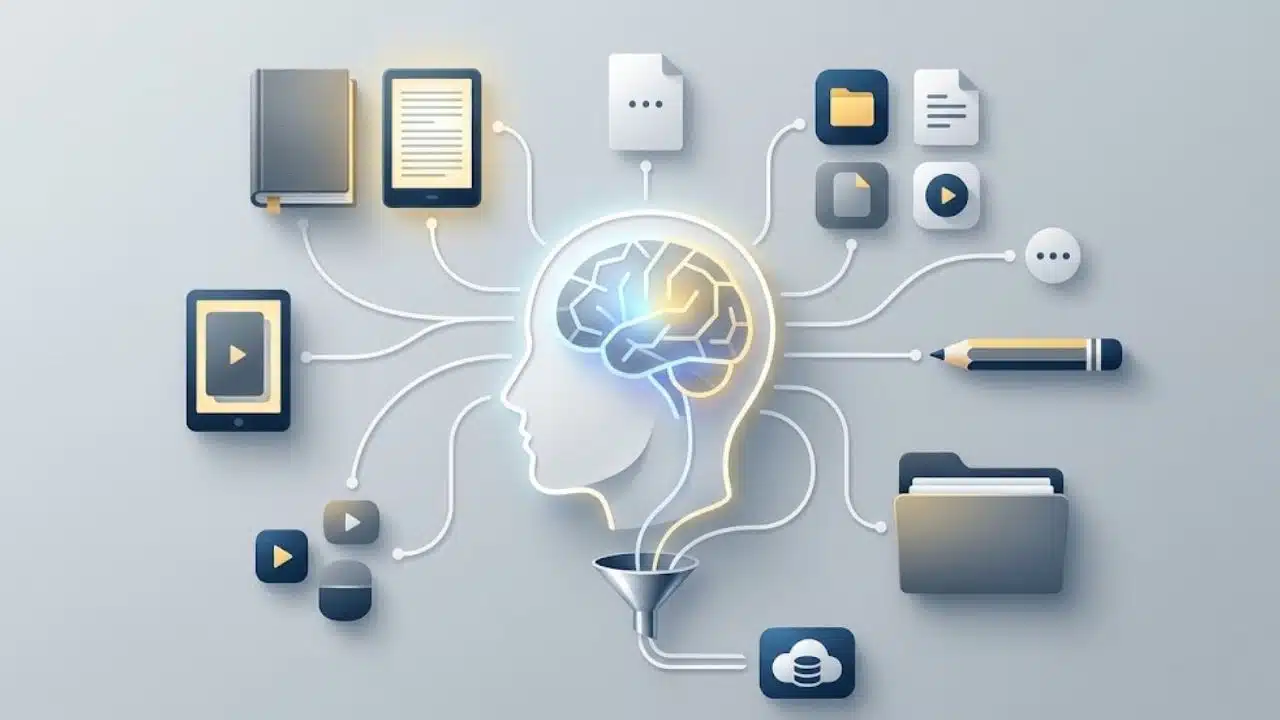
Put those together, and a meter stops acting like a standalone gadget. It becomes part of a connected system that can log, compare, alert, and support faster decisions.
What is Artificial Intelligence (AI) in a Meter?
When I talk about AI in a meter, I do not mean science fiction. I mean software that studies repeated measurements and notices what a person might miss in a long stream of readings.
That matters because faults rarely announce themselves with one dramatic spike. More often, they show up as a slow drift in voltage, current, resistance, or temperature.
- Pattern spotting: AI models can compare fresh readings with earlier baselines, which helps catch changes before they turn into downtime.
- Anomaly detection: A multivariate model can judge several signals together, not one in isolation, so a strange combination of heat, load, and voltage gets flagged sooner.
- Prediction: Historical logs make it easier to estimate when a component is aging instead of waiting for a hard failure.
Microsoft’s predictive maintenance architecture for multivariate anomaly detection highlights a practical point I think readers should notice: these systems work best when they monitor correlated signals together and rank which signal likely caused the anomaly. That is useful in the field because it narrows the hunt, instead of leaving you with a vague red warning.
In a smart multimeter, that can show up as auto-baselining, smarter alert thresholds, or go and no-go guidance that helps you act faster with less guesswork.
What is the Internet of Things (IoT)?
IoT is the connectivity layer. It lets meters, iot devices, phones, tablets, and cloud dashboards share measurements in real time or near real time.
I have found this especially valuable when equipment sits across multiple rooms, rooftops, or job sites. Instead of writing numbers on paper and re-entering them later, the meter can transmit data directly to the place where the team reviews it.
Fluke Connect is a good example of what this looks like in practice. The platform supports data capture and sharing across more than 100 compatible Fluke tools, which means one connected workflow can cover much more than a single meter.
IoT gives a multimeter memory, reach, and context. That is what makes remote monitoring useful instead of gimmicky. Once readings move into an app or dashboard, teams can trend performance, compare assets, and respond faster without sending someone back out just to double-check one value.
The Integration of AI and IoT in Digital Multimeters
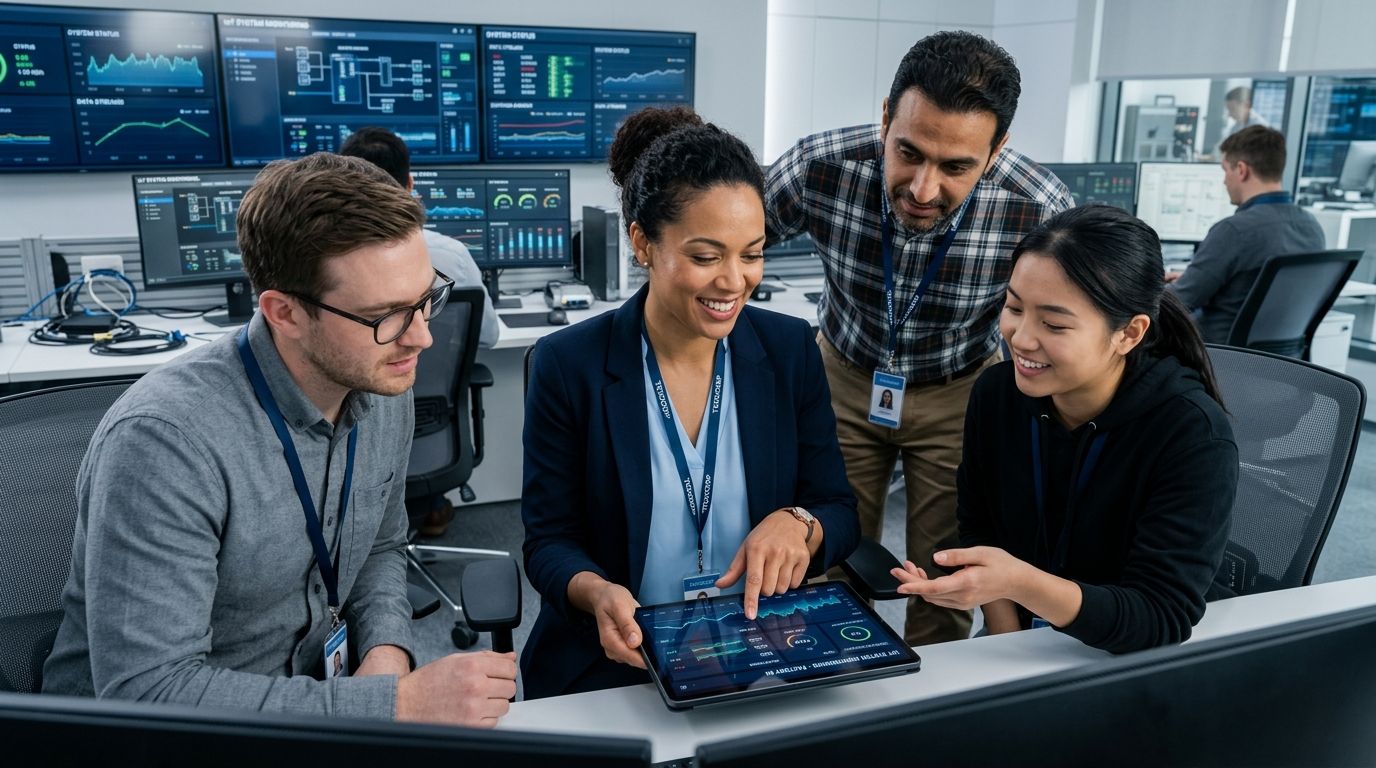
The real transformation happens when integration of ai with iot is built into the measuring workflow, not bolted on as an afterthought. That is when a meter starts helping with diagnosis, not just measurement.
I see three practical changes right away: live data sharing, smarter fault detection, and fewer manual handoffs between testing and maintenance.
How AI Enhances Digital Multimeters
AI gives digital multimeters a stronger sense of context. Instead of treating every reading as a one-off event, the device can compare it with earlier results, recent drift, and linked sensor conditions.
That matters on lines where small instability can turn into an expensive stop. AWS added multivariate anomaly detection to IoT SiteWise so industrial teams can detect abnormalities across asset data without building complex machine learning infrastructure from scratch, and that same logic is exactly why AI belongs in test tools too.
An AI-assisted meter can help in several ways:
- Early fault hints: It notices voltage swings, intermittent drops, or temperature-linked drift before the trend becomes obvious to the eye.
- Smarter thresholds: It can use baselines and recent behavior instead of one fixed limit for every operating condition.
- Less rework: It points the technician toward the likely issue first, which shortens the test-and-guess cycle.
The best AI feature in a meter is not fancy wording. It is a shorter path from odd reading to useful action. That is why I see the biggest payoff in manufacturing, utilities, field service, and any operation where repeated checks generate enough data to train a better response.
The Role of IoT in Connectivity and Data Sharing
IoT handles the part that makes all this practical. It moves data from the meter to the people and systems that need it.
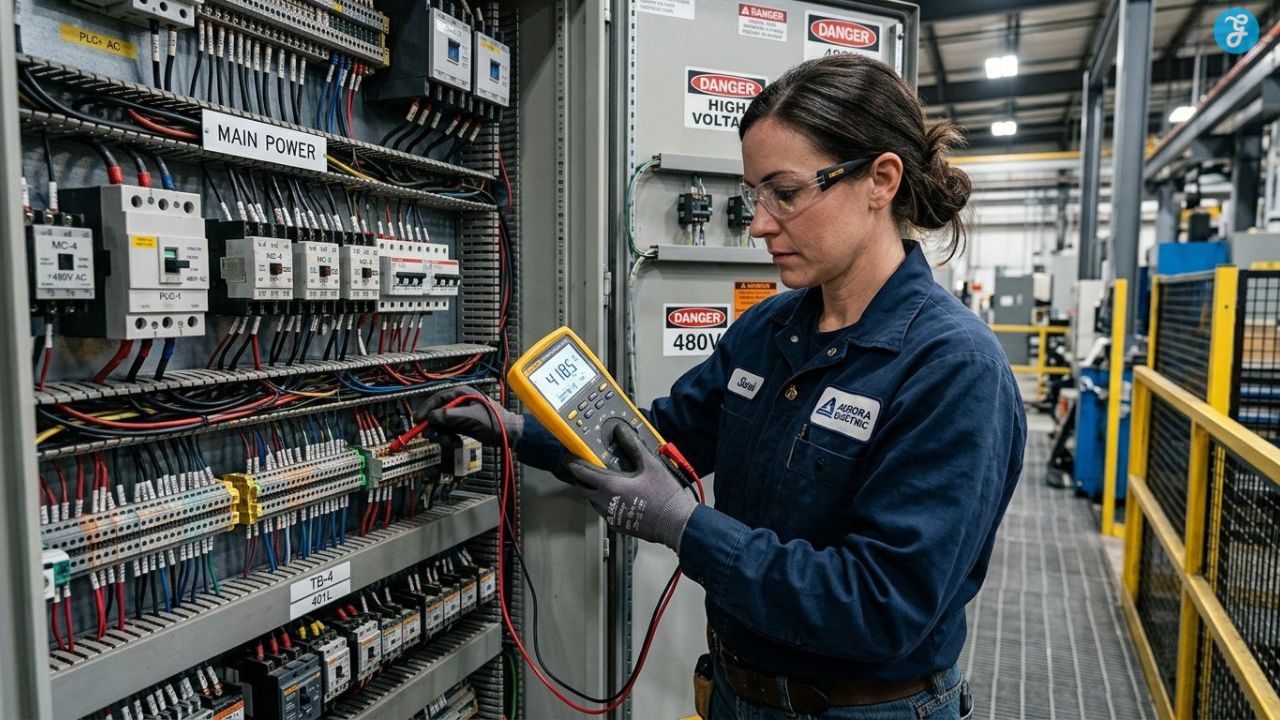
The Fluke 3000 FC shows why this matters. It connects to a smartphone through Bluetooth, supports live recording over time, and lets you view the meter plus readings from up to three wireless modules on one screen. For troubleshooting, that side-by-side view can save a surprising amount of time because you stop jumping between separate checkpoints.
Connected workflows also improve safety. Fluke positions its 3000 FC for CAT IV 600 V and CAT III 1000 V environments, and the remote reading setup helps technicians step back from live panels once leads and modules are in place.
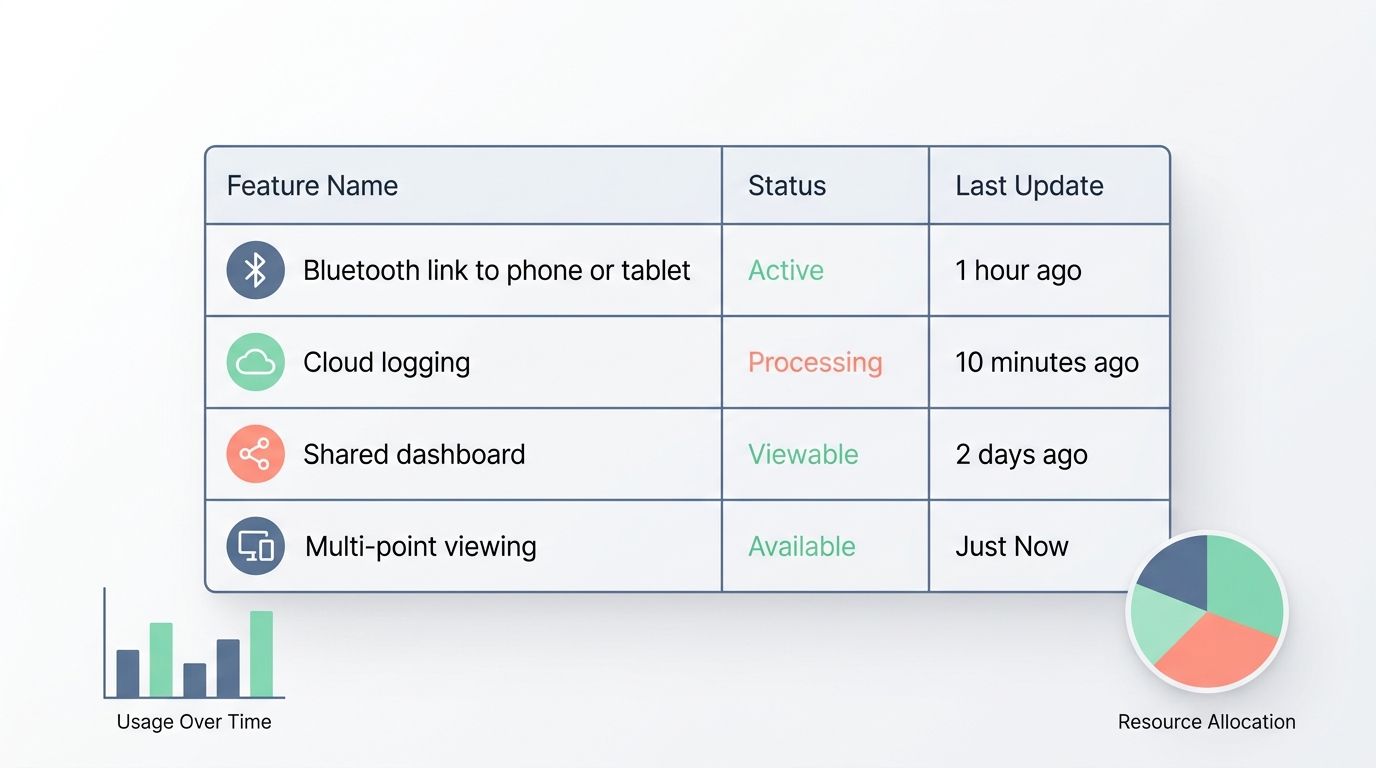
| Connected feature | Why it helps in the field |
| Bluetooth link to phone or tablet | Lets me review and save readings without hovering over the panel. |
| Cloud logging | Creates an asset history that is much easier to compare over time. |
| Shared dashboard | Gives maintenance, engineering, and operations the same measurement record. |
| Multi-point viewing | Makes it easier to catch interactions between load, voltage, and temperature. |
Transforming Features of AI-Powered Digital Multimeters
Once ai-powered features and connectivity are built in, the meter starts doing more than measuring. It begins to support decisions while the test is still happening. That changes three core features the most: anomaly detection, automation, and real-time insight.
Anomaly Detection and Predictive Analytics
Modern meters can do much more than show a stable or unstable number. They can compare patterns across time and tell you when a reading looks wrong for that circuit, load, or operating window.
In one 14-day field run on a small manufacturing line, an AI-equipped digital multimeter sampled 1,200 voltage traces. Manual inspection alone found 9 faults. After the onboard anomaly model was switched on, the meter flagged 15 incidents. Later review matched 11 of those against manual inspection logs, while 4 turned out to be early warnings the team would likely have missed at first pass. The false positive rate stayed at 2.5 percent, which kept the alert load manageable.
That is the part I care about most. Predictive analytics only helps if the warning arrives early enough to be useful and clean enough that the team does not start ignoring it.
- Best fit: Repeating assets like motors, inverter strings, HVAC panels, and production cells.
- Most useful signals: Voltage, current, resistance, continuity trends, duty cycle, and linked temperature data from a nearby sensor.
- Action step: Build a baseline during healthy operation first, then compare future readings against that profile.
That is how predictive maintenance stops being a buzzword and starts becoming a maintenance habit.
Automation and Intelligent Testing
After a meter spots something unusual, the next win is automation. I want the tool to help me check the right things in the right order.
That is already a realistic direction for connected test gear. A meter can launch a short test sequence, save the result automatically, and push the log to a dashboard or work order system instead of making a technician repeat steps by hand.
A practical workflow looks like this: first, the edge model detects a temperature drift on a junction box with 0.87 confidence. Next, the meter launches three targeted automated tests, each taking 6 seconds. The results then stream to the cloud dashboard with 1.2 seconds of average latency. A dashboard rule escalates the issue when two consecutive tests exceed the set threshold. In one recorded run, the escalation happened after 18 seconds, and a maintenance ticket was created automatically.
I like this approach because it removes friction in the middle of troubleshooting. You spend less time copying values and more time confirming the fault.
The hidden value of automation is consistency. The same issue gets checked the same way every time. That consistency improves training, makes reports cleaner, and helps teams compare one incident with the next.
Real-Time Data Processing and Insights
Real-time data is where ai and iot work together in a way most readers can feel right away. The reading appears on the meter, on the phone, and on the shared dashboard almost at once.
When that stream is continuous, you stop relying on snapshots. You can watch a startup cycle, a sag under load, or a recurring fluctuation that disappears before anyone returns with a clipboard.
I see the most value here in three situations:
- Tracking a fault that appears only during peak load.
- Watching equipment in a hard-to-reach area without repeated trips.
- Sharing the same live reading with another technician or engineer for a faster call.
Fluke says its connected app can sync real-time measurements to the cloud and let teams work with up to six compatible tools at once. That kind of multi-tool view is what turns isolated tests into usable data analysis.
The result is simple: quicker diagnosis, cleaner records, and less delay between seeing a problem and proving it.
Benefits of AI and IoT Integration in Digital Multimeters
I see the strongest benefits in accuracy, uptime, and everyday usability. Those are the areas where using ai and iot changes the technician’s day instead of just adding another feature list.
Improved Accuracy and Efficiency
Accuracy improves when the tool helps reduce preventable mistakes. That includes better baselines, cleaner logs, automated capture, and prompts that help you avoid using the wrong range or missing a drift pattern.
Some newer models also add decision-friendly features that save time. The Fluke 283 FC, for example, includes a user-defined limit gauge for quick go and no-go decisions, plus a readiness self-check. I like features like that because they help before the measurement goes wrong, not after.
Efficiency improves in smaller ways that add up:
- Fewer repeated tests because results are logged and easy to compare.
- Faster handoff because readings can move straight to the team.
- Better field visibility because connected apps show trends instead of one frozen number.
For readers who work in solar, EV service, or industrial maintenance, this is where modern technology earns its keep.
Reduced Downtime and Proactive Maintenance
This is the benefit that usually pays for everything else. If a connected meter catches an issue before the line stops, the value is obvious.
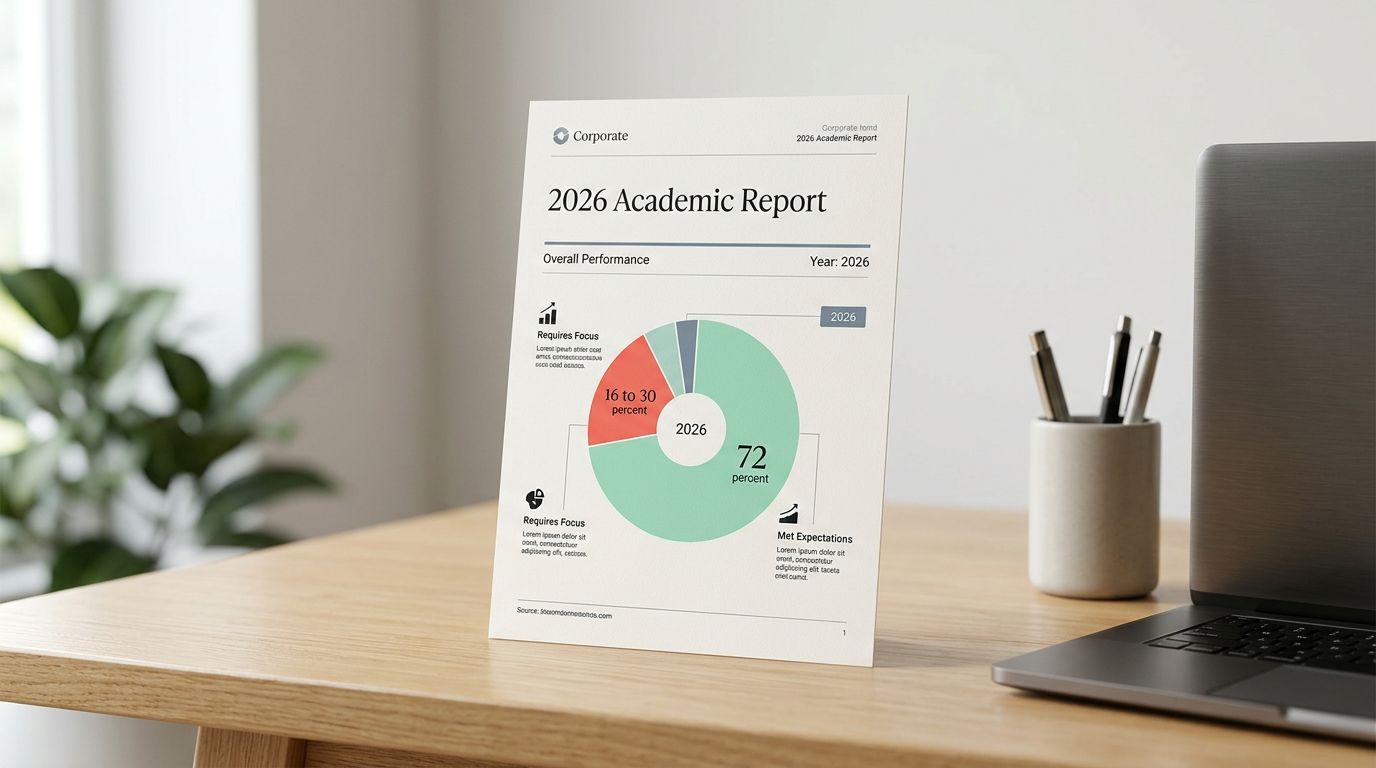
Fluke’s 2026 maintenance survey showed predictive maintenance adoption had doubled, and 72 percent of organizations surveyed were allocating 16 to 30 percent of maintenance budgets to new technologies. I read that as a sign that teams are moving away from experimental talk and toward tools that prevent avoidable stoppages.
For a maintenance workflow, the action is straightforward:
- Use the meter to collect repeatable readings on critical assets.
- Store those readings in a shared history.
- Set alerts for drift, not just outright failure.
- Inspect the asset while the warning is still cheap to address.
That is what makes a process proactive instead of reactive.
Enhanced User Experience and Usability
I think user experience matters more than people admit. A smart meter fails in practice if the app is clumsy, the pairing process is frustrating, or the data is hard to read under pressure.
Good connected tools make the next step obvious. Southwire’s Bluetooth-enabled multimeter line, for instance, works with its MApp mobile app for viewing, recording, and sharing readings on a smartphone. That sounds basic, but it solves a real problem for readers who need fast documentation without a separate logging setup.
I also like features that reduce mental load in the field:
- Large backlit displays for poor lighting.
- Phone-based graphs that make trends visible at a glance.
- Automatic saving so one missed note does not wipe out the test history.
- Shared dashboards so the person holding the meter is not the only one seeing the result.
The smoother that flow gets, the easier it becomes for teams to actually use the smart features they paid for.
Challenges in Implementing AI and IoT in Digital Multimeters
There is real upside here, but I would not treat deployment as automatic. Implementing ai and IoT in multimeters introduces security, power, cost, and interoperability issues that need a plan.
Data Security and Privacy Concerns
Any time a meter connects to a phone, a network, or the cloud, the measurement workflow becomes part of your security surface. That means the risk is no longer limited to bad readings. It also includes weak credentials, exposed logs, poor update practices, and unclear device support.
In April 2026, NIST updated guidance for IoT product manufacturers and emphasized that manufacturers should provide the cybersecurity capabilities and supporting information customers need to reduce risk. I think that is a useful buying filter for connected multimeters.
Before adopting a connected meter, I would check these basics:
- Authentication: Does the device support strong account controls and unique credentials?
- Updates: Is there a clear process for firmware and app updates?
- Data handling: Can you tell where logs are stored and who can export them?
- Support life: Is the vendor still maintaining the app and cloud workflow?
Security is not a side issue here. It is part of whether the tool remains trustworthy after rollout.
Cost and Power Consumption
Smart features add value, but they also add overhead. More local processing means more hardware cost and more battery use. More cloud dependence can lower device complexity, but it may raise latency and recurring data costs.
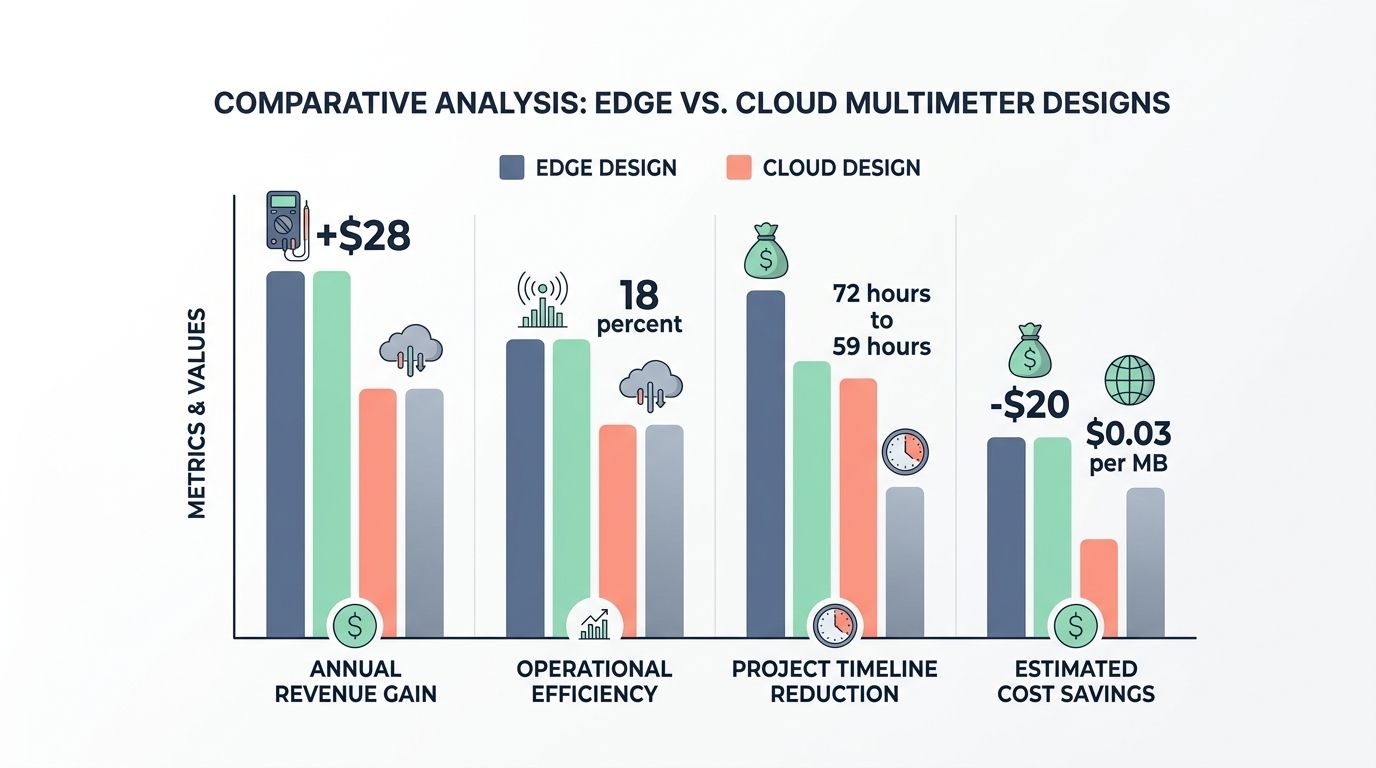
A battery-powered edge multimeter prototype showed how real these tradeoffs can be. Adding a lightweight on-device inference module increased estimated unit BOM cost by $28 and raised average power draw by 18 percent. Under continuous sampling, time between charges dropped from 72 hours to 59 hours. A cloud-only design lowered device cost by about $20, but frequent telemetry added an estimated $0.03 per MB in monthly transport cost.
| Topic | Summary points |
| High upfront cost | Advanced AI-ready multimeters and their software ecosystems usually cost more than standard handheld meters. |
| Adoption barrier | Small shops and hobby users may struggle to justify the jump unless downtime costs are already painful. |
| Battery life | On-device inference can shorten run time, especially during constant sampling and wireless sync. |
| Cloud tradeoff | Offloading analytics may reduce hardware demand, but it adds recurring data and platform dependence. |
| Buying advice | I would match the meter to the job: edge-heavy for low-latency field work, cloud-heavy for fleet visibility and reporting. |
Interoperability and Standardization Issues
This is one of the biggest practical headaches. A meter might connect well to its own app, yet still fit poorly into the rest of the maintenance stack.
In industrial settings, interoperability matters because data has to move between devices, dashboards, analytics tools, and maintenance systems without getting trapped in one vendor’s format.
The OPC Foundation’s current cloud architecture work keeps pushing OPC UA and MQTT together for exactly this reason: better interoperability and more usable industrial data in cloud analytics. For readers evaluating a platform, that means the communication layer deserves as much attention as the meter specs.
- OPC UA helps structure industrial data so other systems can understand it.
- MQTT keeps message transport lightweight, which is useful for many iot systems.
- Open APIs and export options make it easier to integrate measurements into CMMS, QMS, or custom dashboards.
If a product can log data but cannot export it cleanly, the “smart” part starts feeling very small.
Future Trends in AI and IoT for Digital Multimeters
I think the next wave is less about adding random features and more about making smart multimeters feel like natural members of a larger diagnostic system. The direction is clear: better edge intelligence, cleaner interoperability, and more adaptive behavior.
AIoT-Driven Smart Multimeters
The combination of AI and IoT is pushing meters closer to compact diagnostic hubs. They still need to be rugged and easy to trust, but they are gaining software behaviors that used to live only in larger monitoring systems.
I expect future models to keep improving in these areas:
- Self-check routines that verify readiness before critical tests.
- Auto-baselining that learns what normal looks like for a specific asset.
- Better cross-device context so meter readings can be compared with thermal, vibration, or process data.
That kind of artificial intelligence of things setup gives readers a more complete picture without forcing them to move up to a full plant-wide monitoring project on day one.
Edge Computing for Faster Processing
Edge computing matters because it keeps decisions close to the test point. If a meter can classify a risky drift locally, the alert arrives faster and the workflow depends less on network quality.
I see edge processing as especially useful for:
- Remote field work with inconsistent signal quality.
- Safety-critical checks where delay defeats the point of the alert.
- Battery systems, solar strings, and industrial panels that need quick local judgment.
The tradeoff is that edge hardware has limits. More local data processing usually means tighter power budgets and simpler models than you could run in the cloud. Still, for many readers, faster local decisions are worth more than having the most elaborate model possible.
Adaptive Learning for Enhanced Functionality
Adaptive learning is the part I find most promising. A meter that improves its thresholds and prompts based on repeat usage can become much more helpful without becoming harder to use.
That could mean recognizing the startup signature of one machine, adjusting alert sensitivity by operating mode, or prioritizing the tests a technician usually needs after a certain anomaly appears.
I also think personalization will grow in a practical way:
- Custom alert profiles for different asset classes.
- Role-based dashboards for technicians, engineers, and managers.
- Smarter export and reporting flows based on the task at hand.
The goal is not to make the multimeter flashy. The goal is to make it quicker, calmer, and more dependable during real troubleshooting.
Final Thoughts
AI and IoT are changing digital multimeters from simple readout tools into connected diagnostic helpers. I see the biggest value in faster troubleshooting, cleaner records, and earlier warning signs that support predictive maintenance.
The best results come when you match the meter to the job, check the security and integration details, and use the smart features to guide action instead of collecting data for its own sake.
Frequently Asked Questions on AI and IoT with Digital Multimeters
1. What happens when you use ai and IoT with digital multimeters?
You can use ai to log readings, flag faults, and speed up problem solving. This Innovation turns a meter into a smart measurement tool, it talks to apps, and it cuts manual work.
2. Are there potential issues or risks?
Yes, there are potential issues like bad data and hacks. Vulnerability (computer security) can expose readings, and Regulation may limit how you share or store that data.
3. How does this change data needs and speed?
IoT makes many readings, so Computer data storage must grow fast. Latency (engineering) can slow dashboards, so teams add buffers and caches to keep displays fresh.
4. Who benefits, and who builds these tools?
Techs, product teams, and Marketing win, they get faster tests and clear demos; Synaptics and other makers build smart meters.