

We’ve all spent nights staring intently into the bathroom mirror, monitoring the slow march of fine lines, or wishing away the stubborn, pitted reminders of past acne breakouts. Skincare is all about promises of a miracle in a bottle. We buy the heavy creams, we apply the viral serums, and we wait for months only to find out that topical products have a strict boundary line. They do a great job of hydrating the surface but they just cannot rebuild the deep structural layers of your tissue.
If you are serious about transforming your skin texture and erasing deep-seated imperfections, you have to look beyond the vanity counter. It is this quest for real, visible change that so often drives people to medical aesthetics, and to the co2 laser, the undisputed heavyweight champion of skin resurfacing.
But the world of laser treatments can be a bit scary. There are dramatic before and after photos all over the internet but there are also scary stories of extreme redness and peeling. You deserve a straightforward, no-fluff look at this technology. Let’s pull back the curtain and discuss the ugly truth of what this treatment really does to your skin, how it works under the hood, and what the recovery process really asks of you.
The Core Mechanics: The Laser Technology Explained
To understand why this procedure works so well, we have to remove the clinical jargon and look at the fundamental physics of light interaction with human tissue. The carbon dioxide laser is an ablative laser system, so it deliberately destroys layers of skin to produce a vigorous healing response.
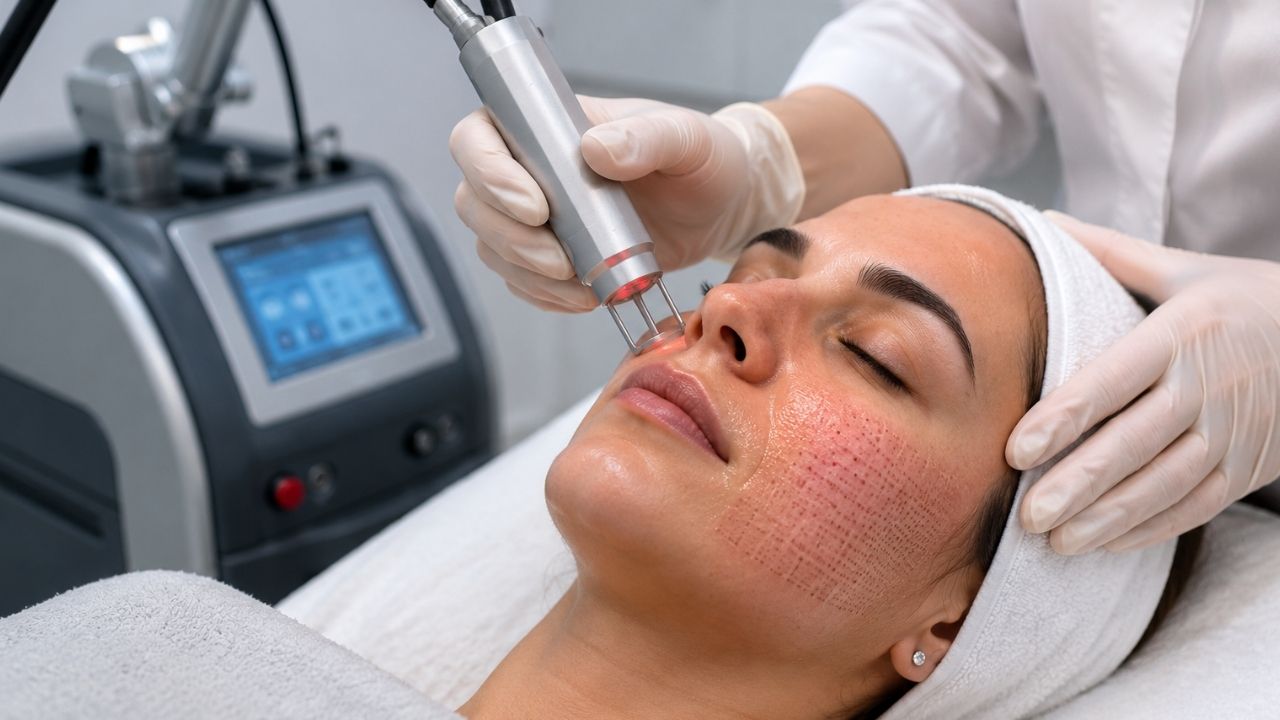
The device works by providing a very specific wavelength of light that is highly targeted for water molecules inside of your skin cells. Because our skin cells are mostly water, they absorb this light energy the moment it hits. When the laser fires, it vaporizes the cells that it is targeting in a split second. The process removes the dull and damaged outer layers of skin and sends a wave of therapeutic heat down into the deeper layer of skin known as the dermis at the same time.
The Growing Popularity of Fractional Delivery
Years ago, going for a laser resurfacing treatment meant a fully ablative procedure. The machine would vaporize 100 percent of the skin on the entire treatment area. The results were undeniable, but the recovery was brutal, often with weeks of raw, oozing skin and higher chances of pigment changes.
Fractional technology revolutionized the aesthetics of today. A fractional laser breaks up the light beam into thousands of tiny, pixel-like columns instead of ablating the entire surface of your face.
As the machine moves over the skin it causes small patches of thermal destruction without affecting the surrounding tissue at all. These hardy, untreated “bridges” of skin act as emergency response centers, rushing to heal the microscopic wounds at an accelerated pace. You get the full benefits of a traditional laser for deep collagen remodeling, with a fraction of the downtime.
Why It Works Where Over-the-Counter Skincare Doesn’t
The main reason why topical creams can’t fix deep wrinkles or severe acne scars is all about depth. Your skin is a great shield. It’s made to keep things out. Even the most advanced molecules in a luxury serum will have a hard time getting past the epidermis to the real root of structural damage.
Restructuring the Tough Scar Tissue
Acne scars that are pitted, such as rolling or boxcar scars, are structural changes, not just surface discolorations. When a deep blemish heals badly, it leaves behind stiff, fibrous bands of scar tissue that pull the surface skin down, creating a depression.
The heat energy from the laser penetrates far enough to physically break apart these stubborn, tethered bands. As the old tissue degrades, the intense heat creates a huge burst of growth factors. In the months that follow, your body fills those empty micro-channels with new, orderly collagen fibers, lifting the floor of the scar until it is level with the rest of your face.
Reconstruct Tight Skin Framework
The reason we get wrinkles is that our internal production of collagen and elastin declines significantly as the years go by. This support matrix is what gives the skin its bounce, and without it, the skin starts to crease.
The heat from the laser offers a double benefit for aging skin:
- Immediate Contraction: The laser heat penetrates the deep collagen fibers in your dermis causing them to immediately contract; this results in a visible tightening soon after the treatment.
- Long-Term Neo-Collagenesis: The micro-injuries serve as a wake-up call to your fibroblasts, your collagen manufacturing cells. Over the next 3 to 6 months, your body is busy creating a thick new web of collagen, filling in deep lines from the inside out.
Does This Treatment Fit with Your Goals?
When you invest in an advanced skin treatment, you need to consider your lifestyle, your budget, and the amount of time you can realistically afford to be away from public view. This laser delivers unmatched results for severe structural damage, but it’s important to understand where it stands in relation to more mild clinical alternatives.
To help you better understand your options, here’s how fractional carbon dioxide resurfacing compares with other popular skin-remodeling treatments:
| Treatment Type | Primary Mechanism | Best Suited For | Expected Downtime & Sessions |
| Fractional CO2 Laser | Deep ablative micro-beams of carbon dioxide light energy. | Deep-set wrinkles, pitted structural acne scars, and severe texture damage. | 5 to 7 days of strict downtime. Unmatched results achieved in just 1 session. |
| RF Microneedling | Physical insulated needles combined with radiofrequency heat. | Mild to moderate skin laxity, fine surface lines, and early structural aging. | 2 to 3 days of mild recovery. Safe for all skin tones, but requires a series of 3+ sessions. |
| Erbium Laser Resurfacing | Superficial ablative laser energy with high water affinity. | Fine lines, surface sun spots, and early signs of environmental aging. | 3 to 5 days of rapid healing. Lacks the heavy-duty power to smooth out deep scarring. |
What the Actual Treatment Experience Is Like
It’s normal to feel nervous before your first laser treatment. That fear can be walked through step by step and replaced by confidence with the actual reality of the appointment.
In the Treatment Room
Your appointment will begin with a thorough cleansing of your skin and application of a medical-grade topical numbing cream. You will then sit comfortably for 45 to 60 minutes to allow the numbing agent to completely dull your pain receptors.
Once your skin is completely numbed, the practitioner will place protective goggles over your eyes. You will hear a clicking sound as the laser handpiece glides across your skin. Most people describe it as a series of hot, sharp snaps, like a warm rubber band flicking at the face. The numbing cream and built-in cooling systems that blow cold air across your skin keep the pain totally manageable. An active laser treatment usually takes less than 30 minutes.
The Reality of Daily Recovery
Your skin will feel very hot and will look bright red after treatment, similar to a bad sunburn. Your provider will immediately apply a thick, occlusive ointment to seal in moisture and protect the exposed tissue.
You will be very swollen and red for the first 48 hours and your skin will probably ooze clear fluid. This is a perfectly normal sign that your body’s healing cascade is kicking into high gear. By day four or five the redness turns to a rough, brownish bronze, and the old skin comes off fast. If you pick or peel these flakes off, you could end up with permanent hyperpigmentation or scarring so please, under no circumstances, do this until they’re ready. By the seventh day the peeling slows down and a new layer of fresh pink and surprisingly smooth skin appears underneath.
Why Clinical Expertise Matters
The carbon dioxide laser is a very powerful medical instrument. Your treatment’s safety and success depends entirely on the hands that are operating the machine. This is not your normal spa facial; it takes an expert knowledge of the anatomy of the skin, laser physics, and tissue reaction.
An inexperienced operator using incorrect settings can lead to serious complications, including burns, permanent changes in skin color, or prolonged erythema (redness). When you are looking for providers, look for clinics that have a long history of medical precision and customized care. The Bio Aesthetic Laser Clinic, among other reputable institutions, emphasizes the importance of comprehensive consultations to ensure safety, where the laser’s depth, density, and energy levels are customized to your individual skin type and specific aesthetic objectives.
Always ask to see before and after photos of past clients with a similar skin tone to yours, and make sure your provider gives you clear, detailed instructions on pre-care and post-care before booking your appointment.
Welcome a New Beginning for Your Skin
Deep acne scars or advanced wrinkles can take a toll on your self-image, especially when you have tried countless creams that promised the world and delivered very little. Less aggressive facials, light peels, and daily skin-care regimens are ideal for maintaining healthy skin, but they lack the physical strength to rebuild damaged skin architecture.
When you opt for carbon dioxide laser treatment, you’re choosing to replace quick fixes that only go skin deep with real, long-lasting, structural change. It means you have to take off a week and stay in to heal and put protective ointment on diligently. But when that old, damaged skin is done peeling off, the payoff is undeniable, a reduction in scar depth, a flattening of stubborn wrinkles, and a radiant, smooth complexion that lets you look in the mirror and love the skin you see.
























