Scroll any short-form feed long enough and you’ll notice a pattern: the videos that stick often feel owned by someone. Not because they’re technically perfect, but because they carry a consistent character vibe—an avatar, a persona, a recurring look, a familiar face-in-scene rhythm.
That’s the backdrop for “character editing,” a newer kind of AI-assisted workflow where creators treat style and identity as layers they can shape, rather than a single filter slapped on top. GoEnhance AI is an online creative platform that helps users transform images and videos with AI-powered workflows—think stylization, animation-style conversion, face effects, and other visual edits—without building a full production pipeline.
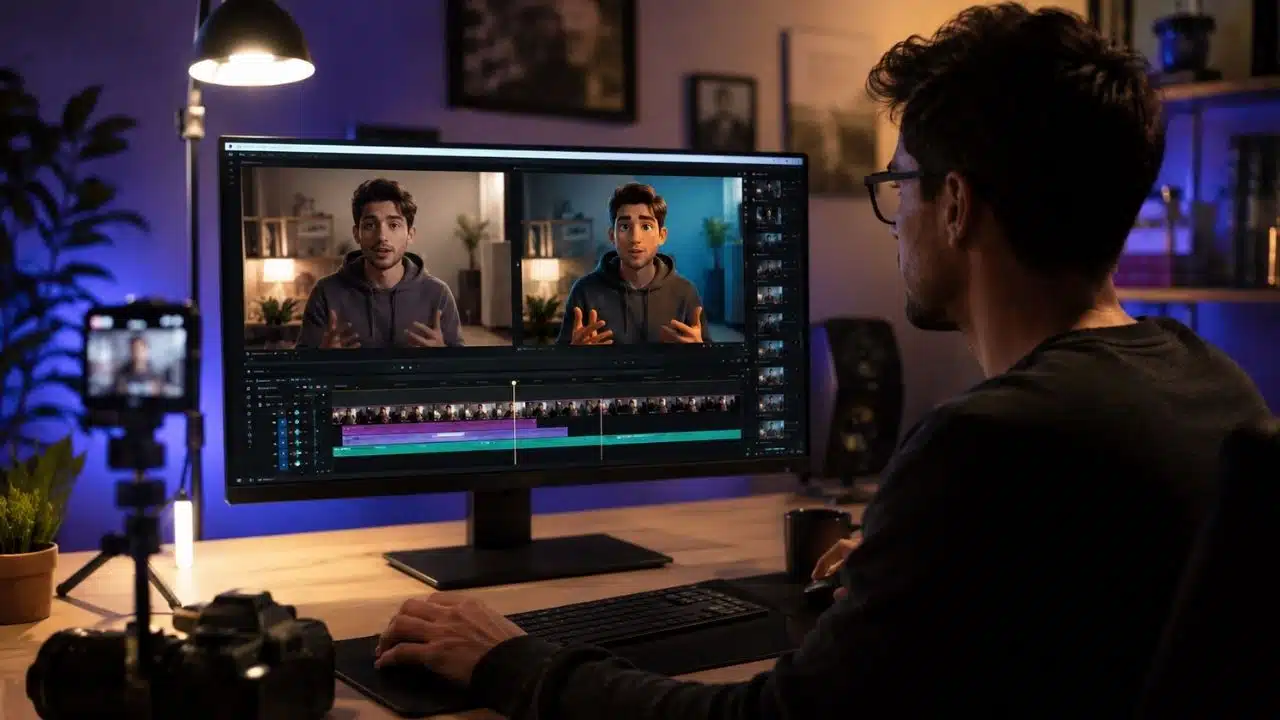
If your goal is to give ordinary clips a stronger visual identity, a video to animation converter is one of the fastest ways to turn real footage into something that reads more like a stylized scene than a raw camera-roll moment.
The Quiet Shift: Identity Beats Polish
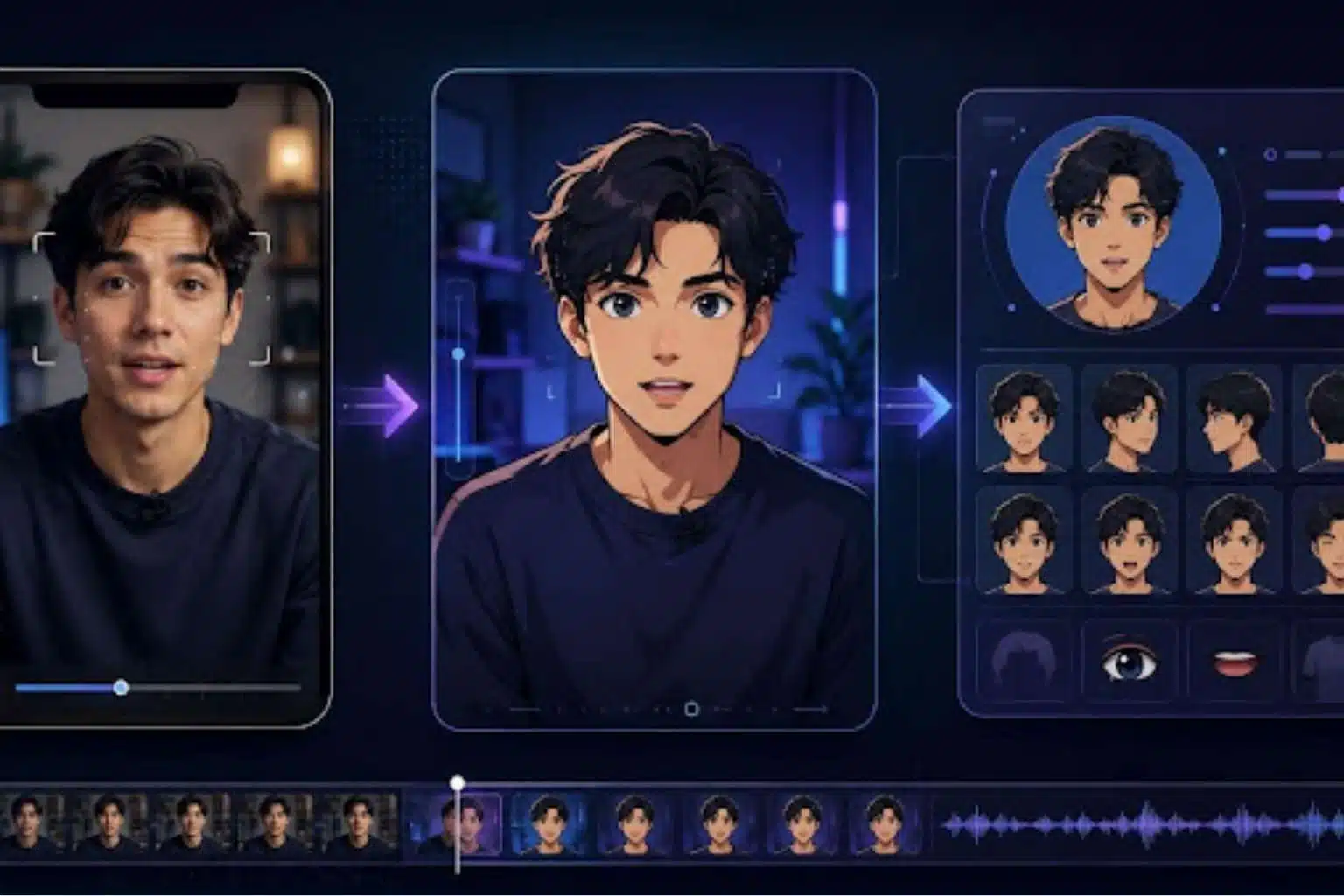
A lot of creators don’t lose attention because their footage is “bad.” They lose it because it looks like everyone else’s. Same lighting, same phone angle, same background noise, same pace.
Character-led edits solve a different problem than classic editing. They’re not primarily about tightening cuts or fixing audio. They’re about giving the viewer an immediate cue: this belongs to a certain world.
That “world” can be simple:
- a consistent animated look for intros
- a recurring avatar format
- a specific stylized mood that matches your niche (cozy, comedic, cinematic, comic-book, etc.)
When Animation Conversion Helps (And When It Doesn’t)
Animation-style conversion works best when you already have a clean “moment” worth preserving: a reaction, a gesture, a reveal, a short scene with clear movement.
It struggles when the clip is chaotic—crowded backgrounds, fast camera swings, or low light where faces and hands blur.
Here’s a practical way to think about it:
| Footage type | Usually works? | Why |
| Talking head, stable framing | ✅ | Clear subject + predictable motion |
| Simple walk-and-talk | ✅ | Natural movement reads well in stylized form |
| Product demo on a table | ✅ | Clean composition, easy focal point |
| Group scenes in busy places | ⚠️ | Too many faces + background motion |
| Night footage, heavy blur/noise | ❌ | Details collapse after stylization |
What makes these tools useful is the “keep the motion, change the skin” effect. You keep the timing and the body language, but the visual language becomes more deliberate.
Face-Based Edits: Where They Fit—And Where They Don’t
Not every character workflow needs face editing. Sometimes the character is the style itself. Other times, identity is part of the creative idea—avatar content, parody formats, fictional skits, role-based storytelling.
That’s the lane where AI face swap can be useful: it lets creators explore identity-driven edits without rebuilding a scene frame-by-frame.
A grounded rule of thumb: face-based edits should serve the story, not become the story. If the viewer only remembers “the face thing,” the content probably didn’t land.
A second rule—unsexy, but important—is permissions. Stick to your own images, approved photos, and materials you have the right to use. That’s not only safer; it also keeps the work credible.
The Workflow That Prevents “Random Effect Syndrome”
The most common failure mode with AI effects is the same as with trendy filters: the result looks flashy but directionless. A few decisions upfront prevent that.
| Step | The question to answer |
| Clip selection | What is the one clear action or emotion in this moment? |
| Character intent | Is this persona playful, serious, dreamy, or comedic? |
| Style choice | Does the visual style match the intent—or fight it? |
| Identity layer (optional) | Is face editing actually necessary for this concept? |
| Review pass | Would a stranger understand what’s happening in 2–3 seconds? |
If you can’t describe your video in one sentence, the edit usually becomes noise.
Publish Checks That Keep Your Content Trustworthy
Before you post, do a short “reality check” pass:
- Clarity: Is the subject still readable on a phone screen?
- Stability: Do faces/hands flicker in a distracting way?
- Accuracy: If a product appears, does it still look like the real product?
- Rights: Are you using materials you’re allowed to transform and publish?
- Context: Could the clip be misunderstood as impersonation or deception?
Character editing is getting easier. That doesn’t mean audiences are getting less skeptical.
Where This Is Headed
The interesting part isn’t that AI can stylize video. It’s that creators are starting to treat “character” as an editable asset—something you can iterate on the way brands iterate on packaging.
Done well, it’s not a gimmick. It’s a creative system for making your footage feel like it belongs to you.