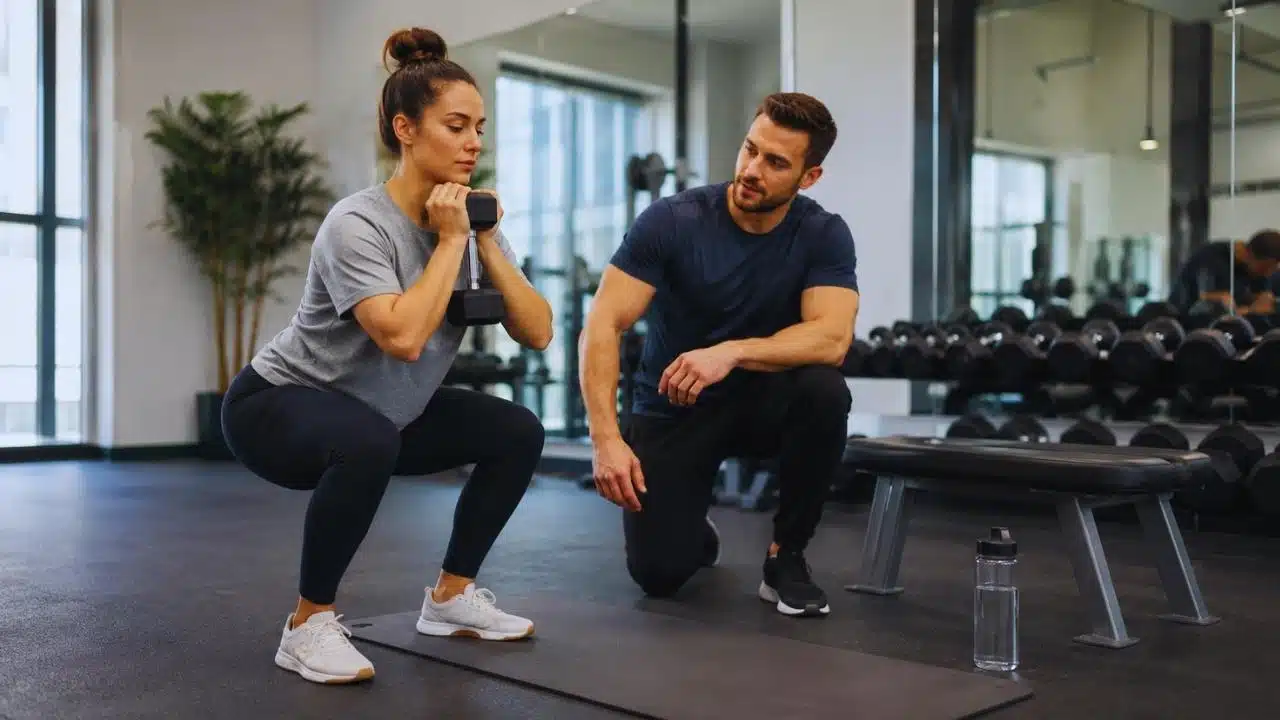
Most beginner fitness mistakes do not happen because people are lazy. They happen because people are impatient, confused, overmotivated, or trying to copy routines built for someone else’s body, schedule, recovery level, and training history.
That is the uncomfortable part of starting fitness. The first few days often feel exciting. You buy the shoes, save the workout videos, join the gym, download the tracker, and promise yourself this time will be different. Then soreness hits. Work gets busy. Sleep suffers. The diet feels strict. The gym feels intimidating. One missed workout becomes three. Suddenly, the whole plan feels like another failed attempt.
I have seen this pattern often in beginner routines, especially among busy professionals. The problem is rarely the person. The problem is the system they start with. A beginner does not need a heroic workout plan. A beginner needs a repeatable plan. One that respects real life, recovery, stress, sleep, food, and confidence. Fitness should support mental wellness, not become another pressure machine.
This guide breaks down the most common beginner fitness mistakes, why they happen, and how to fix them without turning exercise into punishment. It also connects with the larger mind-body health approach from the main mental wellness guide: small repeatable systems beat perfect routines every time.
One quick note before we go deeper: This article is educational. It is not medical advice. Anyone with injuries, chest pain, dizziness, chronic illness, pregnancy-related concerns, or serious health conditions should speak with a qualified healthcare professional before starting or changing an exercise routine.
Why Beginner Fitness Mistakes Usually Start Before the First Workout?
Most workout mistakes beginners make begin with the wrong expectation, not the wrong exercise. Many people start with a transformation mindset instead of a training mindset. They want fast weight loss, visible muscle, a perfect routine, strict eating, daily workouts, and instant confidence. That sounds motivating at first, but it creates pressure before the body has even learned how to move consistently. A beginner’s first job is not to prove discipline. It is to build trust with the body. When the body learns that movement is safe, manageable, and repeatable, consistency becomes much easier. This is why the first month should focus on rhythm, confidence, and basic skill instead of extreme intensity. The better question is not “How fast can I change?” but “What can I repeat without breaking my schedule, recovery, or mindset?”
A lot of people fail because they treat fitness like a 30-day punishment plan. They push too hard, restrict food too much, sleep badly, and then wonder why motivation disappears. Real fitness progress is slower and less dramatic than most social media routines suggest. It usually comes from repeating simple actions long enough for them to become normal. Walking more, lifting with control, warming up properly, eating enough protein, sleeping better, and resting without guilt do not look flashy. But these are the habits that protect beginners from burnout. They also fit the mind-body health approach because the body and mind adapt better when the routine feels sustainable.
| Beginner Goal | Better Starting Question |
| Lose weight fast | What habit can I repeat for 30 days? |
| Train every day | How many days can I recover from well? |
| Copy a hard routine | What movements can I perform safely? |
| Feel sore after every session | Am I getting stronger, steadier, or more consistent? |
| Track everything | What 2-3 signals actually help me improve? |
| Eat perfectly | What simple meal habit supports my workouts? |
| Build discipline | What routine can survive a busy week? |
Fitness becomes easier when the first plan is realistic enough to survive bad sleep, busy workdays, low motivation, social events, family responsibilities, and normal life interruptions.
The Mind-Body Cost of Pushing Too Hard Too Soon

Doing too much too soon is one of the most common fitness pitfalls because it feels productive in the beginning. A beginner starts with daily workouts, hard cardio, strict food rules, long gym sessions, and no real recovery plan. For the first few days, the effort feels exciting because the person is finally taking action. Then the body starts sending signals: soreness, fatigue, poor sleep, low mood, heavy legs, cravings, and a strange fear of the next workout. This is where many beginners assume they are weak or undisciplined. In reality, their body is trying to adapt to too many new demands at once. Fitness is a stressor, even when it is healthy. If training stress is added on top of work stress, screen fatigue, poor sleep, skipped meals, and emotional pressure, the whole system can feel overloaded.
The mind-body connection matters here. When beginners overtrain early, it does not only affect muscles. It can affect motivation, mood, confidence, hunger, sleep, and self-trust. A person who feels destroyed after every workout may start avoiding exercise because the brain begins to connect training with discomfort and failure. That is the opposite of what a beginner needs. The better approach is gradual exposure. Start with enough movement to create progress, but not so much that recovery falls apart. A sustainable beginner plan should leave you feeling challenged, not punished. You should be able to return to the next session with some energy, not dread.
| Area | Beginner-Friendly Start |
| Strength training | 2 full-body sessions per week |
| Walking or cardio | 10-30 minutes on most days |
| Mobility | 5 minutes after long sitting |
| Nutrition | Protein with 2-3 meals |
| Sleep | Consistent wake time most days |
| Recovery | At least 1-2 easier days weekly |
| Tracking | Workouts, energy, and sleep quality |
This is enough to begin. Once these habits feel natural, more can be added slowly.
Mistake 1: Trying to Fix Everything in the First Week
Trying to change everything at once is one of the biggest beginner fitness mistakes because it creates a routine that only works in a perfect week. A beginner decides to start working out, eat clean, wake up early, stop sugar, drink more water, meditate, walk 10,000 steps, stretch daily, meal prep, track calories, and sleep by 10 PM. It feels powerful for three days because the person is running on motivation. Then reality returns. Work gets busy, soreness builds, meals become inconvenient, sleep gets delayed, and the plan starts feeling heavy. The beginner starts thinking, “Maybe I am just not disciplined enough.” But the real issue is not discipline. The real issue is that the plan has too many moving parts.
A strong beginner routine should remove friction, not add more pressure. If the plan requires perfect mornings, perfect meals, perfect sleep, and perfect motivation, it will not last. Beginners should start with the few habits that create the biggest return. For most people, that means basic movement, simple strength training, enough protein, better sleep rhythm, and recovery. Once those are stable, smaller improvements can be added. This keeps fitness from becoming another stressful job. It also helps the person build confidence because they can actually complete the plan.
| Instead of This | Try This |
| Daily intense workouts | 2 beginner workouts and 3 walks |
| Strict diet overhaul | Add protein and vegetables to meals |
| 10 new habits | Choose 2 habits only |
| Long morning routine | 5-minute mobility or breathing reset |
| Perfect tracking | Simple checkmarks |
| All-or-nothing plan | Flexible weekly structure |
The first week should feel almost too manageable. That is not a weakness. It is how a routine becomes repeatable.
Mistake 2: Copying Advanced Routines Too Early
Copying advanced routines is one of the most common gym newbie errors. It usually happens because beginners search for the “best workout plan” and find routines made for people with years of training experience. These plans may include five or six training days, high exercise volume, advanced lifts, intense finishers, strict meal timing, and complicated progression rules. They may work for experienced lifters, athletes, or fitness creators. But they often overwhelm beginners who are still learning how to squat properly, control breathing, recover from soreness, and fit workouts into real life. A routine can be good and still be wrong for your current level. That is an important distinction.
Beginners need foundations before intensity. The body needs to learn basic movement patterns: squat, hinge, push, pull, brace, carry, step, and walk. These patterns support almost every good training program later. When beginners skip this stage, they often feel awkward, sore, confused, or intimidated. They may also keep changing routines because nothing feels right. A simpler full-body plan is usually better in the beginning because it gives repeated practice without overwhelming the schedule. The goal is not to train like an advanced person. The goal is to earn the right to train more by building skill and consistency first.
| Day | Practical Beginner Focus |
| Monday | Full-body strength |
| Tuesday | Walk or light cardio |
| Wednesday | Rest or gentle mobility |
| Thursday | Full-body strength |
| Friday | Walk, cycling, or easy movement |
| Saturday | Optional light activity |
| Sunday | Rest and recovery |
This does not look dramatic. That is exactly why it works. A beginner routine should be clear enough to follow and light enough to recover from.
Mistake 3: Skipping Warm-Ups Because Time Feels Tight
Skipping warm-ups is one of those workout mistakes beginners often make without realizing the cost. Many people think the warm-up is optional because they are short on time or eager to start the “real” workout. But the warm-up is part of the real workout. It prepares the body for movement, raises body temperature, improves coordination, and helps the mind shift out of work mode. For desk workers, this matters even more. After sitting for hours, the hips, shoulders, back, ankles, and neck may feel stiff. Jumping straight into lifting, running, or high-intensity exercise can make the body feel heavy and unprepared.
A warm-up does not need to be long or complicated. It should match the session you are about to do. If you are training legs, prepare the hips, knees, ankles, and lower back. If you are lifting upper body, prepare the shoulders, upper back, wrists, and chest. If you are doing cardio, start slowly before increasing speed. A good warm-up also helps beginners notice how the body feels that day. If the body feels unusually tired, stiff, or painful, the workout can be adjusted before things get worse. This is not overthinking. This is training with awareness.
A simple 5-8 minute beginner warm-up:
- Easy walking, cycling, or marching in place
- Shoulder circles and arm swings
- Hip circles or gentle lunges
- Bodyweight squats
- Light hinge practice
- Easy practice sets before heavier sets
The goal is not to become tired before training. The goal is to prepare the body so the actual workout feels smoother and safer.
Mistake 4: Chasing Soreness Instead of Progress

Chasing soreness is one of the most damaging beginner fitness mistakes because it teaches people to measure success by discomfort. Soreness can happen when the body does new or harder movement, especially after strength training, longer cardio, or exercises that use muscles in unfamiliar ways. Mild soreness is not automatically bad. The problem begins when beginners think soreness is required after every workout. They start increasing volume, adding random finishers, training to exhaustion, or repeating hard sessions before the body has recovered. This turns fitness into a pain-chasing cycle instead of a progress-building system.
Progress is not measured by how badly you struggle to walk the next day. Progress is measured by better control, better stamina, better strength, better recovery, improved mood, and stronger consistency. A good workout may leave you tired, but it should not make normal life miserable. If soreness keeps you from walking properly, sleeping well, training again, or doing your work comfortably, the plan may be too aggressive. Beginners should learn the difference between normal muscle discomfort and warning signs. Sharp pain, joint pain, swelling, dizziness, numbness, or pain that gets worse should never be ignored. The body gives feedback for a reason.
| Signal | What It Usually Means |
| Mild muscle soreness | Normal adaptation to new movement |
| Tired but functional | Usually manageable |
| Sharp pain | Stop and assess |
| Joint pain | Do not push through blindly |
| Pain that worsens | Reduce load or seek help |
| Severe swelling or weakness | Get professional advice |
| Dizziness or chest pain | Stop immediately and seek medical help |
The better question is not “Am I sore?” The better question is “Can I train consistently next week?”
Mistake 5: Lifting Too Heavy Before Learning Form
Lifting too heavy too early is one of the most common gym newbie errors because weight feels like proof. Beginners often want to know where they stand. They may compare themselves with stronger people nearby or feel pressure to use heavier dumbbells because lighter weights seem embarrassing. But good training is not about impressing strangers in the gym. It is about building control, strength, and confidence over time. If the weight is too heavy, the body usually compensates. The back rounds, shoulders rise, knees collapse, breathing stops, or the movement becomes rushed. That is not strength-building. That is poor skill under load.
Good form does not mean every rep must look like a textbook demonstration. Different bodies move differently. But a beginner should be able to control the movement, feel the target muscles working, breathe through the set, and stop before technique falls apart. Lifting lighter at first is not a step backward. It is how you build the skill needed to lift heavier later. The strongest people in the gym usually understand control better than beginners think. They know when to push and when to stay clean. Beginners should borrow that mindset early.
Before adding weight, ask:
- Can I control the lowering phase?
- Can I complete the movement without rushing?
- Can I breathe during the set?
- Do I feel the right muscles working?
- Can I stop with 1-3 good reps still left?
- Does the movement feel stable and repeatable?
Start lighter than your ego wants. Add weight only when the movement stays controlled. This rule prevents many avoidable injuries and confidence setbacks.
Mistake 6: Doing Random Workouts Instead of Following a Simple Plan
Random workouts can make beginners feel active, but they often make progress harder to see. One day it is a YouTube HIIT session. The next day it is chest machines. Then abs. Then a long walk. Then a leg workout that causes soreness for four days. Then nothing happens for a week. The person feels like they are trying, but there is no structure. Without structure, the body does not get enough repeated practice to improve. The mind also stays confused because there is no clear way to know what is working. This is one of the most common fitness pitfalls for people who rely only on motivation or whatever content appears on their feed.
Beginners need repetition more than novelty. That does not mean workouts must be boring. It means the same core movements should appear often enough for the body to learn them. A simple plan gives you something to measure. You can see if your squat feels smoother, if your rows are stronger, if walking feels easier, or if recovery is better. This creates confidence because progress becomes visible. Random workouts may still have a place for variety, but they should not replace the foundation. The foundation should be predictable enough to follow even on a busy week.
| Movement Pattern | Beginner Example |
| Squat | Bodyweight squat or goblet squat |
| Hinge | Hip hinge drill or Romanian deadlift |
| Push | Incline push-up or chest press |
| Pull | Dumbbell row or seated row |
| Core | Dead bug or plank |
| Carry or walk | Farmer carry or brisk walk |
| Mobility | Hip, shoulder, and upper-back work |
Repeat this style of workout twice per week for several weeks. Progress comes from improving the basics, not constantly replacing them.
Mistake 7: Treating Cardio and Strength Like Enemies
Many beginners think they must choose between cardio and strength training. Some believe cardio is only for weight loss. Others think lifting is only for people who want big muscles. Both ideas are too limited. Cardio supports heart health, endurance, stamina, mood, stress relief, and daily energy. Strength training supports muscle, joints, posture, bone strength, metabolism, confidence, and functional movement. A good beginner plan can include both without turning the week into a complicated fitness schedule. The key is matching the intensity to the person’s current recovery level.
For busy professionals, the combination is especially useful. Strength training helps counter the weakness and stiffness that come from long sitting. Walking or light cardio helps clear mental clutter, improve circulation, and reduce the feeling of being trapped at a desk all day. Not every cardio session needs to be intense. A brisk walk after work can be enough to shift the nervous system out of stress mode. Not every strength session needs to be heavy. A controlled full-body workout twice a week can build confidence and strength. The best plan is not cardio versus lifting. It is the right mix for your body, schedule, and goals.
| Goal | Simple Weekly Target |
| Strength | 2 full-body sessions |
| Cardio | 2-4 walks or easy cardio sessions |
| Mobility | 5-10 minutes after desk-heavy days |
| Recovery | 1-2 easier days |
| Stress support | Short walks, breathing, or gentle stretching |
| Skill building | Repeat basic movement patterns |
Fitness should improve your life outside the gym. A balanced routine supports energy, mental clarity, posture, sleep, and long-term health.
Mistake 8: Ignoring Recovery, Sleep, and Stress
Beginners often think workouts create progress by themselves. That is only partly true. Workouts create the signal. Recovery allows the body to respond. If sleep is poor, food is inconsistent, stress is high, and rest days are ignored, even a good workout plan can feel terrible. The same routine that helps one person progress may exhaust another person who is sleeping five hours and working under constant pressure. This is why recovery is not laziness. Recovery is part of training. Without it, the body struggles to adapt.
Sleep, stress, and recovery also connect directly with mental wellness. A tired person may feel more anxious, impatient, hungry, distracted, and unmotivated. A stressed person may breathe shallowly, hold tension, crave quick energy, or struggle to sleep. When that same person adds intense workouts without recovery, the body can feel overloaded. This does not mean beginners should avoid exercise during stressful periods. It means training should be adjusted. Some weeks need lighter workouts, more walking, more mobility, and more sleep support. Smart training changes with life.
Beginner recovery basics:
- Sleep as consistently as possible
- Take rest days seriously
- Eat enough to support training
- Drink water regularly
- Use lighter movement on sore days
- Avoid stacking hard workouts after poor sleep
- Reduce intensity during stressful workweeks
- Notice mood, appetite, soreness, and energy
A tired body does not always need more discipline. Sometimes it needs a better recovery plan.
Mistake 9: Turning Food Into a Punishment System
Food mistakes are deeply connected to beginner fitness mistakes. A person starts training and immediately turns food into a moral test. Rice becomes bad. Carbs become scary. Dinner becomes guilt. A missed workout becomes a reason to eat less. Exercise becomes punishment for eating. This mindset can damage the relationship with both food and movement. Food should support training, not create fear. A beginner who is underfed will often feel weak, irritable, tired, and less motivated to train.
Nutrition does not need to be perfect to be useful. Beginners usually need simple structure before strict tracking. A balanced plate with protein, carbohydrates, vegetables or fruit, healthy fats, and fluids can support energy and recovery. Protein helps with fullness and repair. Carbohydrates support workouts and brain energy. Fats support satisfaction. Fiber supports digestion and fullness. Water supports basic function. None of this needs to become obsessive. The goal is to eat in a way that helps the body train, recover, and function.
| Habit | Practical Version |
| Protein | Add a protein source to most meals |
| Carbohydrates | Use them for energy, especially around workouts |
| Vegetables or fruit | Add color and fiber daily |
| Fluids | Drink water through the day |
| Meal timing | Avoid hard training while underfed |
| Snacks | Use planned snacks instead of random grazing |
| Flexibility | Keep normal foods without guilt |
Nutrition should make fitness easier. If your food plan makes you exhausted, guilty, or socially isolated, it probably needs adjustment.
Mistake 10: Tracking Too Much Too Soon

Tracking can be helpful, but it can also overwhelm beginners. Some people start by tracking weight, calories, steps, heart rate, workout volume, body measurements, sleep score, macros, water intake, streaks, and app badges. Before long, every day feels graded. A bad sleep score ruins the morning. A missed step target feels like failure. A scale fluctuation creates panic. Instead of building confidence, tracking becomes another source of pressure. This is one of the most overlooked common fitness pitfalls because it looks responsible from the outside.
Good tracking should reduce confusion, not increase anxiety. Beginners should track only what helps them make better decisions. In the first month, three signals are usually enough: workouts completed, energy level, and sleep quality. After that, workout notes can be added. Record the exercise, weight, reps, effort level, and any discomfort. This gives useful information without turning fitness into surveillance. Weight tracking, calorie tracking, and wearable data can be useful for some people, but they are not mandatory. A person can make strong progress without tracking everything.
| What to Track | Why It Helps |
| Workouts completed | Shows consistency |
| Energy level | Shows recovery and stress impact |
| Sleep quality | Explains performance changes |
| Strength notes | Shows progress over time |
| Soreness level | Helps manage intensity |
| Mood after training | Connects fitness with mental wellness |
The best tracker is the one you can use without hating your life.
Mistake 11: Expecting Motivation to Stay High
Motivation is useful, but it is unreliable. It is strongest at the beginning, when the goal feels fresh and the plan feels exciting. Then normal life returns. Work gets busy. Sleep drops. Family responsibilities appear. The weather changes. The gym feels far away. Motivation becomes quiet. Many beginners think this means they failed. They did not fail. They simply built a plan that depended too much on emotion. A strong fitness routine should still function when motivation is average.
This is where habit design matters. A beginner should make the first step easy. Keep workout clothes visible. Choose a realistic training time. Keep a short version of every workout. Schedule sessions like appointments. Use the same basic routine long enough for it to feel familiar. On low-energy days, commit to the warm-up only. After the warm-up, decide whether to continue. Many people complete more than they expected once they start. Even when they do not, the habit stays alive. That matters.
Low-motivation rules that work:
- Do the warm-up first, then decide
- Keep a 10-minute version ready
- Do not miss twice if you can avoid it
- Walk when lifting feels too much
- Reduce the workout instead of canceling it
- Keep the next session simple
- Restart without drama
A short workout still counts. A walk still counts. Returning after a missed day counts. This mindset protects consistency.
Mistake 12: Quitting After One Bad Week
Bad weeks are guaranteed. You will get busy. You will sleep badly. You will miss a workout. You will eat differently than planned. You will feel unmotivated. You may travel, get sore, deal with work pressure, or lose routine for a few days. This is normal. The mistake is treating a bad week as proof that the whole plan failed. Many beginners do not quit because the routine is impossible. They quit because they do not know how to restart without guilt.
A sustainable fitness plan expects interruption. It includes fallback options before life gets messy. If you cannot do a full workout, walk for 10 minutes. If you slept badly, train lighter. If the gym is not possible, do a bodyweight circuit. If stress is high, use breathing and easy movement. If you missed a session, return to the next planned session instead of trying to punish yourself with extra work. The goal is continuity, not perfection. Fitness is built through returning, not through never slipping.
| Situation | Better Response |
| Busy workday | 10-minute walk |
| No gym access | Bodyweight workout |
| Poor sleep | Light movement only |
| High stress | Breathing plus easy walk |
| Missed workout | Resume next planned session |
| Low motivation | Do the warm-up only |
| Sore body | Train lighter or recover |
| Travel week | Maintain walking and sleep rhythm |
One bad week does not erase progress. Quitting for months does more damage than missing a few sessions.
A Practical 4-Week Reset Plan for Beginner Fitness Mistakes
The best way to avoid beginner fitness mistakes is to start with a plan that is almost too simple to fail. A beginner reset should not feel like punishment. It should help the body adapt, the mind relax, and the schedule become more predictable. This is especially useful for busy professionals who may already be dealing with screen fatigue, long sitting, inconsistent meals, and mental overload. A reset plan gives structure without demanding a full lifestyle makeover. It also helps beginners learn what their body can handle before adding more intensity. The goal is not to become perfectly fit in four weeks. The goal is to build a base strong enough to continue.
This 4-week approach is built around awareness, movement quality, small progression, and review. Each week has a clear purpose. Week one teaches you to observe your baseline. Week two teaches basic movement patterns. Week three adds small progression without overloading the body. Week four helps you review what worked and remove what felt unrealistic. This is how beginners learn to train with judgment instead of emotion. The plan can be adjusted based on health status, schedule, equipment, and recovery.
Week 1: Build Awareness, Not Intensity
Do not start by destroying yourself. Use the first week to notice your baseline. Track how much you walk, how your sleep feels, how stiff your body feels after work, and how much energy you have before training. This gives you useful context. A beginner who sits all day and sleeps poorly should not start with the same workload as someone already active. Your starting point matters.
Training goal:
- 2 light full-body sessions
- 3 short walks
- 5 minutes of mobility after desk-heavy days
- 1-2 rest or recovery-focused days
The purpose is not performance. It is awareness.
Week 2: Learn the Basic Movement Patterns
Week two should focus on skill. Practice squatting, hinging, pushing, pulling, bracing, and walking with control. Use light weights or bodyweight. Do not chase soreness. Do not rush through reps. Learn how each movement feels when done properly. This week builds confidence because the exercises start to feel less unfamiliar.
Training goal:
- 2 full-body workouts
- 2-3 walking or light cardio sessions
- 1 full rest day
- Short warm-up before every session
This is where the body starts learning the routine.
Week 3: Add Small Progression
Week three is where many beginners make the mistake of doing too much. Progression does not mean doubling the workout. It means improving one small thing. You might add 1-2 reps, use slightly more weight, improve control, walk a little longer, or reduce rest time slightly. Keep the routine mostly the same. The body needs repetition to adapt.
Training goal:
- Repeat the same main workouts
- Improve one small variable
- Keep recovery steady
- Avoid adding too many new exercises
This is where beginners learn that progress is usually quiet, not dramatic.
Week 4: Review and Adjust
Week four should not be a punishment week. It should be a review week. Ask what actually worked. Which workouts felt repeatable? Which days were hardest? Did sleep affect training? Did food affect energy? Did soreness interfere with consistency? Which habits should continue next month? The answers matter more than any perfect plan.
Training goal:
- Keep the habits that worked
- Remove what felt unrealistic
- Set the next 30-day target
- Choose one area to improve
A good beginner plan should leave you thinking, “I can keep going.”
Common Gym Newbie Errors and Better Fixes
Gym newbie errors are normal because the gym can feel unfamiliar at first. Machines look confusing. Free weights feel intimidating. People seem to know what they are doing. Beginners may rush, avoid asking questions, copy random exercises, or stay on machines they recognize because everything else feels uncomfortable. None of this means they do not belong there. Everyone starts as a beginner. The goal is not to avoid every mistake immediately. The goal is to learn quickly, stay safe, and build confidence one session at a time.
A gym becomes less intimidating when you enter with a plan. Know your exercises before you arrive. Keep the workout short. Start with machines or simple dumbbell movements if free weights feel overwhelming. Ask staff for help if you do not understand equipment. Wipe down machines, return weights, and avoid blocking space. These small habits make the gym feel more manageable. Confidence comes from familiarity. After a few weeks, the same place that felt confusing often starts to feel normal.
| Gym Newbie Error | Why It Causes Problems | Better Fix |
| Lifting too heavy | Form breaks down | Start lighter and control reps |
| Skipping warm-up | Body feels stiff and unprepared | Use 5-8 minutes of easy movement |
| Training daily too soon | Recovery falls behind | Start with 2-3 structured days |
| Copying influencers | Plan may not fit your level | Use beginner movement patterns |
| Ignoring pain | Small issues can grow | Stop sharp or worsening pain |
| No plan | Progress is hard to track | Repeat a simple weekly routine |
| Only doing machines randomly | Training gaps appear | Build around major movement patterns |
| Avoiding rest | Soreness and fatigue build | Schedule recovery |
| Eating too little | Low energy and poor recovery | Build balanced meals |
| Tracking everything | Creates stress | Track only useful signals |
Beginners do not need to be perfect in the gym. They need a simple plan, patience, and the willingness to learn.
How Beginner Fitness Supports Mental Wellness?

Beginner fitness is often discussed as a body project, but it is also a mind-body practice. A realistic workout routine can improve confidence because you keep promises to yourself. Walking can clear mental clutter after long screen-heavy workdays. Strength training can help people feel more capable in their bodies. Mobility can reduce the stiff, locked feeling that comes from sitting too long. Better sleep and food choices can make emotional regulation easier. Small wins in training can also rebuild self-trust, especially for people who have failed strict routines before.
This does not mean exercise replaces therapy, medical care, or professional mental health support. It does not. But movement can support mental wellness when it is safe, realistic, and repeatable. The key is to avoid turning fitness into another source of guilt. If workouts become punishment, comparison, obsession, or body shame, they can hurt the very confidence they were supposed to build. The better goal is to use movement as support. Train to feel more capable, not to apologize for eating. Walk to reset your mind, not to punish yourself. Rest because recovery matters, not because you are weak.
This is why this fits under the broader mental wellness guide. Beginner fitness mistakes are not only physical mistakes. They can affect motivation, body image, stress, sleep, confidence, and consistency. A better beginner routine should make life feel more supported. Not more judged.
A Simple Beginner Workout Template
A beginner workout template should be easy to understand, repeatable, and flexible. It should train the whole body without requiring too many exercises. It should include a warm-up, basic movement patterns, controlled strength work, core stability, and a cool-down. The goal is not to leave the gym crushed. The goal is to build enough confidence and physical skill to return. Beginners often make better progress when they repeat the same template for several weeks instead of changing workouts constantly. This allows the body to learn and the person to notice improvement.
The following template is not a personalized program, but it gives a clean starting structure. Use lighter weights at first. Rest long enough to perform the next set well. Stop before form collapses. If an exercise causes sharp pain or feels unsafe, choose a simpler variation or seek professional guidance. Beginners should also remember that the first few sessions are partly about learning. Do not judge the whole fitness journey by one awkward workout.
Workout A
- Warm-up: 5-8 minutes easy movement
- Goblet squat or bodyweight squat: 2-3 sets
- Dumbbell row or seated row: 2-3 sets
- Push-up variation or chest press: 2-3 sets
- Romanian deadlift or hip hinge drill: 2-3 sets
- Dead bug or plank: 2 sets
- Cool-down: easy walk and breathing
Workout B
- Warm-up: 5-8 minutes easy movement
- Step-up or split squat variation: 2-3 sets
- Lat pulldown or band pull: 2-3 sets
- Dumbbell shoulder press or incline push-up: 2-3 sets
- Glute bridge or light deadlift pattern: 2-3 sets
- Side plank or carry: 2 sets
- Cool-down: gentle mobility
Use Workout A and Workout B on separate days. Keep at least one recovery day between them at first. Add walking or light cardio on other days.
How to Know If Your Beginner Plan Is Actually Working?
A beginner plan is working if it helps you become more consistent, more confident, and more capable without making your life feel worse. Many people only look for visible body changes, but those can take time. Early progress often appears in smaller ways. You may feel less out of breath during walks. You may sleep better after training days. You may feel stronger carrying groceries. You may have better posture after desk work. You may feel calmer after evening movement. These signs matter because they show the body is adapting.
Beginners should look for progress across several areas, not only the scale. Weight can fluctuate for many reasons, including water, food, hormones, stress, and sleep. If you judge everything by weight alone, you may miss real improvements. Strength, stamina, energy, mood, recovery, and consistency give a fuller picture. This is especially important for mental wellness. A routine that improves confidence and daily energy is already valuable, even before major visual changes happen.
| Progress Sign | What It Means |
| You can repeat workouts weekly | Consistency is improving |
| Exercises feel more familiar | Skill is building |
| You recover faster | Body is adapting |
| You feel less intimidated | Confidence is growing |
| You sleep better after training | Recovery rhythm may be improving |
| You walk or move more easily | Stamina is improving |
| You feel proud instead of punished | Mindset is healthier |
Progress should make you feel more connected to your body, not more at war with it.
The Smarter Starting Line
Beginner fitness mistakes are normal. The real issue is not making them once. The issue is ignoring the pattern. If your workouts leave you exhausted, sore, guilty, confused, or afraid to restart, the plan needs adjustment. Fitness should challenge you, but it should not make your life feel like a punishment cycle. A beginner does not need to prove toughness every day. A beginner needs a system that can survive real workdays, imperfect sleep, busy schedules, and normal human motivation.
Start with the basics. Walk more. Learn the main movement patterns. Warm up properly. Lift with control. Eat enough to support training. Sleep as consistently as possible. Rest without guilt. Track lightly. Restart quickly after missed days. These habits may look simple, but they are the foundation that keeps people training long after motivation fades.
That is not a weak approach. It is a sustainable one. The best beginner plan does not depend on perfect meals, perfect energy, perfect weeks, or perfect discipline. It gives you a structure you can return to when life gets messy. That is where real fitness begins. Not with punishment. Not with panic. With one repeatable system that helps your body and mind work better together.
Frequently Asked Questions (FAQs) About Beginner Fitness Mistakes
What Are the Most Common Beginner Fitness Mistakes?
The most common beginner fitness mistakes include doing too much too soon, skipping warm-ups, lifting too heavy, copying advanced routines, ignoring recovery, eating too little, tracking too much, and quitting after one bad week. Most of these mistakes come from impatience and confusion, not laziness. A beginner should focus on repeatable habits before chasing aggressive results.
How Many Days a Week Should Beginners Work Out?
Many beginners do well with 2-3 structured workouts per week plus walking or light cardio. This gives the body time to adapt while still building consistency. More days can be added later if sleep, recovery, schedule, and motivation stay manageable. It is better to complete two good workouts every week than to attempt six and quit.
Should Beginners Feel Sore After Every Workout?
No. Soreness is not required for progress. Mild soreness can happen after new or harder training, but constant soreness may mean the plan is too aggressive. Beginners should measure progress through consistency, better form, improved strength, better stamina, and faster recovery.
What Should Beginners Do First: Cardio or Strength Training?
Both can be useful. A simple beginner plan might include two full-body strength sessions and a few walking or light cardio sessions each week. Strength training builds muscle, posture, and confidence, while cardio supports stamina, heart health, and stress relief. The best starting point depends on the person’s comfort, goals, and health status.
How Can Beginners Avoid Quitting?
Start smaller than your motivation wants. Use a repeatable plan, track only a few useful signals, keep fallback workouts ready, and avoid all-or-nothing thinking. Missing one workout is normal. The key is to restart quickly without guilt.
Is It Okay to Work Out When Sore?
It depends on the soreness. Mild soreness can often be managed with light movement, walking, mobility, or training a different area. Severe soreness, sharp pain, joint pain, swelling, or pain that changes your movement should not be ignored. Beginners should learn to adjust intensity instead of pushing through everything.
Do Beginners Need Supplements?
Most beginners do not need supplements before they have basic habits in place. Sleep, balanced meals, protein, hydration, and consistent training matter more. Supplements may help some people later, but they cannot fix poor recovery, random workouts, or an unrealistic plan.