GEO Content Structure is something I started taking seriously when I noticed a strange problem in modern SEO: a page can be well-written, helpful, and even ranking decently, yet still be almost invisible when AI tools generate answers. As an SEO content writer, that forced me to rethink how I structure every article.
Writing only for humans is no longer enough, but writing only for AI retrieval is a fast way to create stiff, boring content nobody wants to read. The real challenge is finding the middle ground: content that AI systems can understand, extract, and cite, while still feeling natural, useful, and worth reading for real people.
In this guide, I’ll break down how I approach GEO content structure, where AI retrieval and human reading overlap, and how to build articles that work for both.
What Is GEO Content Structure in Writing?
The simplest way I explain GEO content structure is this: write so a human can enjoy the page, but structure it so a machine can lift the right answer without losing the meaning.
That sounds simple, but in real writing work, it changes many small decisions. I no longer think only about whether a paragraph sounds good. I also ask myself: can this section stand alone if an AI system pulls it into an answer? Does the heading clearly explain the point? Is the fact close enough to the context? Will a reader understand this fast without scrolling back?
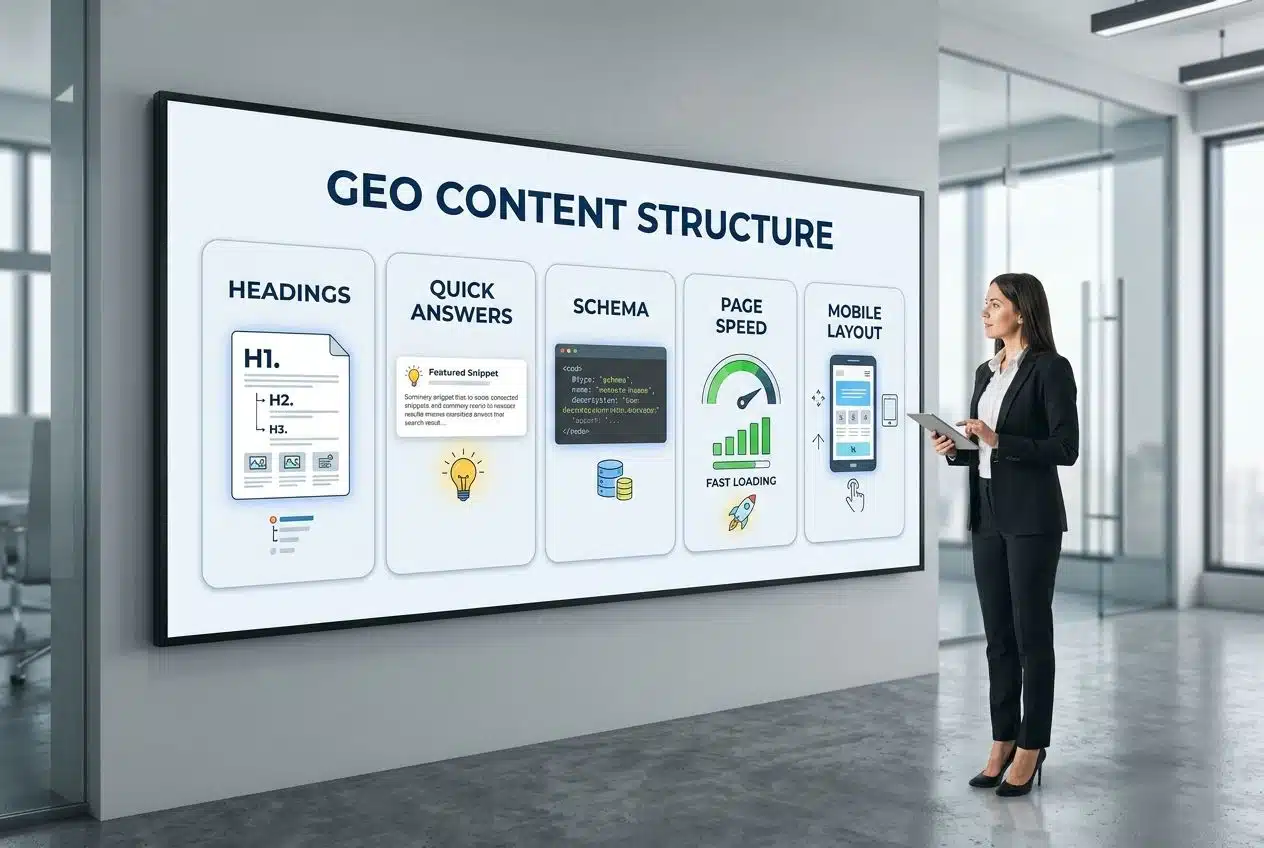
GEO Content Structure is the way you organize a page so search engines, answer engines, and generative AI systems can identify clean information while real readers can still move through the article naturally.
I started paying closer attention to this after reading about Generative Engine Optimization research, where structured and better-supported content showed stronger visibility in generative responses. That made one thing clear to me: structure is no longer just an editing choice. It is also a visibility choice.
Most guides say, “Use headings and bullet points.” That is true, but it is only the starting point. In my own writing process, I have found that the stronger move is to pair every heading with a direct answer, a little context, and proof close to the claim.
- For AI retrieval, I try to give every section a clear job and a clean first sentence.
- For human reading, I keep the rhythm light, the paragraphs short, and the explanations practical.
- For both, I place the fact, the context, and the takeaway as close together as possible.
That is where the GEO structure starts to work. It does not make the writing robotic. It makes the writing easier to understand.
Differences Between Writing for AI Retrieval and Human Reading
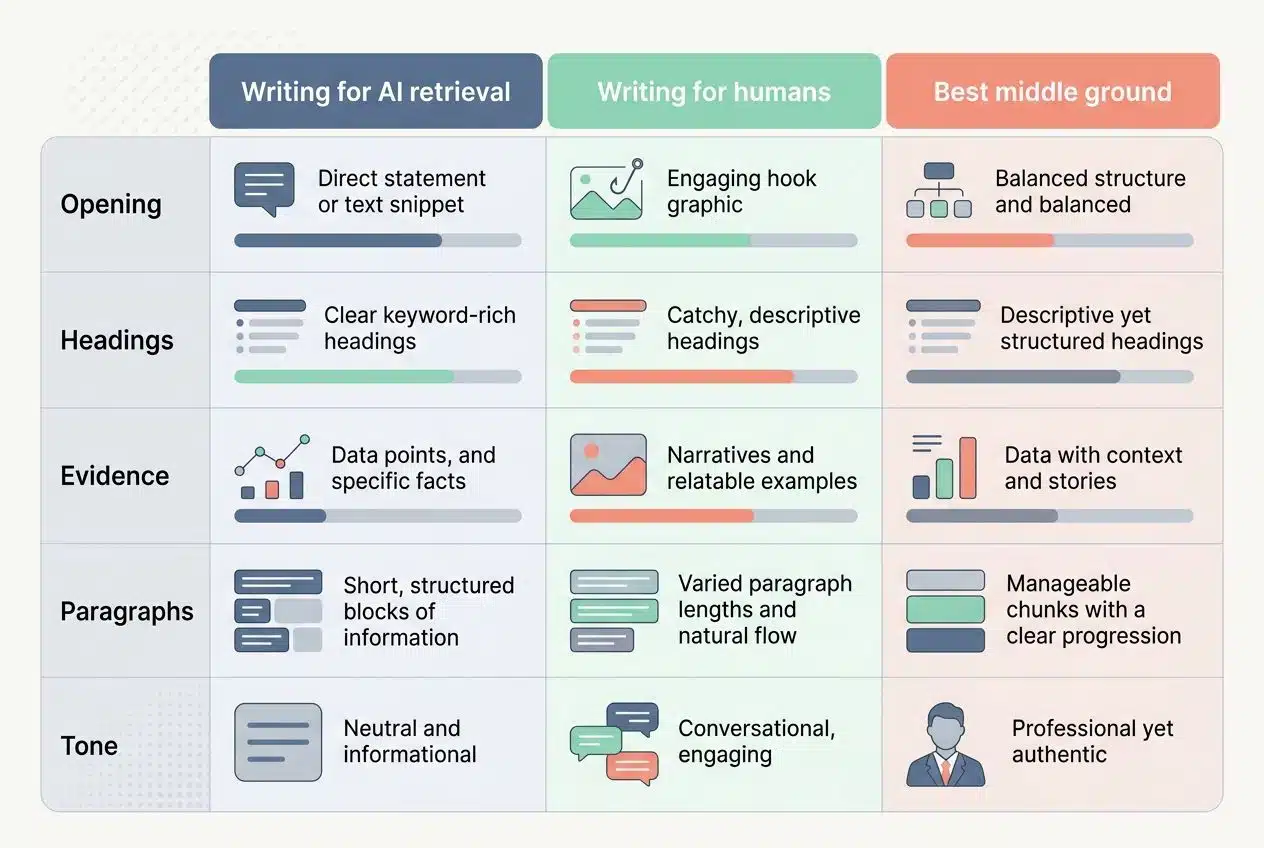
Writing for AI retrieval and writing for people are not enemies. But they do not always want the same thing first. AI systems look for extractable meaning. They want clear sections, direct answers, named entities, dates, numbers, comparisons, and clean context. Human readers want speed, flow, trust, and a reason to keep reading.
When I write now, I try to satisfy both without overcorrecting for either side.
| Area | Writing for AI Retrieval | Writing for Humans | Best Middle Ground |
| Opening | Direct answer first | Clear benefit first | Open with the point, then explain why it matters |
| Headings | Specific and query-aligned | Clear and scannable | Use plain-language headings that name the topic |
| Evidence | Dates, numbers, names, entities | Context and meaning | Put the proof beside the explanation |
| Paragraphs | Short and self-contained | Smooth and readable | Keep one main idea per paragraph |
| Tone | Precise | Engaging | Write clearly, then add natural personality |
This is the balance I now aim for. I do not want the page to feel like a database entry. But I also do not want important information buried inside long, soft paragraphs that only make sense after reading the whole section.
Focus on AI Summaries and Extractable Information
One lesson I have learned from writing for AI search is that AI systems pull passages, not feelings. A human reader may forgive a slow build-up if the writing is enjoyable. An AI system is less patient. It looks for clean answer blocks, section-level clarity, and phrases that can be reused without confusion.
That is why I now try to make the first sentence under each important heading strong enough to stand on its own.
For example, instead of opening a section with:
“Many writers today are trying different methods to improve how their pages appear in modern search experiences.”
I would write:
“AI retrieval works best when each section gives a direct answer before adding explanation.”
The second version is clearer. It gives the machine a useful sentence and gives the reader a faster answer.
Here is how I usually handle extractable information:
- I lead with the claim before adding background.
- I keep dates, names, and numbers close to the main point.
- I avoid putting key information only inside images.
- I write important sections so they still make sense if quoted alone.
- I use short summaries where the reader needs fast takeaways.
This does not mean every paragraph has to sound dry. It only means the article should not hide its best answer.
Emphasis on Engagement and Readability for Humans
This is where many GEO discussions go wrong. They become too obsessed with machines. I have seen content that is technically structured but painful to read. The headings are optimized. The bullets are tidy. The keywords are there. But the article feels like a checklist, not a useful guide.
That kind of content may help with extraction, but it will not build trust. Human-focused writing still matters because people are the ones who decide whether the content helped them. They stay, click, subscribe, share, buy, or leave. AI can surface a page, but the reader judges the experience.

So when I refine content for GEO, I also check the human side:
- Does the intro give the reader a reason to care?
- Are the paragraphs short enough to scan?
- Does the tone sound natural?
- Are the examples practical?
- Does the article answer the question without wasting time?
- Would I keep reading this if I found it on Google?
Good GEO content should feel helpful first and optimized second. The structure should support the reader, not interrupt them.
Key Strategies for GEO Content Optimization
Strong GEO content optimization is not about tricks. In my experience, it comes down to making every section easier to understand, easier to extract, and easier to trust.
When I work on an article now, I do not just ask, “Is this SEO-friendly?” I ask, “Can this page answer a real question clearly enough that both a person and an AI system understand it?” That shift changes the structure.
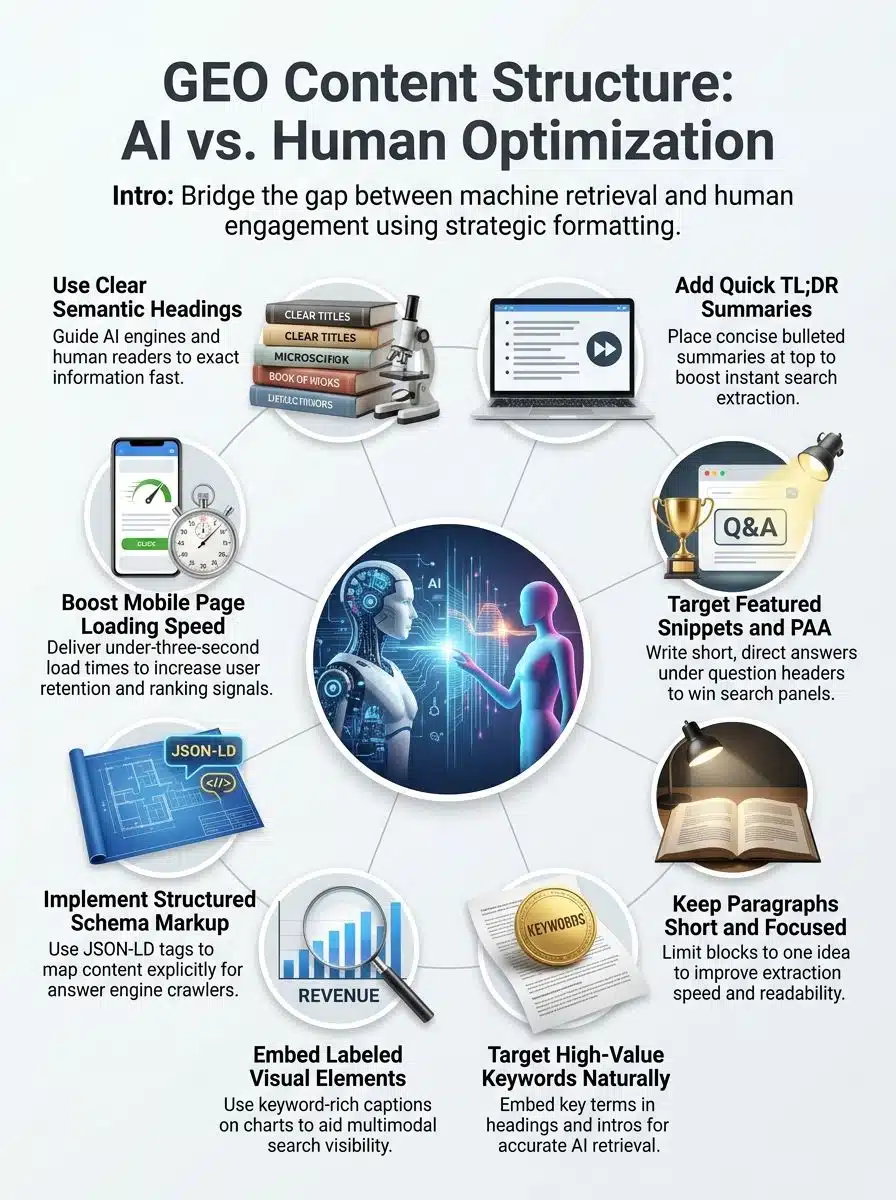
Use Clear Headings and Semantic Structure
Headings do more than make an article look organized. They tell readers where to go, and they tell search systems what each section is about. I used to treat headings mostly as readability tools. Now I treat them as meaning signals.
A vague heading like “Important Things to Know” does not help much. It gives no clear topic, no search intent, and no extraction value. A better heading would be “How GEO Content Structure Helps AI Retrieval.” That heading tells both the reader and the machine what the section will explain.
Here is the heading approach I usually follow:
- Use one clear H1 for the main topic.
- Use H2s for major search-intent sections.
- Use H3s for supporting points, steps, examples, or comparisons.
- Avoid clever headings if they hide the meaning.
- Keep terminology consistent across the page.
- Put the answer close to the heading, not five paragraphs later.
This is especially important for AI retrieval because sections are often understood in chunks. If one section is vague, the meaning can become weak even if the full article is good.
Include TL;DR Summaries and Quick Answers
I did not always use TL;DR sections. Earlier, I thought they might make the article look too simple. But now I see them as one of the cleanest ways to serve both busy readers and AI systems. A good TL;DR block does not replace the article. It gives the reader a quick map before they go deeper.
For GEO, I like placing a short summary near the top or below a major section when the topic is complex. It helps extract the main answer and reduces friction for readers.
A strong TL;DR should:
- Answer the main question directly.
- Use simple language.
- Include key terms naturally.
- Mention important dates, tools, or concepts when needed.
- Stay short enough to scan in seconds.
For example, if I were adding a TL;DR to this article, I might write:
“GEO Content Structure helps writers organize content so AI systems can retrieve clear answers while human readers still get a smooth, useful reading experience.”
That sentence is simple, clear, and extractable.
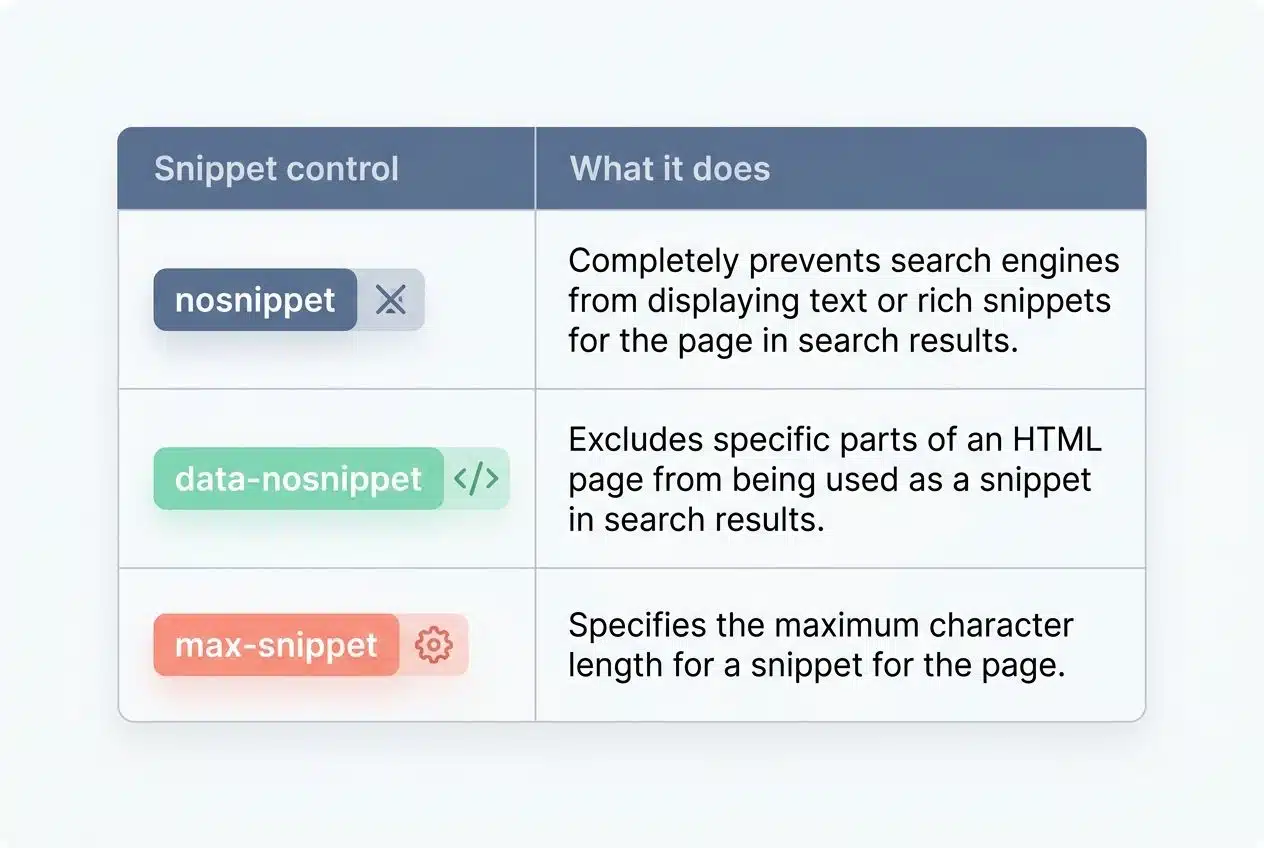
Use PAA-Style Questions and Featured Snippet Formats
People Also Ask-style questions still matter because they mirror how people search. They also help writers break complex topics into direct answer blocks. When I write for GEO, I often add question-led H2s or H3s where they feel natural. Not every section needs to be a question, but some topics become clearer that way.
For example:
- What Is GEO Content Structure?
- How Is GEO Different from Traditional SEO?
- How Do You Write for AI Retrieval?
- What Makes Content Easier for AI to Cite?
Each question creates a clean answer opportunity. The important part is not just adding the question. The answer below must be direct. I usually try to answer in the first one or two sentences, then expand with context.
That format works well for readers because they get the answer quickly. It also works well for AI systems because the content is easier to identify and extract.
Best Practices for Structuring GEO-Optimized Content
Good GEO structure should feel simple on the page, even if the thinking behind it is deliberate. I like to think of it as invisible editing. The reader should not feel like they are being dragged through an SEO framework. They should feel like the page is easy, clear, and helpful.
Keep Paragraphs Short and Focused
Short paragraphs are one of the easiest ways to improve both readability and extraction. I have learned this the hard way. Sometimes a paragraph contains three good ideas, but because they are packed together, none of them stands out. When I split that paragraph, the content instantly became easier to scan.
My rule is simple: one paragraph should do one main job.
It can define something. It can compare two things. It can explain a step. It can give an example. But when it tries to do everything at once, the reader gets tired, and the meaning becomes harder for AI to extract.
Here is how I usually clean up paragraphs:
- Start with the main point.
- Keep one idea per paragraph.
- Break long explanations into bullets when needed.
- Use one-sentence paragraphs for emphasis, but not everywhere.
- Remove filler lines that delay the answer.
This is not about making the article look thin. It is about making every part easier to use.
Use Relevant Keywords and Phrases Naturally
Keywords still matter, but keyword repetition is not the goal anymore. In my own writing, I try to use the focus keyword where it matters most: the title, intro, one heading, body sections, and final section. After that, I focus on related terms that help explain the topic.
For this article, the main keyword is GEO Content Structure. But the topic also naturally connects with:
- AI retrieval
- Generative engine optimization
- AI search visibility
- Semantic search
- Information extraction
- Human reading
- Content optimization
- Answer engine optimization
- Structured content
- User engagement
These terms help build topical depth without making the article sound repetitive. The trick is to use keywords that clarify meaning. If a keyword makes the sentence worse, I rewrite the sentence instead of forcing it.
That is one of the biggest differences between old SEO writing and GEO-aware writing. The goal is not to repeat the keyword until the page feels “optimized.” The goal is to make the page clearly about the topic from every angle.

Add Visual and Interactive Elements
Visuals help readers understand complex topics faster. For GEO topics, I find comparison visuals especially useful because they turn abstract ideas into something easier to grasp.
For this kind of article, I would consider adding:
- A comparison graphic showing AI retrieval vs human reading.
- A simple content structure map.
- A checklist for GEO-friendly article sections.
- A flowchart showing how content moves from page to AI answer.
- A before-and-after example of a weak section and a stronger section.
But I would not let visuals carry the main meaning alone. That is important. If the key idea only appears inside an image, search systems may not understand it as clearly. Readers using screen readers may also miss it. So I always support visuals with short captions, alt text, and nearby explanation.
A good visual should make the article easier to understand. It should not replace the article.
Technical SEO Considerations for GEO
GEO is not only about writing. The page also needs to be easy for search systems to crawl, render, and understand. I have seen good content underperform because the technical basics were weak. The article was useful, but the page was slow, the mobile version was missing content, or the schema did not match what users could actually see.
That is why I now treat technical SEO as part of the content structure, not a separate afterthought.
Schema Markup Implementation
Schema markup helps search systems understand what kind of page they are reading. It does not magically guarantee visibility, but it gives a clearer context.
For an article like this, the Article schema and the Breadcrumb schema would usually make sense. If the page includes a proper FAQ section, the FAQ structure may still help organize the content, even if rich result visibility is limited for many sites.
The main rule I follow is simple: schema should match the visible content.
Do not mark something as a review if it is not a review. Do not add FAQ markup if those questions are not visible on the page. Do not copy one schema template across every page without checking whether it fits. For most websites, I prefer JSON-LD because it is cleaner and easier to maintain.
My basic schema checklist looks like this:
- Use the correct schema type for the page.
- Match markup with visible content.
- Add a clear article title, author, date, and description where relevant.
- Test the page with a rich result or schema validation tool.
- Update the schema when the page changes.
Schema is not a substitute for good writing. It is a support layer.
Improving Page Load Speed
Page speed affects both readers and search systems. From a reader’s point of view, slow pages are annoying. From a search point of view, slow and unstable pages can make crawling, rendering, and user experience weaker.
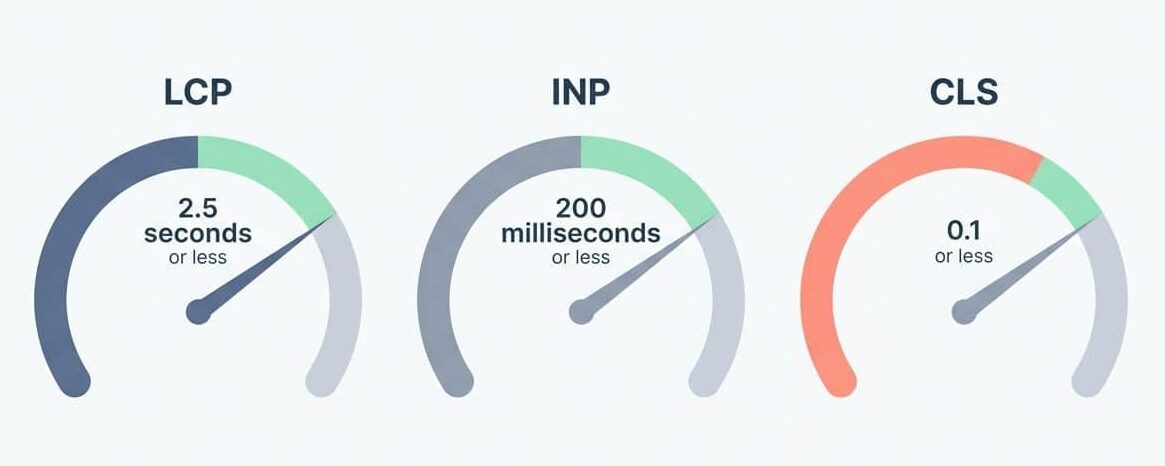
When I review a content page, I pay attention to three performance areas:
| Metric | Good Target | Why It Matters |
| LCP | 2.5 seconds or less | Shows whether the main content loads quickly |
| INP | 200 milliseconds or less | Shows whether the page responds smoothly |
| CLS | 0.1 or less | Shows whether the layout stays stable |
One common mistake I still see is overusing heavy images, scripts, and pop-ups on pages that are supposed to answer a simple question. That hurts the reading experience.
Another mistake is lazy-loading important above-the-fold elements. Lazy loading can be useful, but not when it delays the main image or core content the reader needs first.
For GEO content, the main answer should load fast. The user should not have to fight the page before they can read the answer.
Ensuring Mobile Optimization
Mobile optimization matters because many readers will experience your article on a phone first. I always check whether the mobile version keeps the same important content as the desktop version. Sometimes sites remove sections on mobile to make the page shorter. That can hurt the actual page meaning if important explanations, captions, headings, or structured data disappear.
For GEO, that is risky because the mobile version is often the version search systems rely on most.
My mobile content checklist is simple:
- Keep the same main content on mobile and desktop.
- Use clear headings on both versions.
- Make tables readable on small screens.
- Avoid hiding key content behind unnecessary clicks.
- Keep image alt text and captions intact.
- Test the page on a real phone when possible.
If the article is hard to read on mobile, it is not truly optimized.
Leveraging AI Tools for GEO Success
AI tools can help a lot with GEO content, but only when they are used carefully. I use AI more like an editorial assistant than a replacement writer. It can help me find weak structure, summarize long sections, suggest questions, or spot repeated phrasing. But I do not trust it blindly with facts, claims, or final voice.
That human layer still matters.
AI Content Analysis Tools
For practical GEO work, I do not think writers need a complicated tool stack at the beginning. The strongest starting point is usually a mix of reliable SEO and performance tools:
- Google Search Console
- PageSpeed Insights
- Lighthouse
- Rich Results Test
- Schema Markup Validator
- Analytics tools
- AI-assisted content review tools
Search Console is especially useful because it shows whether a page is gaining impressions, losing clicks, or sitting in that frustrating zone where people see it but do not click.
When I update a section for better GEO structure, I look for signals like:
- Did impressions improve?
- Did CTR change?
- Did the page start ranking for more question-style queries?
- Did users stay longer?
- Did the rewritten sections reduce bounce or improve engagement?
GEO is not only about being cited by AI. It is also about making the page stronger across discovery channels.

Generative AI for Content Creation
Generative AI is useful when I want to pressure-test content structure.
For example, I might ask an AI tool:
- Which section is unclear?
- Which paragraph depends too much on earlier context?
- What questions would a beginner ask after reading this?
- Can this paragraph be rewritten into a direct answer?
- Which heading sounds too vague?
- Where does the article repeat itself?
That kind of use can improve the article. But I avoid letting AI invent statistics, expert claims, or fresh industry updates without verification. That is where many weak AI-assisted articles go wrong. They sound confident, but do not hold up.
My rule is this: AI can help shape the structure, but I need to own the judgment.
A human writer should still decide what is true, what is useful, what sounds natural, and what deserves to stay.
Benefits of GEO Content Structure
The biggest benefit of GEO Content Structure is that it makes content easier to use. AI systems can understand it faster. Readers can scan it faster. Editors can update it faster. Businesses can measure it more clearly.
That combination is why I think GEO structure is becoming a serious content skill, not just another SEO buzzword.
Enhanced AI Search Visibility
Clear structure gives AI systems a better chance to understand the page, identify the best passage, and connect the content to the right query. This does not mean every structured page will be cited. Nothing works that neatly. But a messy page with buried answers has a much harder job.
When I write with GEO in mind, I try to make the page useful at three levels:
- The full article should satisfy the reader.
- Each section should answer a clear subtopic.
- Key paragraphs should stand alone as extractable answers.
That layered structure increases the chance that the page can show up in traditional search, AI summaries, and answer-style experiences.
Improved User Experience for Humans
The same structure that helps AI often helps people, too. Clear headings reduce confusion. Short paragraphs make the article lighter. Comparison blocks help readers make decisions. TL;DR sections save time. Practical examples build trust.
That is why I do not see GEO as writing against human readers. I see it as writing with more discipline.
A strong GEO page gives readers:
- Faster answers
- Better flow
- Easier scanning
- More useful examples
- Stronger trust signals
- Less wasted time
And that is still the heart of good content.
A Practical GEO Content Structure I Use
When I build a GEO-friendly article, I usually follow a simple structure like this:
| Section | Purpose |
| Strong Intro | Hooks the reader and introduces the focus keyword |
| TL;DR or Quick Answer | Gives AI and readers a clean summary |
| Definition Section | Explains the main topic clearly |
| Comparison Section | Shows differences, use cases, or mistakes |
| Step-by-Step Guidance | Makes the article practical |
| Evidence and Examples | Builds trust and context |
| Technical or Advanced Section | Adds depth for serious readers |
| FAQs | Captures question-based search intent |
| Final Section | Reinforces the main takeaway naturally |
This structure is not fixed for every article. But it gives me a reliable base. I can adjust it depending on the topic, search intent, audience, and article length. The important thing is that every section must have a reason to exist.
Finally: The Structure Has to Serve the Reader First
That is the real point of GEO Content Structure. You do not need to choose between AI retrieval and human reading. The best content does both.
Give the page a direct answer, useful headings, visible evidence, clean technical signals, and a natural reading flow. Make it easy for AI systems to understand, but never forget that a real person has to land on the page and feel like it helped them.
That is the balance I now try to bring into every SEO article I write. Start with one page. Add a clearer answer near the top. Improve the headings. Break long paragraphs. Add a short summary. Check the mobile version. Support your claims. Make the article easier to extract and easier to read.
Small structure changes can make your content stronger for AI search and far better for human readers.
Frequently Asked Questions About GEO Content Structure
1. What Is GEO Content Structure?
GEO Content Structure is the way you organize content so generative AI systems can understand, retrieve, and cite clear information while human readers still get a smooth reading experience. It is not about local geography. In this context, GEO means Generative Engine Optimization.
2. How Do I Write for AI Retrieval Versus Human Reading?
For AI retrieval, use clear headings, direct answers, short sections, and specific facts. For human reading, use natural flow, simple language, helpful examples, and smooth transitions. The best approach is to answer directly first, then explain the point in a human way.
3. Which Parts of Content Structure Matter Most for SEO and User Intent?
The most important parts are the title, intro, headings, first sentence under each heading, summaries, examples, schema, and mobile readability. These elements help search systems understand the page and help readers find the answer they came for.
4. How Do I Test Whether My GEO Content Structure Is Working?
Track impressions, clicks, CTR, ranking changes, engagement, and query growth in your analytics and Search Console data. You can also compare old and updated sections to see whether clearer headings, summaries, and answer blocks improve performance over time.
5. Does GEO Content Structure Replace Traditional SEO?
No. GEO Content Structure does not replace traditional SEO. It builds on it. You still need strong keywords, search intent, technical SEO, helpful content, and good user experience. The difference is that GEO also makes your content easier for AI systems to understand, extract, summarize, and cite.