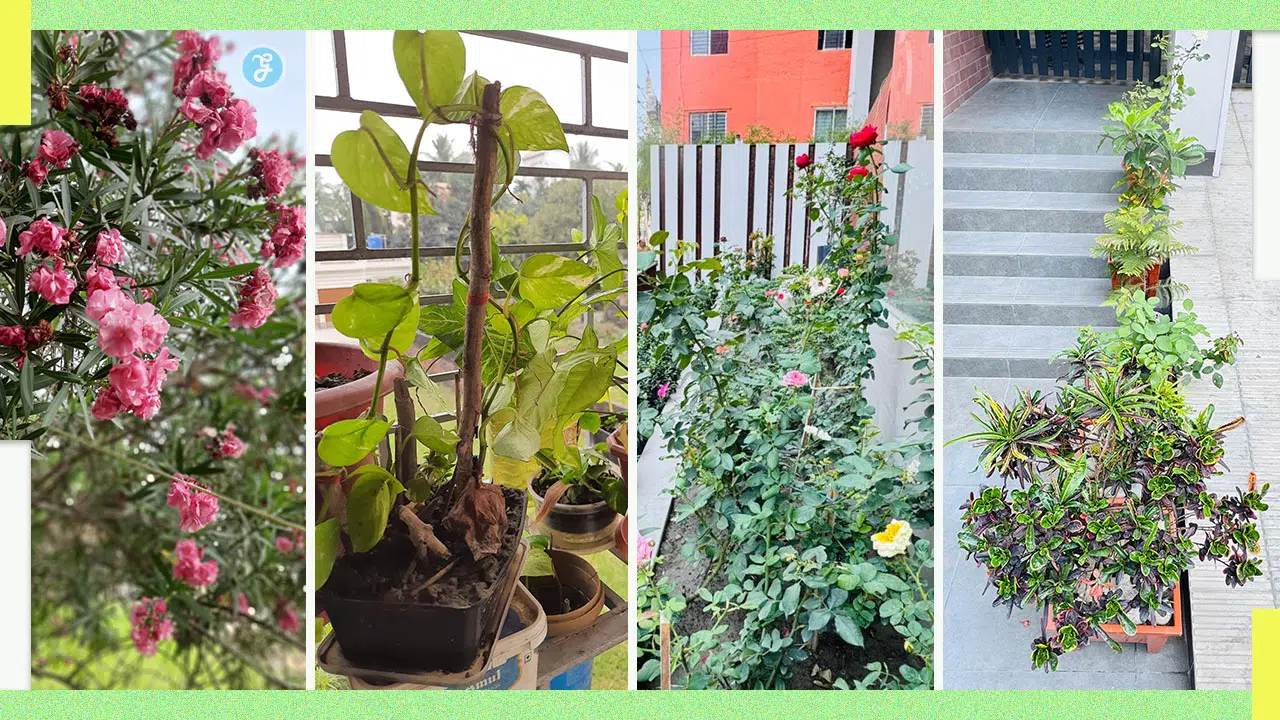
The modern corporate morning in cities like Dhaka, Kolkata, Delhi and Auburn rarely begins with a gentle awakening. Instead, it shatters the dawn. Before the sun even clears the skyline, the jarring shriek of an alarm thrusts us into a vortex of urgent emails, looming deadlines, and high-stakes executive decisions. We are instantly tethered to the relentless digital grid, expected to perform and produce without pause. Yet, there is a powerful rebellion against this manufactured chaos. Utilizing urban gardening for mental health is no longer just a quaint pastime; it has become an essential strategy for survival.
Imagine a radically different start to the day, carved out in a fragile, sacred pocket of absolute quiet before the rest of the household stirs. Stepping onto a cramped balcony or approaching a narrow kitchen windowsill with a simple watering can offers a profound sensory shift. The cool weight of the metal spout, the rich and earthy scent of damp soil meeting water, and the vibrant green of new leaves unfolding against the concrete backdrop provide an immediate, grounding anchor. This is a deliberate, tactile sanctuary away from the relentless glare of blue light.
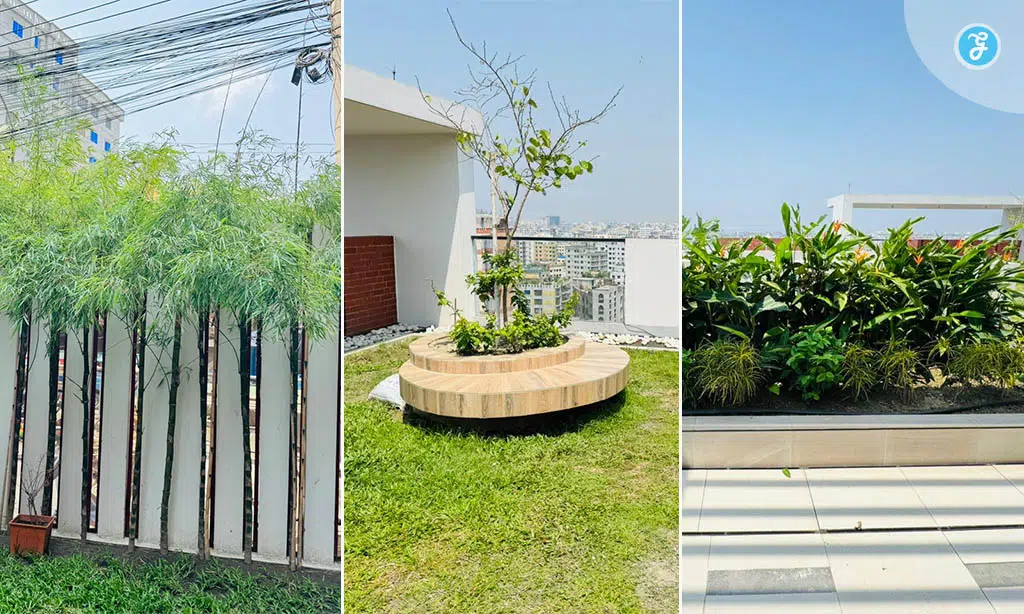
This daily practice of micro-gardening is far from a mere aesthetic choice or a fleeting domestic trend. It is a rigorous, necessary protocol for the modern professional. When the physical world shrinks to the dimensions of a laptop monitor, cultivating life in small spaces acts as a direct, scientifically proven antidote to deep-rooted burnout and chronic digital fatigue. By actively engaging with nature right inside our high-rise apartments, we counter the exhaustion of city living with deliberate, quiet growth. It is the ultimate pushback against a culture that demands constant output, offering a silent, restorative rhythm in return.
The Sanctuary of the Skyline
For Anirban Pabak, a name he chooses to use as a shield for his privacy while living in a gleaming Dhaka high-rise, the ascent to the rooftop is more than a physical climb. It is a transition into a different state of being. In a city that never truly sleeps, where the hum of traffic and the weight of global instability press in from every side, his garden stands as a living barricade.
“I love to see the garden at my rooftop and on the ground,” he explains, his voice softening as he describes the greenery that frames his daily life. “It gives me a profound sense of relief from the daily stresses of my career, the heavy news of ongoing wars worldwide, and the many other anxieties that seem to hang in the air lately.”
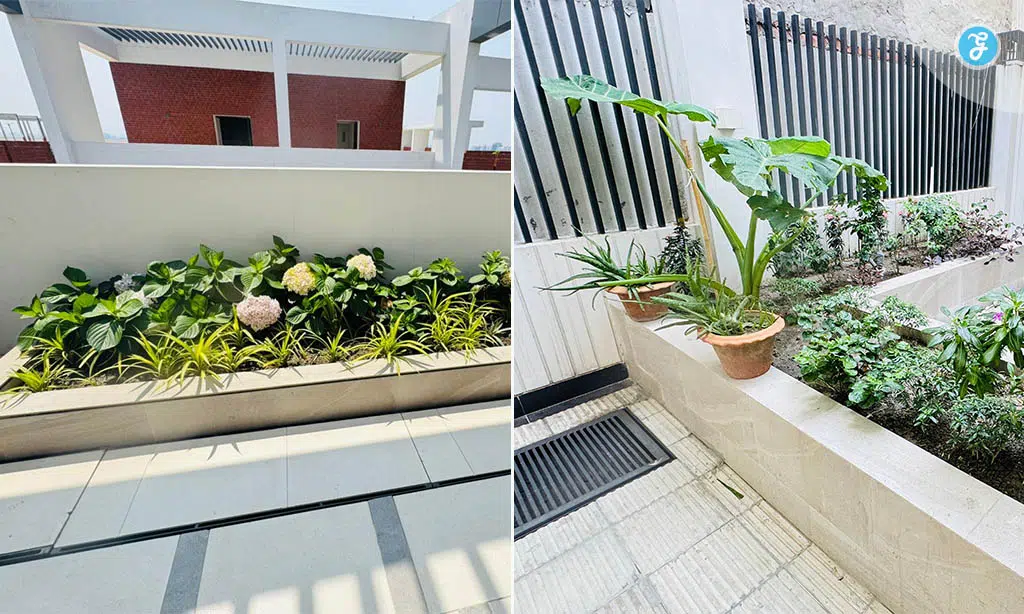
For professionals like Anirban, these green spaces are not just architectural flourishes or decorative additions to a luxury building. They are essential psychological anchors. When the digital feed is flooded with conflict and economic volatility, the sight of a leaf catching the light or the steady, predictable growth of a shrub provides a necessary counter-narrative. It is a reminder that while the world outside may feel chaotic and fractured, life in its simplest, most organic form continues to persist with quiet, stubborn grace.
Engaging with these gardens allows for a momentary detachment from the global polycrisis. By focusing on the immediate needs of a plant, the overwhelming scale of international tension is replaced by a manageable, nurturing task. This shift in perspective is what makes urban gardening for mental health such a potent tool for the modern executive. It transforms a rooftop from a mere viewpoint of a crowded city into a sanctuary where the mind can finally catch its breath.
The Rhythm of Restoration
For Jhinukbari, a dancer well known in dance circles navigating the vibrant yet exhausting cultural landscape of Kolkata, the micro-garden in her home serves as a silent partner in her creative journey. Much like the precision required in her choreography, the deliberate care of her plants offers a different kind of performance, one that centers on stillness rather than movement.
“My home garden is my personal stage for silence,” Jhinukbari shares with a sense of calm. “In a world where I am constantly moving and expressing for an audience, be it my students or whomever, these plants ask for nothing but my presence. Tending to them provides an immediate relief that nothing else can match. It is a grounding force that allows me to shed the noise of the city and find my internal rhythm again.”

This experience highlights the universal appeal of urban gardening for mental health across various professional disciplines. For a performer, the garden represents a transition from the public eye to a private sanctuary. The tactile feedback of the soil and the slow, visible growth of a new bud provide a soothing contrast to the high energy and rapid pace of the dance studio. In her Kolkata apartment, this green corner is not just a collection of pots; it is a vital space where she can decompress and restore her emotional reserves.
The Clinical Perspective on Cognitive Restoration
In the clinical landscape of urban wellness, experts are increasingly recognizing that the antidote to modern burnout often lies in ancient, tactile activities. As digital fatigue becomes a pervasive corporate ailment, the deliberate act of nurturing a living organism provides a neurological reset that high-speed technology cannot replicate. This practice bridges the gap between high-pressure executive demands and the fundamental biological need for sensory grounding and rhythmic calm.

“In my practice, I see many high-achieving urban professionals who are constantly overstimulated and rarely get to reset,” says Dr. Jyotsana Singh, Consultant Psychologist at Max Healthcare, Noida. “Micro-gardening offers a simple pause. It gently restores attention, reduces stress, and even a few minutes daily can lower cortisol and bring back a sense of control.”
Dr. Singh’s observations align with the growing body of evidence supporting urban gardening for mental health as a primary intervention for workplace anxiety. By shifting the focus from abstract digital problems to the concrete needs of a plant, professionals can effectively silence the background noise of a hyperconnected life. This restoration of attention is not merely a break from work; it is a vital recalibration of the mind’s ability to focus and maintain emotional equilibrium.
To reach your word count goal without sacrificing quality, we must dive deeper into the specific psychological mechanics and the practical “how-to” of these green interventions.
The Biology of the Quiet Break
Modern work culture is an exhausting assault on the human nervous system. We operate in a state of perpetual alertness, responding to pings and notifications as if they were physical threats. This constant digital tethering does more than just tire the mind; it fundamentally alters our internal chemistry. By reclaiming a small patch of earth, we can initiate a biological pivot that moves the body from a state of alarm to one of restoration.
Escaping the Cortisol Trap
The average professional remains locked in a subtle but damaging fight-or-flight response for most of the day. When we jump from a high-pressure call to an urgent spreadsheet, the body floods with cortisol. While this hormone helps us handle short-term emergencies, its chronic presence is toxic. It leads to persistent anxiety, poor sleep, and a sense of being permanently overwhelmed.
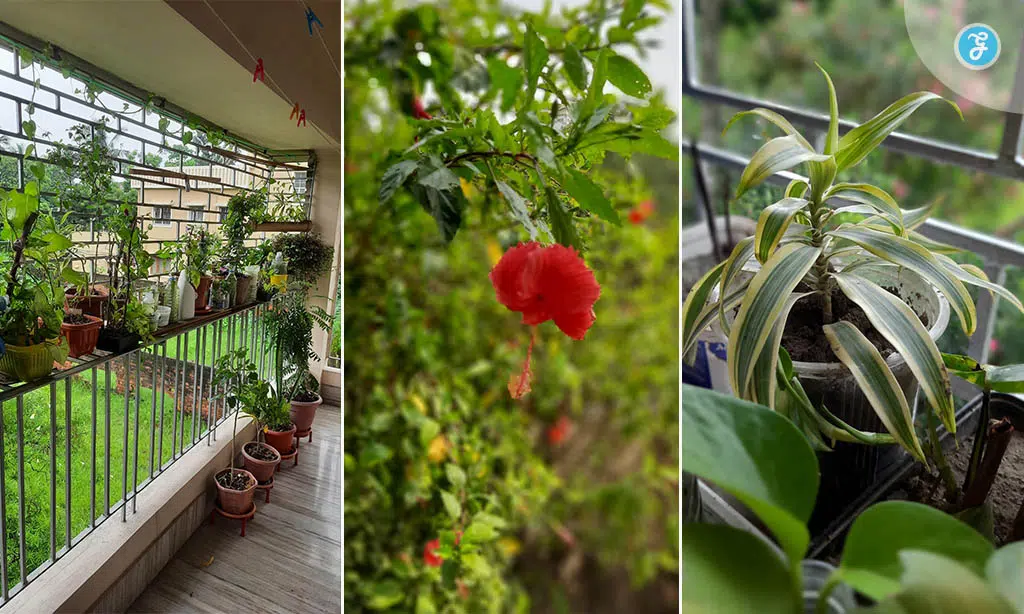
Urban gardening for mental health acts as a natural circuit breaker for this chemical cycle. When you put down the phone and pick up a trowel, you are signaling to your brain that the crisis is over. This shift is not just psychological; it is a measurable physiological change that allows the heart rate to stabilize and the mind to clear.
The Tactile Path to a Reset
Science backs the feeling of calm that comes from the garden. A 2024 study archived by the National Center for Biotechnology Information proved that engaging in garden therapy significantly lowers salivary cortisol levels. The research suggests that the tactile engagement with plants provides a unique form of sensory input that the brain finds inherently soothing.
There is also a hidden ally in the dirt. Soil contains a natural bacterium known as Mycobacterium vaccae. Studies indicate that inhaling or coming into contact with this organism can stimulate serotonin production. This is the same chemical targeted by many antidepressant medications. For a professional in Delhi or Kolkata, the simple act of repotting a plant becomes a sophisticated, non-clinical way to boost mood and resilience.
Breaking the Cycle of Rumination
Intense analytical work often leads to a phenomenon called rumination, where the mind endlessly loops over worries and past mistakes. This mental treadmill is a leading cause of executive burnout. Physical acts like pruning a dead leaf or precisely placing a seed require a specific type of focus that interrupts these negative loops.
This is known as sensory grounding. By focusing on the texture of a leaf or the scent of damp earth, you pull your consciousness out of the abstract future and back into the physical present. This brief period of “soft fascination” allows the prefrontal cortex to rest. It is a much needed holiday for the brain that ensures you return to your desk with a sharper, more balanced perspective.
The Primal Call of the Green
Our modern cities often feel like a massive experiment in how far humans can be pushed away from their natural origins. We spend our lives in climate controlled boxes, separated from the cycles of the sun and the seasons. This separation is not a sign of progress; it is a source of profound psychological stress. We have a deep, ancient hunger for the living world that no amount of technology can satisfy.
The Genetic Need for Nature
Biologist E.O. Wilson famously identified this as the biophilia hypothesis. He argued that our urge to connect with other forms of life is hardwired into our DNA. For nearly all of human history, our survival depended on our ability to understand and affiliate with the natural world.
Today, the urban landscape starves this essential input. We are surrounded by hard angles, gray concrete, and flickering screens. This environmental deprivation leads to what some experts call nature deficit disorder. When we are cut off from greenery, our cognitive performance drops and our stress levels rise. We are simply not built to live in a world devoid of life.
Creating a Vertical Sanctuary
The good news is that our biological systems are remarkably responsive. You do not need a vast landscape to satisfy your biophilic needs. A curated collection of indoor plants in a small apartment or a vibrant herb garden on a balcony is more than enough to trigger a positive response.
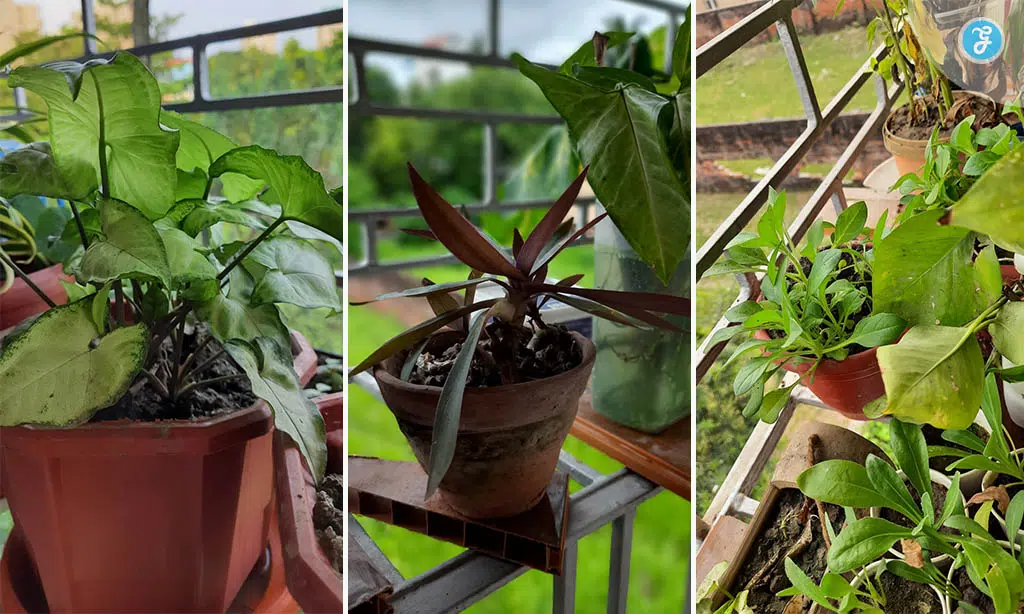
Even a single Monstera in the corner of a room or a row of succulents on a windowsill can transform a space from a cold office into a restorative sanctuary. These small green interventions act as a bridge back to the natural world. They provide a focal point for our innate need to nurture, proving that even a tiny urban garden can satisfy a massive evolutionary craving.
Relief for the Digital Eye
Our eyes were evolved to scan horizons and track subtle movements in nature, not to stare at a glowing rectangle a foot from our faces. Digital eye strain is the result of forcing the eyes to focus on rigid, high contrast pixels for hours on end. This causes physical fatigue that the brain interprets as mental exhaustion.
Plants offer the perfect visual remedy. Organic forms are composed of fractals, which are complex patterns that repeat at different scales. Research shows that the human brain processes these natural geometries with ease, causing the eye muscles to relax. Shifting your gaze from your monitor to the soft, intricate green patterns of a fern provides an immediate cooling effect for the mind. This visual relief is a cornerstone of garden therapy, allowing you to reset your focus without ever leaving your home.
Meditation in Motion
Traditional mindfulness often feels like another chore for the busy executive. Sitting still in a quiet room can be frustrating when your brain is wired for constant movement and rapid-fire decisions. For many, the attempt to empty the mind only creates more mental noise. Micro-gardening offers a different path by turning physical activity into a psychological anchor.
The Power of the Process
Garden therapy serves as a moving meditation. It replaces the struggle of sitting still with the rhythmic ease of physical care. The simple routine of checking for new growth or misting a fern forces your attention into the immediate present. You cannot water a plant while your mind is stuck in a stressful meeting from three hours ago without noticing the water overflow.
The sensory feedback is immediate. The scent of damp earth and the cool texture of a leaf provide a grounding effect that silent meditation often lacks. This tactile engagement shuts down the background hum of digital anxiety. It allows the professional to enter a state of flow where the only thing that matters is the health of the living organism in front of them.
Reclaiming Personal Autonomy
Most of our workdays are dictated by external forces. We react to shifting news cycles, client demands, and the whims of leadership. This lack of control is a primary driver of workplace stress. A micro-garden offers a rare space where you retain total narrative control.
You decide which seeds to plant and where the pots should sit. You choose the aesthetic and the pace of care. This sense of agency is incredibly restorative. In a world where your professional output is often abstract or subject to the approval of others, the garden remains a private domain of creative freedom. It is a small but powerful way to remind yourself that you are the master of your own environment.
The Executive Lesson in the Soil
Gardening is a quiet masterclass in professional resilience. It strips away the illusion of immediate results and forces us to confront the reality of organic growth. The lessons learned on a balcony in New Delhi or a rooftop in Dhaka are directly applicable to the volatile environment of management and media.
The Art of Delayed Gratification
In the corporate world, we are obsessed with speed. We want instant metrics and immediate returns. Plants operate on a different clock. A seedling cannot be rushed by a tight deadline or an aggressive directive. It grows when the conditions are right and not a second sooner.
Tending a garden teaches a professional how to value the process over the immediate result. It reinforces the idea that some of the most important projects in life require steady, quiet persistence rather than frantic bursts of energy. This practice in patience helps prevent the burnout that comes from expecting constant, rapid success in an unpredictable market.
Accepting the Uncontrollable
Despite your best efforts, sometimes a plant fails to thrive. A sudden pest, a shift in humidity, or a week of poor light can take a toll. This mirrors the reality of managing teams or launching new products. You can do everything right and still face a setback.
Micro-gardening builds the emotional muscle needed to accept these failures without a total collapse of confidence. It teaches you to pivot and try a different approach rather than ruminating on the loss. This resilience is what separates a seasoned leader from one who is easily rattled by the unexpected. You learn to focus on what you can control while letting go of what you cannot.
Returning to the Newsroom
The emotional regulation practiced among your plants does not stay on the balcony. It follows you back to your desk. After spending twenty minutes in a state of calm observation, you approach your inbox with a different energy. You are less likely to fire off a reactive email or lose your temper during a difficult negotiation.
The garden acts as a mental palate cleanser. It lowers your baseline level of irritability and allows you to approach complex problems with a measured, objective mindset. By the time you return to the digital world, your focus is restored and your perspective is broadened. You are no longer just reacting to the chaos; you are navigating it with the steady hand of someone who knows how to nurture growth in any environment.
Reclaiming the Quiet Life
The evidence is clear and the biological case is closed. For the modern professional, urban gardening for mental health is not a luxury or a decorative afterthought. It is a fundamental shift in how we manage our internal chemistry. By inviting the living world into our high-rise apartments, we gain access to a physiological reset that no app or executive retreat can provide. The simple act of tending to a plant lowers cortisol, restores fractured attention, and rebuilds the emotional resilience we lose in the daily corporate grind.
Reclaiming your mental bandwidth does not require a massive investment or a degree in botany. It begins with a single, resilient plant on a corner of your desk or a sunny kitchen ledge. You can start with a hardy snake plant or a small pot of basil. The goal is not to achieve agricultural perfection but to establish a consistent, tactile connection with the natural world. This tiny green footprint serves as your personal sanctuary. It is a place where the noise of the global economy fades and the slow, steady rhythm of growth takes center stage.
We live in a culture that rewards loud, immediate results and constant digital availability. Yet, our human systems require moments of quiet, organic development to function at their peak. Choosing to cultivate a micro-garden is a quiet act of rebellion against the exhaustion of the city. It is a commitment to your own well-being that pays dividends in clarity and calm. As the world continues to demand more of your time and energy, remember that true strength often grows in the silence of the soil. Put down the phone, pick up the watering can, and let the healing begin.