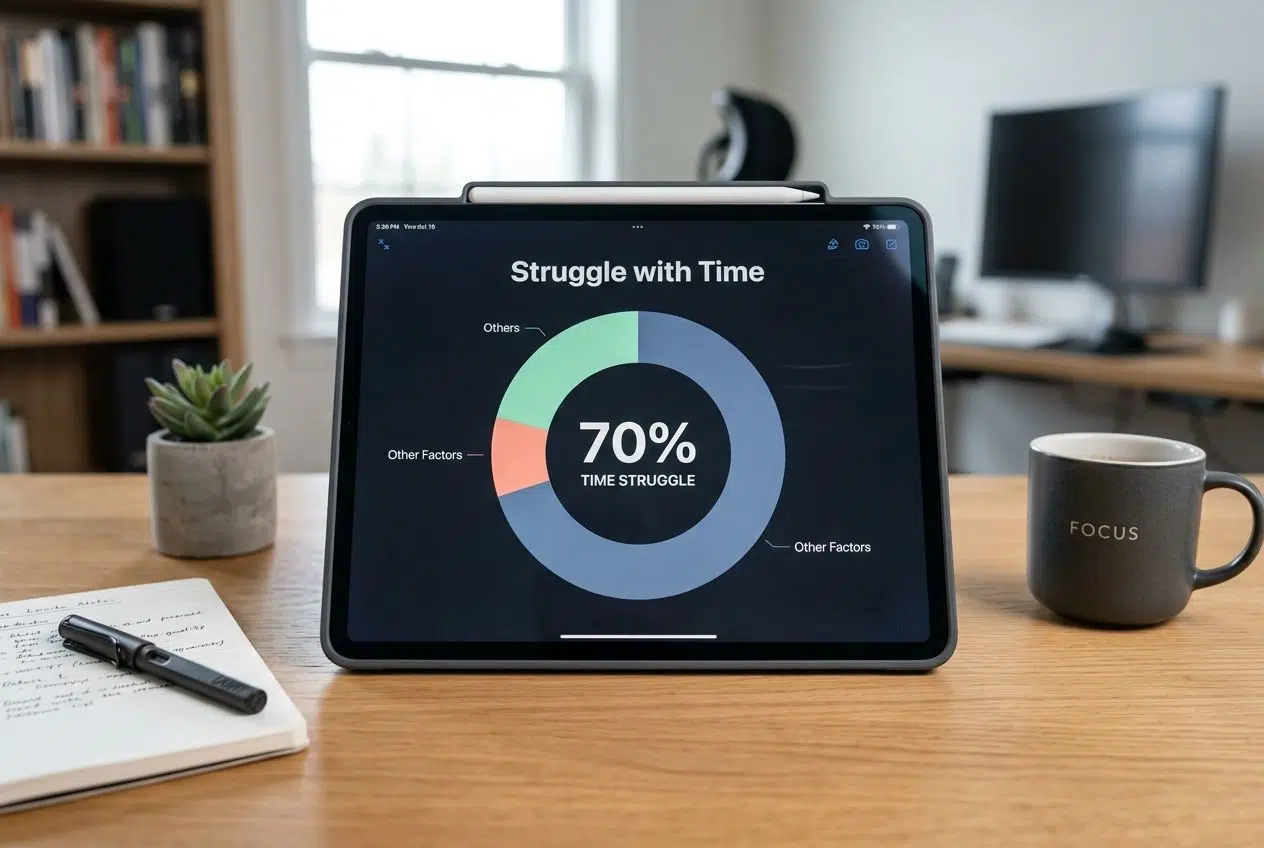
You juggle a full-time job and online classes. Deadlines pile up. Stress hits hard. Energy runs low. You wonder if you can keep going. Many face this grind. It feels like spinning plates, one wrong move and everything crashes. A study shows that over 70% of working adults in online programs struggle with time. They burn out fast without good plans.
This post breaks down simple steps to master Balancing Work And Online Learning. You get tips on schedules, boundaries, and self-care. All keep you on track.
Ready to take control?
Challenges of Balancing Online Learning and a Full-Time Job
Now that we’ve set the stage in the introduction, let’s jump into the real hurdles you face when you mix online learning with a full-time job. Consider this: you clock out from a long day at work, only to log into your online education platform for a heavy course load of lectures and homework.
Fatigue hits hard, right? Time management becomes your biggest foe, as job responsibilities eat up your hours, leaving little room for study schedules or even rest days. Add in the stress of remote work flexibility that blurs lines between professional development and personal time, and suddenly, work-life balance feels like walking a tightrope.
You might find yourself skipping self-care, ignoring that much-needed break, just to keep up with e-learning demands.
Empathy kicks in here, because I’ve heard stories from people like you who battle constant distractions at home, where your workspace separation is key but tough to maintain. Motivation dips when productivity tools fail to shield you from family interruptions or endless emails.
Stress management turns into a daily puzzle, as engagement in online courses clashes with the need for a solid support system from peers or family. Job duties don’t pause, so juggling that with study tips often leads to late nights and burnout risks.
Time Management Strategies
Juggling a full-time job and online classes can feel like herding cats, you know? Grab a calendar, plot out your days like a pro coach mapping plays, and watch how it turns chaos into smooth sailing.
Create a realistic schedule
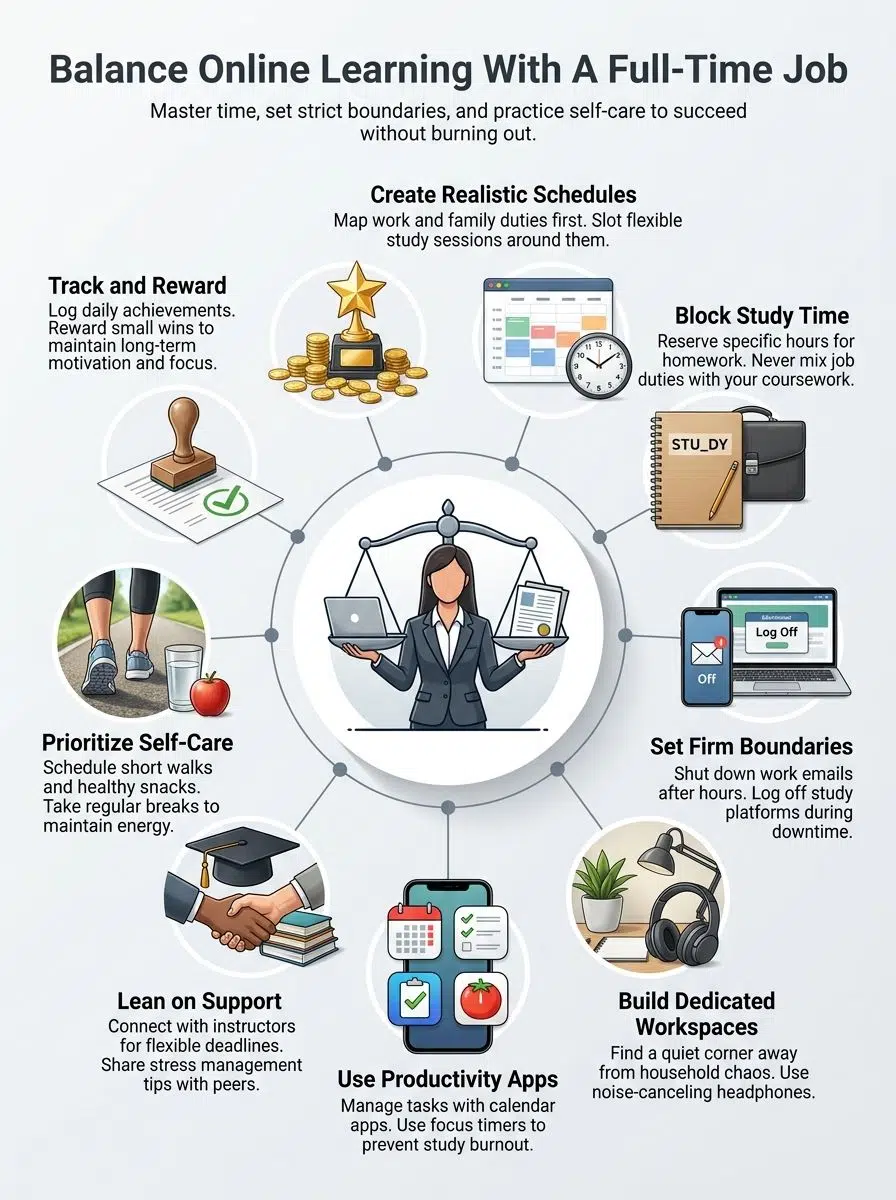
Creating a realistic schedule forms the backbone of balancing your online learning with a full-time job. It helps you juggle job responsibilities, course load, and some much-needed self-care without feeling overwhelmed.
- Assess your current commitments first, like mapping out your work hours, commute time, and family duties, then slot in study sessions around them to build a study schedule that fits your real life, not some perfect fantasy.
- Factor in flexibility because life throws curveballs, so leave buffer time in your scheduling for unexpected meetings or homework that takes longer than planned, keeping your productivity high without the stress.
- Break down your online education tasks into small, daily chunks, say, dedicating 30 minutes before work to review notes or an hour after dinner for e-learning modules, which boosts engagement and prevents burnout.
- Include rest days in your plan, treating them like sacred appointments to recharge, because skipping self-care leads to poor work-life balance and tanks your motivation over time.
- Review and tweak your schedule weekly, asking yourself what worked and what flopped, to refine your time management and make sure your professional development stays on track with job demands.
Once you nail this schedule, focus on setting clear priorities to keep everything running smoothly.
Set clear priorities
Once you’ve nailed down a realistic schedule that fits your full-time job and online learning, it’s time to zero in on what truly counts. Setting clear priorities helps you tackle the most important tasks first, keeping stress at bay and boosting your productivity. Juggle your job responsibilities and course load by ranking what’s urgent versus what’s important.
- Identify your top goals for both work and study each week, like finishing a big project at your job or completing homework for your online education class, so you focus energy where it makes the biggest impact.
- Rank tasks by deadlines and importance, say, putting a work meeting ahead of a low-stakes reading assignment, which streamlines your study schedule and supports better work-life balance.
- Use tools like to-do lists or apps to mark high-priority items, for instance, flagging urgent emails from your boss or key lectures in your e-learning platform, making time management feel less overwhelming.
- Reassess priorities daily, adjusting if a sudden job task pops up or if you need more time for self-care to avoid burnout, ensuring flexibility in your remote work and online education routine.
- Communicate priorities to your support system, such as telling your family about dedicated study times or informing instructors about your full-time job constraints, which builds engagement and reduces stress management issues.
- Tie priorities to long-term motivation, like reminding yourself how this professional development boosts your career, so you stay driven even on tough days with heavy workloads.
Use time-blocking techniques
Time-blocking boosts your time management skills. It helps you juggle a full-time job with online education without losing your work-life balance.
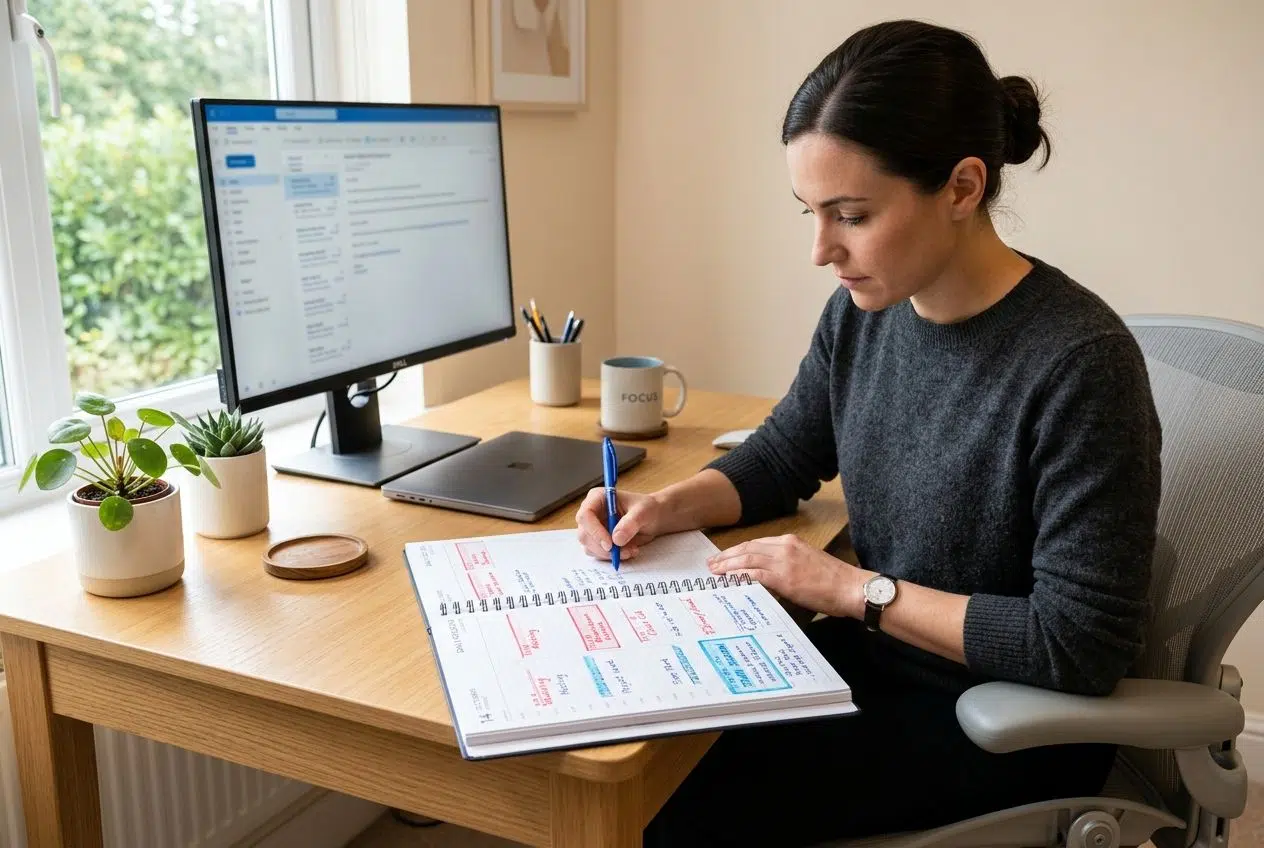
- Block out specific chunks of time for study sessions in your schedule, like reserving 7 to 9 PM for homework, so you stay focused and avoid mixing job responsibilities with course load.
- Assign colors to different activities in your planner, say red for work tasks and blue for e-learning modules, which makes your study schedule pop and keeps things visually clear.
- Start small with just one or two blocks a day to build the habit, then expand as you get comfy, turning chaos into a smooth productivity flow that supports your professional development.
- Include buffer time between blocks for unexpected hiccups, like a late work meeting, ensuring flexibility and reducing stress management woes.
- Review your blocks at week’s end, tweak them based on what worked, and pat yourself on the back for sticking to it, boosting motivation and engagement.
- Pair time-blocking with productivity apps that send reminders, helping you maintain workspace separation and carve out rest days for self-care.
Establishing Healthy Boundaries
Visualize drawing a firm line in the sand between your job hours, study sessions, and downtime to keep stress at bay, like telling your boss, “I’m off the clock after 5,” and looping in your prof about deadlines.
Separate work, study, and personal time
You juggle a full-time job and online learning, so keeping things separate avoids chaos. Clear boundaries boost your work-life balance and cut stress from mixing your study schedule with job responsibilities.
- Designate specific hours for work, study, and personal time, like treating them as non-negotiable appointments on your calendar to prevent overlap and maintain productivity.
- Shut down your work email after hours, and switch off study notifications during downtime, which helps you recharge and dodge burnout in your online education journey.
- Use physical cues, such as closing your laptop at the end of a study session or leaving your workspace, to signal to your brain that it’s time to shift gears and enjoy self-care.
- Tell family or roommates about your slots for homework and rest days, so they respect those times and support your flexibility in balancing everything.
- Blend short breaks into your routine, maybe a quick walk after work before tackling your course load, to keep engagement high without blending professional development with personal relaxation.
- Pick tools like timers or apps for time management that beep when it’s time to switch from job tasks to e-learning, making the separation feel natural and less like a chore.
- Reflect weekly on what bled over, say if remote work ate into study tips time, then tweak your approach to strengthen that workspace separation and motivation.
Communicate your availability with employers and instructors
Once you draw clear lines between work, study, and personal time, share those boundaries with the right people. Tell your boss about your study schedule upfront. Explain how online education fits into your job responsibilities.
This builds flexibility and prevents last-minute surprises. For example, say something like, “I have classes Tuesday evenings, so I’ll handle urgent tasks earlier in the day.” Your employer might even support your professional development, boosting your work-life balance.
Talk to your instructors, too. Let them know about your full-time job and any time management challenges. Share your availability for meetings or group work. This creates a strong support system and keeps engagement high in your online education.
Think of it as setting the stage for success, like a team huddle before the big game. Use email or chat tools to keep lines open, reducing stress and helping with productivity.
Creating a Productive Study Environment
Make your study spot a cozy fortress against chaos, so grab a quiet corner, stock it with your essentials, kick distractions to the curb like noisy notifications or clutter, and feel that focus kick in.
Set up a dedicated study space
Find a quiet corner in your home for studying. Pick a spot away from your work area to help with workspace separation. This setup boosts productivity during online education sessions. Keep it simple with a desk, chair, and good lighting. Add your laptop, notebooks, and any needed supplies right there.
Stock that space with tools that fit your study schedule. Think about noise-canceling headphones to block distractions. A plant or two can make it feel inviting, like a cozy nook for focus.
You create a better work-life balance this way, dodging the blur between job duties and homework. Feel the difference when you sit down and dive right in.
Minimize distractions
Distractions can wreck your study time, especially with a full-time job pulling you in every direction. You need smart ways to keep focus sharp and make online education fit into your busy life.
- Turn off notifications on your phone and computer during study hours to protect your concentration, because those constant pings from emails or social media act like thieves stealing your precious time management moments.
- Pick a quiet spot away from household chaos, like a corner desk in a spare room, so you can build a study schedule that feels solid and free from interruptions by kids or pets.
- Set specific times for checking messages or taking breaks, which helps maintain work-life balance and stops small distractions from snowballing into lost productivity.
- Use noise-canceling headphones to block out background sounds, turning your workspace separation into a fortress against the noise of daily life, and keeping your online education on track.
- Tell family or roommates about your study blocks ahead of time, so they respect your space and support system, reducing surprise visits that derail your focus.
- Keep your desk clear of non-study items, like snacks or unrelated gadgets, to boost motivation and make every homework session feel purposeful and efficient.
Tools can take your setup to the next level when you leverage technology and tools.
Leveraging Technology and Tools
Grab apps like calendars to juggle your day, and tap into platforms that let you learn on the go, making that work-study mash-up feel like a breeze.
Use productivity apps and tools
Productivity apps boost your time management skills. They help juggle online education with job responsibilities, keeping stress low.
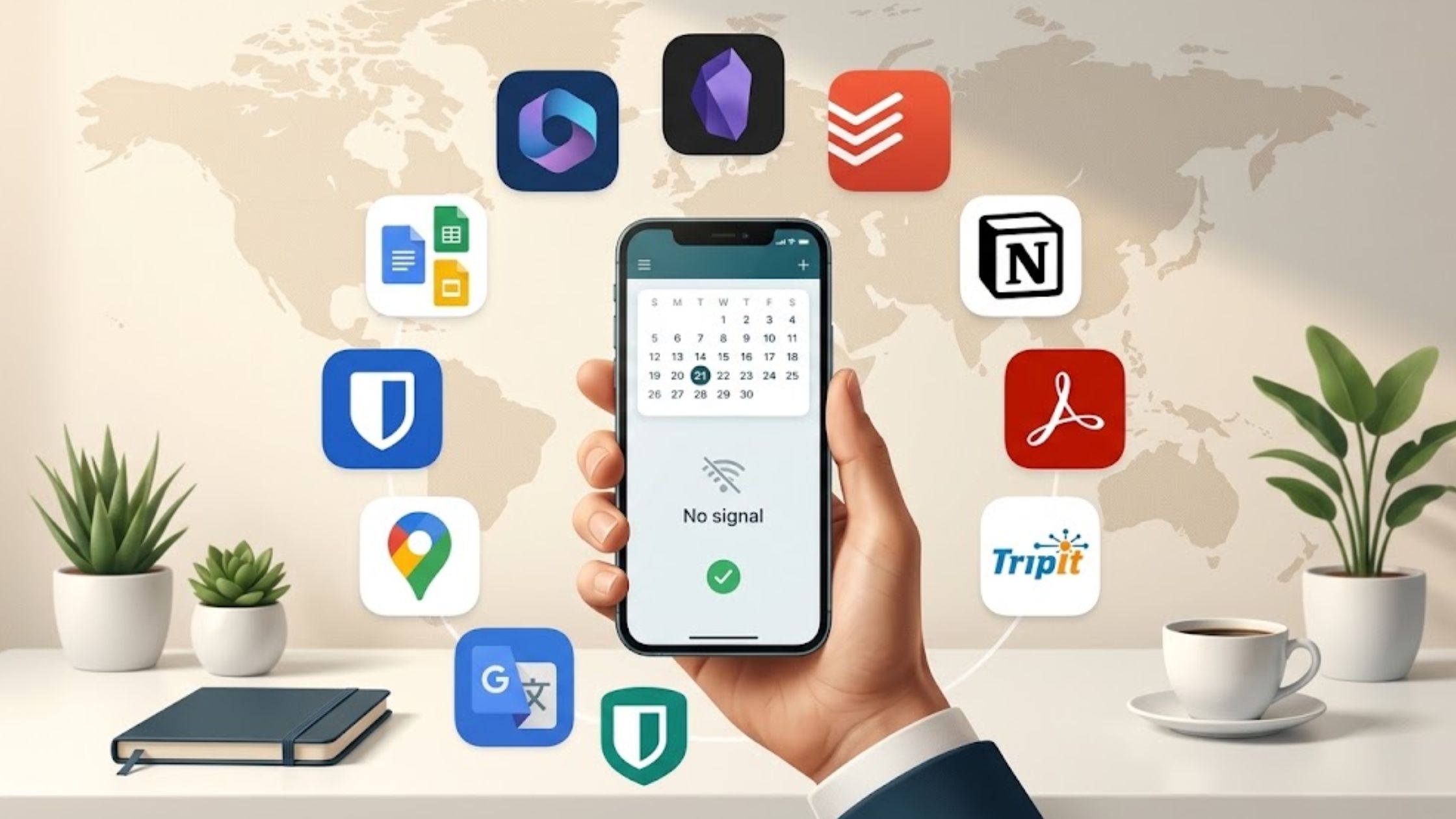
- Calendar apps like Google Calendar let you block out study slots around your work hours, so you avoid overlaps and stay on top of deadlines; see it as your personal traffic cop, directing your day without chaos.
- Task managers such as Todoist organize homework and job tasks into simple lists, complete with reminders that ping you at the right moments, turning overwhelming course loads into bite-sized wins.
- Focus timers, think Pomodoro apps like Focus Booster, break your study time into short bursts with built-in breaks, which fight burnout and amp up productivity during those precious after-work hours.
- Note-taking tools like Evernote capture quick ideas from online lectures or work meetings, syncing across devices for easy access, so you build a strong support system for recalling key points without scrambling.
- Habit trackers, for example, Streaks, motivate you by logging daily study habits alongside self-care routines, rewarding consistency that ties into better work-life balance and sustained engagement in e-learning.
- Collaboration platforms such as Slack connect you with peers or instructors for quick chats on course material, fostering a remote work vibe that extends to your professional development without eating into rest days.
Take advantage of online learning platforms
Online learning platforms make juggling a full-time job and studies easier than you think. They offer flexibility that fits right into your busy life, helping with time management and work-life balance.

- Explore platforms like Coursera or edX for courses that match your professional development goals; these sites let you learn at your own pace, so you can squeeze in homework during lunch breaks or after work hours, boosting your motivation without overwhelming your study schedule.
- Pick mobile apps from sites like Khan Academy to access lessons on the go; think about reviewing study tips while commuting, which turns downtime into productive moments and supports your e-learning needs amid job responsibilities.
- Join discussion forums on platforms such as Udemy to connect with peers; this builds a support system where you share stress management ideas, keeping engagement high and making online education feel less isolating.
- Use built-in tools for tracking progress on sites like LinkedIn Learning; set reminders for rest days and self-care, which helps avoid burnout while maintaining productivity in both work and study areas.
- Opt for flexible deadlines offered by many online education providers; this lets you adjust your course load around remote work demands, ensuring workspace separation and better general flexibility.
- Engage with interactive quizzes and videos on platforms like Skillshare; these keep you motivated through fun elements, turning routine study sessions into enjoyable breaks that enhance your work-life balance.
Seeking Support and Staying Connected
Juggling a full-time job and online classes can feel like a solo marathon, but you don’t run it alone. Reach out to instructors right away if questions pop up; they often have quick fixes or extra guidance that fits your busy life.
Connect with peers through group chats or study buddies, sharing stories about late-night homework sessions builds that sense of camaraderie, like finding allies in a tough quest. Tap into your school’s free tools, from advising hotlines to virtual meetups; they act as lifelines when motivation dips.
Visualize a quick email or forum post turning confusion into clarity, and suddenly you’re back in the game with fresh energy. Stay plugged in; it keeps isolation at bay and sparks ideas you never saw coming.
Reach out to instructors and peers
You face tough spots in online education while holding down a full-time job, so connect with your instructors right away. Send them an email about your work schedule, and ask for flexible deadlines on homework.
Peers in your courses often juggle the same chaos, as you do, so join study groups through the platform. Share tips on time management, and swap stories about squeezing in study sessions during lunch breaks. This support system builds motivation and keeps you engaged in your professional development.
Build that network early to dodge stress. Chat with classmates on forums about course load challenges, and trade productivity hacks for better work-life balance. Instructors can point you to resources for e-learning flexibility, which helps with job responsibilities.
Think of a quick message turning into a lifeline, like finding a buddy who gets your late-night cramming. Stay connected, and watch your online education journey smooth out.
Utilize resources provided by your institution
Your institution offers many resources to help you juggle online education with your full-time job. Tap into them to boost your productivity and keep stress in check.
- Check out academic advising services to tailor your course load to your work schedule, making sure you avoid overload and maintain work-life balance.
- Use tutoring centers or online help desks for quick answers on tough homework, which saves time and keeps your study schedule on track.
- Join study groups or peer networks through your school’s portal to build a support system, sharing tips on time management with others in similar spots.
- Access mental health resources like counseling sessions to handle stress management, ensuring you make time for self-care amid job responsibilities.
- Explore library tools and digital databases for efficient research, enhancing your engagement in online learning without cutting into rest days.
- Take advantage of career services for advice on professional development, linking your studies to job growth while practicing workspace separation.
- Sign up for workshops on productivity apps to improve your scheduling, helping you stay motivated through flexible e-learning strategies.
- Connect with instructors via office hours to communicate your availability, fostering better flexibility in managing remote work and studies.
Maintaining Work-Life Balance
Juggling a full-time gig and online classes feels like spinning plates, so carve out moments for self-care, like a quick walk or your favorite hobby, and slip in regular breaks to fend off burnout, keeping your energy tank full and your smile intact.
Make time for self-care
Self-care keeps you strong amid the demands of a full-time job and online education. Think of it like fueling your car; skip the gas, and you stall out fast. Grab short walks, eat healthy snacks, or chat with friends to recharge.
These habits boost your energy and cut stress. They fit right into your work-life balance, making tough days easier. Stress management starts with simple acts, like deep breaths during breaks.
Build self-care into your study schedule, even if it’s just ten minutes of stretching. You deserve that time to stay sharp and motivated. One reader shared how daily yoga turned her chaos into calm focus. Laughter helps too; watch a funny video to shake off tension. Now, let’s talk about dodging burnout with those vital regular breaks.
Avoid burnout through regular breaks
You push through long days at your full-time job, then engage in online education. Burnout sneaks up fast. Take regular breaks to recharge your energy. Step away from your screen every hour, stretch, or grab a quick walk.
This boosts productivity and cuts stress management issues. Consider it similar to refueling a car; you can’t run on empty forever. Schedule short rests in your study schedule, maybe 10 minutes after focused work. These pauses help maintain work-life balance and keep your mind sharp.
Mix in longer breaks too, like a full evening off for self-care. Listen to your body; fatigue signals time to pause. Colleagues and instructors understand flexibility in e-learning. Use these moments to breathe deep or enjoy a hobby.
Avoid powering through exhaustion; it hurts your job responsibilities and course load. Regular breaks prevent that drained feeling, keeping you engaged. Now, turn to celebrating successes and staying motivated.
Celebrating Successes and Staying Motivated
Celebrate your wins, big or small, like finishing that online quiz after a hectic shift, by tracking progress in a simple journal and rewarding yourself with a fun break, say, ice cream or a quick call to a friend, because that spark keeps you going strong in the chaos of work and studies.
Track your progress
Tracking your progress keeps you motivated in the thick of online education and a full-time job. It turns small wins into big boosts for your work-life balance and productivity.
- Mark milestones in your study schedule, like finishing a module or acing a quiz, to see how far you’ve come amid job responsibilities.
- Use a simple journal or app to log daily achievements, which helps with time management and spotting patterns in your e-learning routine.
- Review your progress weekly, perhaps on rest days, to adjust your course load and maintain that crucial support system with peers.
- Set measurable goals, such as completing homework by certain dates, and track them to fuel your motivation through tough weeks.
- Share updates with your network, like instructors or family, for encouragement that enhances engagement and stress management.
- Reflect on improvements in flexibility, noting how online education fits better with remote work demands over time.
- Visualize your journey with charts or checklists, making professional development feel rewarding and less like a grind.
Reward yourself for achievements
You nailed that online education module after juggling job responsibilities all week. Give yourself a high-five. Rewards boost motivation and help with work-life balance. Treat yourself to a movie night or a coffee run.
Small wins count too, like finishing homework on time. This keeps your energy up for the study schedule. Think of it as fuel for your productivity engine. I get it, balancing feels tough, but these perks make the grind worthwhile.
Mix in rest days to recharge. Your support system might even join the celebration.
Big achievements deserve bigger cheers, say after acing a course load milestone. Grab that new book or hit the gym. Humor me here, don’t skimp on the fun, it’s like sprinkling sugar on your stress management.
Stay engaged with self-care rewards to avoid burnout. Flexibility in treats keeps things fresh. Now, tie it all together in the bottom line.
The Bottom Line
Balancing online learning with a full-time job takes real effort, but you can make it work. Focus on time management to juggle your study schedule and job responsibilities. Build a strong support system, like chatting with peers in online education forums.
Prioritize work-life balance by adding self-care into your routine. Think of it like keeping a tight ship, where productivity sails you through tough days.
Stay motivated by tracking small wins in your course load. Use flexibility from e-learning to fit homework around remote work. Manage stress with rest days and workspace separation. Engagement in professional development keeps you going strong.
Frequently Asked Questions (FAQs) on Balancing Work And Online Learning
1. How can I balance my time between a full-time job and online learning?
Hey, think of your day like a pie, and slice it up smartly; set aside specific hours for work, study, and rest to keep things running smoothly. Use a simple planner to track it all, and remember, it’s okay to say no to extra tasks sometimes.
2. What if I feel overwhelmed juggling work and classes?
Take a deep breath and prioritize your tasks like stacking blocks, starting with the biggest ones first; that way, you build a sturdy routine without the whole thing toppling over.
3. How do I stay motivated during online learning with a busy job?
Picture yourself as a juggler in a circus, keeping those balls in the air with small wins to cheer you on.
4. Can I avoid burnout while managing both?
Yes, weave in self-care like short walks or chats with friends to recharge your batteries. Set clear boundaries at work and home, so you don’t run on empty. And hey, treat yourself to a coffee break; you’ve earned it after a long day.