

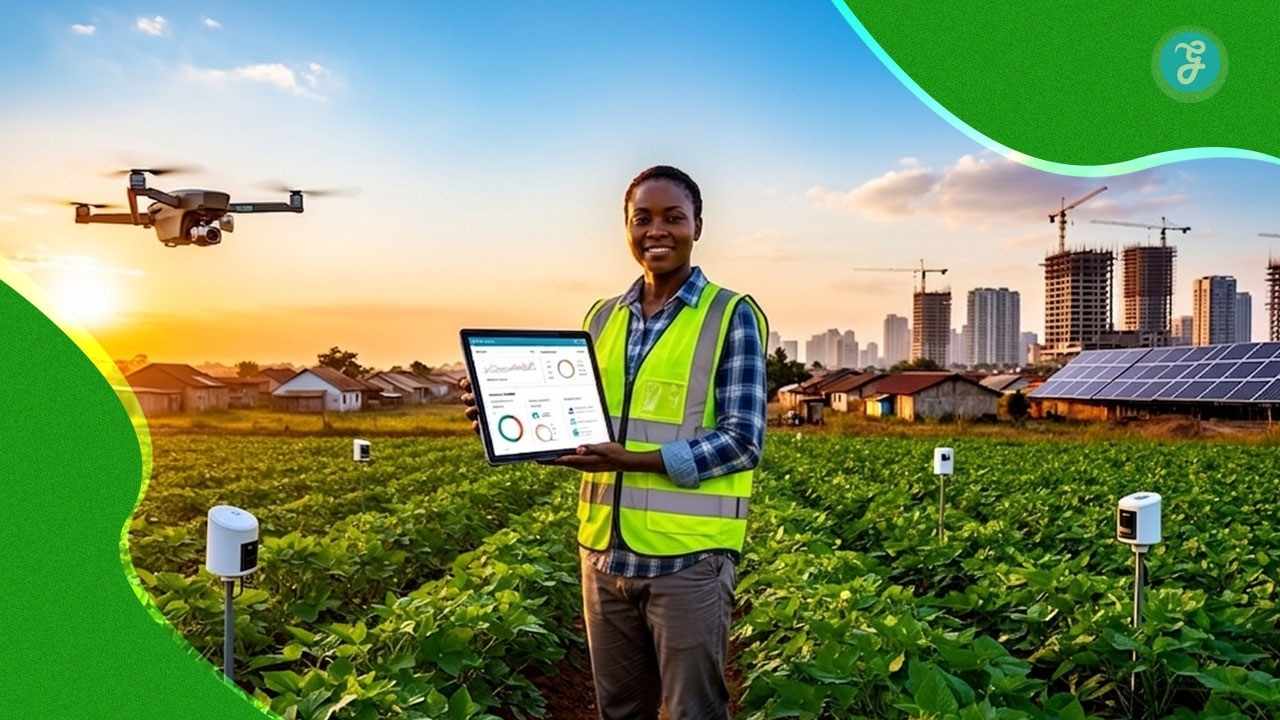
Can you imagine this: you’re a farmer in a developing country, watching crops wither from drought or pests, while food prices soar and families go hungry. It’s a tough spot, right? Many folks in emerging markets face this daily grind, battling old-school farming methods that just can’t keep up with growing demands.
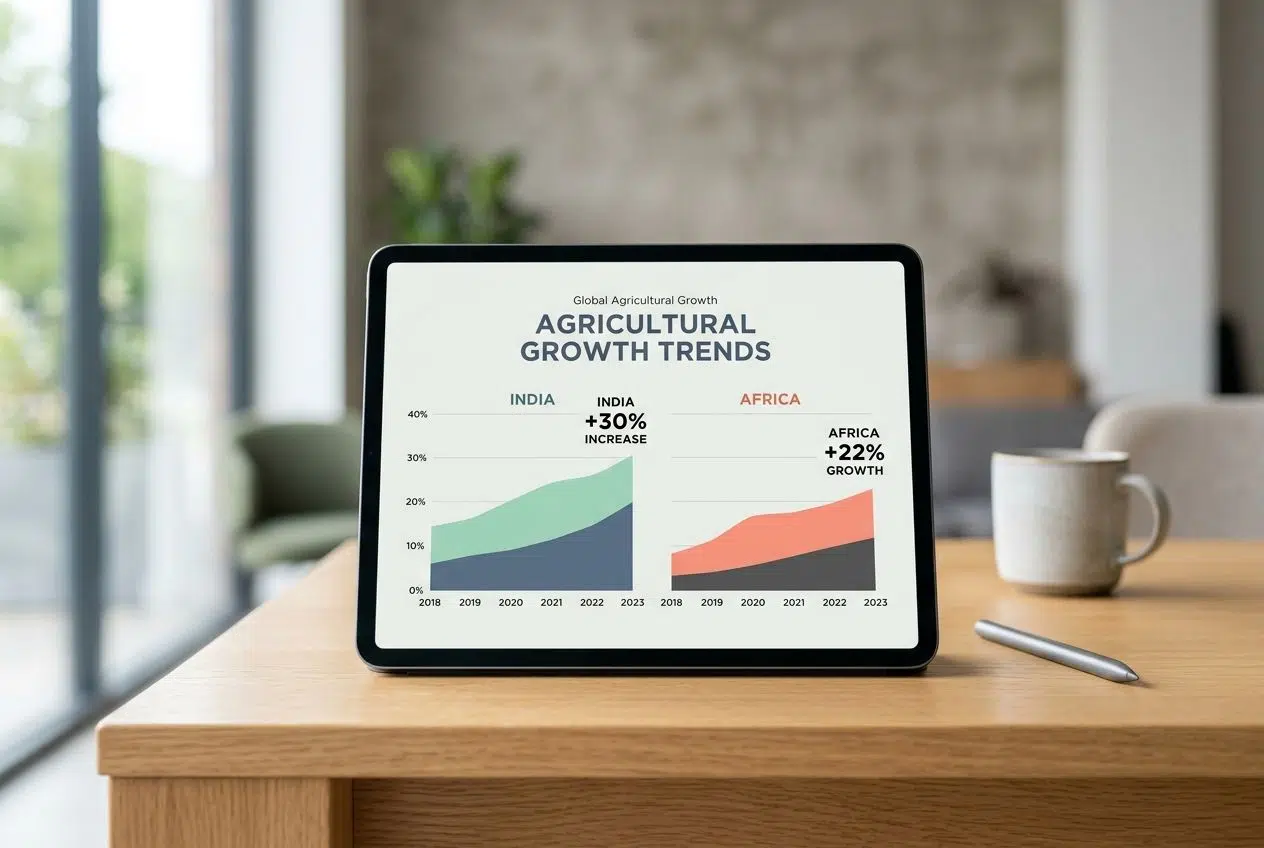
Did you know that agritech startups have boosted crop yields by up to 30% in places like India and Africa? These innovators use smart tech to turn the tide. In this blog, we’ll explore how agritech startups transform economies, from precision tools to sustainable tricks that help small farmers thrive and build stronger communities.
Stick around for the details.
Defining Agritech Startups
Agritech startups mix farming smarts with tech wizardry, turning dusty fields into high-tech playgrounds where crops thrive without the guesswork. Think drones scouting pests like sneaky spies, or apps predicting harvests as reliably as your morning coffee routine, sparking curiosity about what innovations come next.
Scope and Core Technologies
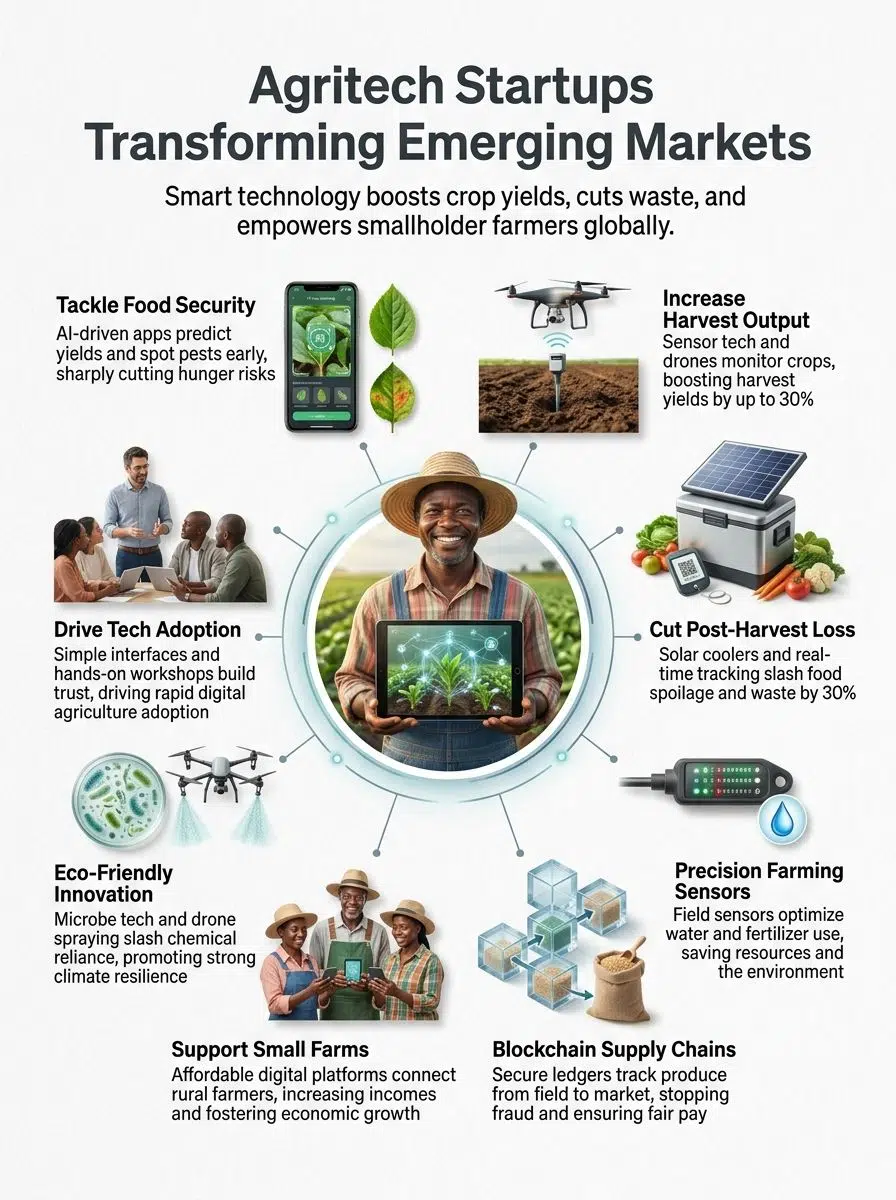
Start with the basics. The scope of agritech startups covers farms big and small. They focus on blending agriculture with technology for better results. Core technologies include sensors that track soil health.
Drones fly over fields to spot problems early. Apps help farmers make smart choices. These tools boost productivity and cut waste. Farmers in emerging markets gain from this mix. It promotes sustainability and fights climate issues.
Picture a farmer checking crop data on a phone, like magic in your pocket.
Technology is the campfire around which we tell our stories, says author Laurie Anderson, reminding us how innovation lights up farming paths.
Core tech also features AI that predicts weather impacts on crops. Blockchain tracks food from farm to table for trust. IoT devices connect equipment for real-time updates. These advances support food security in tough spots.
Small farms see big gains with less effort. Investment flows into startups as startups show promise. Innovation drives economic growth here. Rural areas thrive with these tools. Now, let’s look at some standout examples and fresh ideas in action.
Key Examples and Innovations
Agritech startups spark real change in farming with smart tools. They mix technology and innovation to boost productivity and sustainability.
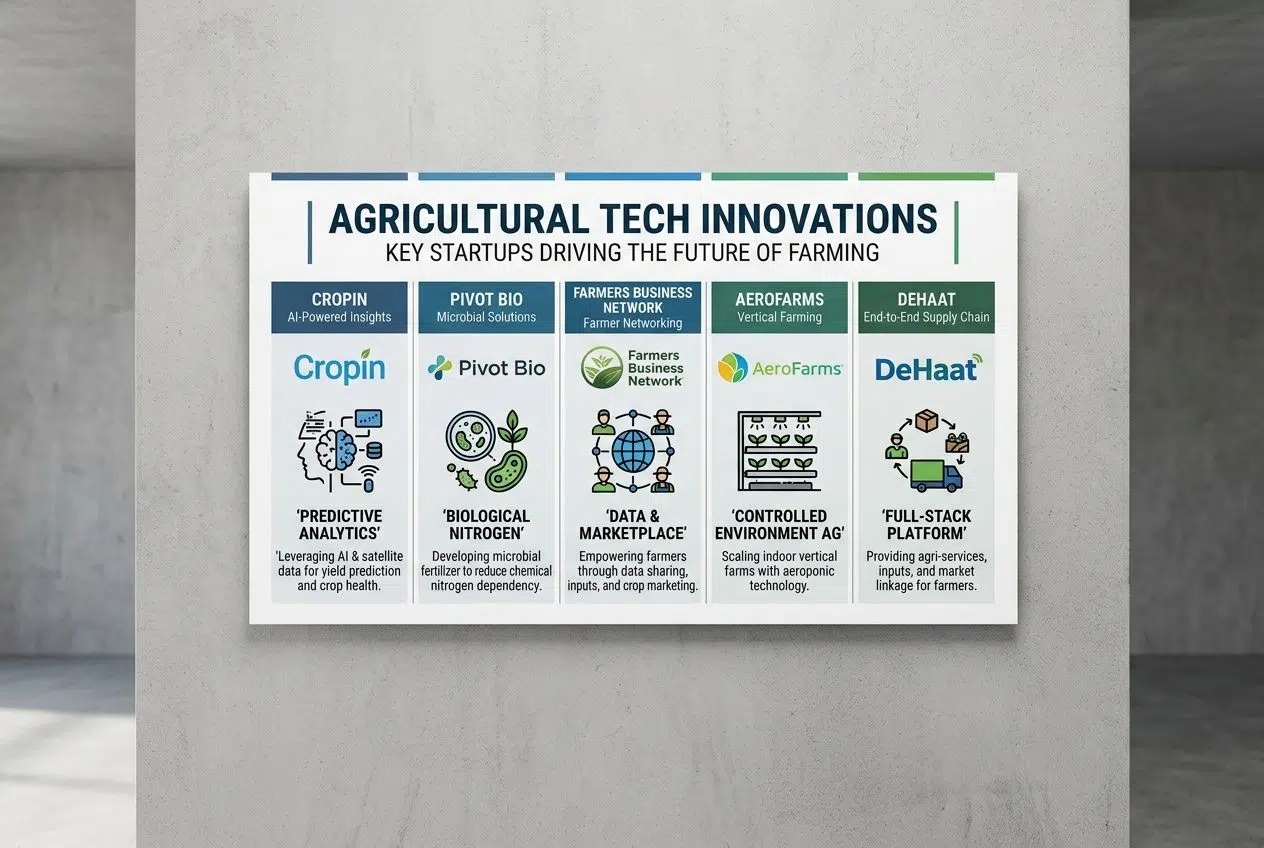
- Cropin leads the pack in digital agriculture. This startup uses artificial intelligence to predict crop yields and spot diseases early. Farmers in emerging markets like India get alerts on their phones, cutting losses by up to 30 percent. Talk about a game-changer for food security.
- Pivot Bio shakes up sustainable farming with microbe magic. They engineer bacteria that fix nitrogen right in the soil, slashing the need for chemical fertilizers. In places like Brazil, this tech lifts yields while promoting climate resilience, and it saves farmers cash too.
- Farmers Business Network connects growers through a digital platform, you see. It shares data on seed prices and crop performance, empowering small farms in Africa to make better deals. This innovation drives economic development by leveling the playing field against big agribusiness.
- AeroFarms pioneers vertical farming with LED lights and sensors. They grow greens indoors without soil, using 95 percent less water than traditional methods. In urban spots across emerging economies, this boosts local food supply and fights climate challenges head-on.
- The DeHaat app links Indian farmers directly to buyers and suppliers. It offers advice on precision agriculture via chat, helping cut post-harvest waste. Imagine turning a simple phone into a rural powerhouse for better supply chain flow.
These examples show the spark of agritech, but let’s see how they really shake up economies in developing spots.
Impact of Agritech Startups in Emerging Economies
Picture a small farmer in rural India, who once struggled with droughts and low yields, now thriving thanks to smart apps that predict weather patterns and optimize water use. These startups spark real change, turning barren fields into bountiful harvests that feed families and fuel local markets, all while cutting down on waste that used to rot away profits.
Tackling Food Security
Agritech startups fight food security head-on in emerging markets. They use smart tech to boost crop yields for millions. Farmers in places like India and Kenya now spot pests early with apps.
This cuts hunger risks. Innovation drives it all. Think of it as giving agriculture a high-tech makeover, like turning a rusty old truck into a speedy race car. Sustainability shines through, too. These tools help small farms produce more without wasting resources.
Technology adoption changes the game for rural people. Startups offer drones that map fields for better planting. Productivity jumps as a result. Climate resilience builds in, protecting against droughts.
Investment flows to these ideas, sparking economic development. Supply chain fixes ensure food reaches tables faster. Digital agriculture makes farming smarter, not harder.
Increasing Agricultural Output
Startups in emerging markets boost agricultural output with smart tools. They use drones to spot crop issues early. Farmers in India, for example, now harvest 20% more rice thanks to these innovations.
Technology like AI apps predicts weather patterns, helping individuals plant at the right time. This builds climate resilience and ramps up productivity. Imagine a small farm turning into a powerhouse, all because of a simple app on a phone.
Agritech has doubled my yields and cut my costs, says Raj, a farmer in Kenya using sensor tech.
Investments pour into these startups, fueling sustainable farming. They connect supply chains so that produce moves faster from the field to the market. In Brazil, one company slashed waste by 15% with better tracking.
Innovation here means more food security for everyone. Rural areas see economic growth as jobs pop up around these tech hubs. Farmers adopt digital agriculture, making their work easier and more efficient.
Minimizing Post-Harvest Loss
Boosting agricultural output gets farmers more crops, but what happens after the harvest matters just as much. Agritech startups step in here, tackling post-harvest loss with smart tech.
They cut waste that hits food security hard in emerging markets. Imagine losing a third of your hard-earned produce to spoilage, pests, or poor handling; that’s the harsh reality for many smallholder farmers.
These innovators use simple tools like solar-powered coolers to keep fruits and veggies fresh longer. Innovation like this boosts productivity and supports sustainable farming. It’s like giving crops a shield against time and trouble.
Farmers in places like India and Africa see real gains from these solutions. One startup deploys apps that track storage conditions in real time, slashing losses by up to 30 percent.
This tech builds climate resilience too, helping crops survive heat or humidity spikes. Supply chain tweaks, powered by digital tools, connect farmers directly to buyers, reducing delays that cause rot.
Economic development follows as rural areas thrive with less waste and more income. Picture a farmer smiling wider, knowing his harvest won’t vanish before it reaches the market.
Technological Advances by Agritech Startups
Imagine drones zipping over fields, spotting thirsty crops before farmers even notice. That’s the magic of sensor tech in action. Startups whip up AI that predicts harvests like a weather wizard, turning guesswork into gold for growers everywhere.
Sensor-Based Precision Farming
Sensor-based precision farming changes how farmers work in emerging markets. Startups deploy sensors in fields to track soil moisture, nutrient levels, and weather patterns in real time.
This technology helps smallholder farmers apply water and fertilizers only where needed, boosting productivity and cutting waste. Picture a farmer in rural India checking an app on his phone; it tells him exactly when to irrigate, saving water during dry spells.
Such innovation builds climate resilience, as sensors spot early signs of drought or pests. These tools drive sustainable farming by reducing chemical use, which protects the environment. In places like Africa, agritech firms integrate sensors with drones for quick field scans, improving food security for millions.
Farmers see higher yields, often up to 20 percent more, without extra land. Investment in this digital agriculture sparks economic development, connecting rural areas to global supply chains. Startups lead the charge, making precision agriculture accessible and affordable.
Artificial Intelligence in Crop Management
Sensors gather data in precision farming, and now artificial intelligence takes that info to the next level for smarter crop management. AI analyzes patterns from soil, weather, and plant health, helping farmers make quick decisions.
Imagine, it’s like having a wise old farmer in your pocket, but powered by tech that predicts problems before they hit. In emerging markets, startups use AI to boost productivity and food security.
They create apps that spot diseases early, saving crops and cutting costs for small farms. Innovation shines here, with tools that adapt to local climates and build resilience against tough weather.
Farmers in places like India and Africa see real gains from AI in agriculture. These systems suggest the best times to plant or harvest, ramping up yields without extra resources. Technology adoption grows as startups offer simple interfaces, even for those new to gadgets.
Sustainability gets a lift too, with AI optimizing water use and reducing waste. Investment flows in, sparking economic development in rural spots. Think of it as a chain reaction, where better farming leads to stronger supply chains and more jobs. Startups drive this change, turning old methods into modern wins for everyone involved.
Blockchain for Supply Chain Integrity
Agritech startups use blockchain to make supply chains transparent in emerging markets. Farmers track crops from field to market with secure records. This technology stops fraud, like fake labels on produce.
In places like India, companies apply blockchain for fair trade in agriculture. It builds trust among buyers and sellers. Picture a farmer in Kenya checking a ledger on their phone, no middlemen cheating them.
Innovation like this boosts food security and sustainability. Supply chain glitches drop, thanks to real-time data.
Blockchain cuts waste by verifying origins quickly. Startups integrate it with apps for easy use by smallholder farmers. Economic development follows as rural areas gain from reliable trades.
Productivity rises when everyone sees the full picture. Climate resilience improves with accurate tracking of sustainable practices. These tools spark agricultural innovation in developing countries.
IoT Solutions for Smart Farming
IoT devices change how farmers work in emerging markets. These tools connect sensors to the internet for real-time data on soil, weather, and crops. Farmers get alerts on their phones about water needs or pest risks.
This boosts productivity and cuts waste in agriculture. Picture a small farm in India where devices track moisture levels, saving water during dry spells. Innovation like this builds climate resilience and supports sustainable farming. Startups push these IoT solutions to make farming smarter and more efficient.
Such technology adoption helps smallholder farmers thrive. It links them to better supply chains and investment opportunities. Now, let’s explore the advantages of agritech startups in developing regions.
Advantages of Agritech Startups in Developing Regions
Picture a small farmer in a bustling rural village, suddenly armed with apps that turn dusty fields into goldmines of higher yields and steady cash flow. These startups ignite job booms in forgotten corners, weaving eco-smart tricks into daily routines, like whispering secrets to crops for a greener tomorrow, don’t you think?
Support for Smallholder Farmers
Smallholder farmers often face tough challenges in emerging markets, like limited access to modern tools and unpredictable weather. Agritech startups step in with smart solutions that boost productivity and build climate resilience.
These innovators offer affordable apps for crop monitoring, helping farmers spot issues early and save their harvests. Take precision agriculture tech, for instance; it uses sensors to guide exact water and fertilizer use, cutting waste and costs.
Farmers in rural areas now connect through digital platforms, sharing tips and market info to increase their income. This support turns the tide for those who feed much of the world, making agriculture more sustainable and efficient.
Innovation from these startups empowers smallholder farmers with tools like AI-driven advice on planting times and pest control. They promote sustainable farming practices that protect soil health and reduce chemical use, fostering economic development in rural communities.
Investment in such technology adoption helps minimize food security risks, as farmers produce more with less effort. Supply chain improvements, via blockchain, ensure fair prices and transparent deals for these hardworking people.
Emerging markets see real growth when startups focus on digital agriculture, lifting entire villages out of poverty with every successful season.
Economic Growth in Rural Areas
Agritech startups spark real change in rural spots across emerging markets. They bring fresh jobs, you know, like tech roles for locals who once just farmed. Investment flows in, boosting local economies by up to 20% in places like India and Kenya.
Farmers earn more through better productivity, selling crops at fair prices via apps. Picture a village where people now afford schools and homes, all thanks to these innovations. Startups connect buyers directly, cutting out middlemen and pumping cash back into communities.
These companies fuel growth by training people on new tools, turning old farms into buzzing hubs. Rural areas see shops and services pop up, creating a ripple effect. In Brazil, for instance, agritech has lifted GDP in farm regions by 15%.
Families thrive as incomes rise, and kids dream bigger. Innovation drives this shift, making agriculture a powerhouse for development. And that ties right into how these startups push for eco-friendly farming.
Promotion of Eco-Friendly Farming
Agritech startups push sustainable farming in emerging markets. They introduce tools that cut chemical use and boost soil health. Farmers now rely on apps for precise water management, saving resources and fighting climate change.
Picture a smallholder in India switching to drone sprays, which slash pesticide waste by 30 percent. This shift builds climate resilience and lifts rural development. Innovation like this sparks economic growth, as cleaner methods attract investment.
Startups make eco-friendly practices easy for everyone. They offer affordable tech for organic pest control and crop rotation. In Africa, one company helps farmers track carbon footprints with simple sensors.
You see yields rise without harming the earth. Technology adoption here means stronger food security and better supply chains. Sustainable farming turns challenges into wins for local communities.
Challenges Confronting Agritech Startups
Picture a startup racing against the clock to grab funding, while rural roads crumble under their feet. Farmers eye new tech like a skittish horse spotting a saddle, wondering if it’s worth the leap.
Acquiring Funding and Infrastructure
Agritech startups in emerging markets chase funding like farmers hunt for rain in a drought. They build infrastructure amid tough odds, turning obstacles into opportunities for innovation and growth.
- Startups seek investment from venture capitalists and governments to fuel their agriculture technology dreams, often landing deals worth millions, like the $50 million Cropin raised in 2022 to boost productivity in rural areas.
- Crowdfunding platforms help these innovators gather small sums from global supporters, sparking sustainability efforts that cut post-harvest losses by up to 30 percent in places like India.
- Partnerships with big agribusiness firms provide not just cash but also tech know-how, driving economic development and climate resilience for smallholder farmers facing harsh weather.
- Infrastructure gaps, such as poor roads and spotty internet, force startups to improvise with mobile apps that work offline, enhancing food security in remote villages.
- Governments in emerging markets offer grants and subsidies to build storage facilities, reducing waste and promoting sustainable farming practices that save water and soil.
- High costs of sensors and IoT devices challenge adoption, so startups team up with local banks for low-interest loans, unlocking precision agriculture tools that increase yields by 20 percent.
- Training programs funded by NGOs teach farmers about digital agriculture, bridging the gap between innovation and everyday use in supply chains.
- Scalability issues arise when expanding to new regions, yet smart startups use blockchain to track investments, ensuring transparency and attracting more funding for rural development.
Overcoming Farmer Adoption Hurdles
Farmers in emerging markets often resist new tech because old habits die hard. Startups tackle this by building trust and showing real results.
- Education programs help farmers see the value of precision agriculture. Picture a farmer in India who doubts drones at first, but then watches his crop yields jump 20% after a hands-on demo. Startups like Cropin run workshops that mix fun stories with data on productivity gains. They chat with you about climate resilience, making tech feel like a helpful neighbor, not a stranger. This boosts adoption and sparks rural development.
- Affordable tools ease the money worries for smallholders. Imagine scraping by on tight budgets, then finding low-cost apps that track soil health without breaking the bank. Innovation in startups cuts costs through shared models, like group subscriptions for IoT devices. You gain food security as harvests improve, and sustainability follows with less waste. Investment in these tools drives economic growth in tough spots.
- Local partnerships build bridges over trust gaps. Think of teaming up with village leaders who vouch for blockchain in supply chains, turning skeptics into fans. Startups connect with co-ops to share success tales, like how AI predictions saved a Kenyan farm from drought. Technology adoption speeds up this way, fostering innovation and stronger communities. Emerging markets thrive as farmers embrace change together.
- Simple interfaces make tech less scary for beginners. Envision a grandpa farmer swiping an easy app instead of wrestling with complex gadgets. Startups design user-friendly apps with voice commands in local languages, cutting hurdles fast. Productivity soars, and sustainable farming becomes second nature. Food security strengthens as more people join the digital agriculture wave.
- Pilot projects prove benefits before full commitment. Recall a startup offering free trials, where you test sensor tech on one field and see output rise 15%. This hands-off approach eases fears, with data on climate resilience winning hearts. Investment flows in as results spread, boosting startups and rural economies. Agriculture transforms through these smart, empathetic steps.
Leading Agritech Startups Shaping the Future
Imagine a world where tiny startups flip the script on farming woes in places like India and Africa, turning dusty fields into high-tech havens. These trailblazers, with their clever tools and bold ideas, spark real change for farmers scraping by. Do you want to meet the game-changers?
Cropin: A Case Study
Cropin stands out as a leader in agricultural innovation. This startup, founded in 2010 in India, harnesses artificial intelligence and satellite data to boost farming productivity.
Farmers use its platform to monitor crops in real time, predict yields, and spot issues early. Picture a smallholder in a rural village checking soil health on a smartphone; that’s Cropin making technology accessible. It supports over 13 million acres across emerging markets, driving food security and climate resilience.
One farmer in Kenya shared how Cropin’s tools cut his losses from pests by 30 percent. The company partners with governments and businesses to improve supply chains, promoting sustainable farming practices.
Investors see big potential here, with funding rounds fueling expansion into Africa and Asia. Cropin shows how startups spark economic development in rural areas, turning challenges into opportunities for growth.
Pivot Bio: Revolutionizing Fertilization
Pivot Bio stands out in the agriculture world. This startup focuses on sustainability and innovation. They engineer microbes that help crops fix nitrogen from the air. Farmers apply these microbes to seeds.
Crops then pull nitrogen naturally, cutting the need for chemical fertilizers. This boosts productivity and aids food security in emerging markets. Smallholder farmers save money, and the environment wins too. Think of it like giving plants a built-in fertilizer factory, right in the soil.
Their technology promotes climate resilience. It reduces greenhouse gas emissions from traditional farming. In places like Africa and Asia, Pivot Bio’s solutions help tackle soil depletion.
They partner with local groups to spread adoption. Investment flows in, fueling growth. Farmers see higher yields without harming the land. Such advances drive economic development in rural areas.
Farmers Business Network: Connecting Farmers
Farmers Business Network stands out in agriculture by linking farmers across regions. This startup, launched in 2014, builds a community where growers share data on crops and prices.
Imagine farmers chatting over coffee about the best seeds, but online and on a massive scale. They use technology to buy supplies at fair rates, cutting costs for everyone involved.
In emerging markets, this boosts productivity and innovation, as small farms tap into shared knowledge. FBN’s app lets users track soil health and weather, turning guesswork into smart decisions.
Farmers in rural areas often feel isolated, like lone wolves in a vast field. FBN changes that with its network, fostering economic development through better deals on fertilizers and tools.
Sustainability gets a lift too, as data-driven choices reduce waste and support climate resilience. One farmer in Brazil might learn from another’s success in India, sparking real change in food security.
This approach drives investment in digital agriculture, helping startups thrive. Now, let’s explore the future prospects for agritech in emerging markets.
The Future Prospects for Agritech in Emerging Markets
Agritech startups spark massive growth in emerging markets through smart scaling and wide global reach, like a farmer’s dream turning into a worldwide harvest party. Check out the full blog for detailed insights!
Scaling Opportunities
Agritech startups eye big growth in emerging markets. They tap into vast lands and eager farmers, pushing innovation to boost productivity. Imagine a small team in India scales up sensor tech, reaching millions of acres by 2025.
Investors pour in billions, seeing returns skyrocket as food security strengthens. Tech adoption spreads like wildfire, turning rural spots into hubs of sustainable farming. Farmers connect through apps, sharing tips on climate resilience.
Startups scale by partnering with governments, unlocking funds for wider reach. They adapt tools for local needs, like drought-resistant crops in Africa. Economic development follows, with jobs popping up in digital agriculture.
Supply chain tweaks cut waste, making exports boom. Precision agriculture saves water and cash, proving these ventures pack a punch.
Broader Global Influence
Agritech startups in emerging markets boost global food security, you know. They drive innovation that spreads far beyond local farms. Picture a small farmer in India using precision agriculture tools; that tech soon helps growers in Africa too.
Investments pour in from around the world, sparking economic development on a big scale. Startups like these build climate resilience, making supply chains stronger against tough weather. Farmers gain productivity, and that means more food for everyone, everywhere.
These changes ripple out to create sustainable farming habits worldwide. Technology adoption in rural areas inspires similar shifts in developed nations. Emerging markets lead with smart solutions, cutting waste and promoting eco-friendly ways.
Innovation flows both ways, with global partners sharing ideas on crop management. Rural development gains traction, drawing more investment and building a connected agriculture network. Startups transform not just local economies, but the whole planet’s approach to feeding people.
Final Thoughts
Agritech startups drive change in emerging markets by boosting food security, cutting losses, and using tech like AI and sensors. Farmers gain simple tools that fit their daily work, making boosts in output quick and cost-effective.
These innovations spark economic growth in rural spots, fight climate woes, and build stronger supply chains for all. Jump in now, embrace these tools, and watch your community thrive.
FAQs on Agritech Startups
1. What exactly are agritech startups, and how do they pop up in emerging markets?
Agritech startups are clever companies that mix tech with farming to solve big problems, like using apps for better crop yields. They thrive in emerging market economies where old ways need a fresh kick, you know, turning dusty fields into smart operations. Picture a farmer in Kenya swapping his hoe for a drone; it’s like giving agriculture a turbo boost.
2. How do these startups transform economies in places like India or Brazil?
They pump up jobs and cut waste in supply chains, making food production zippy and efficient. Farmers get tools to predict weather woes, dodging disasters that used to wipe out harvests.
3. Do agritech startups help small farmers in tough spots?
Oh, absolutely; they offer cheap tech like soil sensors that act as a farmer’s sixth sense, spotting issues before they bite. This levels the playing field, turning underdogs into winners in emerging markets. Plus, it sparks local innovation, like a chain reaction of good vibes for the whole economy.
4. What challenges do agritech startups face in emerging market economies?
Internet gaps can trip them up, leaving remote areas in the dust. But hey, they’re scrappy, partnering with locals to bridge those divides and keep the transformation rolling.





















