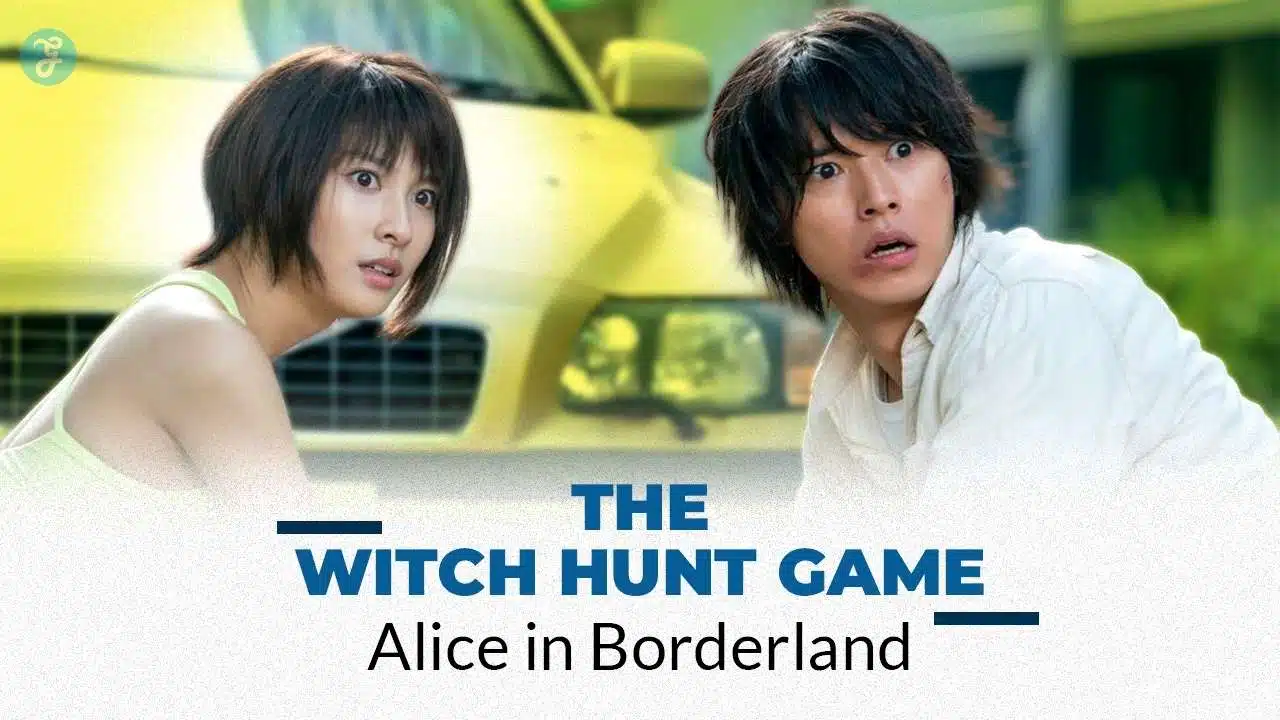
The lobby was screaming. Smoke filled the air, and panic moved through the crowd faster than the fire itself. In Alice in Borderland, the “Witch Hunt” isn’t just a puzzle; it is a raw, terrifying experiment in human nature.
When a system breaks, people panic. But this game was different. Momoka Inoue lay dead. The announcement was simple: the killer is among you. Burn the “Witch” in the Fire of Judgment, or everyone dies. And then it hit me. The players weren’t failing because they weren’t smart. They were failing because they were terrified.
In the next few minutes, I’m going to walk you through exactly why this game, the deadly Ten of Hearts, crushed even the brightest minds. We will look at the specific mechanics, the psychological traps, and the one thing that actually saves you when logic burns to ash. This is the story of how trust, not intelligence, became the only way out.
The Concept of Momoka’s Game
Imagine a “whodunit” mystery, but if you don’t solve it in two hours, a laser shoots you from the sky. That is the reality of the Ten of Hearts game. It takes place in the Seaside Paradise, known to players as “The Beach,” a luxury hotel turned into a militant stronghold.
The Mechanics of the Ten of Hearts
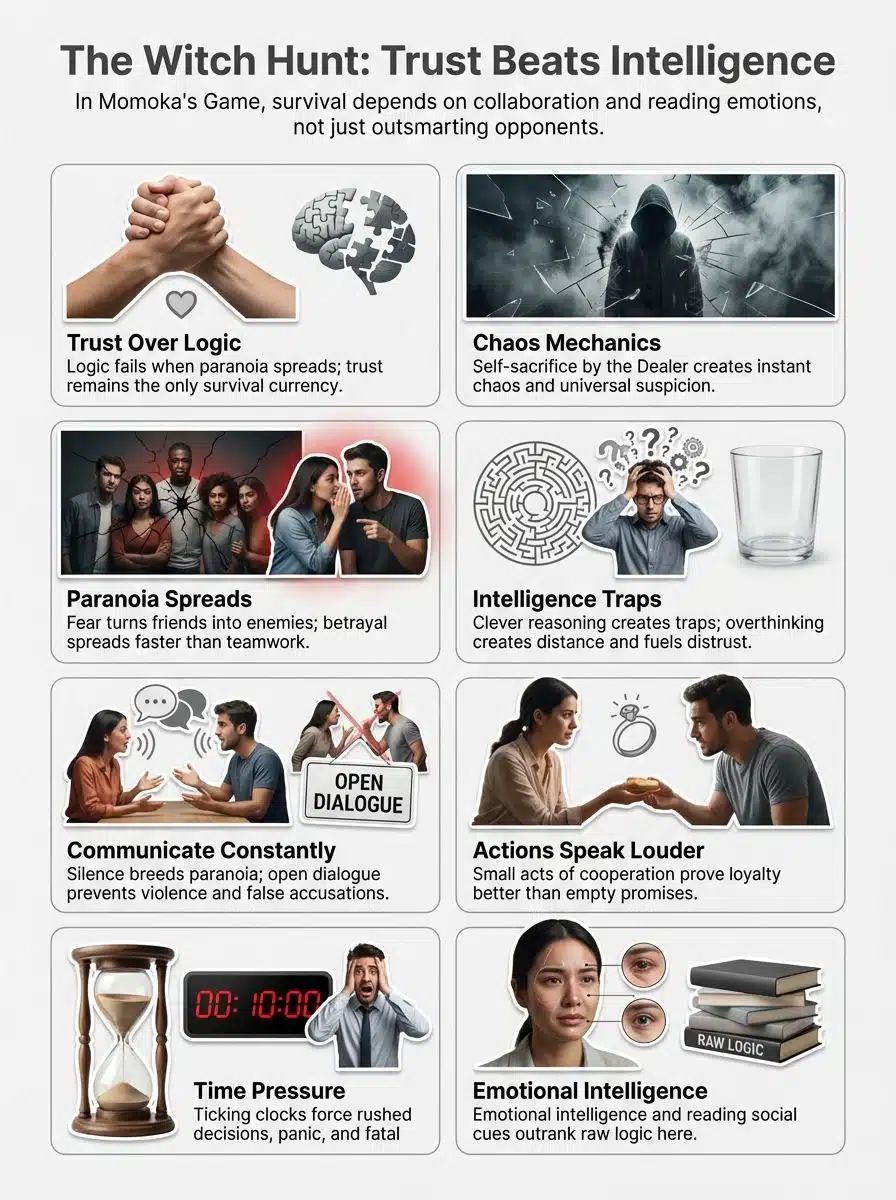
The rules were brutally simple, yet designed to cause maximum chaos. Momoka Inoue was found with a knife in her chest. The game, titled “Witch Hunt,” gave the surviving players a strict deadline to find the culprit.
- The Objective: Identify the “Witch” who murdered the girl.
- The Method: Throw the guilty person into the “Fire of Judgment”, a bonfire set up in the hotel courtyard.
- The Constraint: You have exactly 120 minutes (2 hours).
- The Penalty: If the time runs out, the hotel explodes, killing every single resident inside.
This setup reminds me of a “Severity 1” incident in software engineering. When a server goes down, you have a ticking clock and a lot of shouting. But here, the stakes weren’t lost revenue; they were lost lives.
The genius of this game design is that it forces a “mob mentality.” According to 2025 data from the Edelman Trust Barometer, 61% of people today feel a “sense of grievance” and distrust institutions. The game exploited this exact weakness. The players didn’t look for evidence; they looked for someone to blame.
The Ten of Hearts doesn’t test your IQ. It tests your ability to resist the urge to kill your neighbor when the clock is ticking.
Trust vs. Intelligence in Momoka’s Game
You might think the smartest person in the room would win easily. You would be wrong. In this game, Arisu, the show’s genius puzzle solver, was initially paralyzed. Why? Because logic requires a calm environment, and the Beach was a war zone.
Why Logic Failed the “Smart” Players
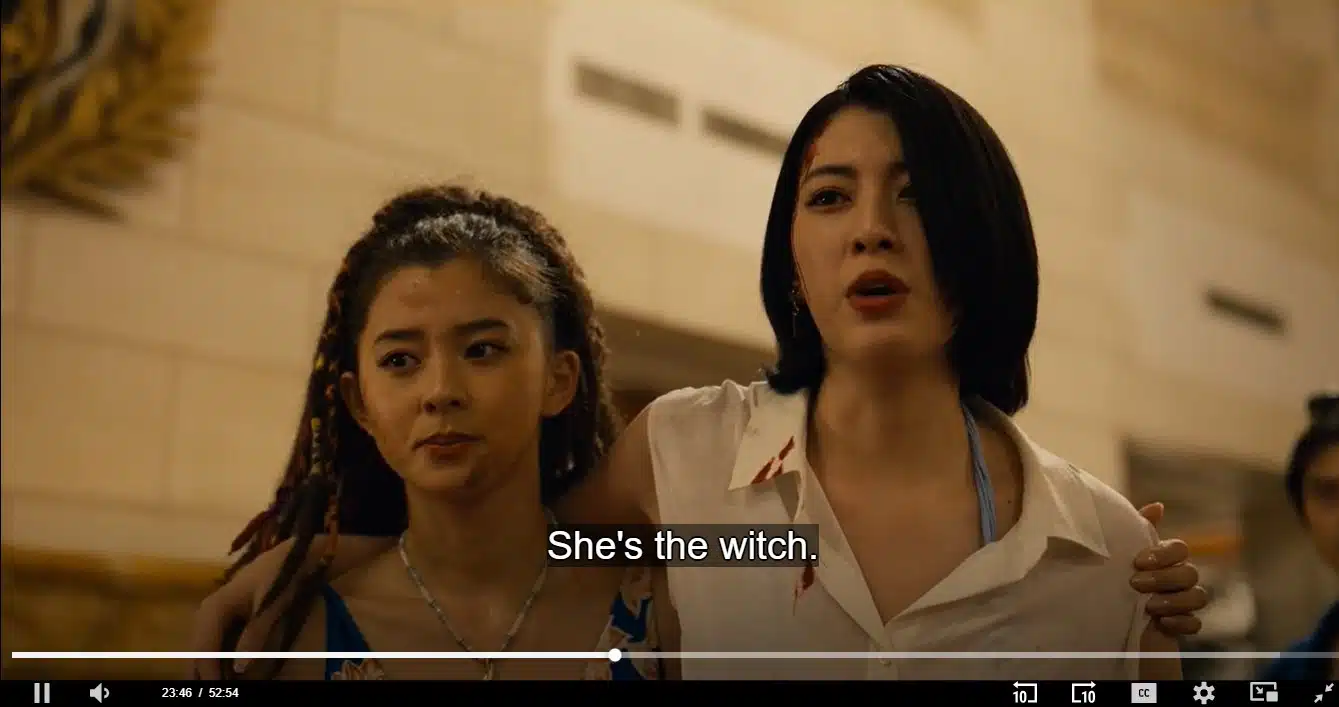
Intelligence often leads to overthinking. In the Witch Hunt, smart characters like Ann tried to perform an autopsy and analyze fingerprints on the knife. While this was the correct logical path, it was too slow for the emotional panic of the crowd.
The militants, led by Aguni, didn’t care about fingerprints. They chose a brute-force algorithm: kill everyone until the game ends. This is a classic “Prisoner’s Dilemma” on a massive scale. If everyone cooperates, they find the truth. If one group defects (starts killing), logic becomes useless.
Here is how the two approaches clashed during the game:
| Strategy | Focus | Outcome in the Game |
|---|---|---|
| The Logical Approach (Arisu & Ann) | Evidence, motive, forensics | Too slow. Nearly got them killed by the mob. |
| The Emotional Approach (Aguni & Militants) | Fear, violence, elimination | Fast but destructive. Killed innocent players. |
| The Trust-Based Approach (The Solution) | Empathy, understanding the victim | Revealed the truth: The Witch was Momoka herself. |
The Trap of Intellectual Arrogance
I have seen this in tech companies often. We call it “Analysis Paralysis.” A 2024 report on decision-making under stress shows that high-IQ individuals often struggle more in chaotic environments because they try to fit irrational behaviors into rational models. Arisu couldn’t understand why the militants were killing people, so he froze. He had to stop thinking like a detective and start feeling like a human to solve the puzzle.
Key Elements of Trust in the Game
The Beach was supposed to be a utopia, but it was built on a lie. When the game started, the three factions, the Cult, the Militants, and the Idealists, immediately turned on each other.
Collaboration and Alliances
Real collaboration requires what Google’s Project Aristotle calls “Psychological Safety.” This is the belief that you won’t be punished for making a mistake. In 2024, Google reaffirmed that this is the number one driver of effective teams.
The Beach had zero psychological safety. If you spoke up, Aguni’s men would shoot you. If you stayed silent, the fire would get you. Without that safety, no one shared information. Ann found the fingerprints, but she couldn’t tell the group because the group was trying to kill her.
The “Insider Threat” of Deception
The ultimate betrayal wasn’t just neighbor against neighbor. It was the revelation that Momoka and her friend Asahi were “Dealers”, spies working for the game masters. In cybersecurity, we call this an Insider Threat.
According to the 2024 Verizon Data Breach Investigations Report, over 30% of breaches involve internal actors. The players assumed the threat was external (a hidden killer), but the threat was actually the people they ate dinner with every night. This realization shattered the group’s ability to trust anyone.
Reading Intentions and Emotions
Since words were useless, players had to read micro-expressions. You had to look at a friend and decide: Are they scared because they are guilty, or are they scared because they think I’m going to kill them?
The most heartbreaking moment was watching Asahi. She knew the truth but couldn’t speak. Her fear wasn’t for herself; it was the guilt of knowing her best friend, Momoka, had committed suicide to start the game.
Challenges Players Faced
The pressure in the hotel lobby was worse than any boardroom crisis I have ever faced. The players weren’t just fighting a clock; they were fighting their own biology.
When the militants started shooting, the players entered a state known in psychology as an Amygdala Hijack. This is when the brain’s emotional center takes over and shuts down the prefrontal cortex, the part responsible for logic and reasoning.
In this state, you literally cannot think clearly. You default to “fight or flight.” Aguni chose fight. Most others chose flight. Only a few, like Arisu, managed to regulate their emotions enough to think.
Groupthink and Mob Violence
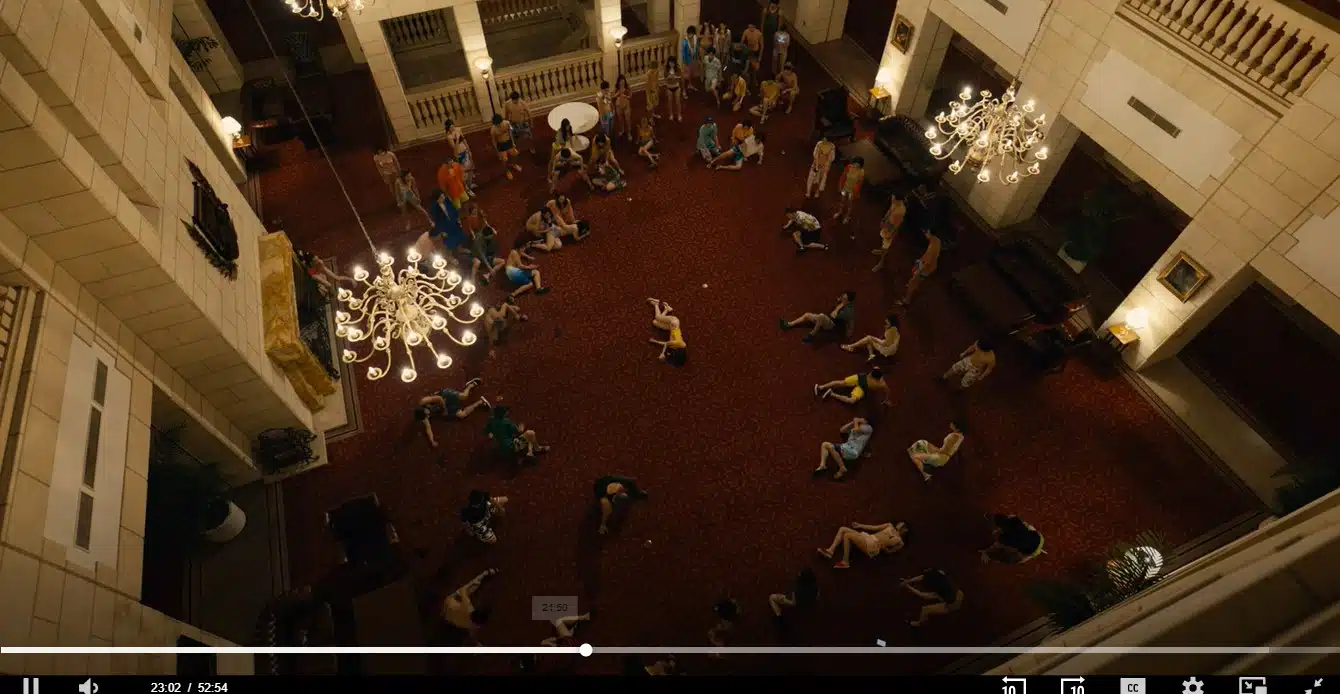
The chaos created a perfect storm for “Groupthink.” Once a few people started shouting, “It’s the girl in the lobby!”, everyone else joined in. It didn’t matter if it was true; it felt safer to agree with the mob than to stand alone.
- The Trigger: Aguni orders the militants to kill everyone to “find the witch.”
- The Reaction: The crowd follows orders out of fear, abandoning their own morals.
- The Result: Innocent players are thrown into the fire based on zero evidence.
The Pressure of Time Constraints
Time distorts reality. With only 120 minutes, every second of hesitation felt like death. In my experience running engineering teams, strict deadlines often lead to cutting corners. Here, “cutting corners” meant skipping the trial and going straight to the execution.
The ticking clock forced players to make irreversible decisions based on incomplete data. It was the ultimate stress test, and almost everyone failed.
Strategies for Building Trust
So, how did they actually survive? It wasn’t by shooting more people. It was by doing the exact opposite of what the game wanted.
Consistent Communication [The “Blameless” Approach]
In Site Reliability Engineering (SRE), we use a process called a Blameless Post-Mortem. When a system fails, we don’t ask “Who broke it?” We ask, “Why did the system allow this to happen?”
Arisu saved the day by applying this exact mindset. He stopped asking “Who killed Momoka?” and started asking “Why did Momoka die?”
By shifting the focus from blame (finding a murderer) to understanding (finding the motive), he calmed the room down. He realized that Momoka held the knife in a “reverse grip,” indicating suicide. She wasn’t murdered; she was the game piece.
Proving Reliability Through Actions
Words were cheap, so actions mattered more. Several characters had to put their bodies on the line to buy Arisu time.
- Kuina: She fought the Last Boss (the tattooed samurai) not to win, but to protect her friends.
- Aguni: In the end, he shielded Arisu from the flames, proving that his violence was born of pain, not malice.
Managing Perceptions
You have to manage how people see you. If you looked too calm, people thought you were the witch. If you looked too scared, they thought you were guilty. The survivors were the ones who could project calm competence amidst the screaming.
The Role of Deception in Testing Trust
The game was rigged from the start. The dealers, Momoka and Asahi, were plants. This adds a layer of complexity that goes beyond a simple puzzle.
How Deception Shaped Decisions
The players were fighting a ghost. They were looking for a killer who didn’t exist. This is the cruelest part of the Ten of Hearts: it validates your paranoia. You think everyone is lying to you? Well, in this case, they actually were.
Balancing Honesty with Strategy
Complete honesty would have gotten Asahi killed instantly. She had to lie to survive, but her lies eventually caused the massacre. This teaches a hard lesson: transparency is risky, but secrecy is deadly.
In high-trust organizations, transparency speeds up decision-making. In low-trust environments like the Beach, transparency is a death sentence.
Psychological Impacts on Players
The trauma didn’t end when the fire went out. The survivors walked away with heavy psychological scars.
The Stress of Suspicion
Imagine knowing that your best friend might throw you into a fire to save themselves. That thought process rewires your brain. It destroys your ability to form bonds.
Emotional Toll of Betrayal

When Asahi revealed she was a dealer, the look on the players’ faces wasn’t just anger; it was heartbreak. They realized their entire community was a stage for someone else’s entertainment. It stripped away their humanity, leaving them feeling like lab rats.
Lessons Learned from Momoka’s Game
We can learn a lot from the ashes of the Seaside Paradise. Whether you are leading a company or just trying to navigate a difficult family dynamic, the lessons remain the same.
Importance of Interpersonal Skills
Soft skills are hard skills. Arisu didn’t win because he was good at math. He won because he had high Emotional Intelligence (EQ). He could empathize with Momoka’s despair, understanding that she sacrificed herself because she hated being a Dealer.
Understanding Trust in High-Stakes Scenarios
Trust isn’t a “nice to have.” It is a survival mechanism. Data from Great Place To Work shows that high-trust companies outperform their peers by up to 400% in the stock market. In the game, the “high-trust” team (Arisu’s group) survived, while the “low-trust” team (the Militants) destroyed itself.
Final Words
The Witch Hunt was never about finding a killer. It was about seeing if a group of terrified humans could stop killing each other long enough to see the truth. Momoka’s game taught us that when the world is burning, intelligence might help you solve the puzzle, but only trust will help you survive the night.
So, the next time you find yourself in a crisis, whether it’s a project failure or a personal conflict, don’t just look for the “witch.” Look for the human connection. It might just save your life.